Ice batteries are a sustainable cooling technology that freeze water overnight to provide air conditioning during the day, reducing energy costs and grid strain, with applications in hospitals, schools, data centers, and more, contributing to lower emissions and energy savings.

The article highlights five low-stress, high-paying jobs in the sustainability sector, each offering a median annual salary over $100,000. These roles include remote sensing scientist, environmental economist, water resource specialist, solar energy systems engineer, and environmental engineer. These positions are in demand due to the growing focus on eco-friendly solutions and technological advancements in green technology, providing both stability and opportunities for growth.
President Biden's recent tariffs on Chinese green technology imports aim to bolster U.S. national security, technological innovation, and economic development. Despite criticism from some allies, these tariffs are seen as a strategic move to ensure the U.S. remains competitive in the green tech sector, drawing on historical economic policies that support nascent industries.
A study from Colorado State University suggests that transitioning to green wastewater-treatment approaches in the U.S. could save $15.6 billion and reduce nearly 30 million metric tons of CO2-equivalent emissions over 40 years. By leveraging carbon-financing, the research explores the economic tradeoffs of adopting green infrastructure and technology solutions, which could address both point-source and non-point sources of water pollution. The findings highlight the potential for significant cost savings and emissions reduction through nature-based solutions and carbon markets, providing an opportunity to accelerate the improvement of America's rivers while transitioning to a renewable energy and restored watershed future.
The EU is investigating Chinese wind turbine subsidies as it struggles to compete with the low cost of China's green technology, aiming to build and maintain a competitive green tech industry in the face of low-price Chinese imports.
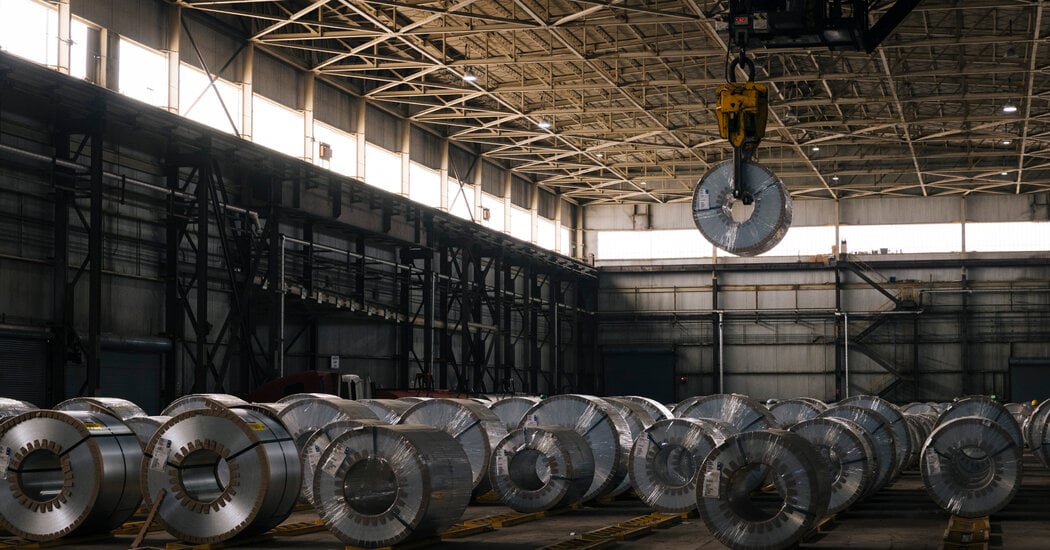
The Biden administration plans to allocate up to $6 billion towards 33 projects in 20 states aimed at reducing carbon emissions from heavy industries such as steel, cement, chemicals, and aluminum. These projects include initiatives to test methods for curbing emissions and implementing cleaner technologies, such as using hydrogen fuels in aluminum production and electric boilers in food manufacturing. The goal is to demonstrate novel technologies that can rapidly scale up and set a new standard for clean manufacturing in the United States and globally.
Greenpeace CTO Priscilla Chomba-Kinywa emphasizes the urgent need for the tech industry to prioritize environmental care, citing the climate crisis and the detrimental impact of current platforms. She urges investment in green, ethical, and value-based alternatives, applauds companies taking action, and stresses the importance of data-driven pressure to drive change. Additionally, she advocates for collaboration with affected communities and emphasizes the need to consider the environmental cost of AI in discussions about its potential benefits.
The United Arab Emirates is leading the way in combating desertification and water scarcity by investing in green technology, including cloud seeding to enhance rainfall in the arid region. With approximately 80% of its land being desert, the country is making significant efforts to turn its arid landscapes green, despite receiving less than 200 mm of rainfall annually. This transformation is crucial in a region where 12 of the 17 most "water-stressed" countries are located, and the UAE's investments in cloud seeding research are a key part of this initiative.
MIT researchers have developed a new method to remove carbon dioxide from the world's oceans using asymmetrical electrochemical cells, which release protons into the water to convert carbon dioxide, then return the seawater to a more basic state. This process is expected to have low energy consumption and high electron efficiency, and could cost less than air-based carbon capture technologies. The captured carbon dioxide could be stored under the seafloor or used to make fuels, chemicals, or products. With oceans absorbing significant amounts of carbon dioxide, this technology has the potential to combat ocean acidification and create a healthier planet.
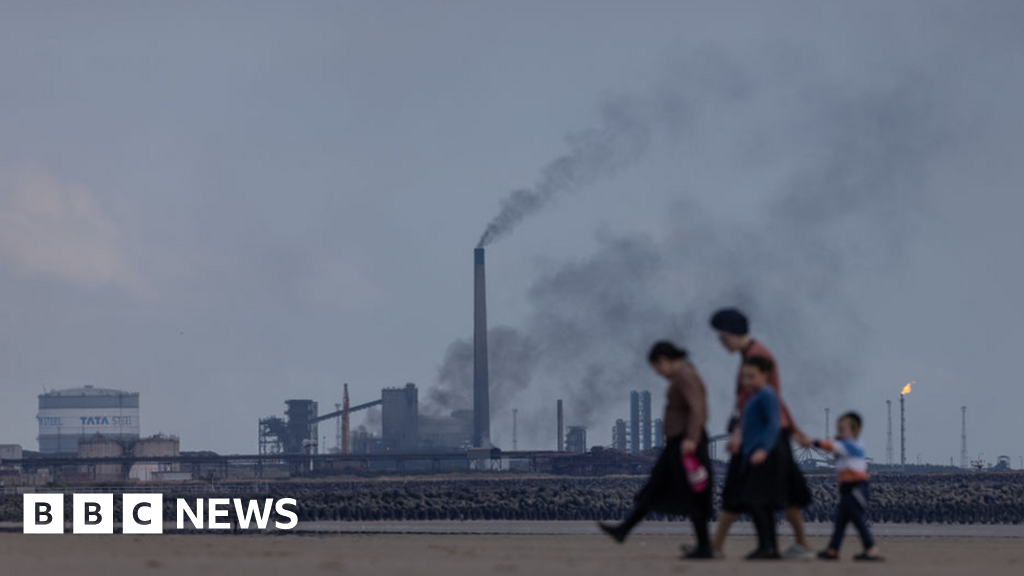
Tata Steel's announcement of 2,800 job losses at its Port Talbot site as part of a move to greener steel has left workers stranded, according to campaigners. The company plans to shut down blast furnaces and build a more sustainable, green steel business using an Electric Arc Furnace (EAF), which would reduce overall UK carbon emissions by about 1.5%. However, critics argue that the move is a missed opportunity for workers to explore manufacturing steel using hydrogen. Unions have condemned the decision and urged Tata to reconsider alternative proposals, while the UK government maintains that hydrogen-powered steelmaking is not commercially viable at the moment.
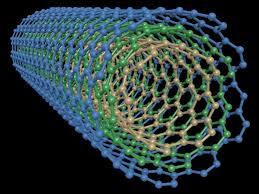
Researchers have developed a method to convert carbon dioxide into solid carbon nanofibers, offering a potential solution to climate change by removing the greenhouse gas from the atmosphere. The process involves using a copper catalyst to transform carbon dioxide into solid carbon nanofibers at room temperature, which could be used in various applications, including as a building material or for energy storage.
Scientists at Brookhaven National Laboratory and Columbia University have developed a tandem electrocatalytic-thermocatalytic process to convert carbon dioxide (CO2) into valuable carbon nanofibers, while producing hydrogen gas as a byproduct. The carbon nanofibers could be used to strengthen building materials and lock away carbon for decades, potentially offsetting or achieving negative carbon emissions. The process operates at relatively low temperatures and ambient pressure, making it more practical for large-scale CO2 mitigation. The strategy involves using two different types of catalysts to break the reaction into stages, and the resulting carbon nanofibers can be easily recycled. If driven by renewable energy, this process could lead to truly carbon-negative results, offering new opportunities for CO2 mitigation.
The global shipping industry is exploring greener technologies to mitigate its significant contribution to climate change. Danish shipping giant Maersk has introduced the first ships powered by green methanol, which can reduce greenhouse gas emissions by 100 tons per day. However, the adoption of greener fuels faces challenges, including the need for new ships and infrastructure, limited production of green methanol, and higher costs compared to conventional fuels. The industry is also awaiting global regulations from the International Maritime Organization to level the playing field and incentivize the transition to low-carbon fuels. While progress is being made, there is still a long way to go to decarbonize the vast fleet of cargo ships that currently operate worldwide.
Imperial College is developing a rocket thruster called the ICE-Cube Thruster, which is so small that it can only be fabricated using techniques used for making silicon chips. The thruster, about the size of a fingernail, uses ordinary water as its propellant, breaking it down into hydrogen and oxygen through electrolysis. This green technology reduces payload and simplifies storage and handling systems. The combustion chamber and nozzle are fabricated using Micro-Electrical Mechanical Systems (MEMS) techniques, normally used for machining silicon wafers, allowing for precise manufacturing in two dimensions.
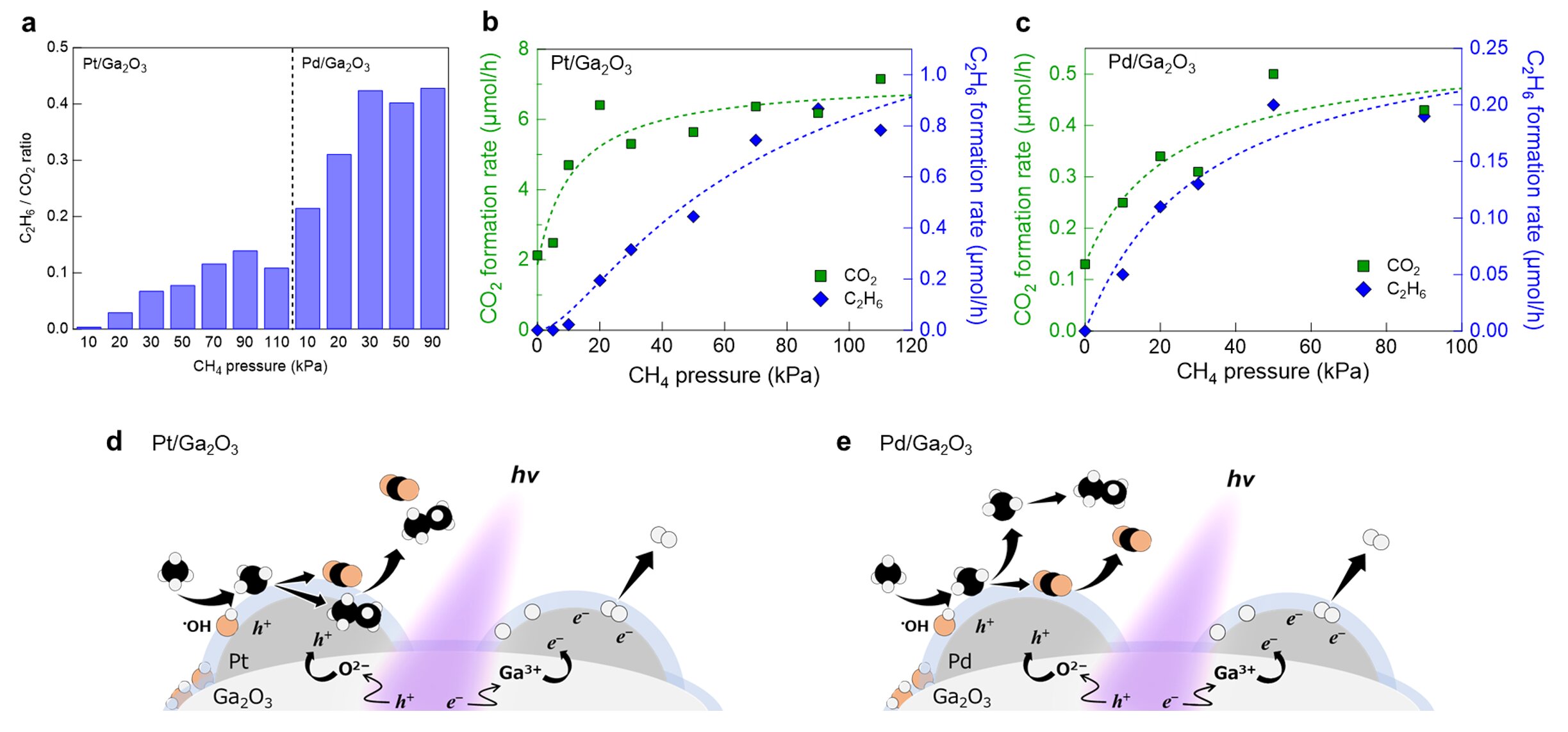
Researchers have discovered that metal cocatalysts loaded on a semiconductor photocatalyst play a crucial role in modulating surface oxidation kinetics and selectivity in the photocatalytic conversion of methane with water. The study found that platinum (Pt) cocatalysts predominantly promote the total oxidation of methane to carbon dioxide (CO2), while palladium (Pd) cocatalysts exhibit a higher selectivity for ethane (C2H6) formation. The research also revealed that metal cocatalysts act as reservoirs of photogenerated holes and effective reaction sites for methane oxidation. This new understanding challenges the conventional assumption that metal cocatalysts only accumulate photogenerated electrons and promote reduction reactions, highlighting their potential for controlling non-thermal oxidation reactions and advancing green technology.