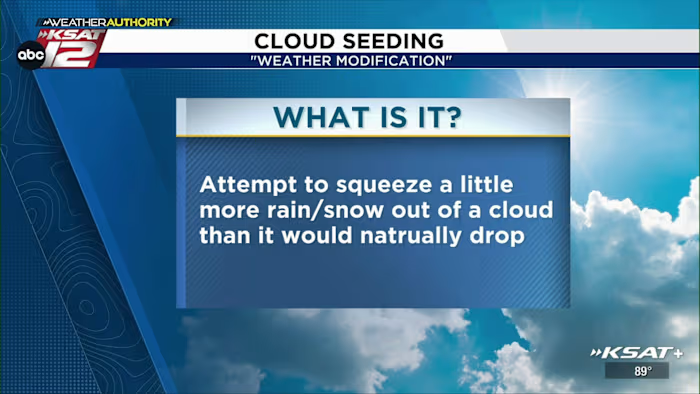
Cloud seeding did not cause the July 4 floods in Kerr County, Texas; it is a process that can slightly increase precipitation but cannot induce flooding, which depends on broader atmospheric conditions. Authorities and experts confirm that the extraordinary rainfall was natural and unrelated to cloud seeding activities.

NASA is conducting cloud creation experiments to study Earth's upper atmosphere by releasing harmless chemical compounds like Tri-methyl aluminum from high-altitude probes. These artificial clouds help scientists observe atmospheric currents and patterns, crucial for understanding atmospheric dynamics and space weather. The experiments are environmentally safe and transparent, aiming to advance knowledge of Earth's near-space environment, and are not related to weather manipulation or conspiracy theories.
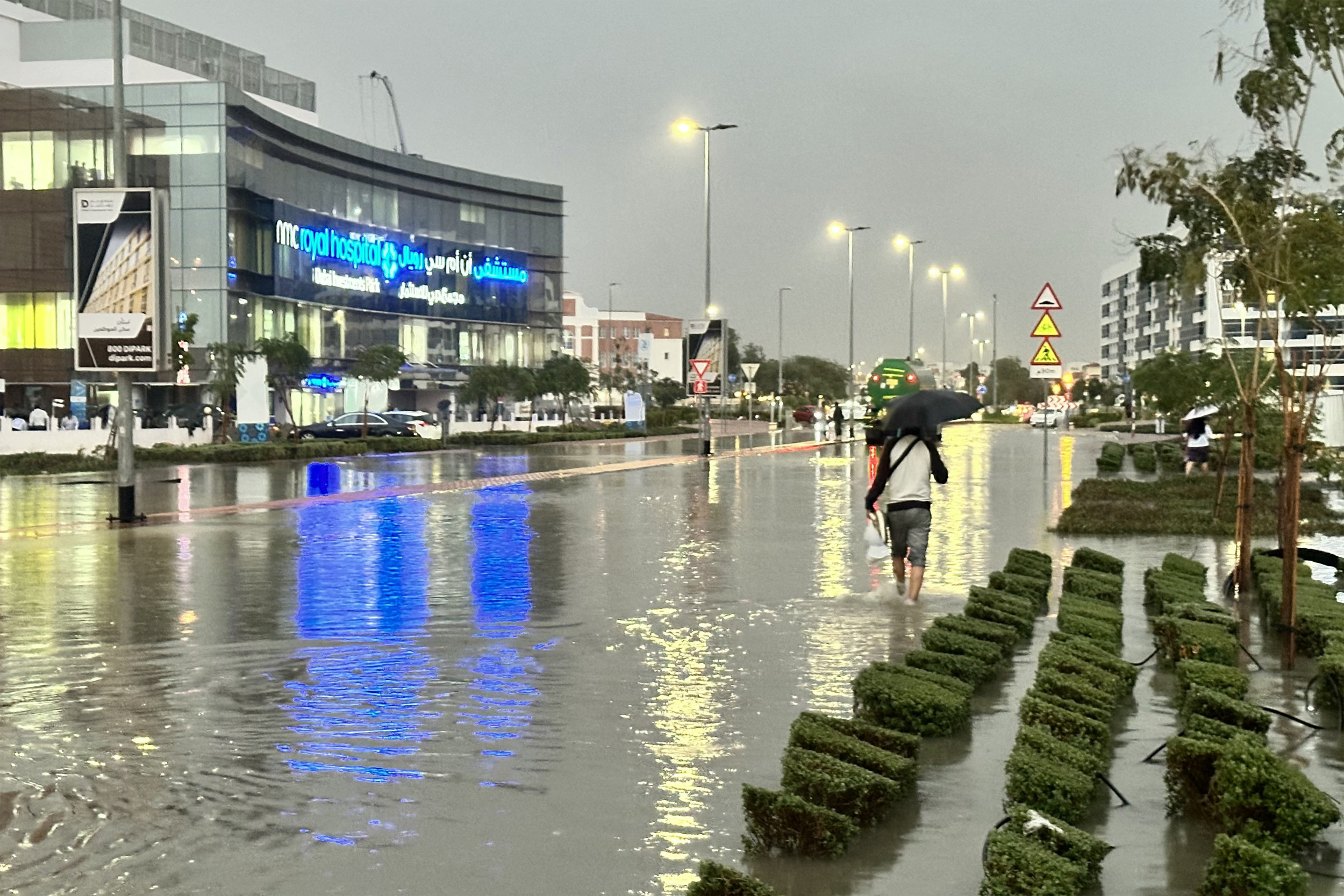
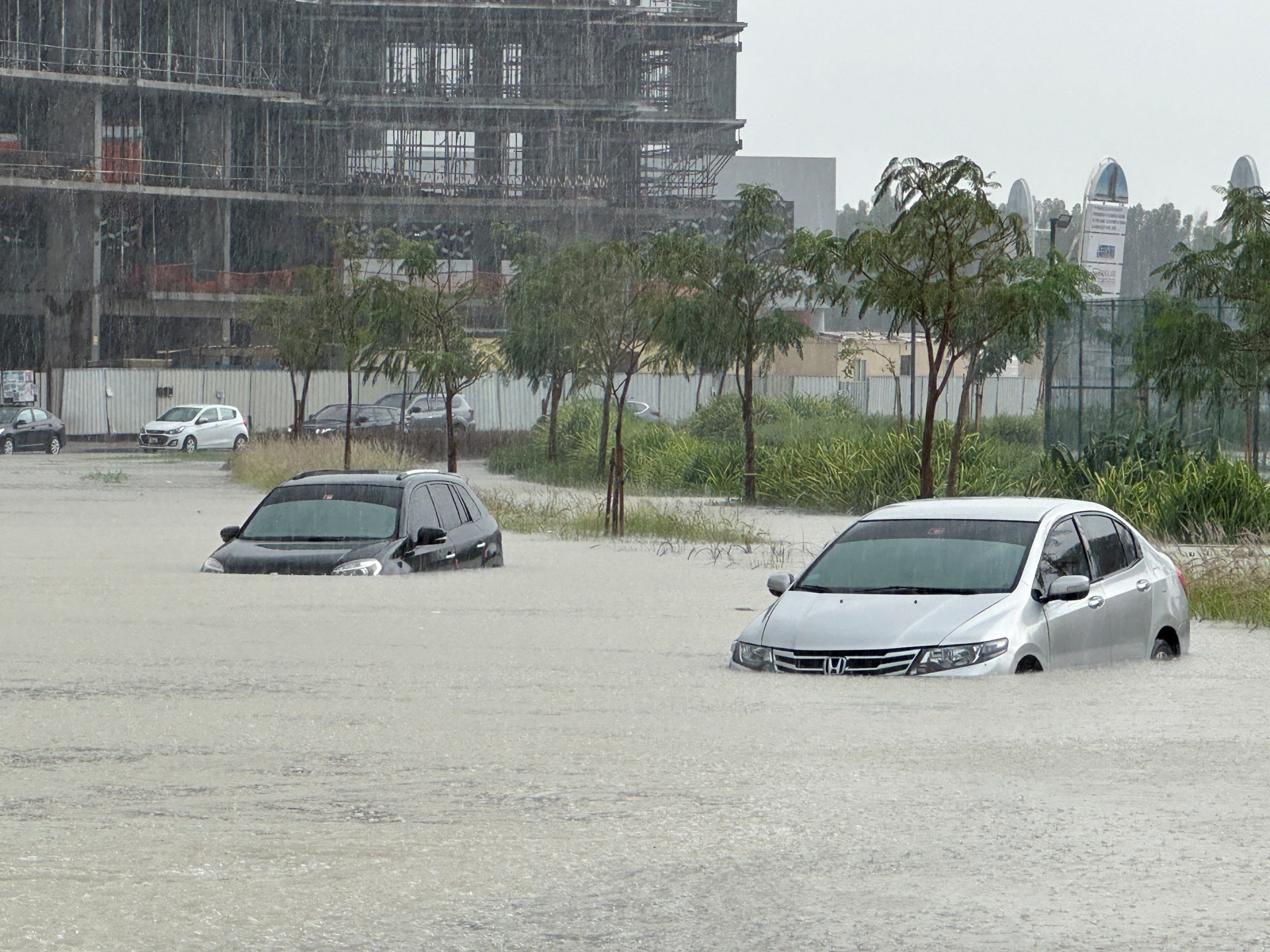
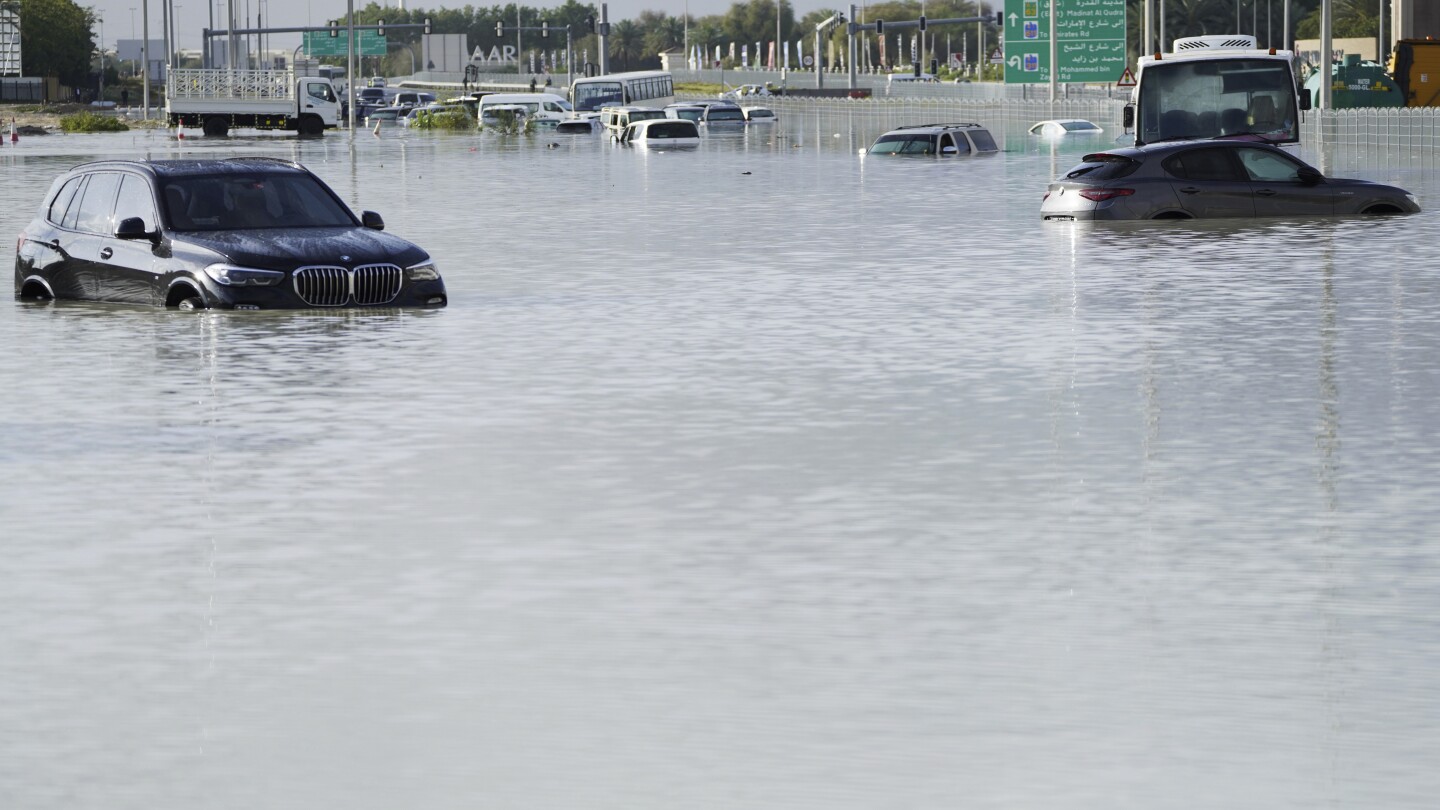
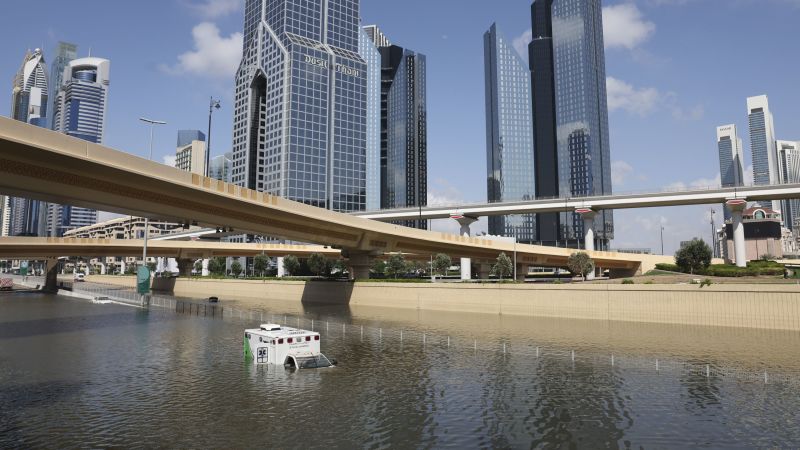
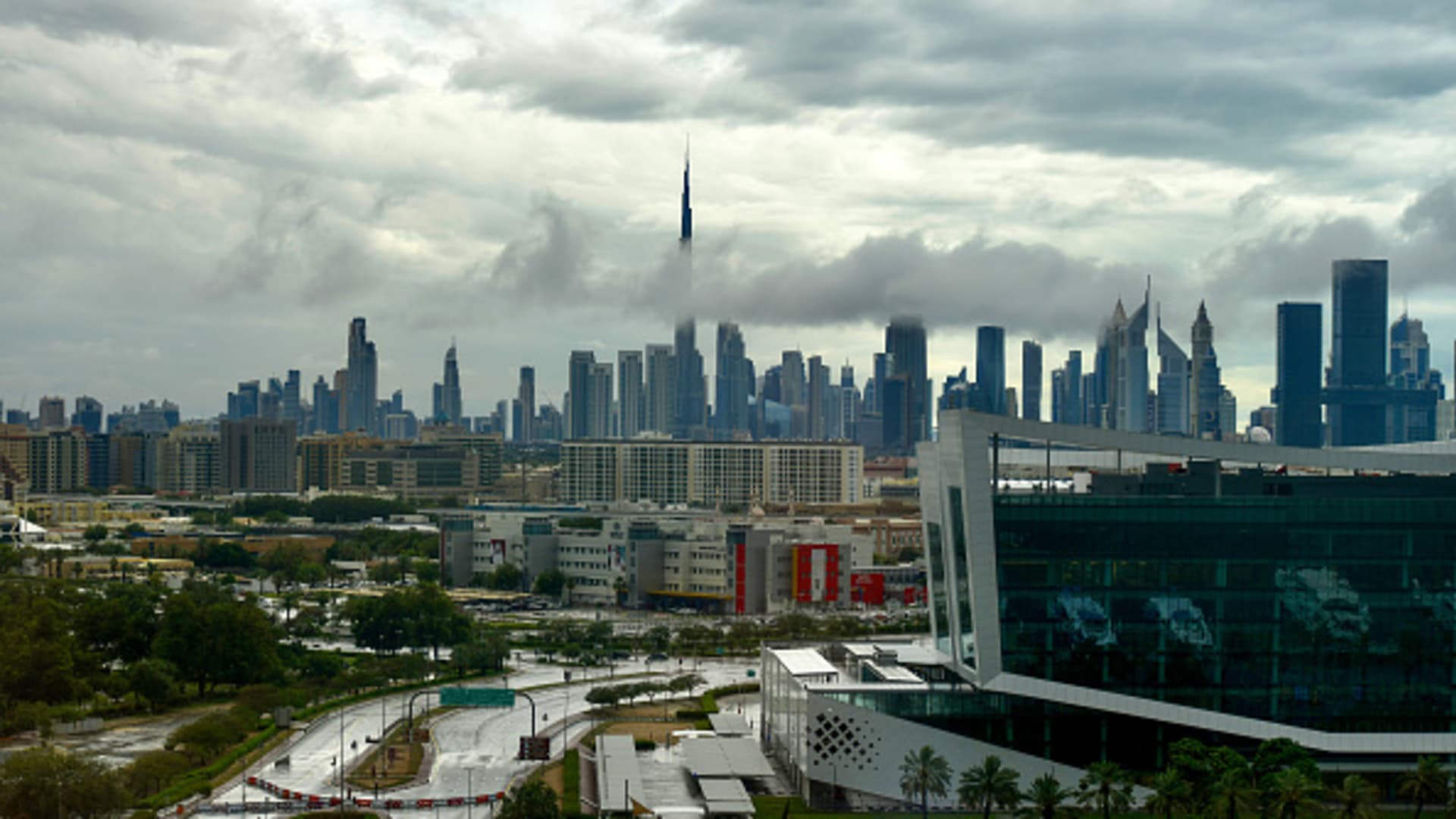
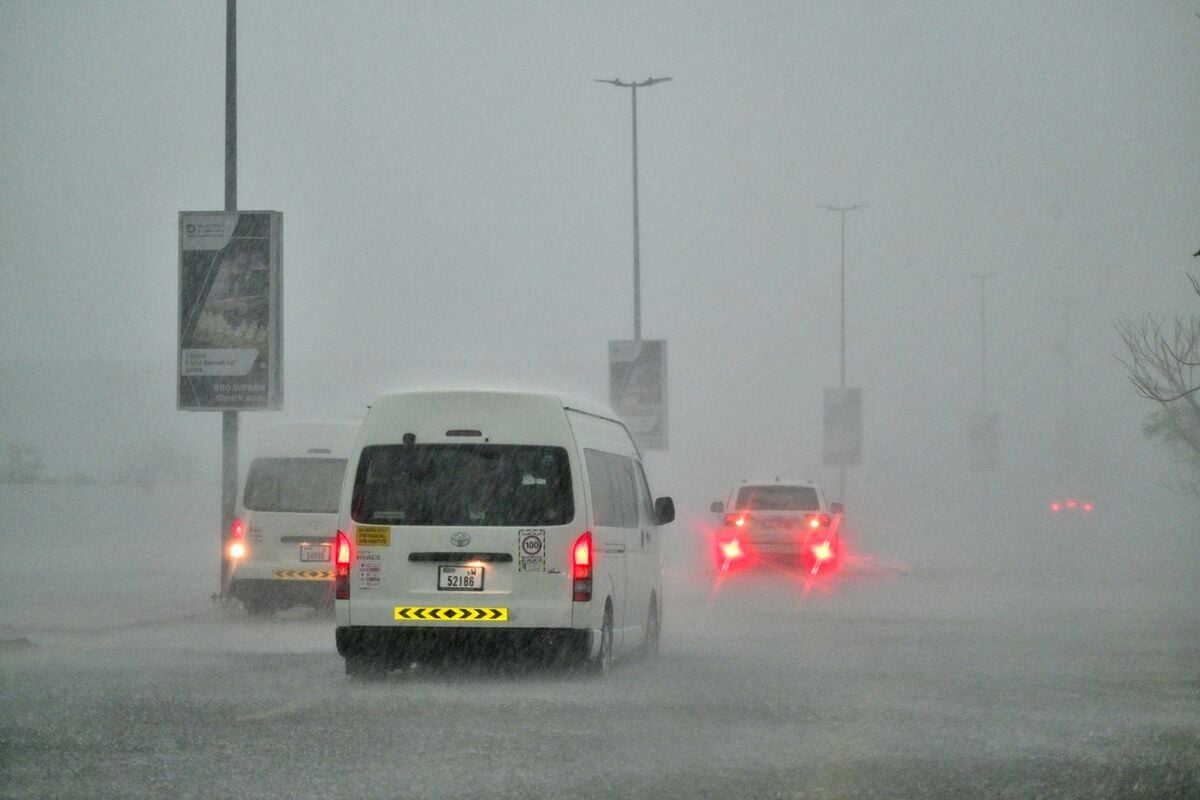
Dubai experienced historic levels of rain, leading to flooding and airport disruptions. While some speculated that cloud seeding may have played a role, experts believe that climate change and warmer temperatures were the primary factors. Cloud seeding is a technique used to enhance precipitation by introducing nuclei into the atmosphere, and its effectiveness varies by project. The UAE has been actively researching rain enhancement science to address water scarcity issues in dry regions.
A senior meteorologist warns of potential "weather wars" between countries if cloud seeding, a method of producing rain, gets out of hand, following extreme flooding in Dubai. The meteorologist believes that interfering with natural weather patterns could lead to unintended consequences and diplomatic instabilities, as well as ethical questions. While there is no evidence to suggest that the recent rains in Dubai were caused by cloud seeding, the expert emphasizes the need for caution in altering weather patterns, especially in the context of climate change making weather patterns more unpredictable.
Unprecedented rainfall and flooding in the UAE and Oman sparked speculation about cloud seeding, but experts attribute the extreme weather to climate change. The UAE experienced its heaviest rainfall on record, with authorities dismissing claims that cloud seeding caused the deluge. Climate scientists point to rising global temperatures as a factor in more intense weather events, while cloud seeding remains a controversial method for weather modification.
Meteorologists and climate scientists believe that the extreme rainfall in Dubai was not caused by cloud seeding, but rather by natural weather patterns and human-caused climate change. Cloud seeding, a controversial weather modification method, has been difficult to prove effective and is unlikely to produce the amount of rainfall seen in Dubai. While some governments invest in cloud seeding technology in hopes of increasing water supply, experts emphasize that it is not a significant factor in extreme weather events like the recent deluge in the United Arab Emirates.
Scientists have stated that the recent floods in Dubai were not caused by cloud seeding, despite speculation. The downpour was attributed to weather patterns predicted by meteorological models, with climate change likely contributing to more frequent and extreme precipitation in the region. The UAE National Center of Meteorology denied conducting cloud-seeding operations during the storm, and experts emphasized that the scale of rainfall exceeded what cloud seeding could produce. Climate scientists highlighted the role of warming global temperatures in producing heavier rainfall, indicating that any focus on cloud seeding in the floods is misleading.
The recent flooding in Dubai has raised questions about the effectiveness of the United Arab Emirates' cloud-seeding program. Cloud seeding is a weather modification technique that aims to enhance precipitation by introducing particles into clouds. However, there is limited evidence of its success, and determining its impact on precipitation is challenging. As the world grapples with the effects of climate change, cloud seeding could potentially exacerbate water distribution issues. The recent flooding in the region was primarily driven by a large, slow-moving storm, regardless of whether cloud seeding occurred, and such extreme rainfall events are expected to become more frequent due to a warming atmosphere.
After heavy rainfall and flooding in Dubai, some have blamed the UAE's cloud seeding operations for the extreme weather, but experts say it's unlikely that cloud seeding caused the floods. Cloud seeding, a weather modification technique, involves implanting particles in clouds to trigger precipitation, and its effectiveness remains inconclusive. Concerns about cloud seeding include potential impacts on regional rainfall patterns and health concerns about the chemicals used. Experts emphasize that climate change is a major factor in extreme weather events, and human activities that contribute to greenhouse gas emissions are a more significant concern than cloud seeding.
The National Center of Meteorology in the UAE has denied conducting cloud seeding operations before heavy storms hit the country, leading to flooding in places like Dubai. The organization stated that it did not dispatch pilots for seeding operations before or during the storm, emphasizing that cloud seeding should target clouds in their early stage before rainfall. The UAE has experienced a rise in rainfall in recent years, attributed to climate change, and the infrastructure struggled to cope with the unprecedented downpours, resulting in flooded roads and airports.
Heavy rains in Dubai and the United Arab Emirates led to flight cancellations, school closures, and traffic disruptions, with widespread flooding caused by cloud seeding operations aimed at addressing water security issues.
The United Arab Emirates is leading the way in combating desertification and water scarcity by investing in green technology, including cloud seeding to enhance rainfall in the arid region. With approximately 80% of its land being desert, the country is making significant efforts to turn its arid landscapes green, despite receiving less than 200 mm of rainfall annually. This transformation is crucial in a region where 12 of the 17 most "water-stressed" countries are located, and the UAE's investments in cloud seeding research are a key part of this initiative.
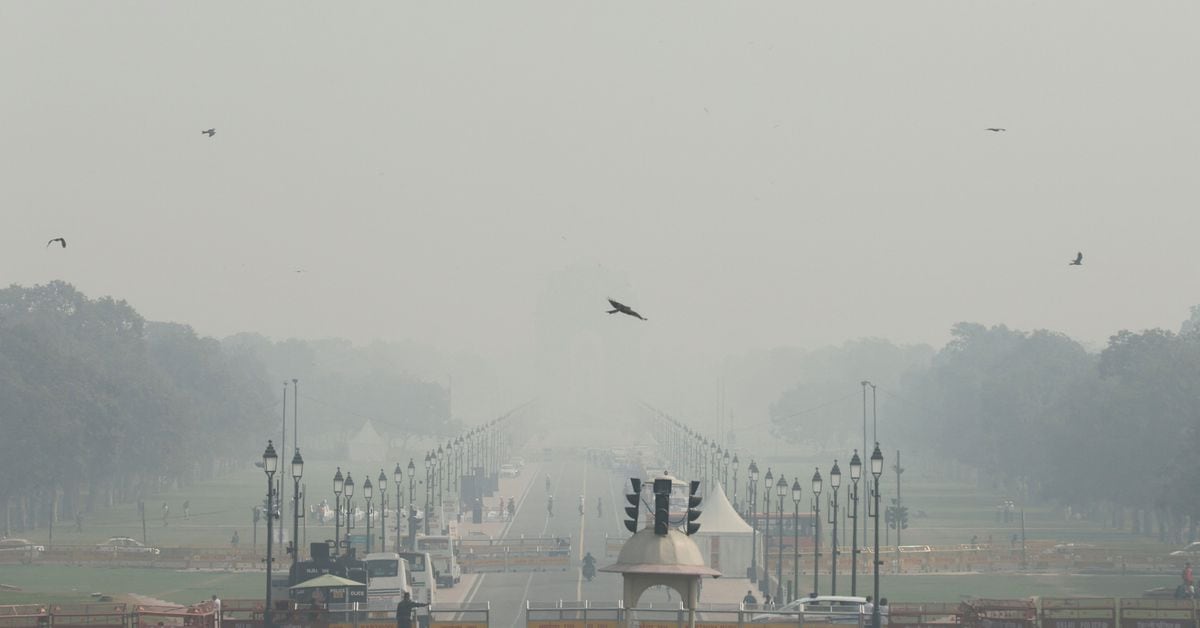
Indian scientists are planning to seed clouds in an attempt to trigger heavy rain and alleviate the severe smog and air pollution in New Delhi, the world's most polluted capital. The project, estimated to cost $120,000, involves spraying a mix of salts, including silver iodine, into clouds to encourage rainfall. The local government has already implemented measures such as school closures and restrictions on vehicle use to combat pollution. The air quality index in Delhi is currently categorized as "hazardous." The scientists hope that the cloud seeding will result in heavy and widespread rain to wash away pollutants, but light rain could worsen the situation.
Malaysia is preparing to seed clouds in an attempt to make rain and considering closing schools as air quality worsens due to forest fires in neighboring Indonesia. The country experiences haze every dry season from fires used to clear land for palm oil and pulp and paper plantations. The Department of Environment reported unhealthy air pollution index readings in 11 areas, particularly in the western part of Peninsular Malaysia. Efforts to clear the air with rain and other measures will be implemented when API readings exceed 150 for more than 24 hours. Environmental group Greenpeace called for legislation to hold plantation companies accountable for causing air pollution.
Mexico is using cloud seeding, a controversial technology, to combat the effects of an extreme drought that has led to crop losses, water scarcity, and higher food prices. Cloud seeding involves injecting particles into clouds to stimulate rainfall. While Mexico claims success with its current cloud seeding project, many scientists remain skeptical about its effectiveness and warn that it is not a solution to drought. The country's Ministry of Agriculture and Rural Development did not respond to criticisms. Some experts advocate for exploring less expensive and high-tech methods to protect water resources, as cloud seeding should be considered only as part of a broader strategy.