businessenvironment1.525 min read
Norfolk Southern Settles for $310M Over Ohio Train Derailment
1 year ago•Source: Newser

The latest businessenvironment stories, summarized by AI
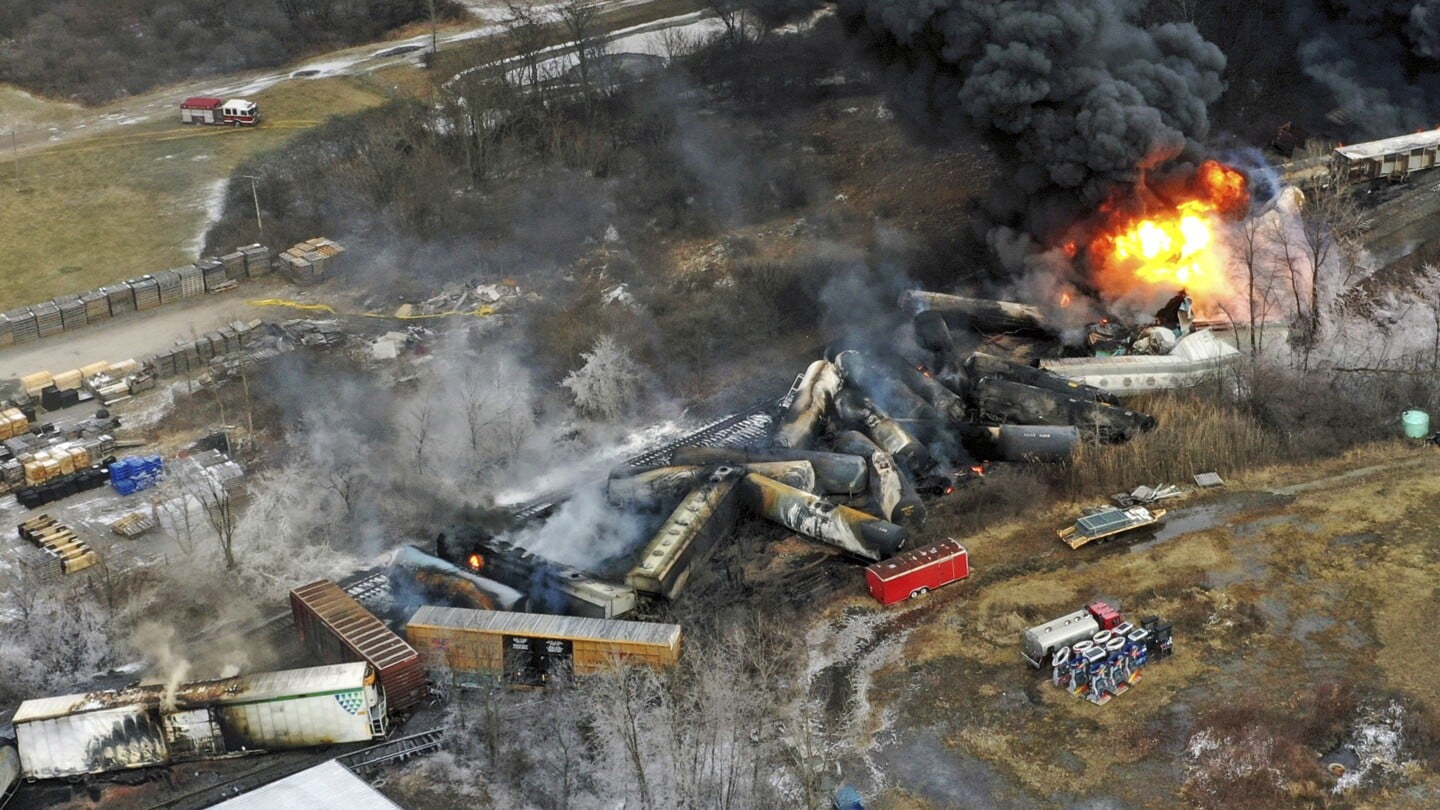
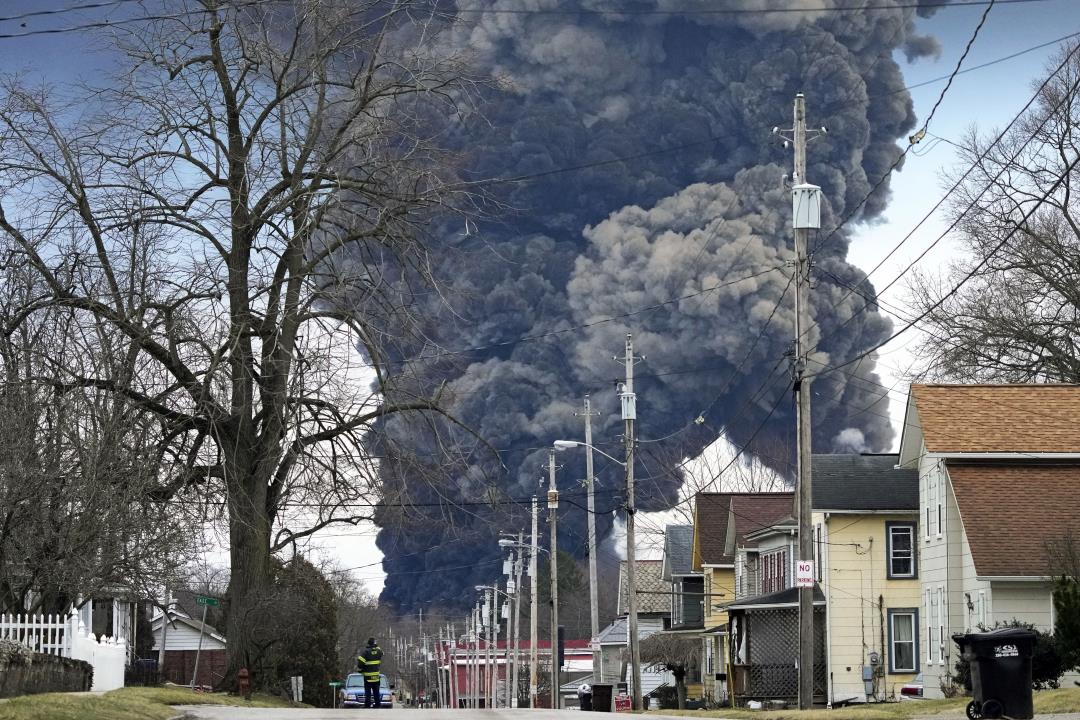
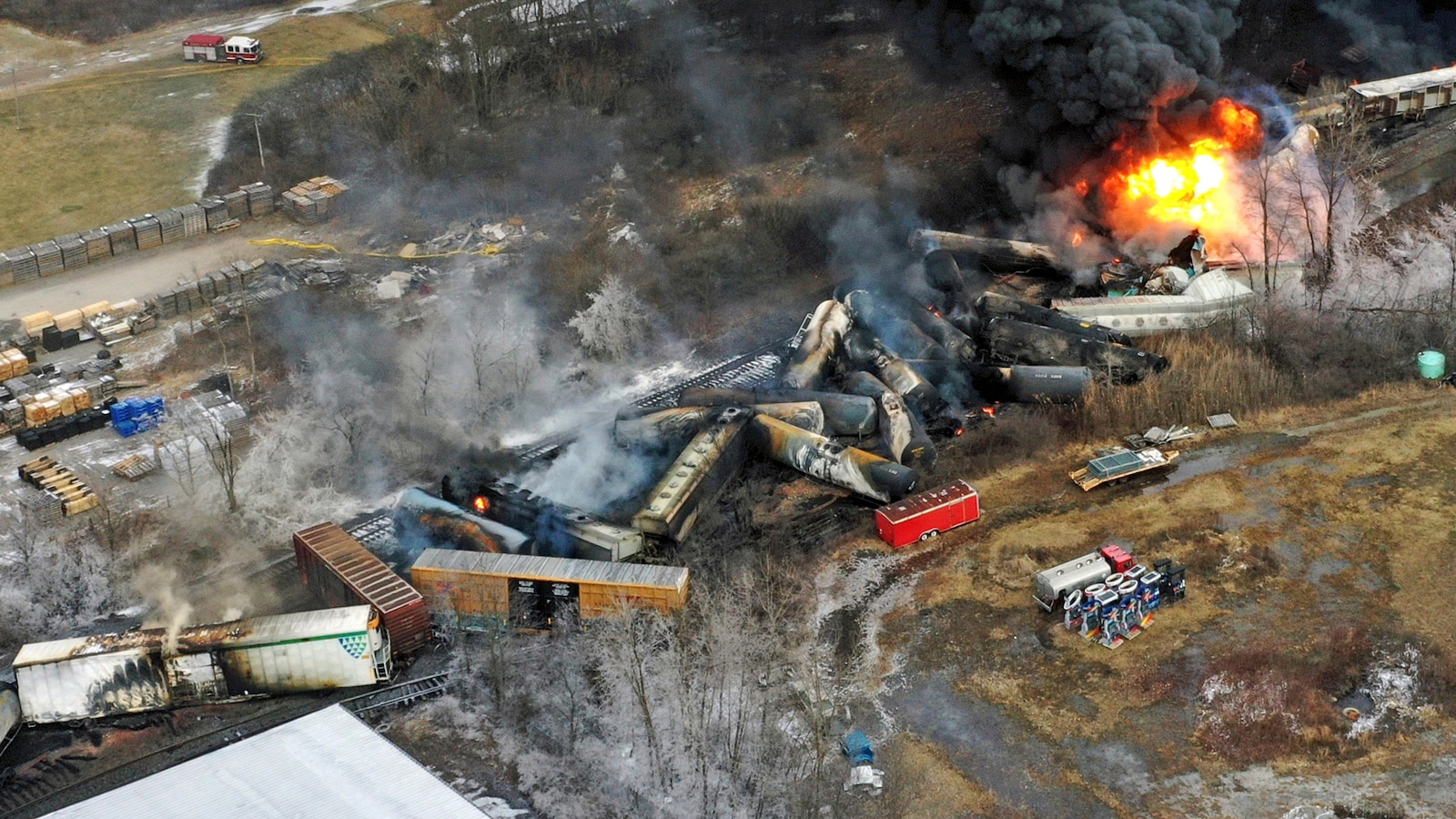
Norfolk Southern will pay a $15 million fine and over $500 million for safety improvements and community health concerns as part of a federal settlement over last year's derailment in East Palestine, Ohio. Residents feel the settlement is insufficient, given the company's profits and the CEO's compensation. The agreement includes funds for cleanup, health exams, and water monitoring, but does not address potential long-term health issues. The settlement precedes the National Transportation Safety Board's report on the derailment's cause, expected in June.
Fox News•1 year ago

The European Deforestation Regulation (EUDR) aims to reshape the global coffee trade by prohibiting products linked to deforestation, impacting coffee producers worldwide. While the EUDR could reduce carbon emissions, small farmers face challenges in meeting the stringent requirements, with concerns raised in countries like Vietnam, Brazil, Peru, and Ethiopia. Small farmers must adapt to more sustainable practices and provide traceable data to comply with the new laws, posing potential winners and losers in the coffee industry.
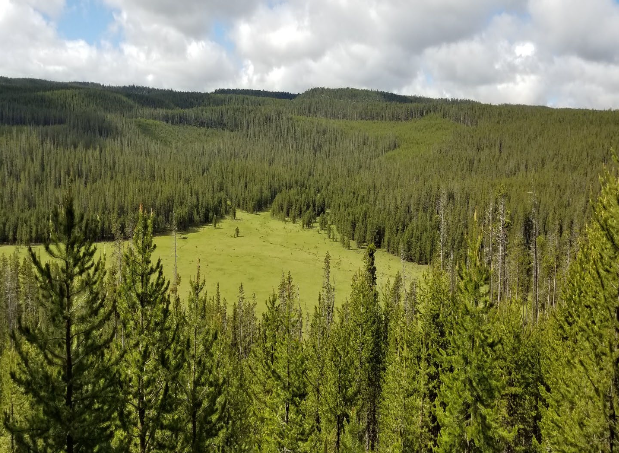
Two timber mills in western Montana recently announced closures, citing reasons such as labor shortages, lack of housing, rising costs, and outdated technology. The closures are primarily attributed to the cost of living in Montana, a deficient labor pool, and newer, more efficient technology, dispelling the industry's past accusations of environmentalists and lack of logs. Despite the paradox of needing to log forests for their health, forests play a crucial role in sequestering carbon emissions, and policy on national forests should be based on truth and science rather than demonizing opposition to logging old growth forests.
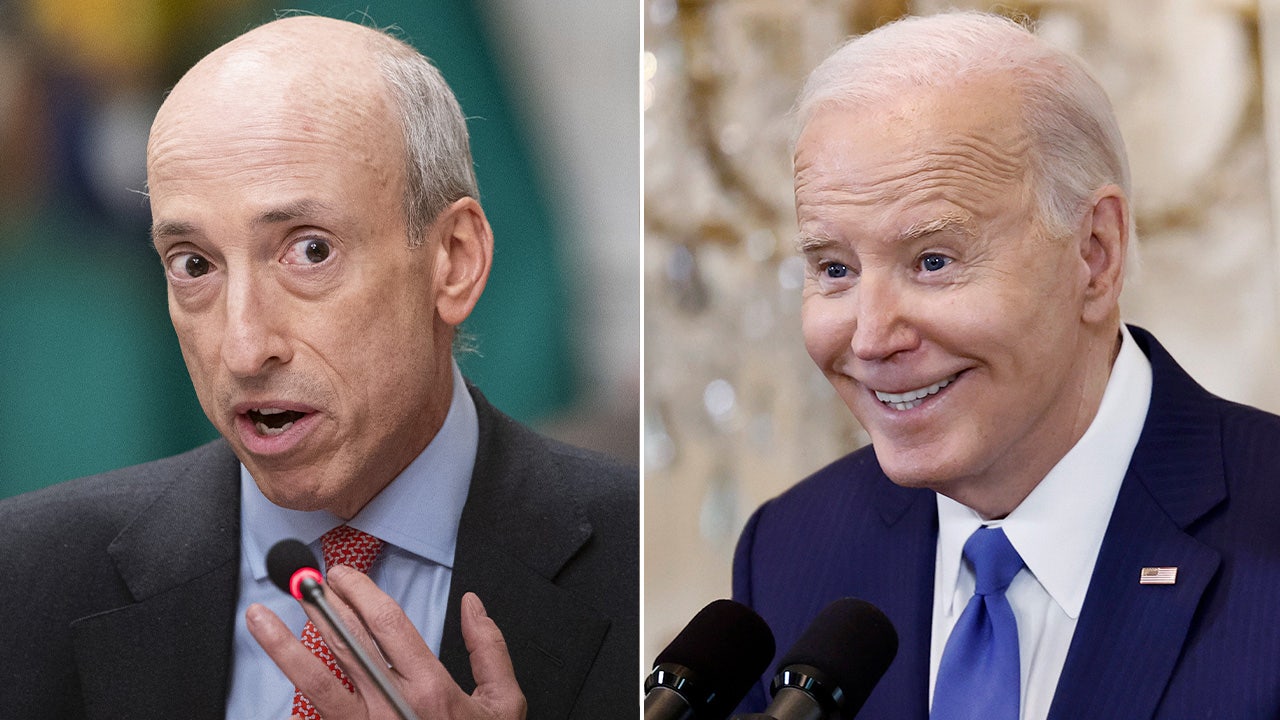
A federal appeals court has halted the Securities and Exchange Commission's (SEC) climate disclosure rule, which would require private companies to publicly disclose their carbon emissions and climate change risks. The ruling came in response to petitions from energy companies, states, and business groups, who argue that the rule represents government overreach and would harm the economy. The SEC's approval of the rule, under the leadership of Chairman Gary Gensler appointed by President Biden, has faced criticism from business groups and Republican lawmakers, leading to legal challenges and heated debates over the authority and impact of the rule on capital markets.
Rivian halts $5 billion Georgia factory construction due to local opposition, while Tesla's German gigafactory faces sabotage from activists concerned about water pollution. Similar resistance has been seen in Quebec and Hungary against EV-related manufacturing projects, highlighting the environmental impact of EV production and the need to balance the transition to low-carbon fuels with potential negative outcomes.
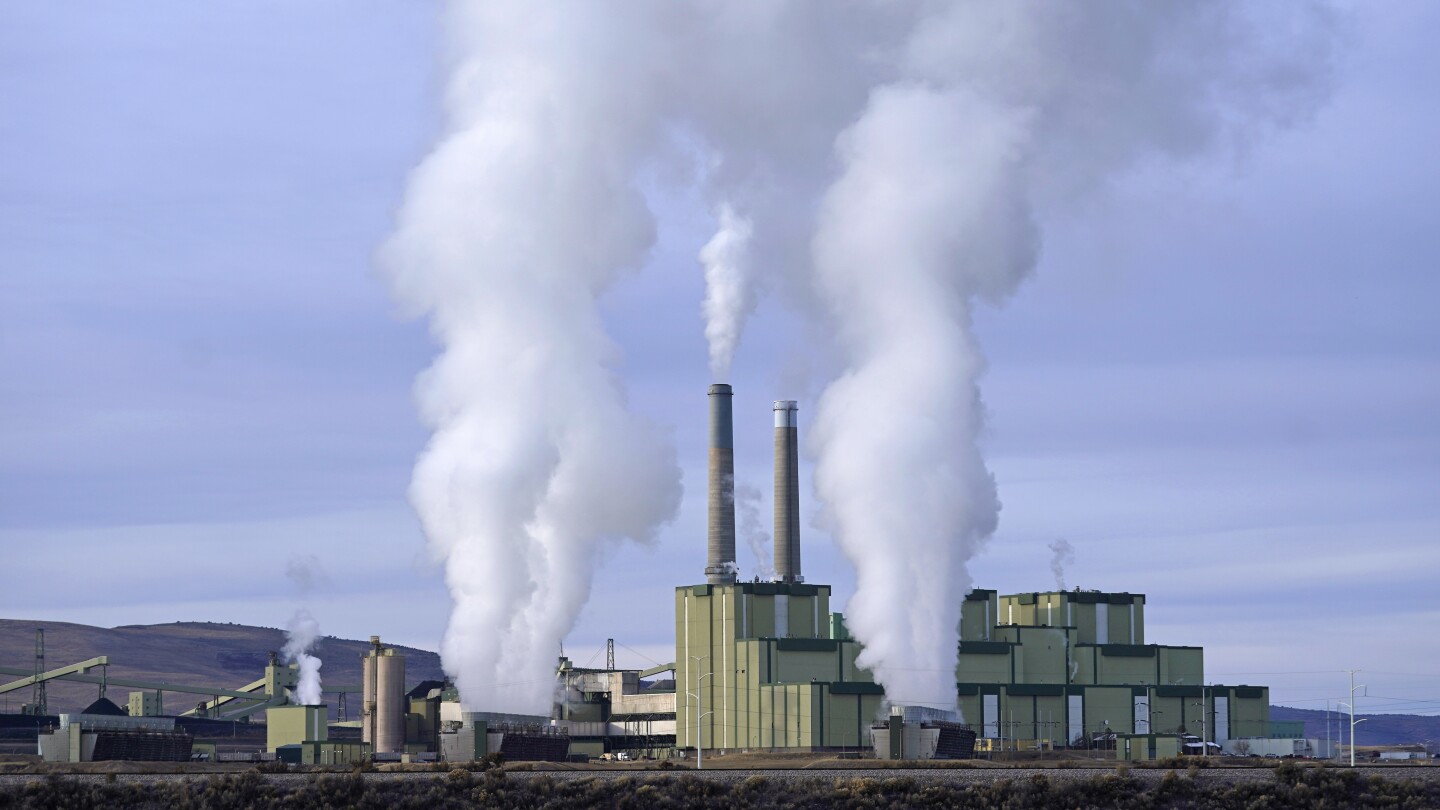
The U.S. Securities and Exchange Commission approved a rule requiring some public companies to report their greenhouse gas emissions and climate risks, but faced legal challenges and criticism for weakening the directive in response to corporate lobbying. The rule, passed 3-2, does not require reporting of some indirect emissions known as Scope 3 and reduces reporting requirements for other emissions. The decision has sparked legal challenges and criticism from both sides, with environmental groups advocating for more disclosure and companies arguing that quantifying such emissions would be difficult. The rule will affect publicly traded companies in the U.S. and foreign companies with business in the U.S., with the largest companies required to start reporting emissions for fiscal year 2026.
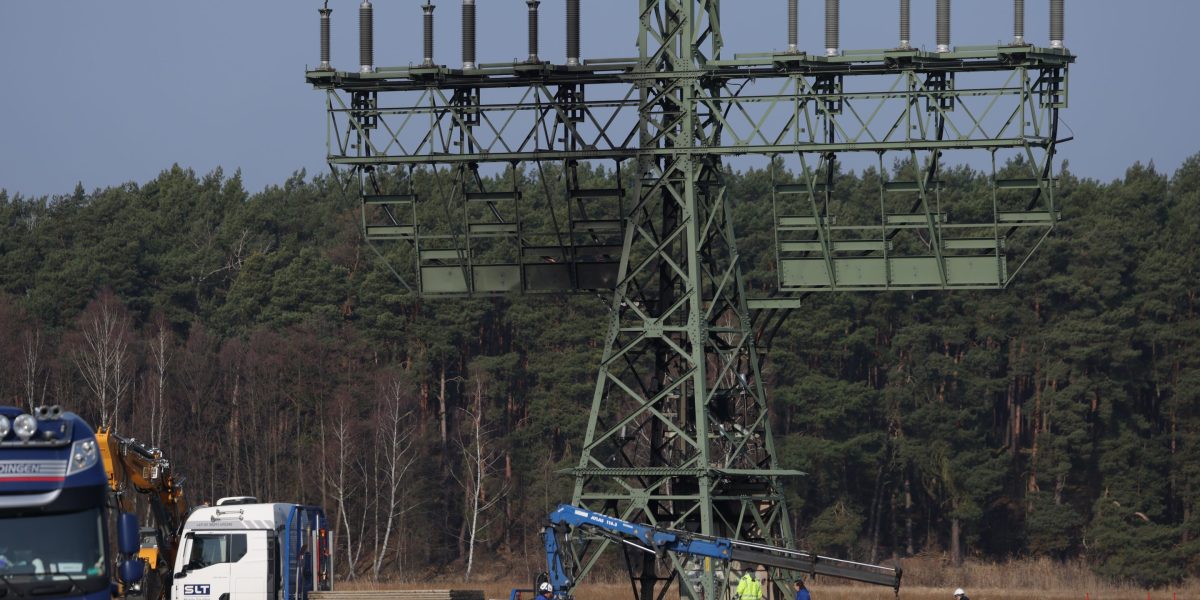
A far-left group known as the "Volcano Group" has claimed responsibility for the suspected arson attack that shut down the Tesla Gigafactory near Berlin, citing environmental and labor concerns as motivations. The attack, which cut power to the facility, has halted production and is expected to result in significant losses for Tesla. The group's 2,500-word letter accuses the factory of environmental damage and resource consumption, echoing concerns raised by local officials and activists. German police believe the authenticity of the group's claim, and this incident adds to previous opposition and hurdles faced by the Tesla factory's expansion plans in the region.
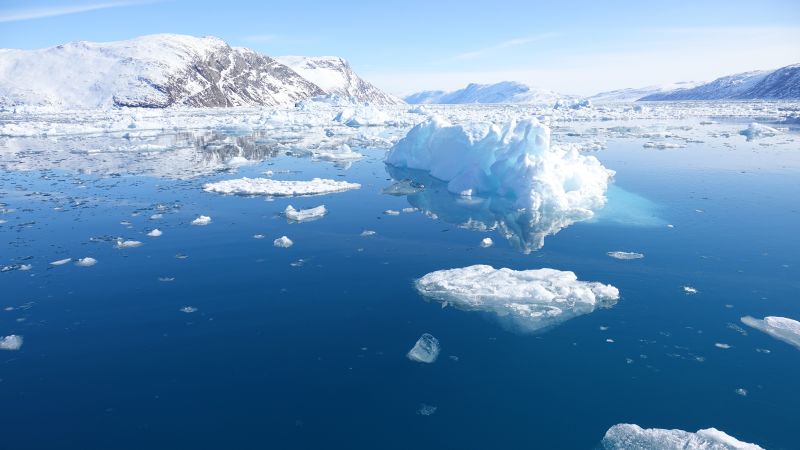
Arctic Ice, a startup founded in 2022 by two Greenlanders, is shipping ancient Arctic ice from Greenland to Dubai for sale to high-end bars and restaurants. The company claims to be offering a novel way to harness a natural resource and raise awareness of the Arctic, but it has attracted controversy due to the environmental impact of shipping a diminishing natural resource halfway across the world. Critics argue that it's wasteful to ship ice thousands of miles on fossil fuel-powered ships when Dubai already makes its own ice. The company faces backlash on social media and has received criticism for its operations, but it also has supporters who appreciate the aesthetic and story of the ice.
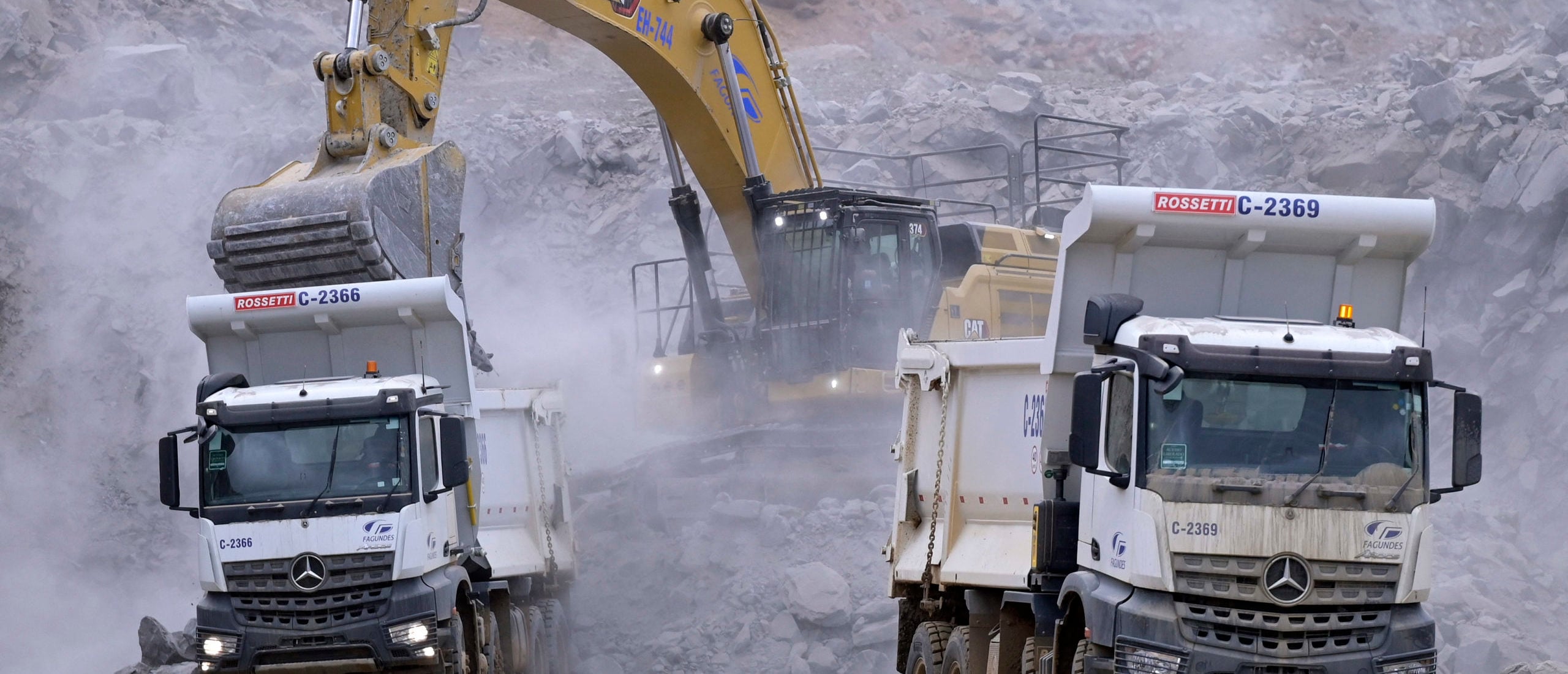
The slowdown in electric vehicle (EV) demand has caused a surplus of rare earth minerals, leading to mines shutting down worldwide. Producers had ramped up mining operations to meet the expected demand, but consumers have not adopted EVs at the anticipated rate, causing mineral prices to plummet. This has particularly impacted the Australian mining industry, with the government designating nickel as a critical mineral to support struggling companies. The U.S. is seeking to subsidize projects outside of China to secure access to rare earth minerals, with the Biden administration including provisions in EV tax credits to ensure a percentage of minerals are not from concerning foreign entities like China.
JPMorgan Chase has decided to withdraw from the Climate Action 100+ investor group, citing the expansion of its in-house sustainability team and climate risk framework. The group, formed to combat global warming, has faced criticism from Republican states and lawmakers who argue that such alliances may infringe on government policymaking and harm domestic energy companies. JPMorgan Chase's departure comes amid increasing pressure on financial institutions over their environmental, social, and governance priorities.

The popularity of lab-grown diamonds is on the rise, with many consumers opting for them due to ethical and sustainability concerns. However, the sustainability claims of lab-grown diamonds are being questioned, as the energy-intensive process of creating them raises environmental concerns. While some companies are transparent about their sustainable practices, many others are not, leading to uncertainty about the true environmental impact of lab-grown diamonds. The growing market for lab-grown diamonds has sparked a marketing battle with the traditional mined diamond industry, with differing views on their long-term value and appeal.