environment-technology5.095 min read
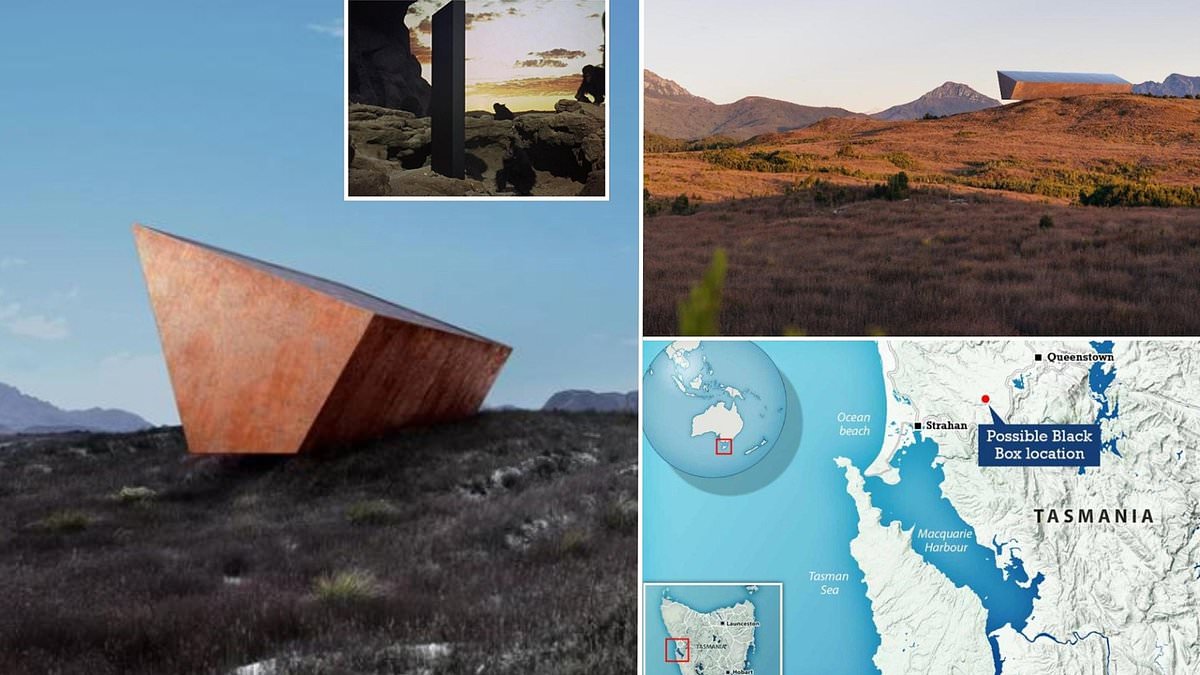
"32ft Steel Monolith in Tasmania to Serve as Earth's Black Box Filled with Documented Data"
1 year ago•Source: Daily Mail

The latest environment technology stories, summarized by AI

Keurig plans to address its single-serve coffee waste issue by introducing 100% compostable coffee pods called K-Rounds, which contain no plastic or aluminum and are wrapped in a thin cellulose coating. The new pods will require the use of the Keurig Alta machine, designed specifically for brewing eco-friendly pods, and are set to enter beta testing this year with a potential consumer release in 2025. The K-Rounds will be available in various sizes and grinds to brew espresso, regular coffee, and iced coffee drinks, and will be marked with a code for the brewer to determine the proper extraction profile and pressure for optimal flavor.

The Guardian•2 years ago
The Washington Post•2 years ago

Greenpeace CTO Priscilla Chomba-Kinywa emphasizes the urgent need for the tech industry to prioritize environmental care, citing the climate crisis and the detrimental impact of current platforms. She urges investment in green, ethical, and value-based alternatives, applauds companies taking action, and stresses the importance of data-driven pressure to drive change. Additionally, she advocates for collaboration with affected communities and emphasizes the need to consider the environmental cost of AI in discussions about its potential benefits.
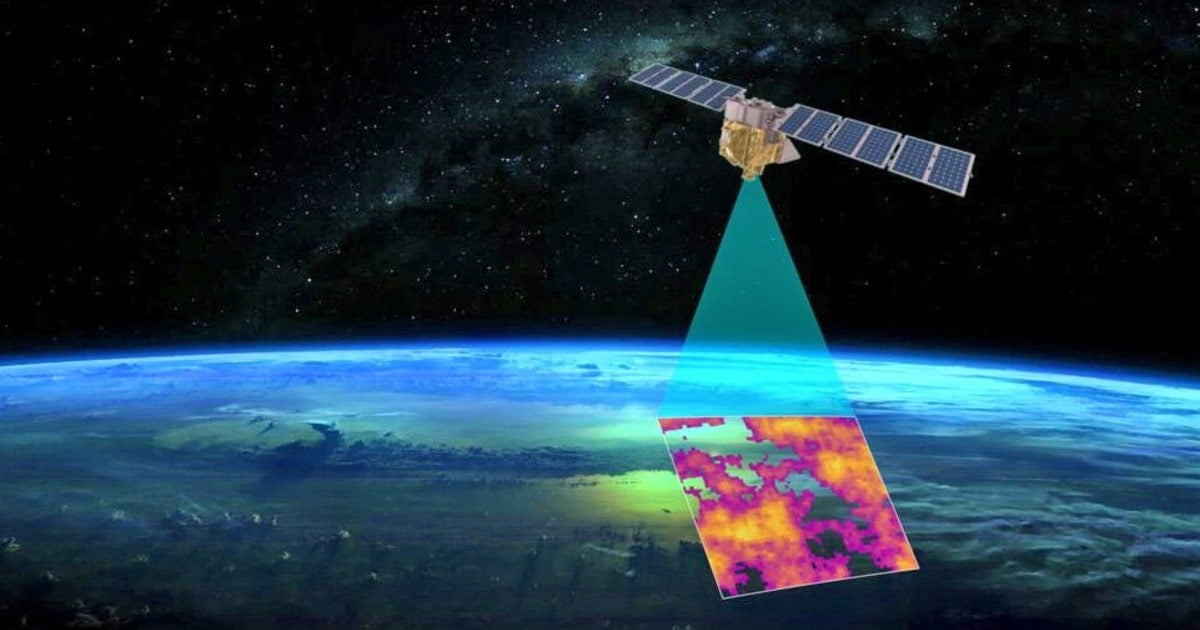
Google partners with Environmental Defense Fund to launch MethaneSAT, a satellite to detect methane emissions from oil and gas operations. The data will be processed using Google Cloud and overlaid on a map of oil and gas infrastructure created using artificial intelligence. The information will be available through Google Earth Engine later this year, aiding energy companies, researchers, and the public sector in mitigating methane emissions. This initiative comes as governments and major oil and gas operators pledge to reduce methane leaks, with the United States proposing mandatory measures to address the issue.
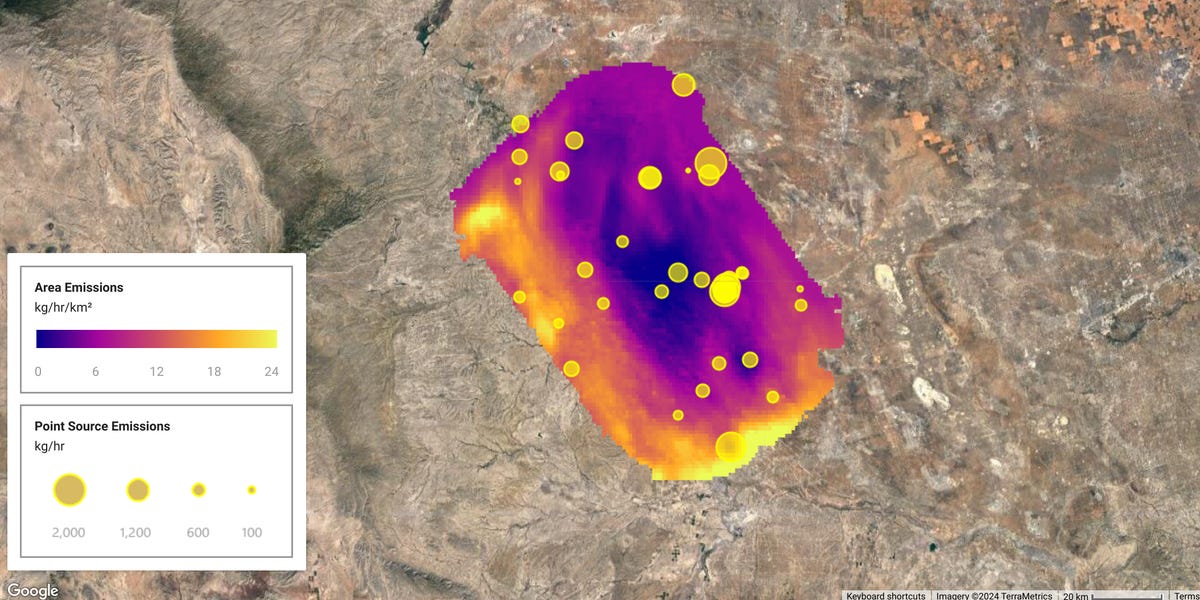
Google is partnering with the Environmental Defense Fund to launch a satellite called MethaneSAT, which will use satellite data and AI technology to map methane emissions from oil, gas, and coal operations around the world. Methane is a potent greenhouse gas responsible for nearly a third of global warming, and the initiative aims to provide real-time tracking of methane leaks, with the data being made available to the public later this year. This comes as countries and oil and gas companies pledge to drastically reduce methane emissions by 2030 to tackle the climate crisis.
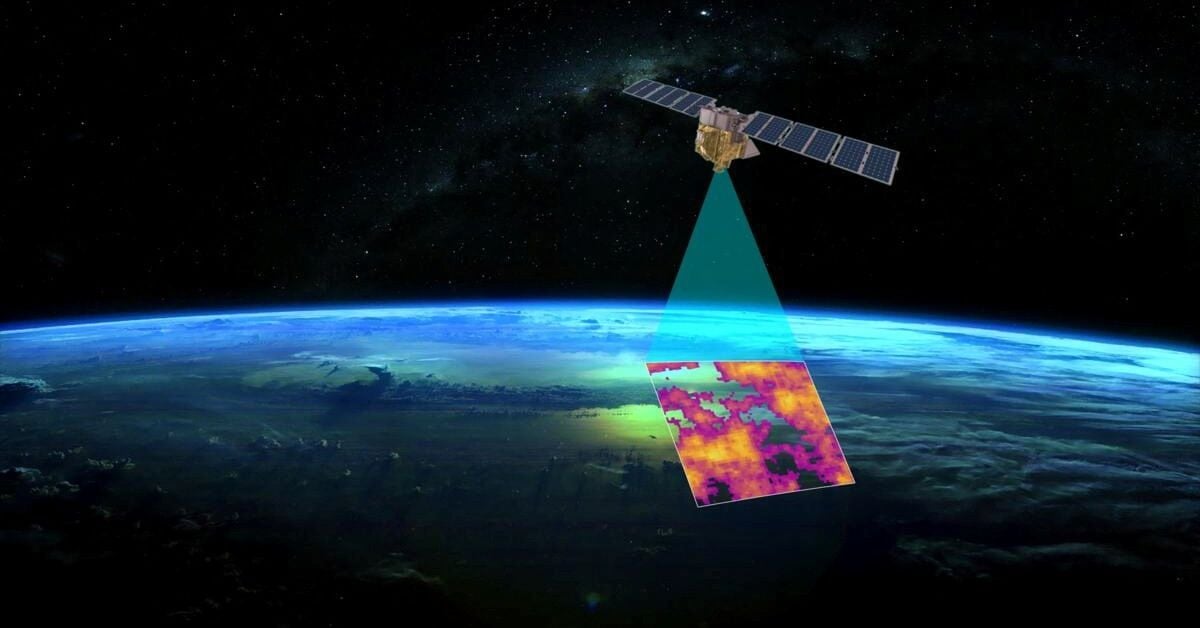
Google and the Environmental Defense Fund have announced a partnership to use AI and a new satellite, MethaneSAT, to detect and expose sources of methane emissions from oil and gas operations. The satellite, launching next month, will monitor methane emissions globally and its data will be processed using Google Cloud. The information will be made available through Google Earth Engine, providing valuable insights for energy companies, researchers, and the public sector to anticipate and mitigate methane emissions. This initiative comes as governments are taking steps to reduce methane leaks, with the United States proposing mandatory measures to address the issue.
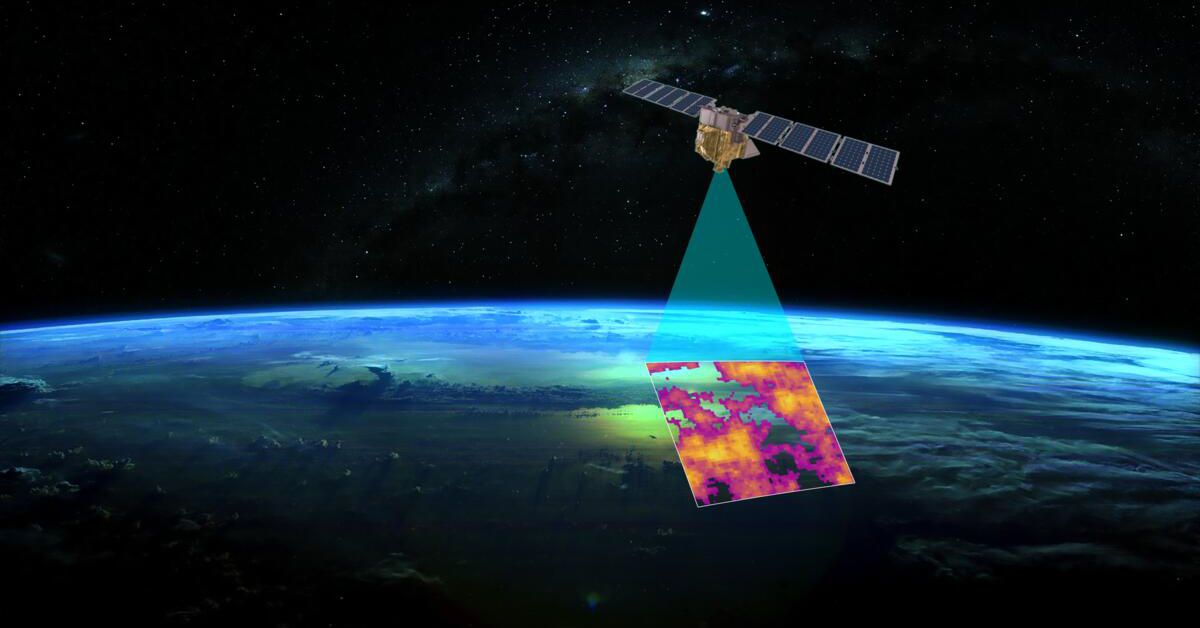
Google has partnered with the Environmental Defense Fund to map methane pollution and oil and gas infrastructure from space using AI and satellite technology. The initiative aims to pinpoint methane emissions and prevent leaks, as methane is a potent greenhouse gas. EDF's MethaneSAT satellite, launching next month, will track methane emissions globally, while Google's AI will map oil and gas infrastructure. The data will be publicly available to researchers and policymakers to help mitigate methane pollution and its impact on climate change.
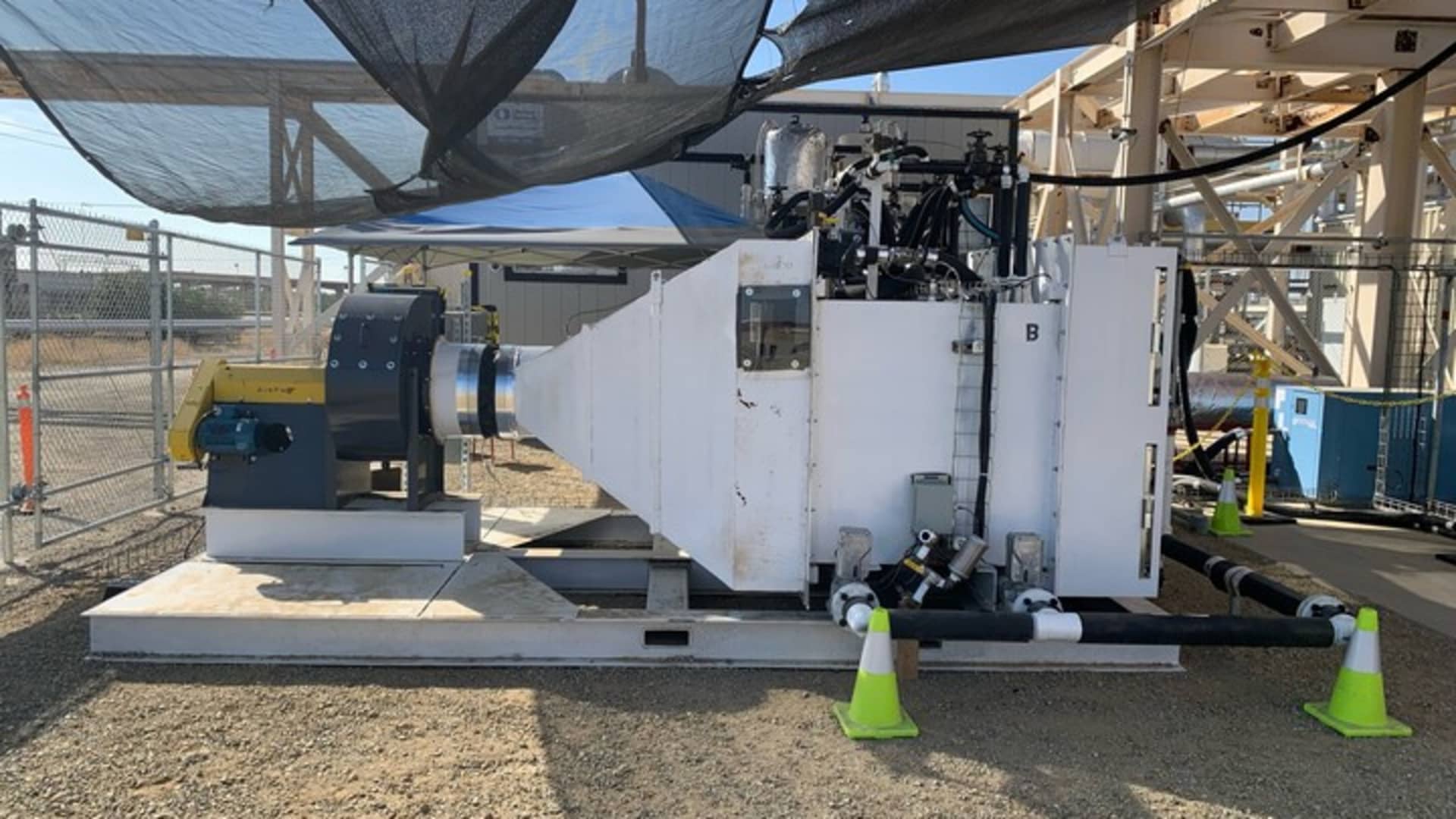
Avnos, a California-based startup, is pioneering a more efficient and sustainable approach to direct air capture, removing carbon dioxide from the atmosphere while producing water as a byproduct. Backed by JetBlue Ventures and other investors, the company's innovative "hybrid direct air capture" technology has the potential to not only mitigate climate change but also generate revenue by selling the water it produces. This approach aligns with the broader push for decarbonization and sustainable aviation fuel, making it an attractive investment for companies seeking to reduce their carbon footprint.