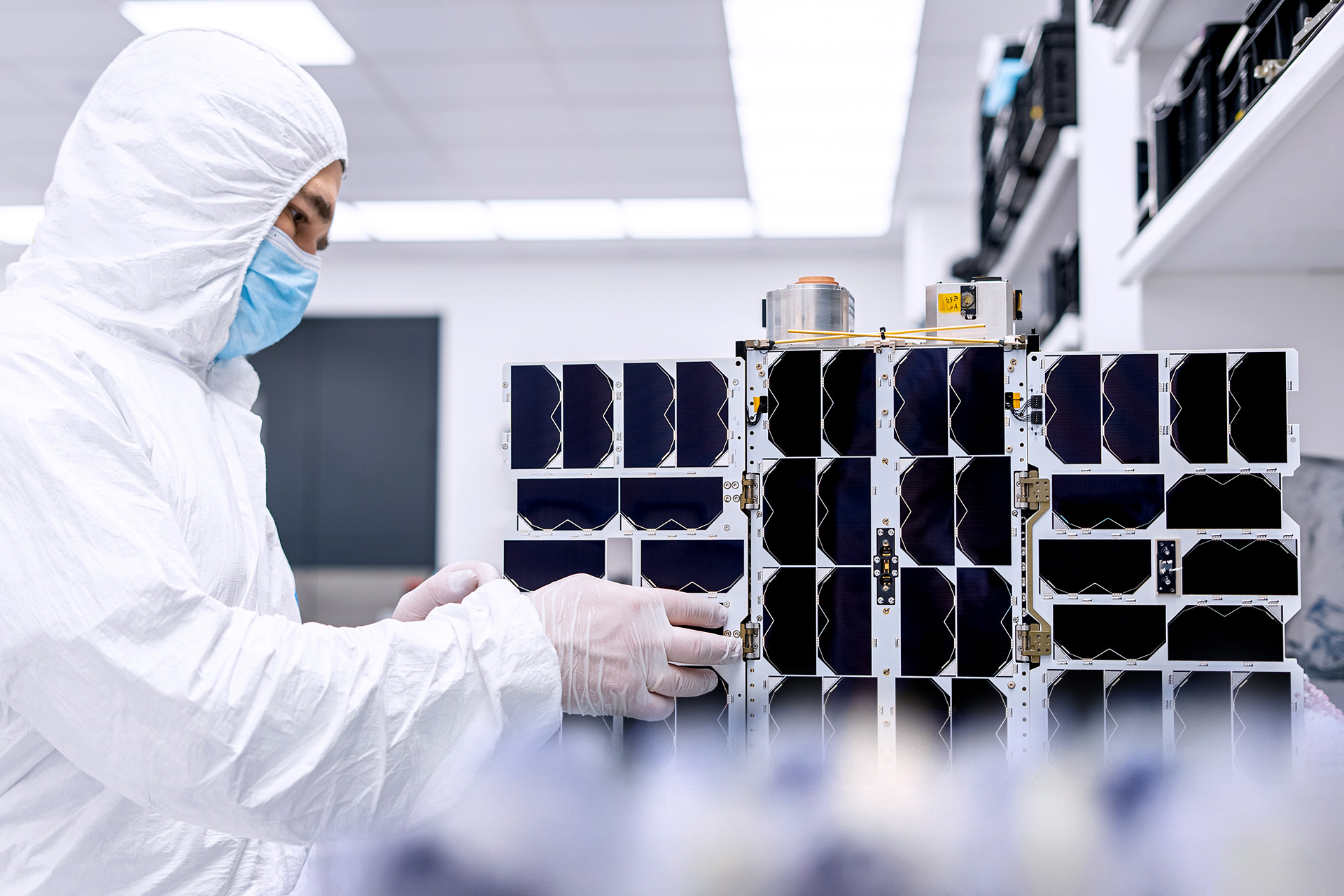
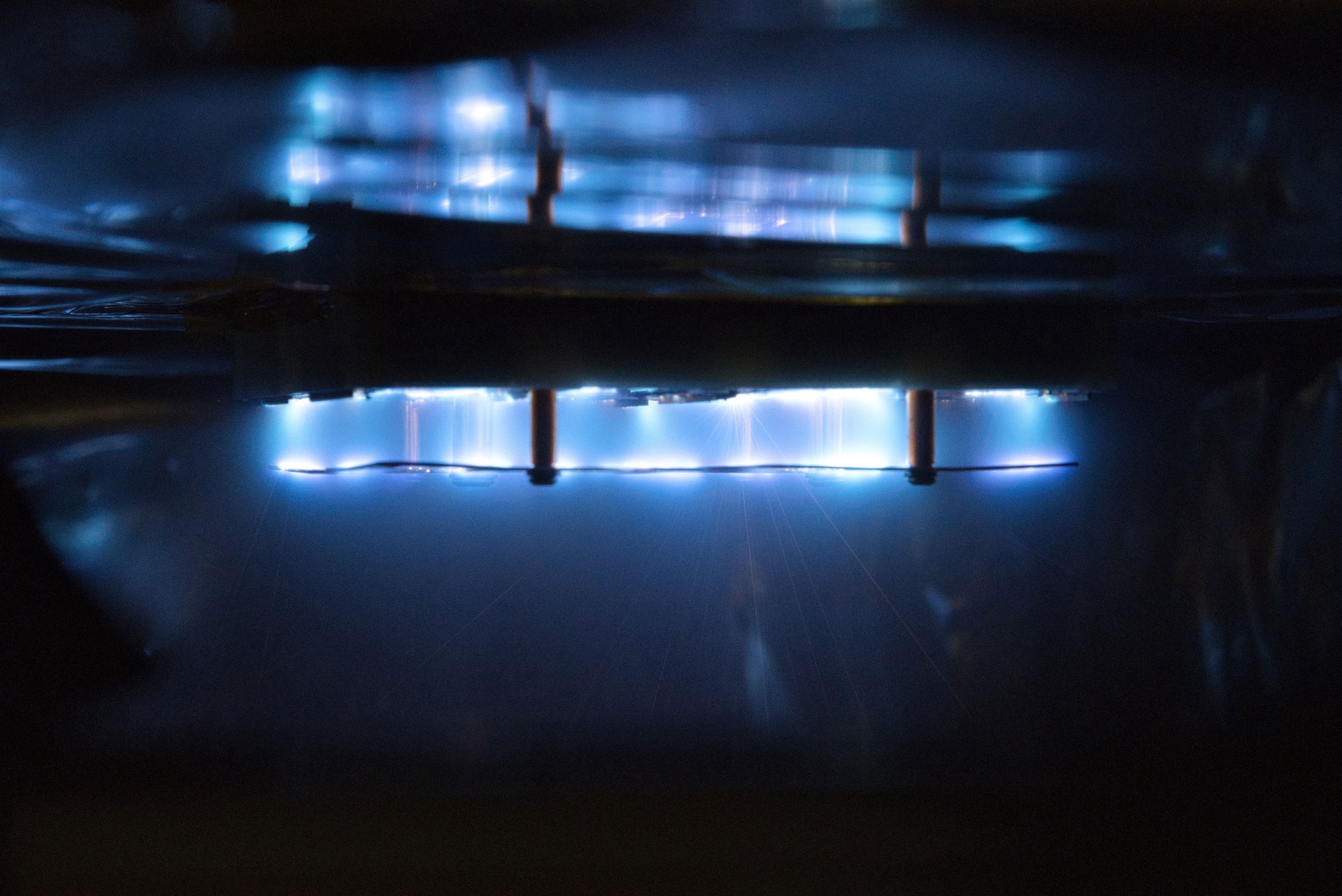
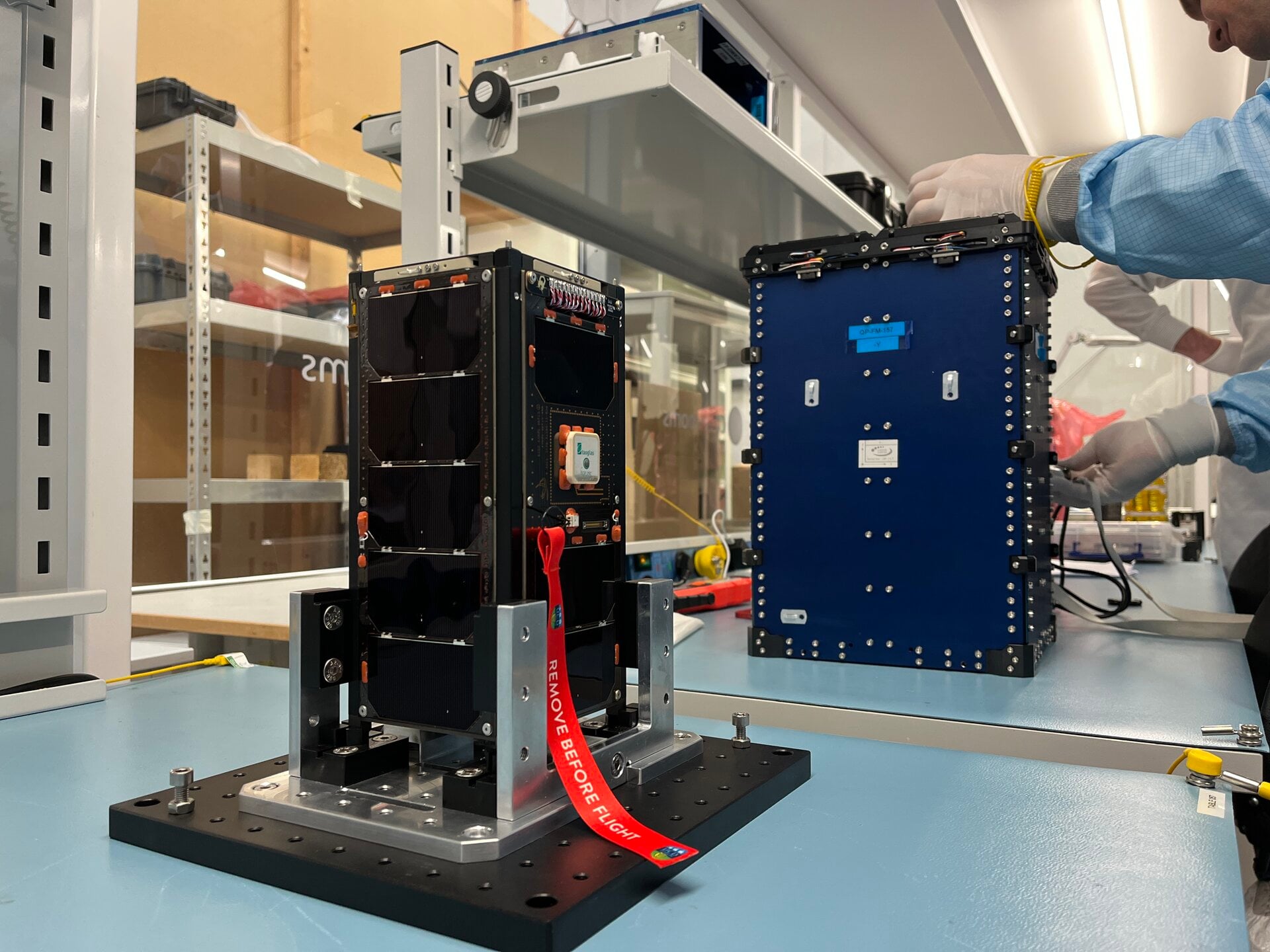
NASA is testing two new micropropulsion technologies onboard the CubeSat DUPLEX in space, which use polymer fibers for efficient and safe spacecraft maneuvering, demonstrating capabilities for orbit maintenance and extended missions to the Moon and Mars.
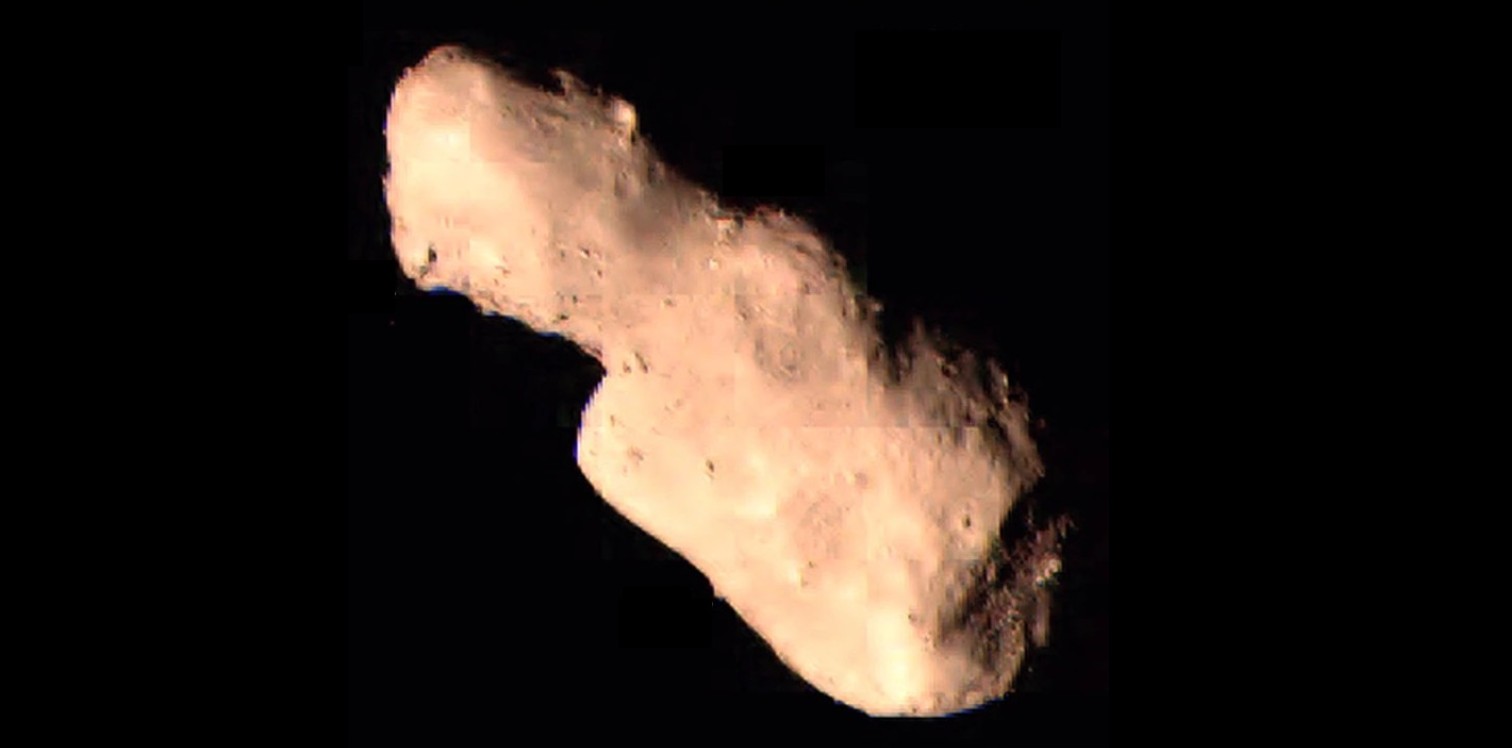
Chinese scientists are proposing a cubesat swarm mission to fly by asteroid Apophis during its 2029 approach to Earth, aiming to study its properties and enhance planetary defense strategies, with potential international collaboration and similar missions planned by other space agencies.
South Korea's IBS has ordered a series of small cubesats to study Venus from low Earth orbit, aiming to complement larger missions and provide continuous data over 15 years, despite potential NASA budget cuts threatening flagship Venus missions.
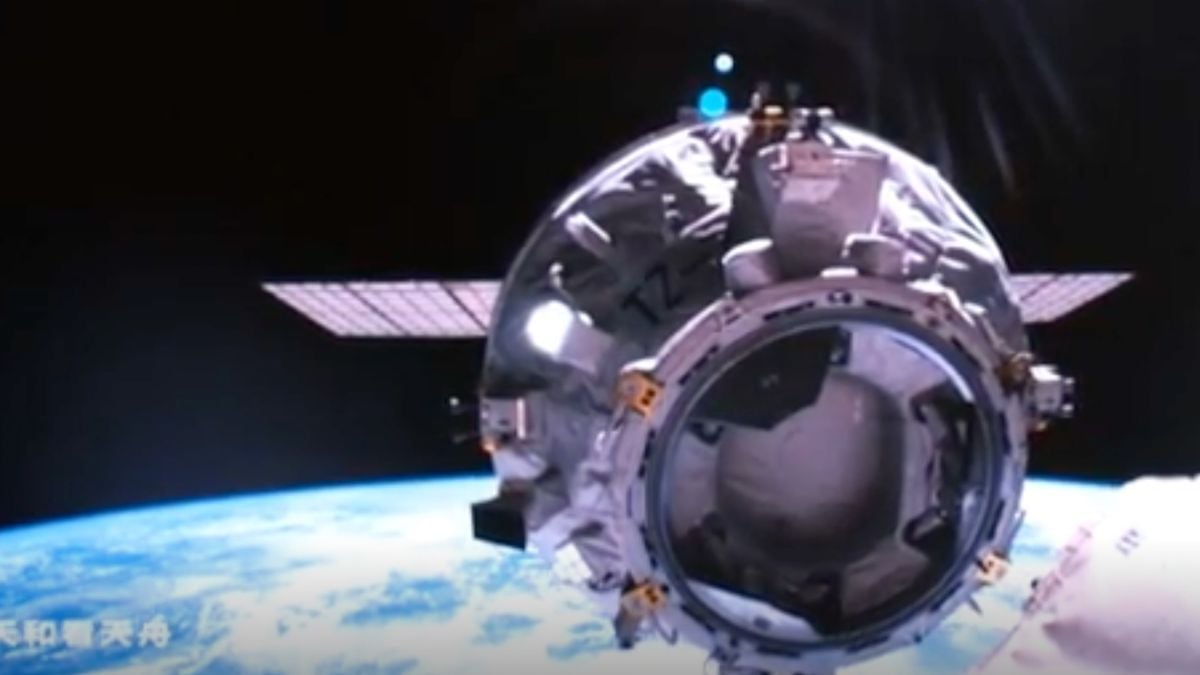
China's Tianzhou 7 cargo spacecraft, which delivered supplies to the Tiangong space station earlier this year, has been deorbited and burned up in Earth's atmosphere. After undocking from the station on November 10, it reentered the atmosphere on November 17, likely over the South Pacific Ocean. Before reentry, Tianzhou 7 released a 6U cubesat named Bayi-08 for Earth observation and communication purposes. Meanwhile, China has launched the Tianzhou 8 mission to continue resupplying the Tiangong station.
Nasa has launched a CubeSat mission called PREFIRE to study the heat escaping from Earth, focusing on the Arctic and Antarctica. The mission aims to improve climate models and predictions related to sea levels, weather, and ice cover. The satellites, launched from New Zealand, will gather data on how heat is radiated into space and how cloud cover affects Earth's temperature.
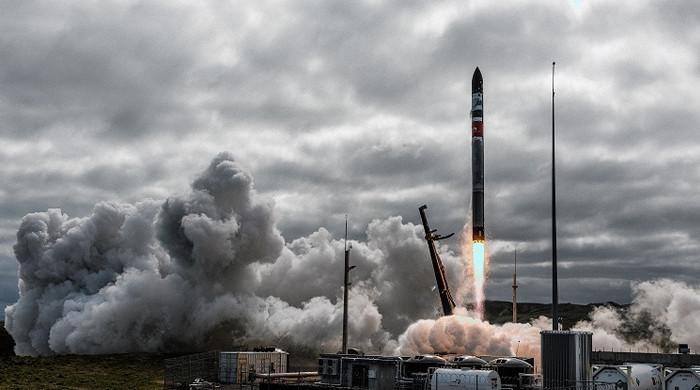
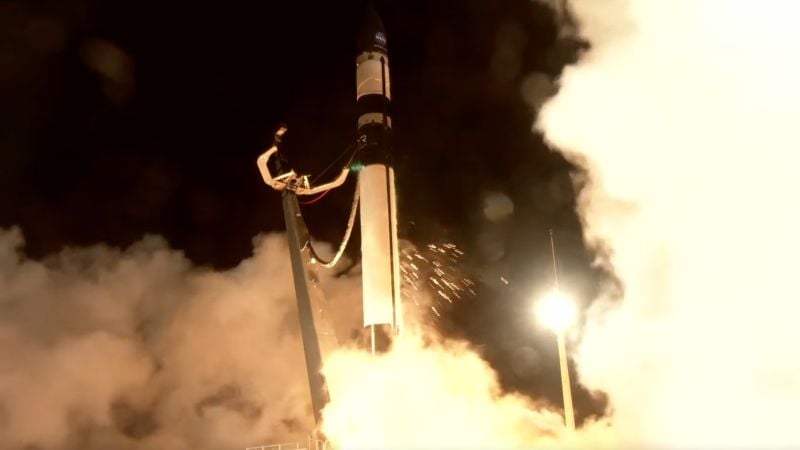
Rocket Lab successfully launched the first of two NASA PREFIRE Earth science cubesats on May 25, placing it into a 525-kilometer sun-synchronous orbit. The mission aims to measure infrared emissions at the poles to improve climate models. A second identical cubesat will be launched in the coming days.
NASA has launched the first of two CubeSats as part of the PREFIRE mission to measure heat loss from the Arctic and Antarctica. The data collected will enhance climate models and improve predictions related to sea levels, weather, and ice cover. The second satellite's launch date will be announced soon, and both will operate in near-polar orbits to gather frequent measurements of atmospheric phenomena.
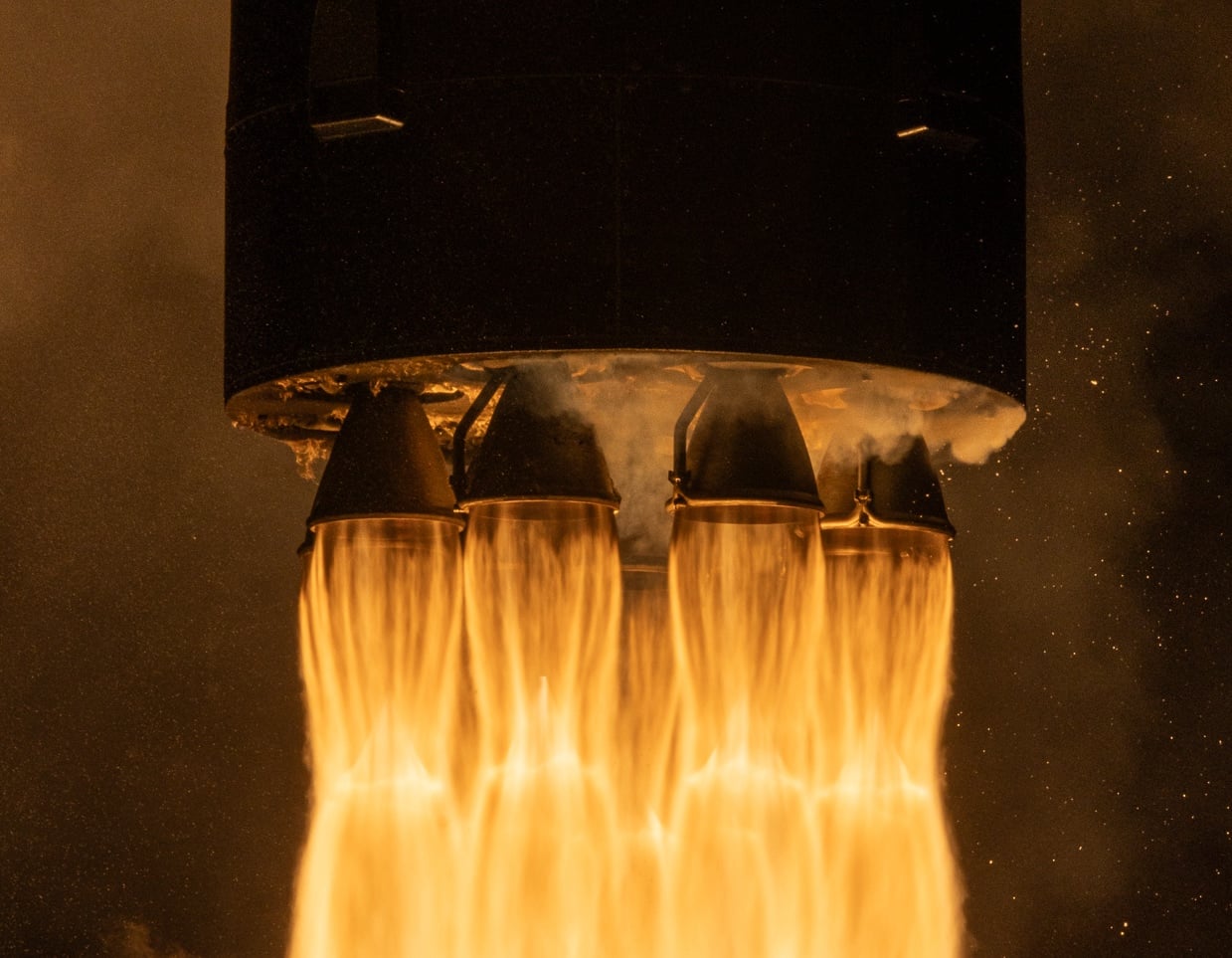
Benchmark Space Systems has successfully flown its first electric thruster, the Xantus, on the Electro-Optical/Infrared (EO/IR) Weather Systems (EWS) demonstration cubesat. The thruster, acquired through the company's acquisition of Alameda Applied Science Corporation, uses molybdenum as propellant and is expected to be used for end-to-end spacecraft operations, including deorbiting. Benchmark plans to produce more than 50 units this year, with a focus on serving the microsat and ESPA-class spacecraft market.
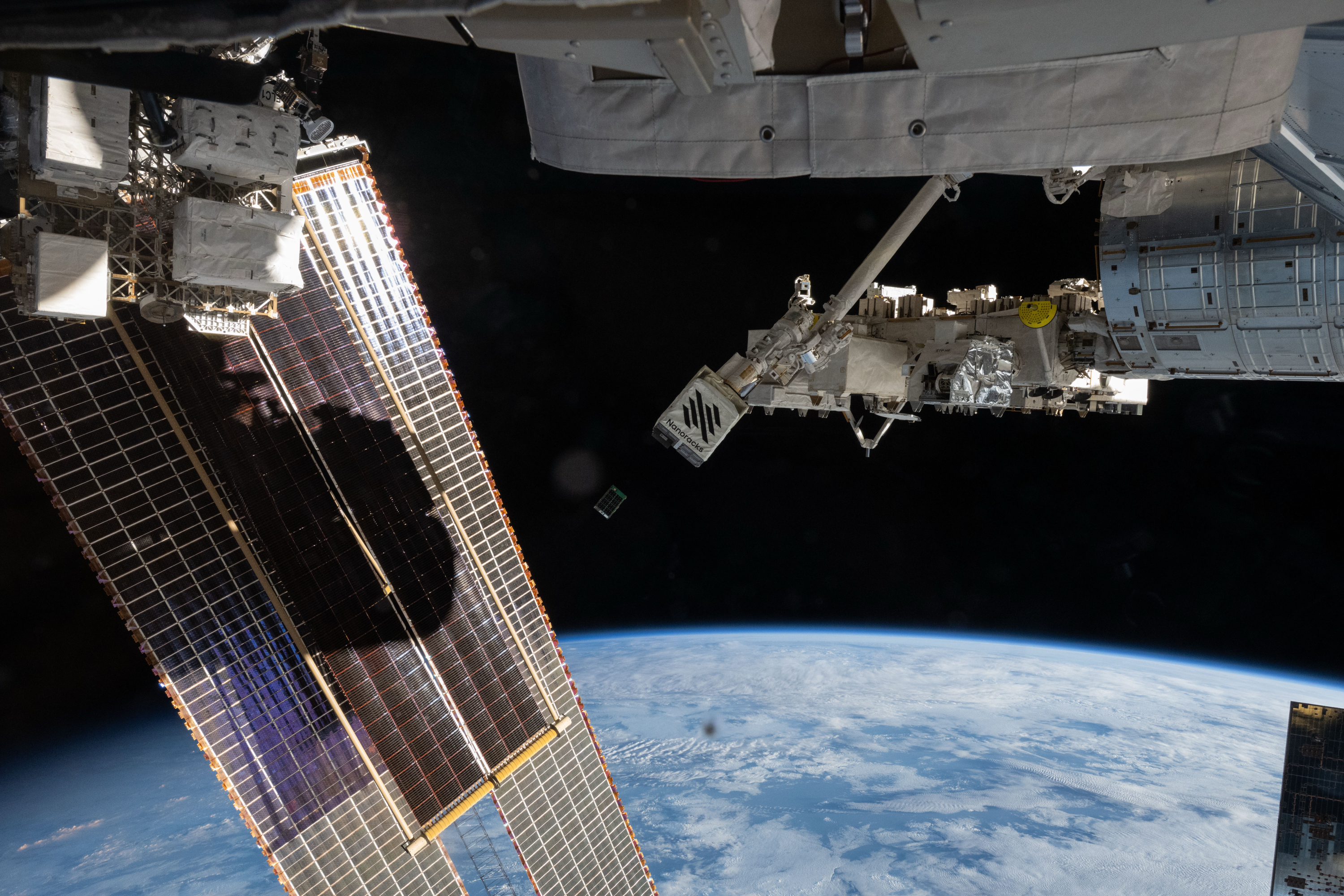
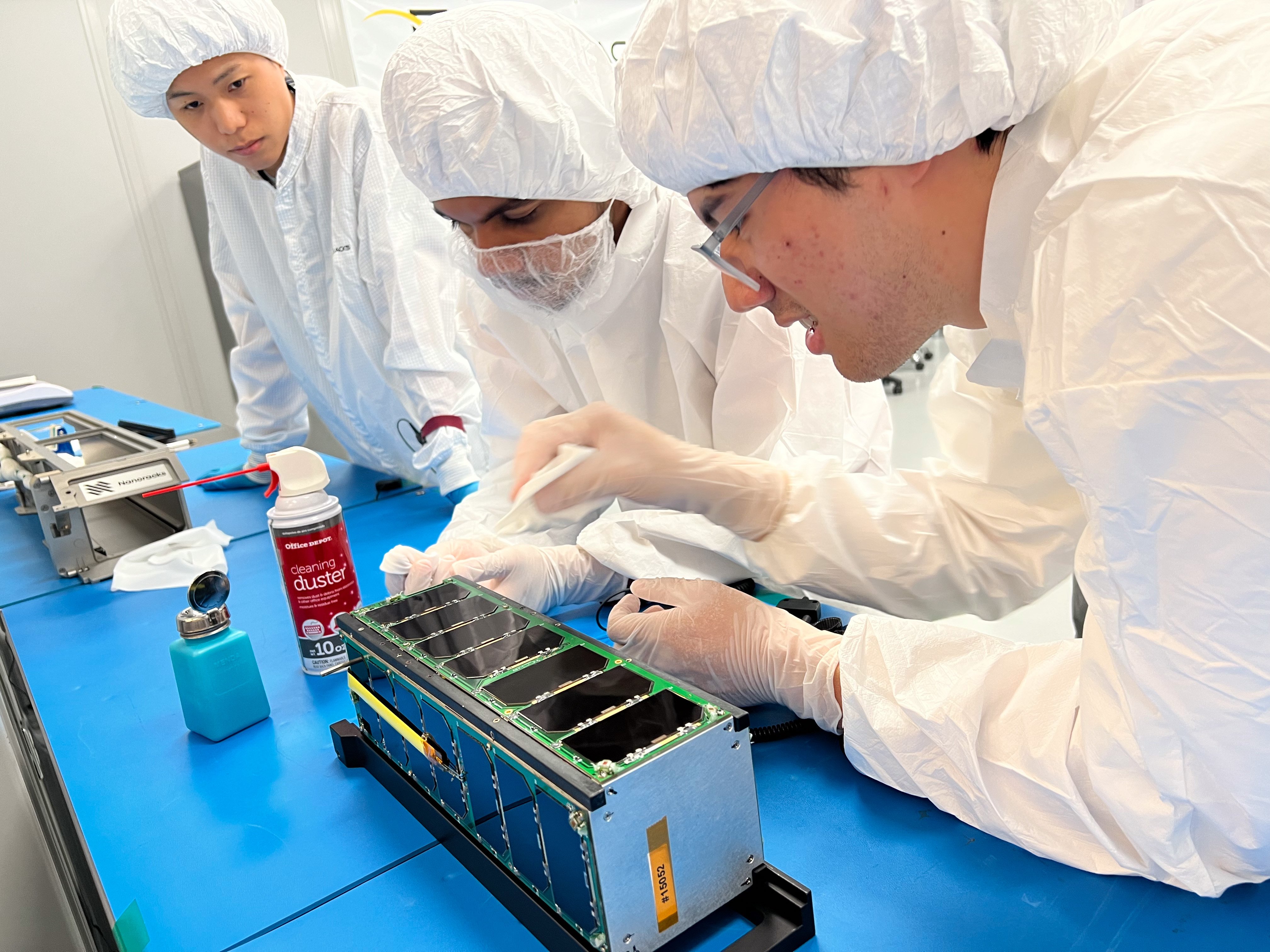
NASA has selected 10 small research satellites, known as CubeSats, from across eight states to fly to the International Space Station as part of its efforts to expand education and science opportunities, support technology advancement, and provide for workforce development. The selected CubeSats include projects from minority serving institutions and a K-12 school, and they aim to conduct various scientific investigations and technology demonstrations in space. These missions are planned to launch between 2025 and 2028, and they will contribute to the agency's ongoing efforts to encourage collaboration and innovation in space exploration.
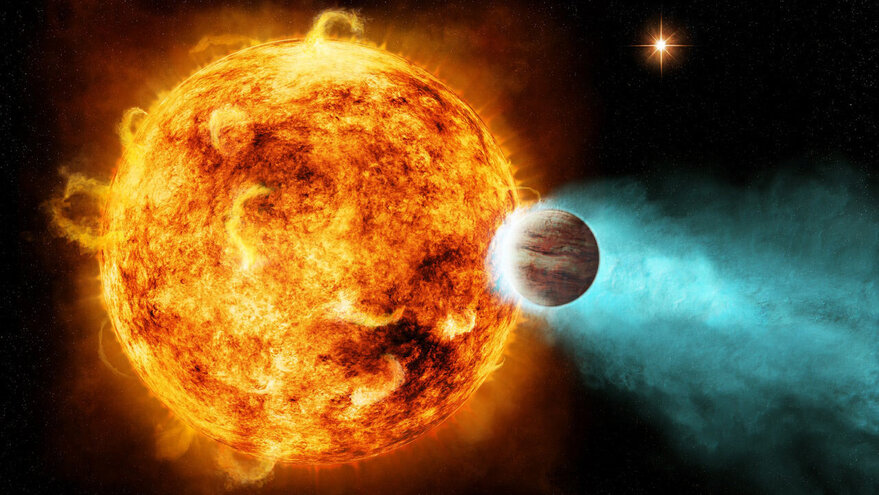
The Colorado Ultraviolet Transit Experiment (CUTE), a NASA-funded small satellite equipped with a telescope and spectrograph, has exceeded its expected lifetime and continues to gather data on the atmospheric loss of "hot jupiters." Its success has led to the development of two additional NASA-funded missions, Sprite and Mantis, which will study various aspects of galaxies and the habitability of planets. Lessons learned from CUTE are helping researchers understand how to build small spacecraft and instruments. The extended lifespan of CUTE has been attributed to ingenuity and luck, and its success has demonstrated the potential for small satellites to play a significant role in observing distant galaxies and other astronomical phenomena.
A miniaturized camera, measuring less than two cubic millimeters in size, aboard ESA's TRISAT-R CubeSat captured a distant image of Earth from a 6,000 km-altitude orbit. The CubeSat, Slovenia's second space mission, is testing radiation-detection payloads and is equipped with tiny cameras with limited radiation resistance. The resulting image of Earth is low resolution, but the mission has successfully captured examples of the "Black Sun effect" and is concluding its commissioning phase after 16 months of successful in-orbit operations.
Ireland's first satellite, the Educational Irish Research Satellite 1 (EIRSAT-1), is set to launch in November. Built by students from University College Dublin under the ESA Academy's Fly Your Satellite! program, the 2-unit CubeSat carries three experiments, including a gamma ray detector to study gamma ray bursts. The project faced regulatory challenges, but with the support of ESA, EIRSAT-1 was established as Ireland's first satellite. The student team received training and built vital space infrastructure, including a cleanroom and Mission Control. The satellite is now on its way to Vandenberg Air Force Base in California for launch on a Space X Falcon 9 rocket.
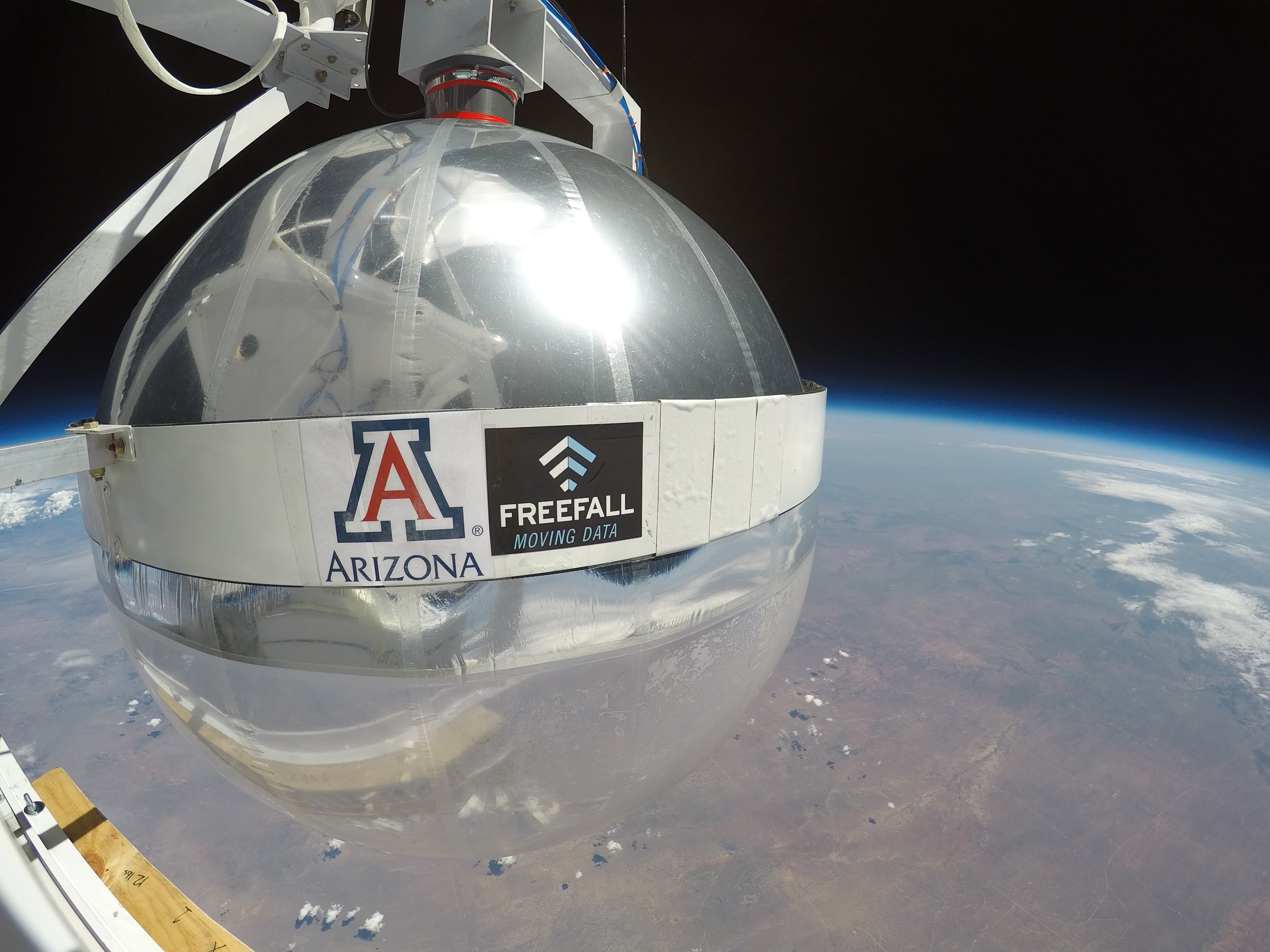
NASA engineer Christopher Walker's idea for an inflatable device that creates wide collection apertures has received funding from NASA's Innovative Advanced Concepts (NIAC) program. The Large Balloon Reflector (LBR) uses a section of an inflated sphere as a parabolic antenna, providing a lightweight and compact alternative to traditional reflector antennas. The technology has been successfully demonstrated aboard a stratospheric balloon and will soon be tested in low Earth orbit aboard a CubeSat called CatSat. The LBR's potential for future lunar and deep-space missions using CubeSats is being explored.
Imperial College is developing a rocket thruster called the ICE-Cube Thruster, which is so small that it can only be fabricated using techniques used for making silicon chips. The thruster, about the size of a fingernail, uses ordinary water as its propellant, breaking it down into hydrogen and oxygen through electrolysis. This green technology reduces payload and simplifies storage and handling systems. The combustion chamber and nozzle are fabricated using Micro-Electrical Mechanical Systems (MEMS) techniques, normally used for machining silicon wafers, allowing for precise manufacturing in two dimensions.
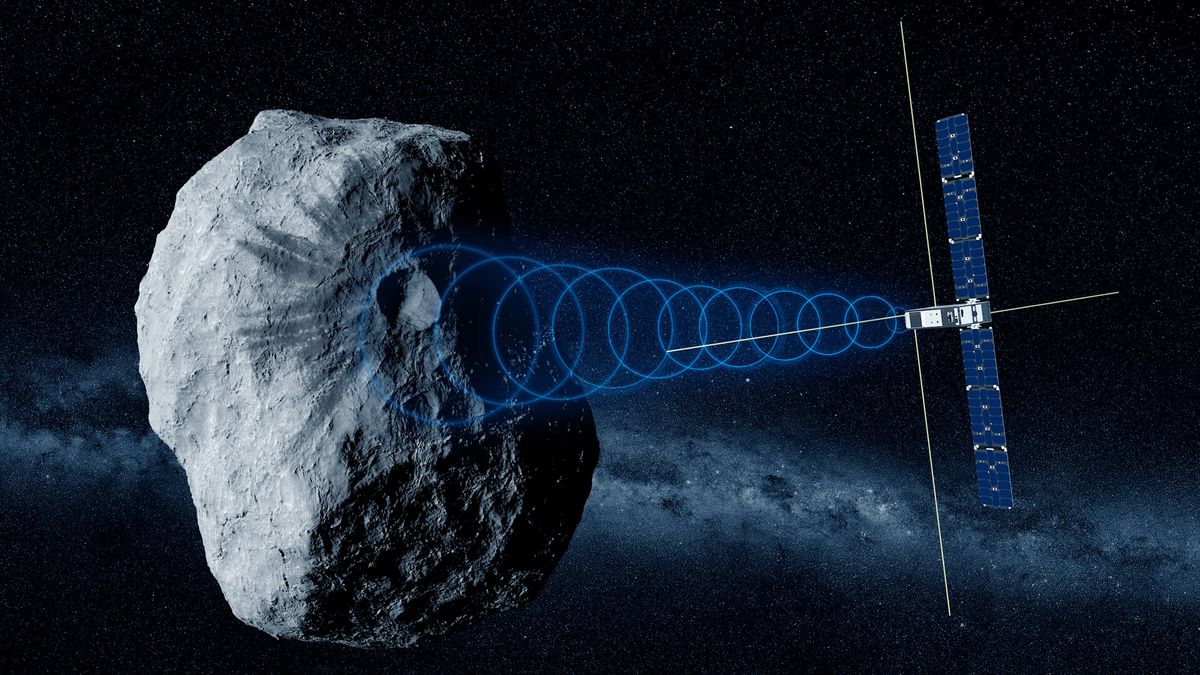
The European Space Agency (ESA) is preparing to send its Hera probe and CubeSats to study the asteroid Dimorphos after it was struck by NASA's DART probe. The CubeSat, called Juventas, will be equipped with a radar system to scan the interior of the asteroid. The radar analysis will be the smallest radar system to ever fly in space and will examine the effects of the impact, including gravimetric measurements and mineral surveys. The mission is seen as a critical step in developing a planetary defense mechanism against potentially harmful asteroids.