Amid rising living costs, more consumers are turning to thrift stores for savings and unique finds, with stories of impressive discoveries like vintage clocks and furniture going viral, highlighting the benefits of secondhand shopping for both wallets and the environment.
The article offers practical tips for retirees to protect and grow their savings, including diversifying investments with gold, working with financial advisors, reducing debt, securing digital assets, and saving on major expenses like insurance and phone plans, along with a bonus on affordable weight-loss medications.
European banks are expected to continue their strong rally in 2026, driven by AI-driven cost savings and improved earnings, despite economic uncertainties. AI is seen as a key factor in boosting operational efficiency and valuation, with investors optimistic about the sector's growth and shareholder returns. However, risks related to AI exuberance and geopolitical shocks remain.
President Trump announced a reset of the Corporate Average Fuel Economy (CAFE) standards, reversing the Biden Administration's stricter targets, which were seen as unrealistic and costly. This move aims to save American families $109 billion over five years, reduce vehicle costs, and prevent unnecessary shifts to electric vehicles, while also protecting the auto industry from fines and ensuring feasible standards for automakers.
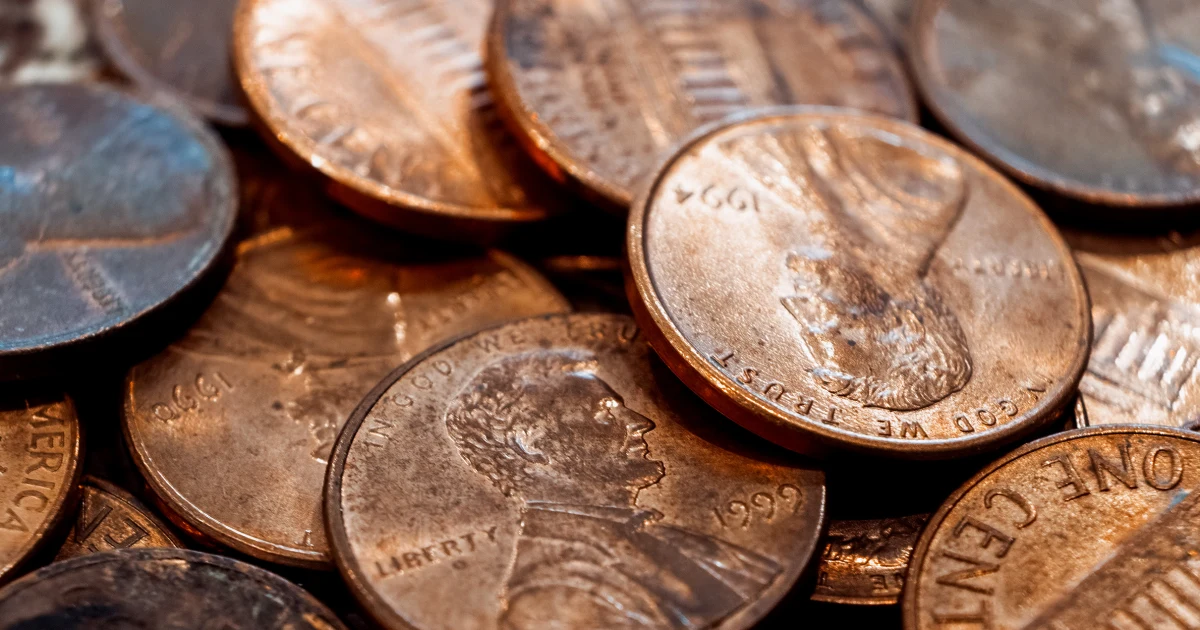
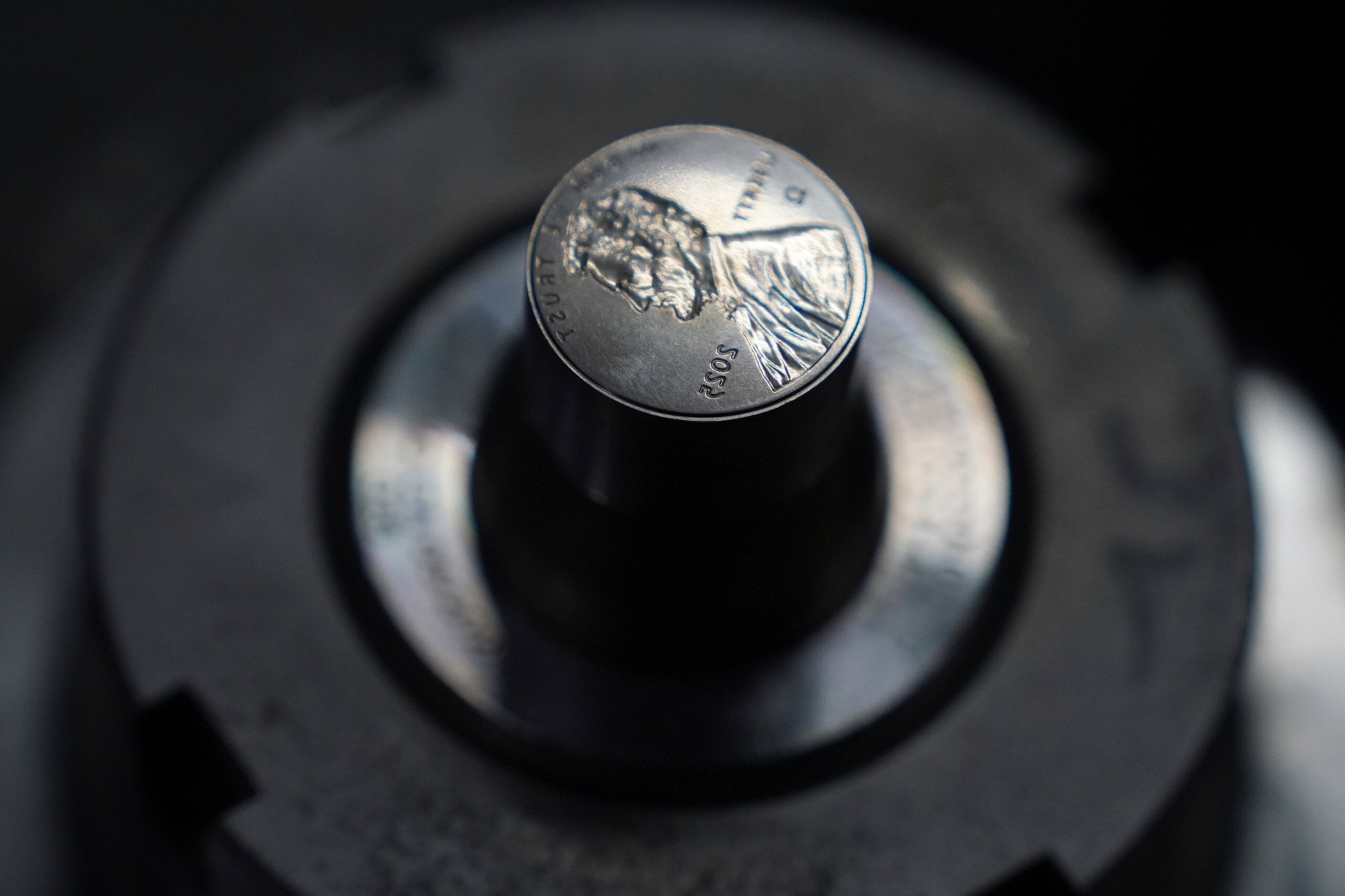
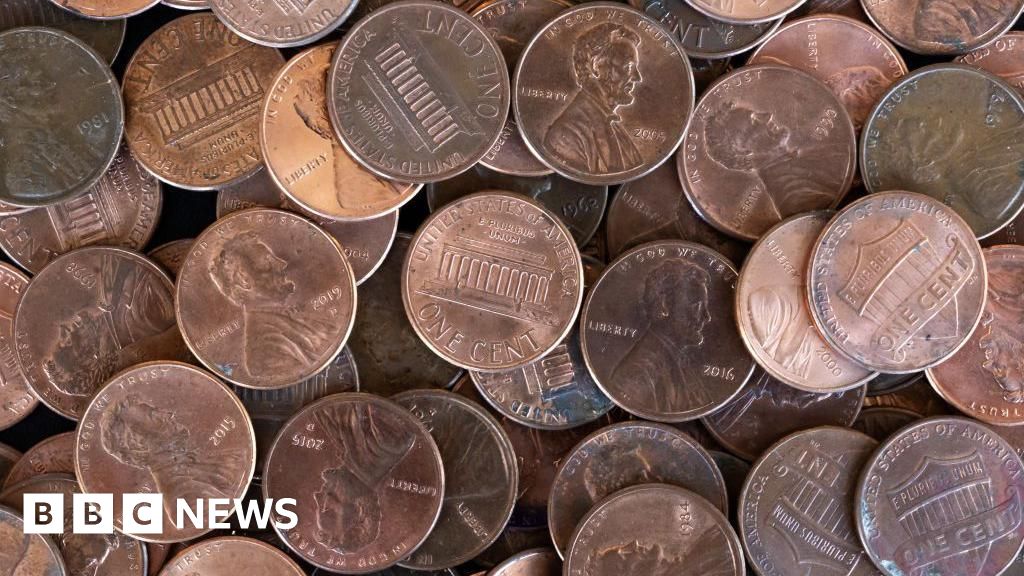
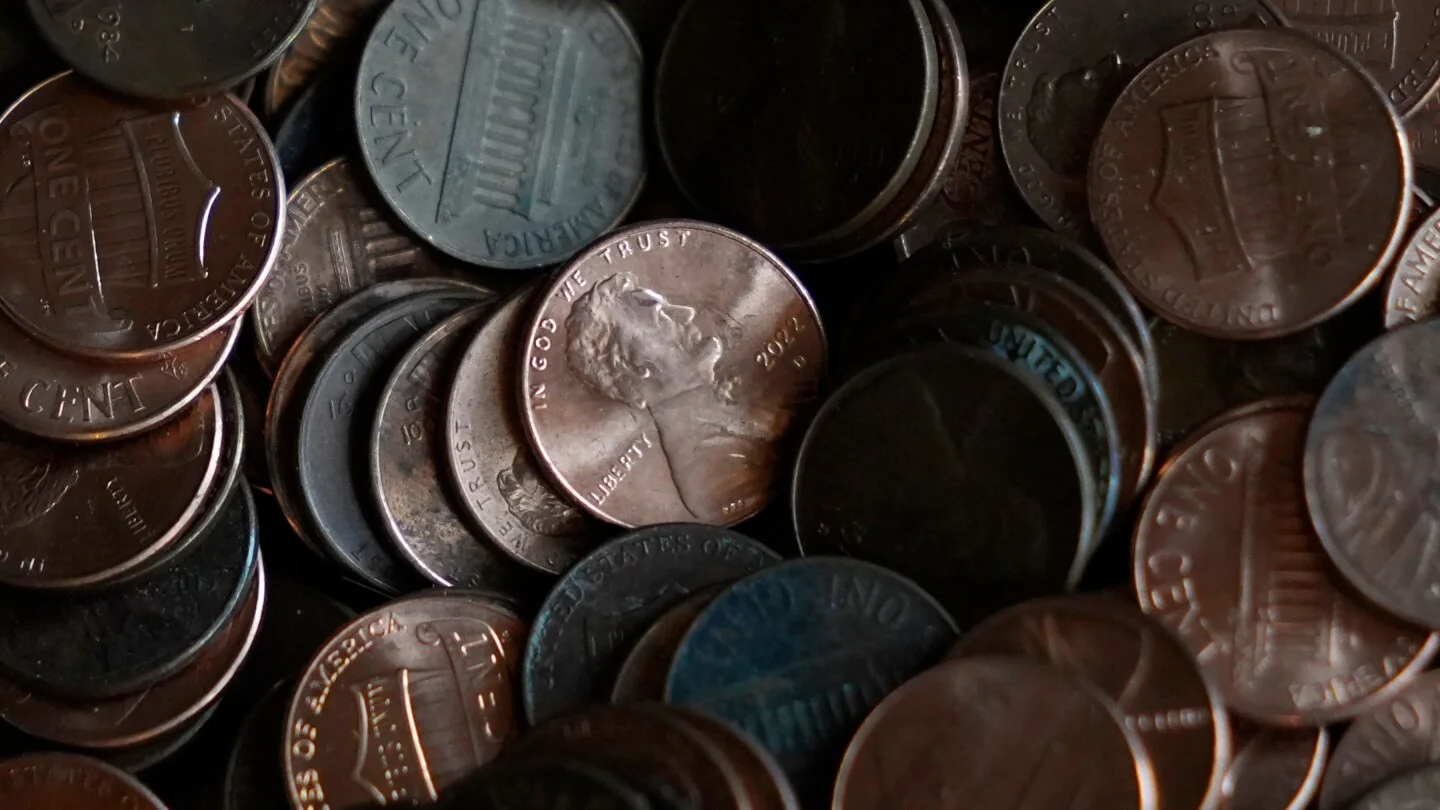
The US Mint has stopped producing the penny as legal tender, citing its high production costs exceeding its value, with the final coin struck and set for auction, though pennies remain legal tender and in circulation.
The US Mint in Philadelphia has ceased production of the penny, citing cost inefficiencies and the coin's decreasing relevance, with the final coins struck and auctioned off, marking the end of a 200-year tradition despite nostalgic and practical concerns.
The US Mint in Philadelphia has ceased production of the penny to save costs and due to its decreasing relevance, with the final coins struck and auctioned off. While still legal tender, pennies are no longer being made, marking the end of a coin that has been part of American history since 1793, despite some nostalgia and concerns from retailers and collectors.
The US is ending penny production after over 230 years to save approximately $56 million annually, as the coins now cost more to produce than their face value and are increasingly obsolete due to electronic transactions. The coins will remain in circulation, but businesses are already adjusting prices, and the move is part of a broader trend of phasing out low-value coins in other countries.
The US Mint in Philadelphia is producing its last circulating penny due to the cost of production exceeding its value, with the phase-out expected to save the government $56 million annually, reflecting changing economic and technological landscapes.
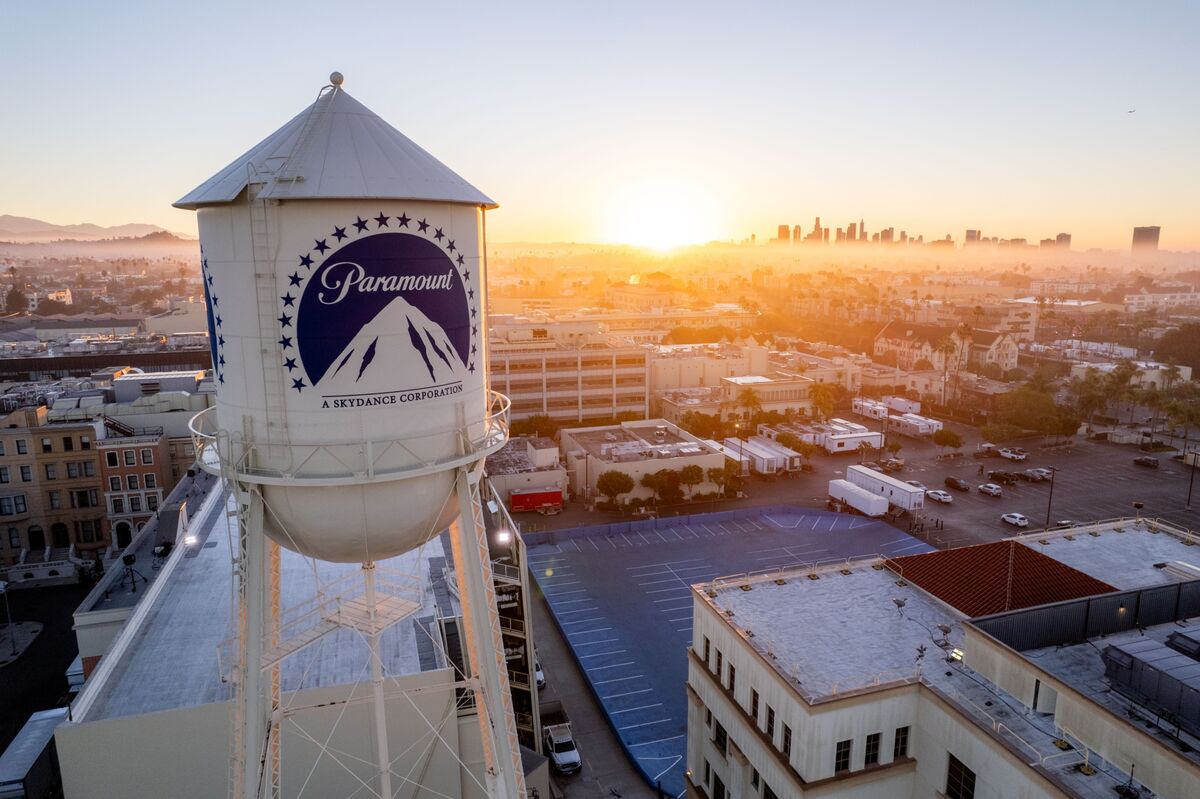
Approximately 600 employees at Paramount Skydance opted for voluntary buyouts to avoid returning to a five-day in-office workweek, amid ongoing layoffs and restructuring following a merger and strategic cost-cutting measures, including divestitures and increased streaming prices.
Paramount Skydance plans to cut 1,600 jobs and save at least $3 billion, investing the savings into streaming, UFC, and film production, amid restructuring and a focus on growth under new CEO David Ellison, who is also pursuing a potential acquisition of Warner Bros.
Paramount's Q3 revenue missed Wall Street estimates at $6.7 billion, but the company raised its 2026 revenue and OIBDA projections, and increased its cost savings target from the Skydance merger to $3 billion. Despite a net loss and declining ad revenue, investors responded positively, and the company continues strategic dealmaking and workforce adjustments to strengthen its future.
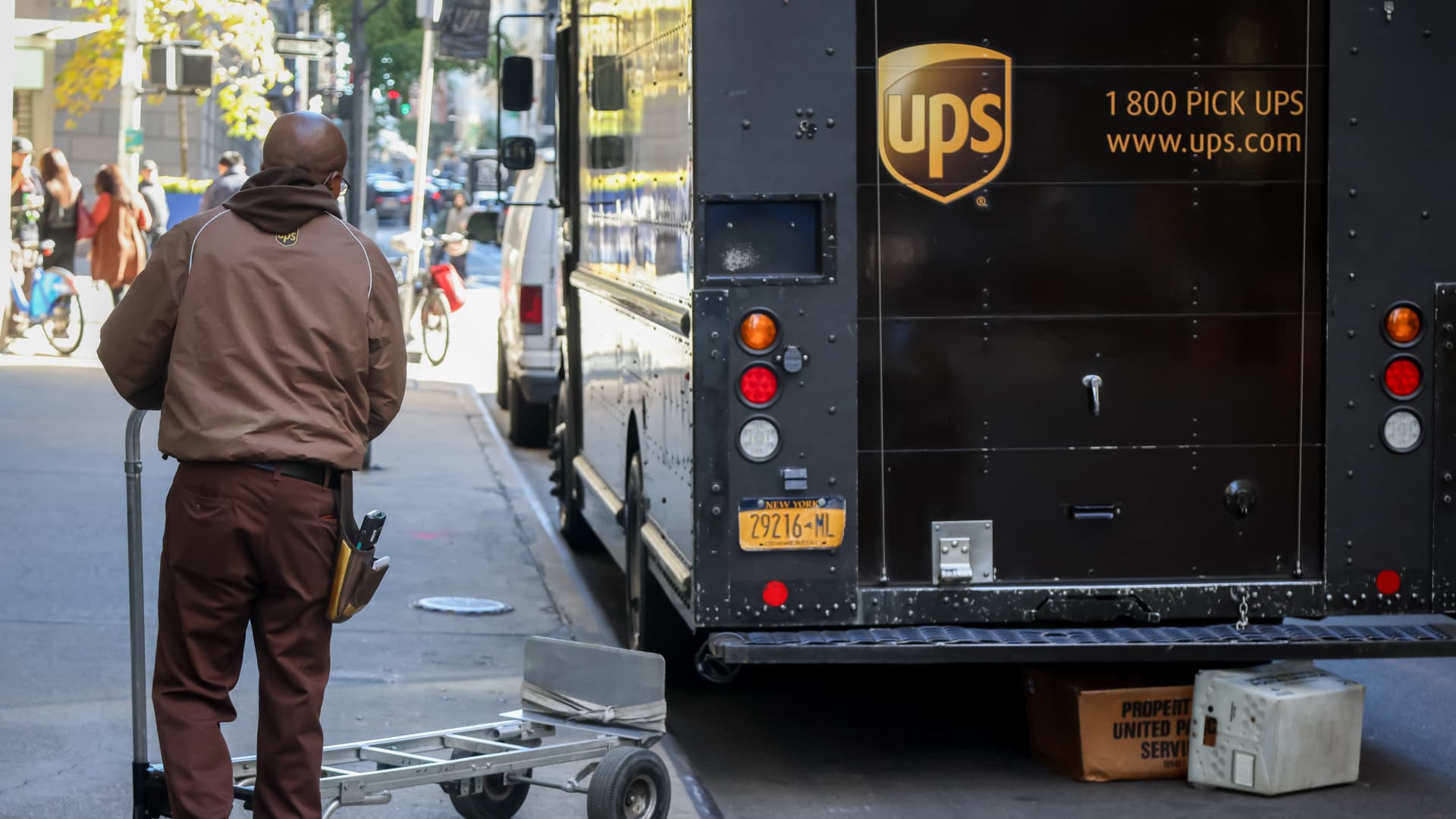
UPS has announced an additional 14,000 job cuts as part of its turnaround efforts, bringing total cuts this year to around 34,000, mainly within management, and is closing numerous facilities to reduce costs. Despite these cuts, UPS's third-quarter earnings exceeded expectations, driven by cost savings and a significant deal with Amazon to reduce volume, leading to a surge in its stock price.
UPS exceeded Wall Street earnings expectations in Q3, driven by a major turnaround plan that included workforce reductions and property sales, leading to a 10% premarket stock increase and an optimistic outlook for the holiday season.
The US Treasury's decision to stop minting pennies by 2026 is causing grocery stores like Kroger and Kwik Trip to adjust, with some rounding cash transactions to the nearest five cents, potentially increasing costs for consumers and raising legal and logistical questions. The move aims to save costs but may lead to changes in pricing and payment practices, especially for cash transactions, affecting consumers and businesses alike.