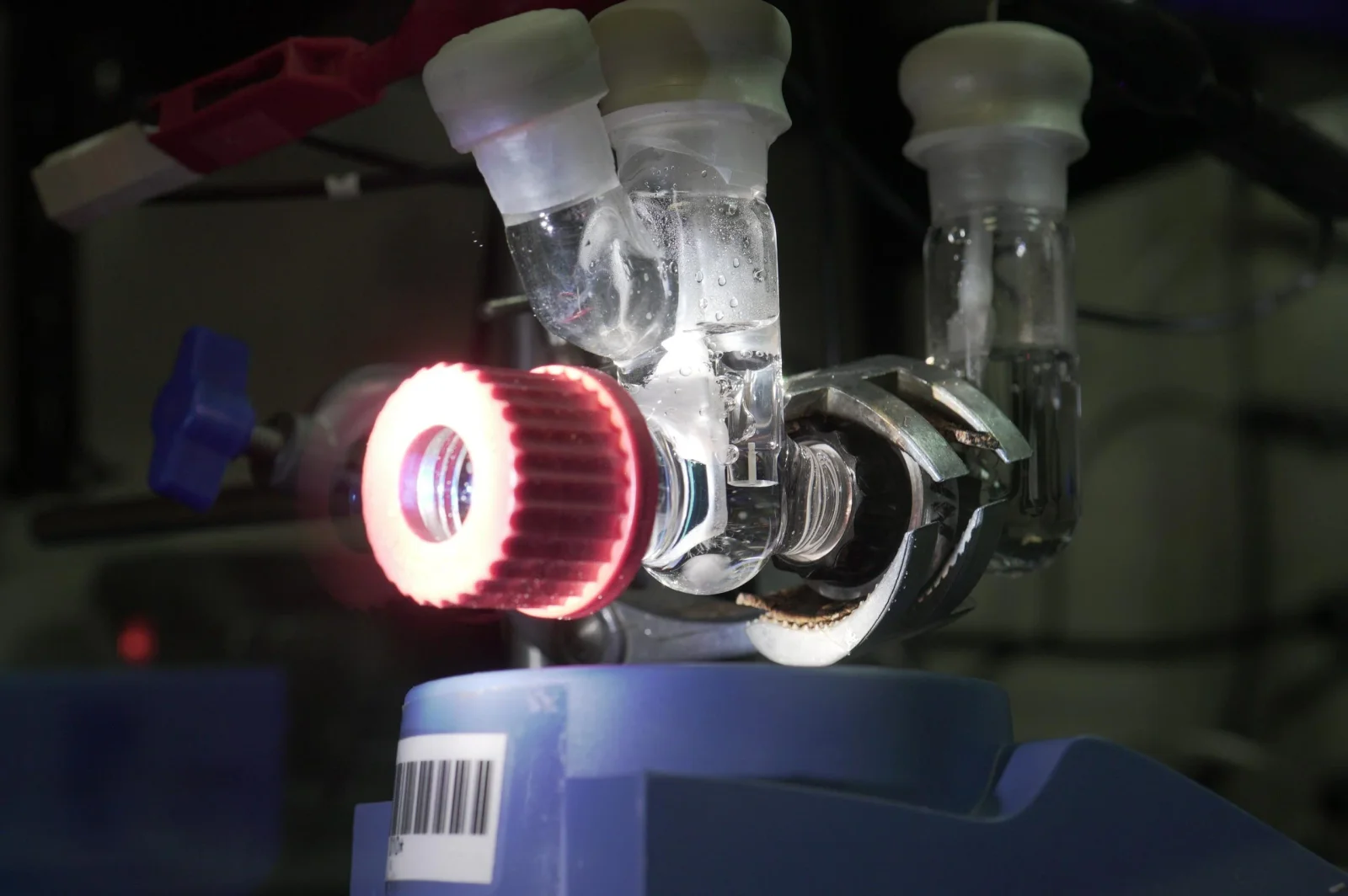
Cambridge researchers have developed a solar-powered semi-artificial leaf that mimics photosynthesis to convert CO2 into useful chemicals like formate, potentially revolutionizing green chemistry and reducing reliance on fossil fuels in the chemical industry.
Scientists have developed a solar-powered system that extracts water from lunar soil and converts CO₂ into oxygen and fuel, potentially enabling sustainable moon colonies by reducing reliance on Earth for resources. Despite environmental challenges, this breakthrough offers promising prospects for future lunar exploration and self-sustaining bases.
Scientists have developed a solar-powered technology that extracts water from lunar soil and converts astronaut CO₂ into oxygen and fuel, potentially enabling sustainable long-term human presence on the Moon without transporting resources from Earth.
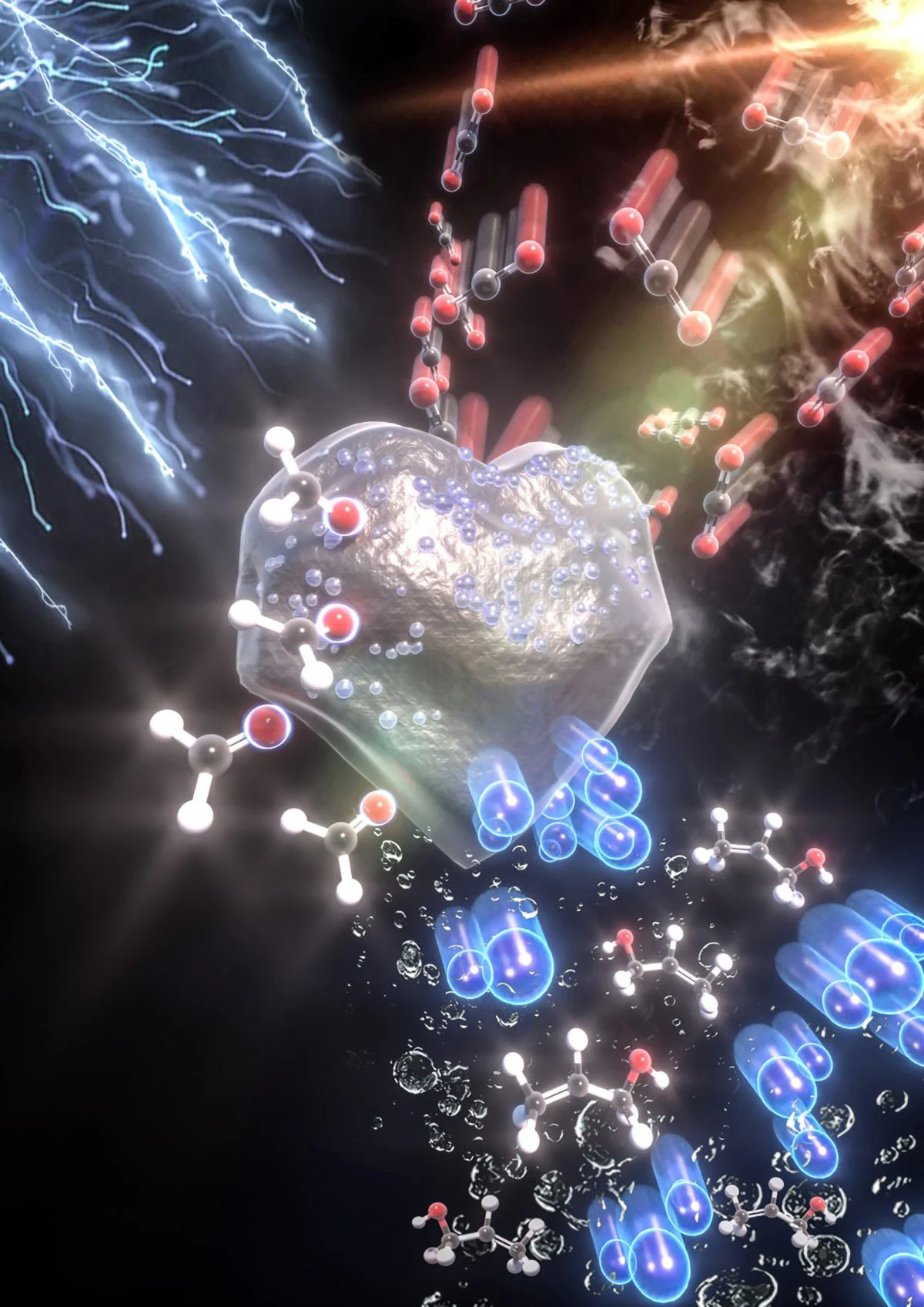
Researchers at GIST in South Korea developed a highly efficient electrochemical method to convert CO2 into allyl alcohol, achieving a new global benchmark with a Faraday efficiency of 66.9%, which could significantly impact sustainable chemical production and support carbon neutrality efforts.
Researchers at HUST in China have developed a method to efficiently convert carbon dioxide into useful chemical products, marking a significant breakthrough in addressing the issue of atmospheric CO2. While various approaches to CO2 conversion exist, they are limited by their short operational lifespans, making them unsuitable for large-scale use.
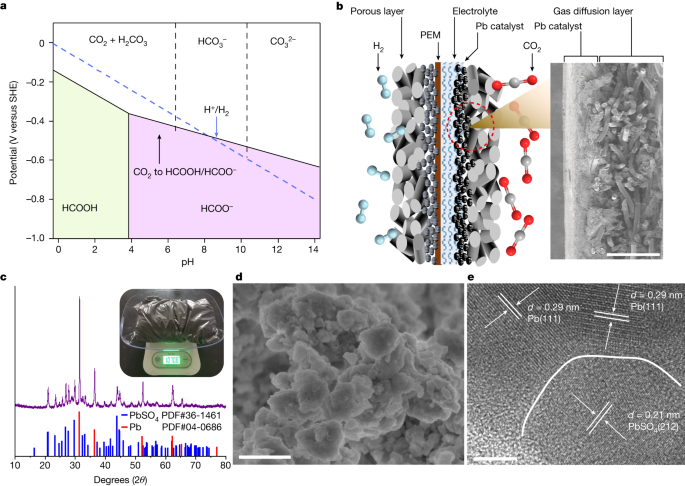
Researchers have developed a proton-exchange membrane system that efficiently reduces carbon dioxide (CO2) to formic acid using a catalyst derived from waste lead-acid batteries, achieving over 93% Faradaic efficiency when coupled with hydrogen oxidation. The system demonstrates nearly 91% single-pass conversion efficiency for CO2 at a current density of 600 mA cm−2 and cell voltage of 2.2 V, and has been shown to operate continuously for more than 5,200 h, offering a promising advancement in the development of carbon-neutral technologies.
Scientists at Brookhaven National Laboratory and Columbia University have developed a tandem electrocatalytic-thermocatalytic process to convert carbon dioxide (CO2) into valuable carbon nanofibers, while producing hydrogen gas as a byproduct. The carbon nanofibers could be used to strengthen building materials and lock away carbon for decades, potentially offsetting or achieving negative carbon emissions. The process operates at relatively low temperatures and ambient pressure, making it more practical for large-scale CO2 mitigation. The strategy involves using two different types of catalysts to break the reaction into stages, and the resulting carbon nanofibers can be easily recycled. If driven by renewable energy, this process could lead to truly carbon-negative results, offering new opportunities for CO2 mitigation.
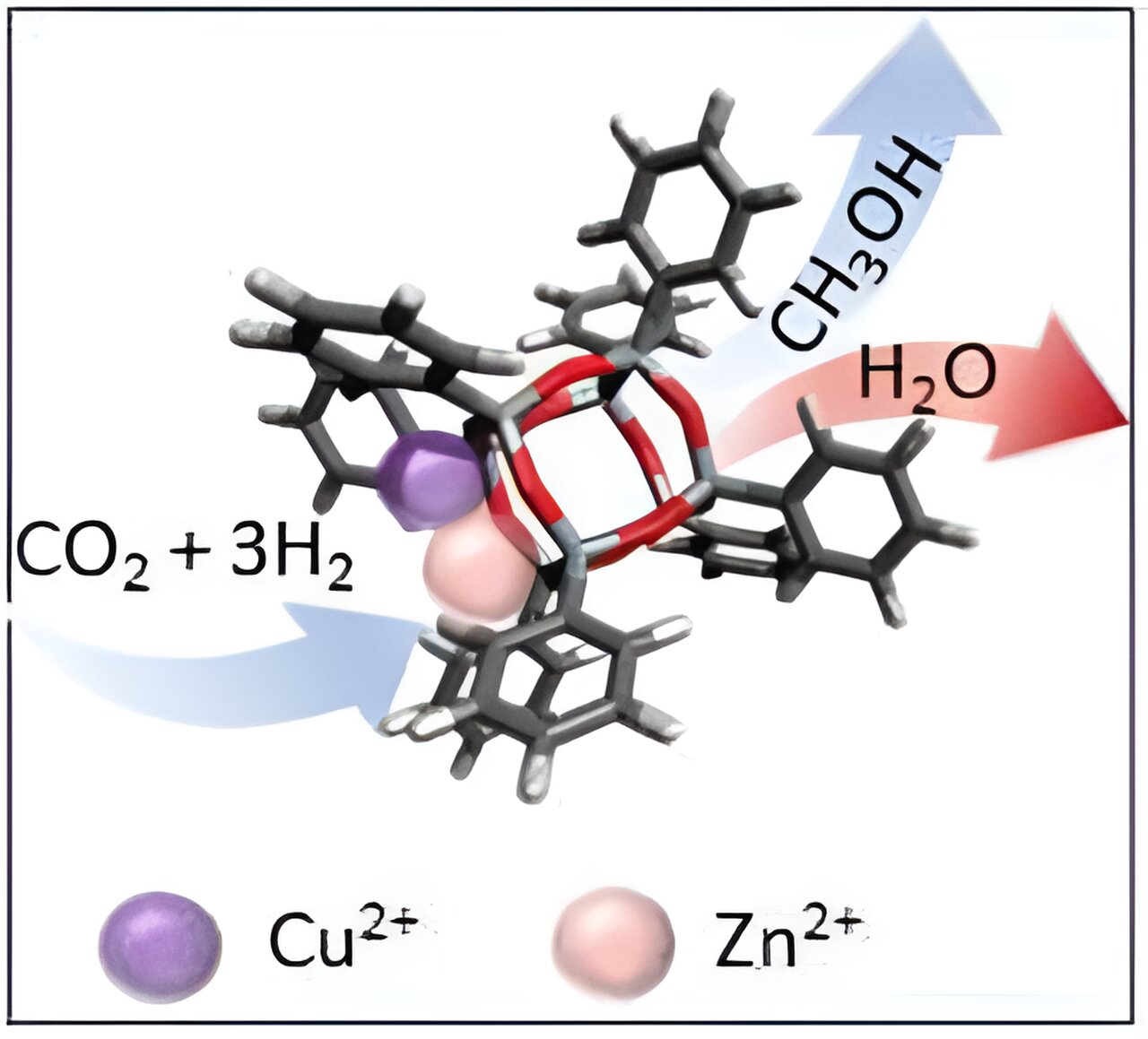
A researcher at the University of Alberta has developed innovative methods to convert carbon dioxide (CO2) and glycerol, a byproduct of biodiesel production, into valuable materials. The procedures involve using nanotechnology to create a stable catalyst that repels water, making the conversion of CO2 into methanol more efficient. Additionally, the researcher developed a patented process to convert crude glycerol into monomers, which can be used to create polymers with various applications. The research shows promising benefits for industries such as energy, hydrogen, biofuel, food, and chemicals, offering sustainable alternatives for creating value-added products.
Researchers at the Technical University of Munich have developed a sustainable method to create the essential amino acid L-alanine from CO2 using artificial photosynthesis. This new method requires less space than traditional agriculture, highlighting the potential of combining bioeconomy and hydrogen economy for a more sustainable future. The researchers aim to produce other amino acids from CO2 using renewable energy and to further increase efficiency in the realization process.