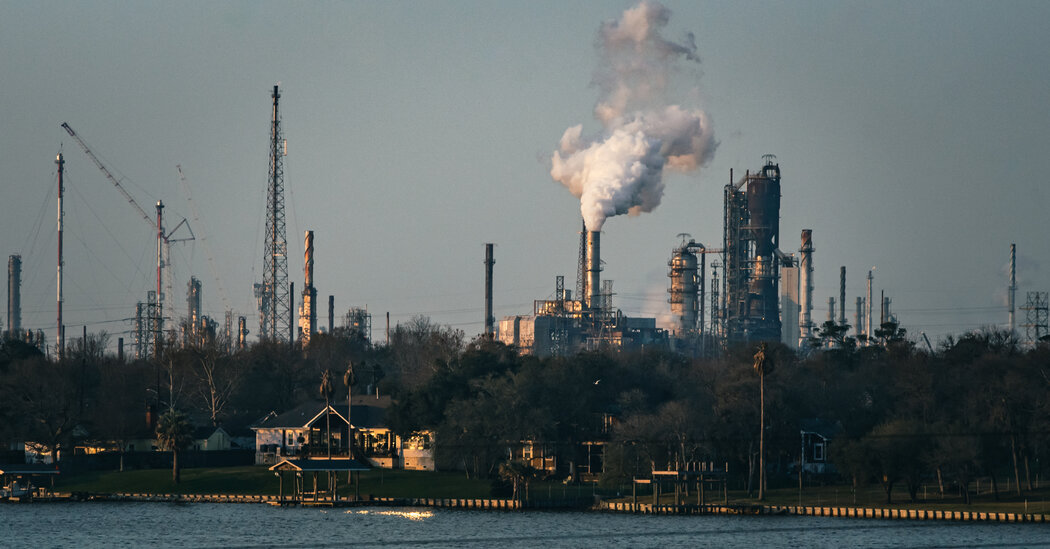
A Washington state report claiming significant CO2 reductions from $1.5 billion in climate investments is largely inaccurate, with about 86% of the claimed reductions likely false due to data errors and overly optimistic estimates, raising concerns about the credibility of the state's climate spending and reporting.

A UNEP report highlights that adopting sustainable cooling strategies, including passive and low-energy solutions, could reduce cooling-related emissions by 64% by 2050, save trillions of dollars, and improve access for billions, amid rising global heatwaves and demand. The report advocates for policy integration, urban planning, and international cooperation through initiatives like 'Beat the Heat' to address the growing climate and health challenges associated with extreme heat.
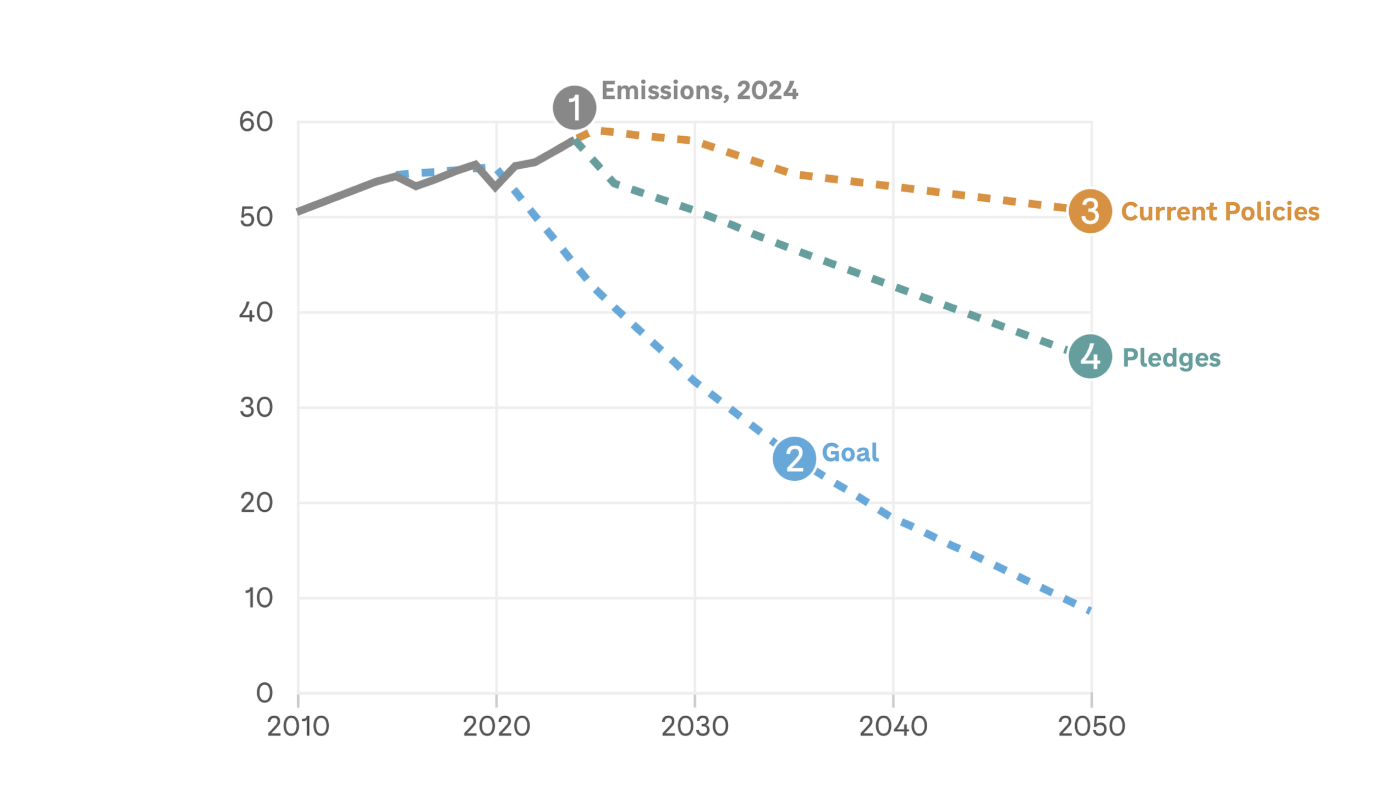
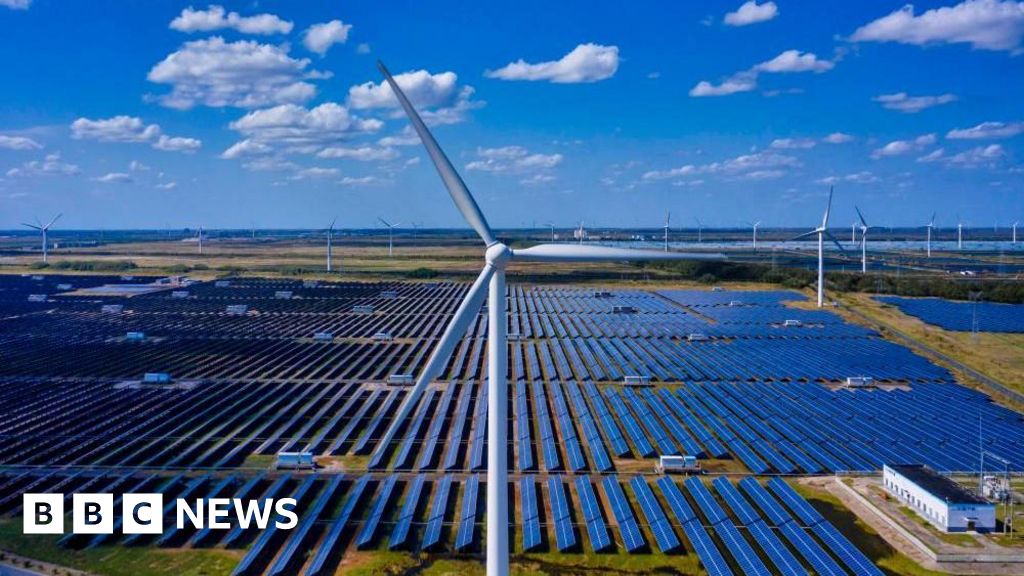
At COP30, countries are struggling to meet climate goals, with global efforts to cut emissions falling short and the planet on track to warm by about 5°F by century's end. The US, having withdrawn from the Paris Agreement under Trump, is rolling back renewable energy initiatives, which could slow progress. Despite rapid growth in renewable energy worldwide, stronger government action is needed to prevent catastrophic climate impacts.
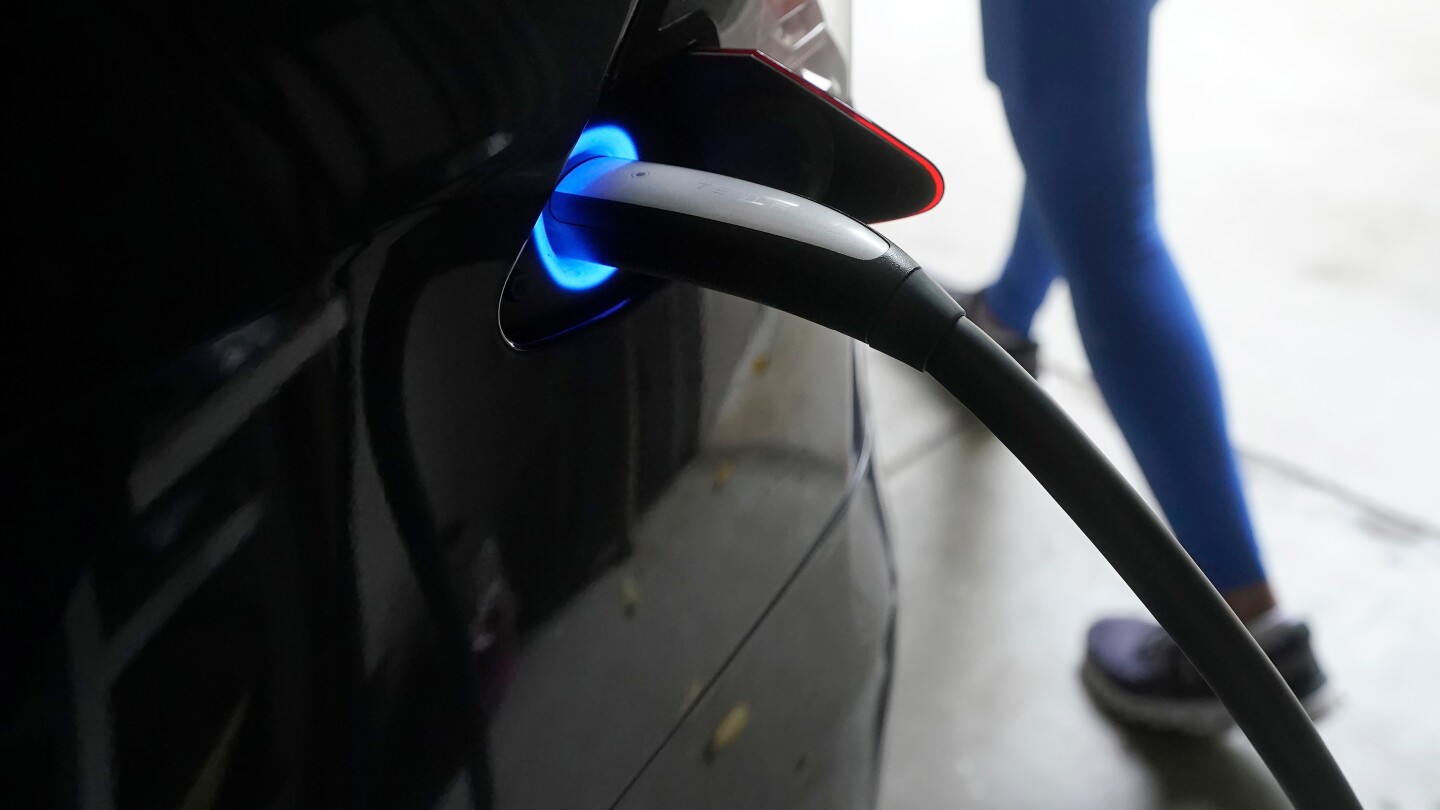
AI is both a significant energy consumer and a tool for improving energy efficiency and reducing pollution, with applications in building management, EV charging, methane reduction, geothermal exploration, and traffic optimization, potentially offsetting its own energy use and aiding climate efforts.
China announced its first-ever emissions reduction target of 7-10% by 2035 and plans to significantly expand renewable energy, marking a shift in its climate commitments amid U.S. retreat from the Paris Agreement. Despite these efforts, global climate pledges remain insufficient to meet the goals of limiting warming to 1.5°C, with countries like Brazil and Australia also setting ambitious targets. Chinese President Xi Jinping subtly criticized the U.S. for moving away from climate goals, highlighting a geopolitical shift in climate leadership.
China has committed to reducing its greenhouse gas emissions by 7-10% by 2035, marking its first absolute emissions reduction target, but critics say it falls short of what is needed to meet global climate goals, despite China's significant progress in renewable energy expansion.
Vietnam plans to ban gasoline-powered motorcycles in Hanoi's downtown areas starting July 2026, as part of a broader effort to reduce emissions and noise pollution, with future plans to include cars, aiming to transition to electric vehicles and improve urban air quality.
California's new Low Carbon Fuel Standard takes effect, aiming to reduce emissions but raising concerns about potential increases in gas prices, with experts estimating a possible 5-8 cents per gallon hike. The policy has faced political criticism from Republicans and some Democratic support to cap credit prices, while promising significant emissions reductions by 2046. The impact on consumers remains uncertain, and the state continues to balance environmental goals with economic concerns.
Scientists warn that the world's remaining carbon budget to stay below 1.5°C of global warming will be exhausted within two years at current emission rates, making it increasingly likely that the 1.5°C target will be breached, which would lead to severe climate impacts. Urgent and substantial emissions cuts are essential to avoid catastrophic climate consequences, with current efforts still falling short.
The U.S. Energy Department has canceled $3.7 billion in awards intended for companies developing technologies to reduce emissions and combat climate change, including projects by Exxon Mobil and Calpine aimed at hydrogen fuel and carbon capture from power plants.
At COP29 in Baku, the main challenge is establishing a new collective quantified goal (NCQG) to replace the $100 billion annual climate finance target from richer to poorer countries. This new goal is crucial as countries prepare to outline their emission reduction plans for the next decade.
Colorado has adopted a new transportation policy that focuses on reducing greenhouse gas emissions by limiting highway expansions and promoting alternative transit options. This shift, driven by a 2019 law requiring a 90% reduction in emissions within 30 years, marks a significant change in the state's approach to transportation planning.
A new analysis by Corporate Accountability reveals that many major corporations, including Delta, Gucci, Volkswagen, ExxonMobil, Disney, easyJet, and Nestlé, have invested in carbon offset projects that are fundamentally flawed and likely ineffective, casting doubt on their claims of greenhouse gas reductions. The study found that a significant portion of the carbon credits purchased by these companies are "likely junk," suggesting that the voluntary carbon market may be overvalued and not delivering the promised environmental benefits. Critics argue that reliance on such offsets distracts from the urgent need for real, lasting climate action.
The U.S. government has introduced new rules to enhance the integrity of voluntary carbon markets, aiming to restore confidence after several high-profile offset projects failed to deliver promised emissions reductions. The policy, announced by top officials including Treasury Secretary Janet Yellen, sets strict standards to ensure real and quantifiable emissions reductions and encourages companies to prioritize decarbonizing their supply chains. This move aligns with global efforts to establish high-quality carbon credits and aims to mobilize private finance for climate solutions.
The Biden administration has introduced new federal guidelines to establish "high-integrity" carbon offsets, aiming to address criticisms that many current offsets fail to effectively reduce greenhouse gas emissions. These guidelines seek to ensure that offsets deliver real and measurable emissions reductions that wouldn't have occurred without the additional funding.