At the UN climate summit in Brazil, vulnerable nations shared urgent stories of climate impacts, while leaders discussed progress on forest protection funds and a global carbon market, amid notable absences and ongoing debates about climate justice and financial support for developing countries.
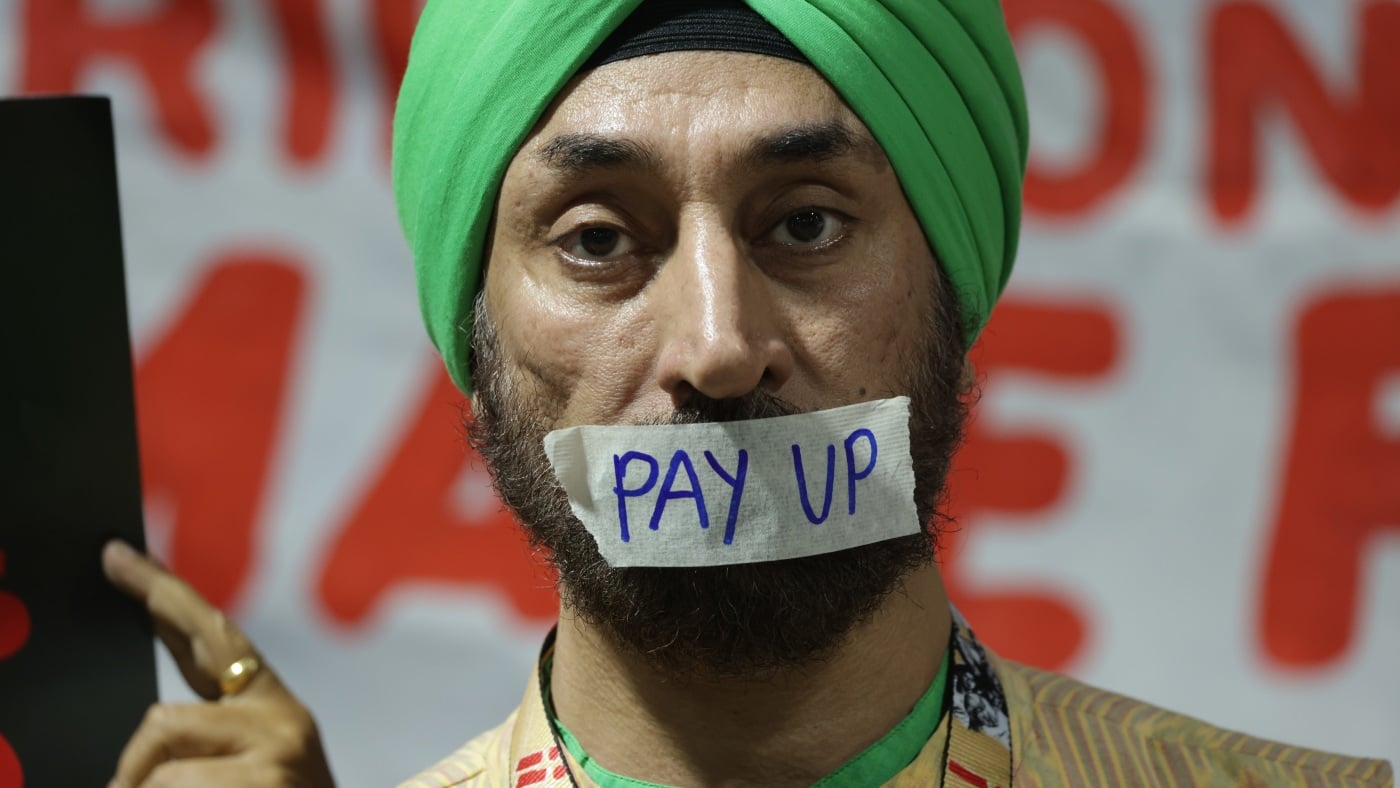
At the COP29 climate conference in Baku, Azerbaijan, negotiators reached a contentious agreement for wealthy nations to provide $300 billion annually to help developing countries combat climate change, far short of the $1.3 trillion requested. The deal, criticized for its inadequacy, was brokered amid tensions and walkouts by developing nations. The conference also faced pushback on fossil fuel phase-out commitments and saw criticism over carbon market rules and insufficient health funding. Some countries announced new climate targets, but the overall outcome left many dissatisfied.
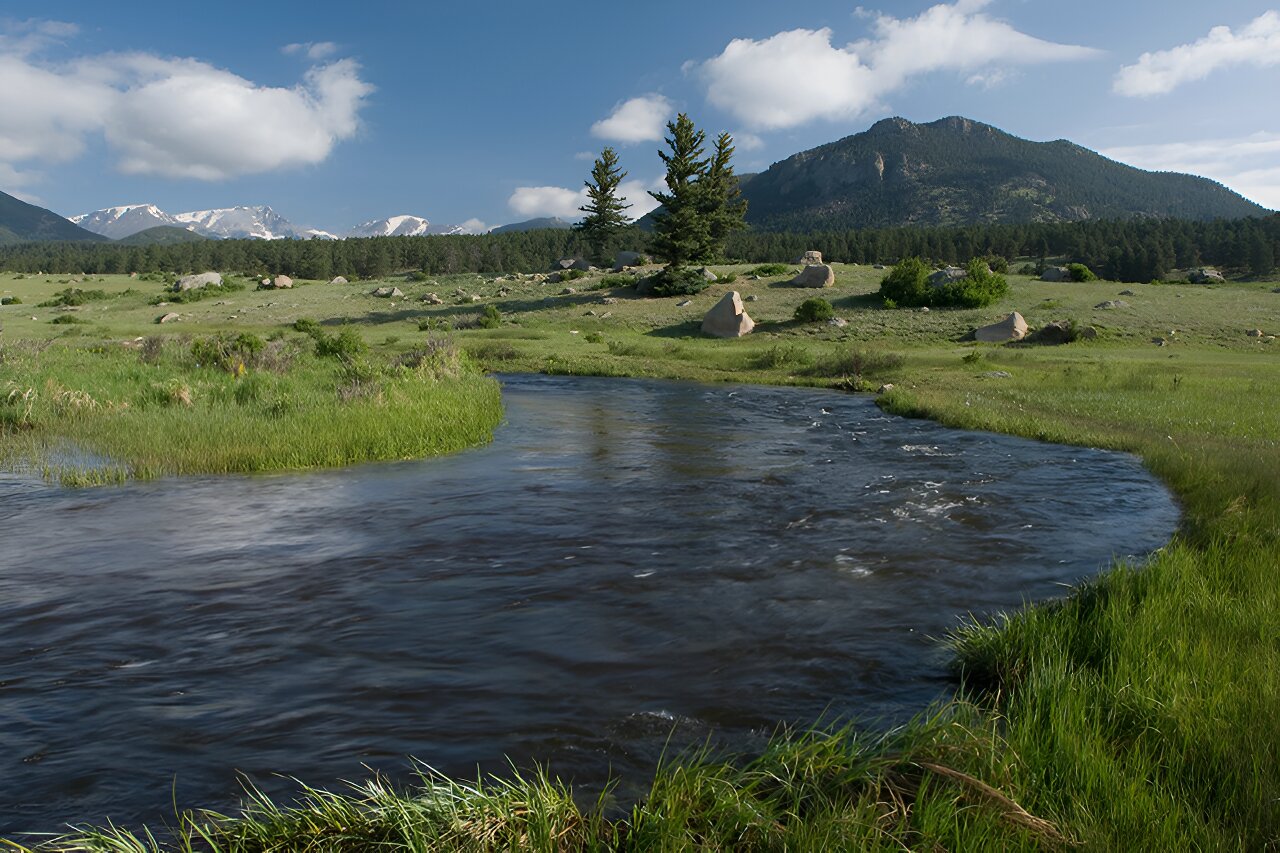
A study from Colorado State University suggests that transitioning to green wastewater-treatment approaches in the U.S. could save $15.6 billion and reduce nearly 30 million metric tons of CO2-equivalent emissions over 40 years. By leveraging carbon-financing, the research explores the economic tradeoffs of adopting green infrastructure and technology solutions, which could address both point-source and non-point sources of water pollution. The findings highlight the potential for significant cost savings and emissions reduction through nature-based solutions and carbon markets, providing an opportunity to accelerate the improvement of America's rivers while transitioning to a renewable energy and restored watershed future.
JPMorgan Chase has signed long-term agreements to purchase over $200 million in high-quality, durable carbon dioxide removal (CDR) technologies, which are expected to remove and store 800,000 metric tons of carbon dioxide equivalent from the atmosphere. The agreements represent one of the largest carbon removal purchases announced to date and will enable the firm to match every ton of its unabated direct operational emissions with durable carbon removal by 2030. The market for carbon removal is expected to grow dramatically between now and 2050, and JPMorgan Chase's investment aims to support the scaling up of carbon removal and storage as commercial solutions.
State Street will provide back-office services to clients who want to invest in carbon credits, making it easier for big investors to trade the products and potentially making them a mainstream investment accessible to individuals. This move could boost the booming market for carbon credits and make it easier for financial firms to create products such as exchange-traded funds.
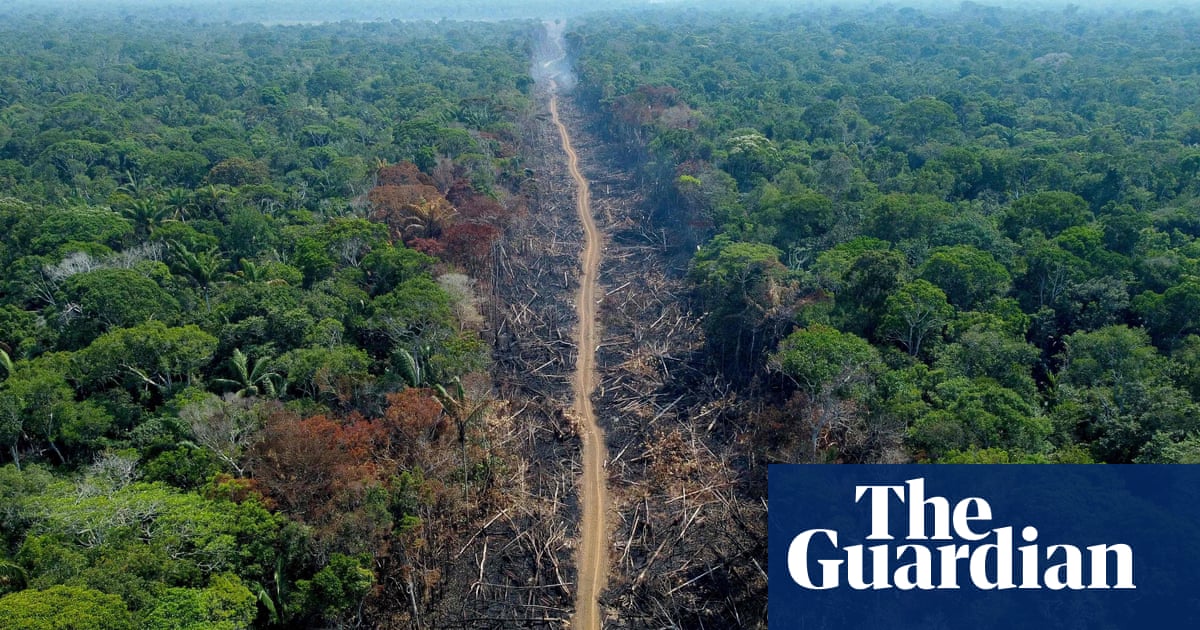
At least $130bn a year is needed to protect the most at-risk areas of tropical forest by the end of the decade, alongside reductions in beef and dairy consumption and government bans on deforestation, a thinktank has warned. Currently, finance to protect forests averages between $2bn and $3bn a year. The report estimates that eliminating the economic incentive to destroy forests for cattle ranching, agriculture and other uses would cost at least $130bn a year. The money could come from carbon markets, wealthy governments and philanthropists, but there must also be urgent actions such as a ban on clearing forests, developing businesses that rely on standing forests and reducing demand for commodities linked to deforestation.