Tag

Environmental Dna

All articles tagged with #environmental dna

environment1 year ago

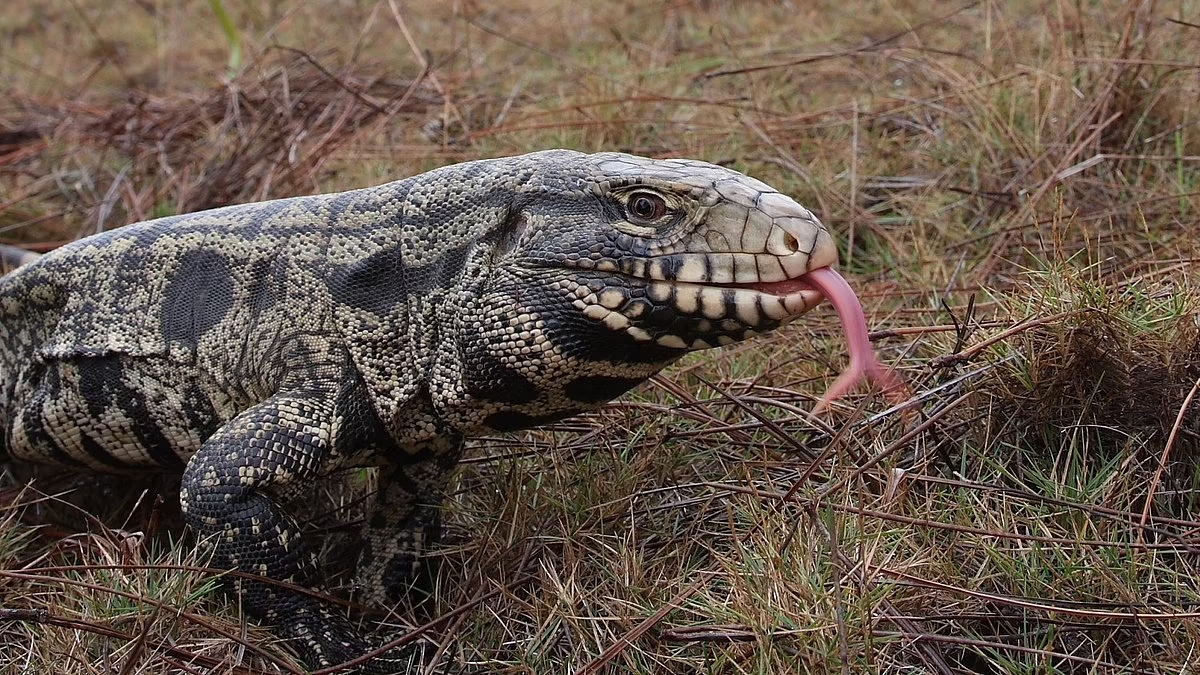
Concerns Rise Over Invasive Smart Dog-Sized Lizards

The Argentine black and white tegu, a dog-sized lizard with a voracious appetite, is causing ecological concerns in the southern U.S. by consuming a wide range of native wildlife and plants. These intelligent lizards, which can regulate their body temperature, have spread to several states, including Florida and Texas. Efforts to control their population include bans on keeping them as pets and the use of environmental DNA technology to track and manage their presence. This issue coincides with the threat posed by another invasive species, the Burmese python.

science1 year ago

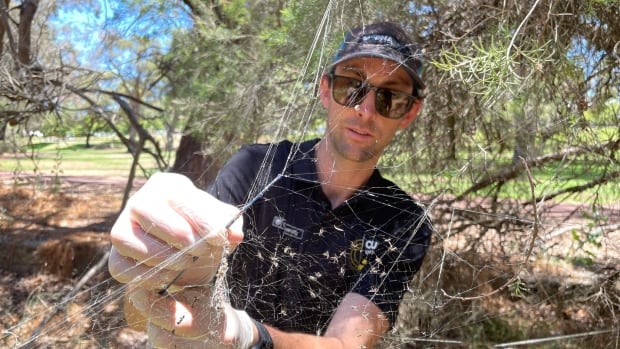
"Spider Webs: Nature's DNA Traps Revealing a Wealth of Genetic Information"

Australian researchers have discovered that spider webs contain genetic materials from a wide variety of animal species, making them a valuable tool for measuring biodiversity. By collecting and analyzing spider webs, scientists were able to identify DNA from 93 different vertebrates, shedding light on the potential of using environmental DNA (eDNA) to track biodiversity. This innovative method offers a quick and easy way to monitor genetic material in the environment, although it is just one tool in the scientific toolbox for measuring biodiversity.

science1 year ago

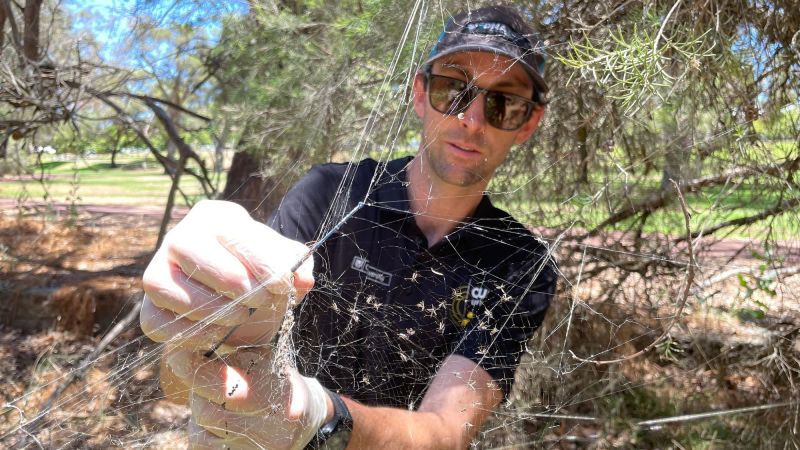
"Spider Webs: Trapping Genetic Information for Wildlife Research"

Australian scientists have discovered that spiderwebs contain a wealth of genetic information from the surrounding environment, including DNA from various animals. This finding could be used to track endangered species and monitor ecosystems. The study revealed the genetic signature of 93 animals, including native kangaroos and koalas, captive elephants, and zebras. The technique involving environmental DNA (eDNA) has already made significant impacts in scientific research and conservation efforts. The study's next step is to compare spiderwebs with other materials that collect eDNA, such as soil and water.

science-and-environment1 year ago

"Spider Webs: Unraveling Wildlife Secrets with Environmental DNA"

Scientists have discovered that spiderwebs can act as air filters, capturing environmental DNA from terrestrial vertebrates, providing a low-cost and noninvasive tool for monitoring animal biodiversity. By collecting spiderwebs in woodlands and at the Perth Zoo, researchers were able to detect DNA from a variety of animals, including native species and invasive ones. This new technique offers a clever and cute way to track animal biodiversity, aiding conservation efforts and providing valuable insights into the movement and accumulation of DNA in terrestrial environments.

nature2 years ago

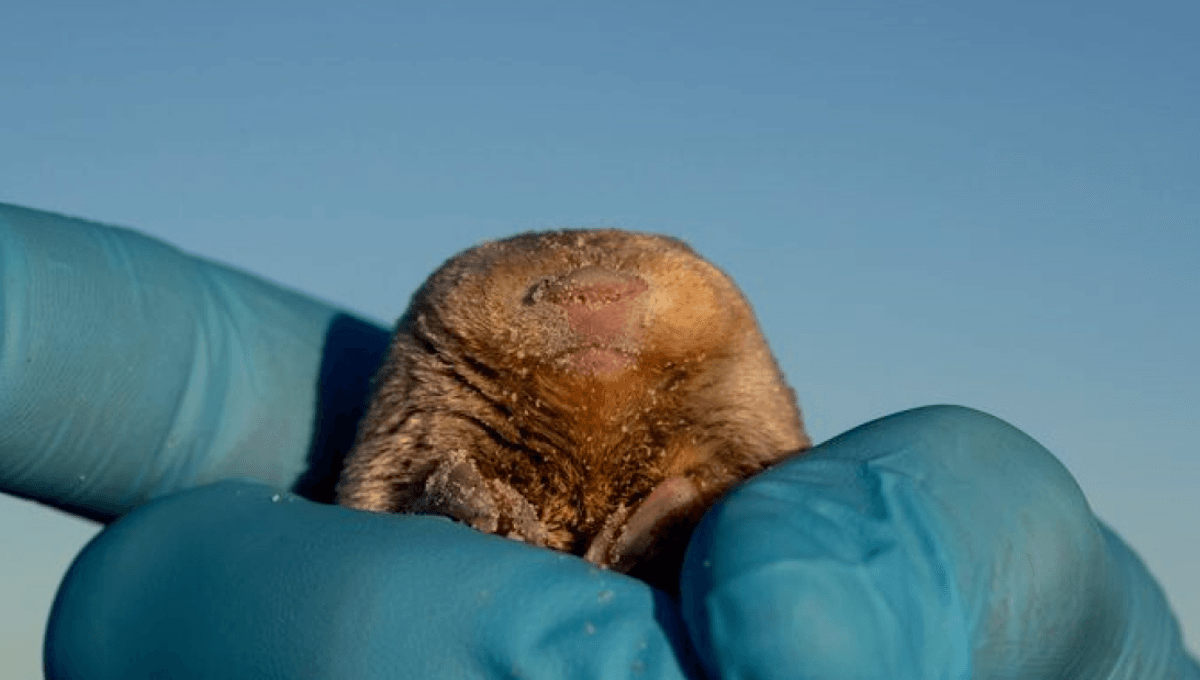
Rare Golden Mole Rediscovered After 85 Years

The De Winton's golden mole, believed to be lost since 1936, has been rediscovered alive and well in South Africa. Researchers used environmental DNA (eDNA) to detect the mole's presence in sandy dunes along the northwest coast. This marks the 11th species to be rediscovered since the Search For Lost Species initiative began in 2017. The finding highlights the importance of protecting the few remaining habitats where these rare moles can be found.

science-and-environment2 years ago

"Revolutionary Environmental DNA Technique Reveals Invasive Fish's Genetic Diversity"

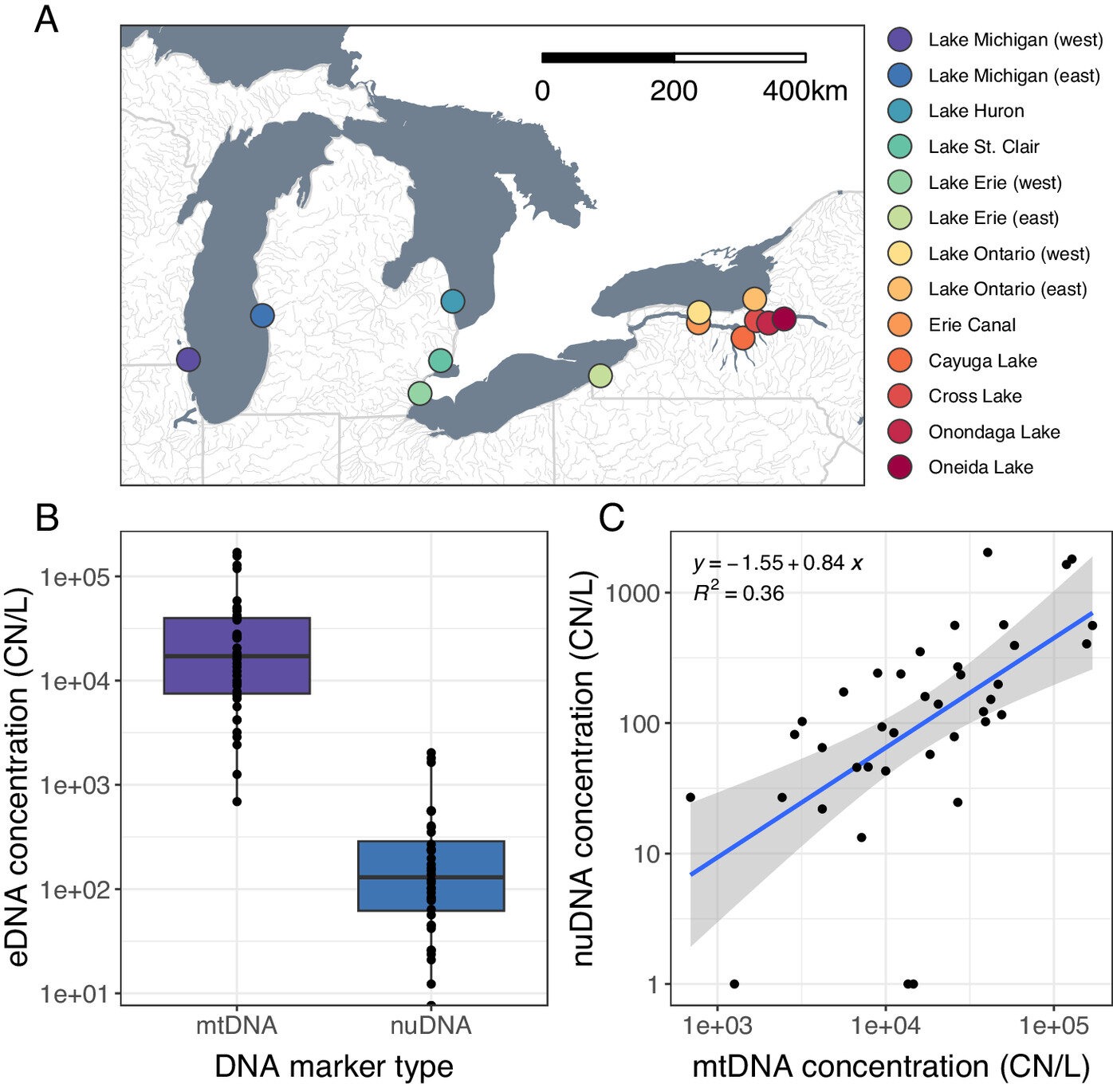
Ecologists have made a breakthrough in using environmental DNA (eDNA) to detect genetic diversity within species, specifically invasive round goby fish in the Great Lakes and New York Finger Lakes. By analyzing both mitochondrial DNA and nuclear DNA, researchers were able to gather valuable information about the genetics of whole populations, aiding in the protection of endangered species and management of invasive species. This advancement has the potential to revolutionize biodiversity conservation and provide insights into the demographics and health of imperiled species.

science-and-technology2 years ago

"Groundbreaking Study: Airborne Animal DNA Extracted in Danish Forest"

Scientists from the Globe Institute at the University of Copenhagen conducted an experiment in a Danish forest, using DNA air samplers to collect airborne particles and identify animal species. Over three days, they discovered DNA traces from 64 animal species, including domestic animals and terrestrial wild animals such as red deer, roe deer, and white-tailed eagles. The results show the potential of DNA air sampling as a valuable tool for biodiversity monitoring and understanding ecosystem changes. Despite limitations, this non-invasive technique could aid in disease surveillance and forensic investigations, and represents an exciting frontier in biological and ecological research.

science-and-environment2 years ago

Tracking Wildlife with Air Pollution Sensors

Air pollution sensors have been found to inadvertently capture environmental DNA from animals and plants, which could be used to help understand past and future changes in biodiversity. Scientists recovered environmental DNA from more than 180 different plants, fungi, insects, mammals, and amphibians from air quality filters located in Scotland and London. Existing air quality networks could be a huge untapped source of biodiversity data, according to the study. The regular monitoring provided by air filters is "unheard of in biodiversity science" and crucial to understanding species changes.

environment2 years ago

Air-quality filters reveal species status through airborne DNA.

Air-quality monitoring stations around the world are inadvertently collecting genetic material from plants and animals, creating an untapped “vault of biodiversity data”. Testing environmental DNA (eDNA) from two UK air-quality stations revealed the presence of more than 180 fungi, insects, mammals, birds and amphibians, including badgers, dormice, little owls, hedgehogs and smooth newts. The data can tell scientists which animals live nearby, and could become an important tool in monitoring declines in biodiversity by amassing large amounts of local data over long periods of time.

science-and-technology2 years ago

The Global Reach of DNA Sampling: Privacy Concerns Arise.

Scientists can now extract DNA details from people who have passed through an area by collecting samples of air, water, or dirt. This new environmental DNA (eDNA) technology has both pros and cons, including breakthroughs in epidemiology and disease control, but also raises concerns about genetic privacy and perpetual genetic surveillance. As this technology advances, ethical and legal dilemmas surrounding genetic rights and authority over individual genetic codes need to be addressed.

science2 years ago

The Ubiquity of Human DNA: Implications for Science and Privacy

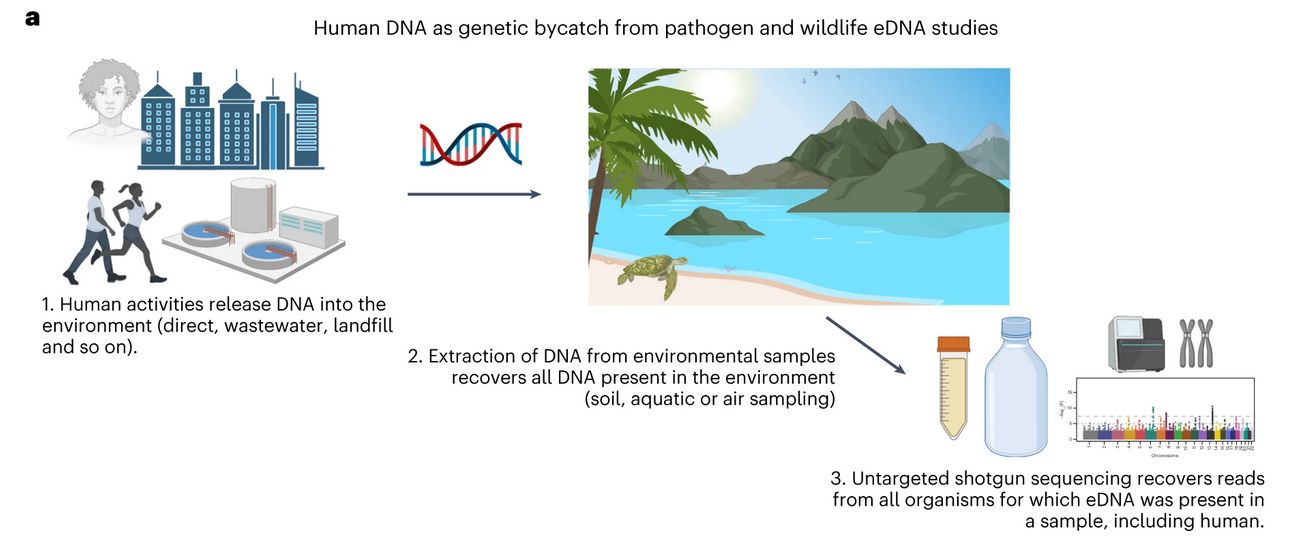
Researchers at the University of Florida have found that human DNA is present in environmental DNA samples, which could be used to monitor human populations for genetic issues. However, preventing contamination of samples with human DNA is difficult. Additionally, the possibility of individual-level tracking using eDNA-based monitoring is exciting to researchers but may not be acceptable to humans. As genetic sequencing methods improve, the use of environmental DNA sampling for population health monitoring is likely to increase.

science-and-technology2 years ago

Scientists Discover Human DNA Present Everywhere, Raising Privacy Concerns.

Scientists from the University of Florida have discovered traces of human DNA in the environment through their study of environmental DNA (eDNA). The genetic data found in eDNA has the potential to identify diseases and trace maternal lineage. However, the findings raise concerns about genetic privacy and the need for regulations to safeguard citizens from exploitation by law enforcement and other institutions. The discovery also opens new avenues for tracking endangered species and combating various diseases.

science-and-technology2 years ago

The Global Presence of Human DNA Raises Concern Among Scientists

Scientists have warned that society may not be prepared for the consequences of the ability to sift scraps of human DNA out of the air, water, or soil and decipher personal details about the individuals who dropped them. While this technology has beneficial uses, it also raises concerns about genetic privacy and the potential for perpetual genetic surveillance. The study's authors are calling for policy makers and society to develop regulations to address these issues.

science2 years ago

Scientists discover human DNA can be collected from anywhere, raising privacy concerns.

Scientists have discovered that human DNA can be easily found virtually anywhere, from furniture to footprints and even open air, allowing it to later be sequenced. The study showed that environmental DNA (eDNA) is enough to determine the genetic ancestry of nearby populations as well as help to determine how diseases mutate in the area. It also showed that eDNA could open doors for scientific advancements in medicine and forensics. However, the groundbreaking finding raises ethical concerns and could pose a threat to personal privacy, as such handy DNA collection could facilitate efforts to harvest genetic information without an individual’s express consent.