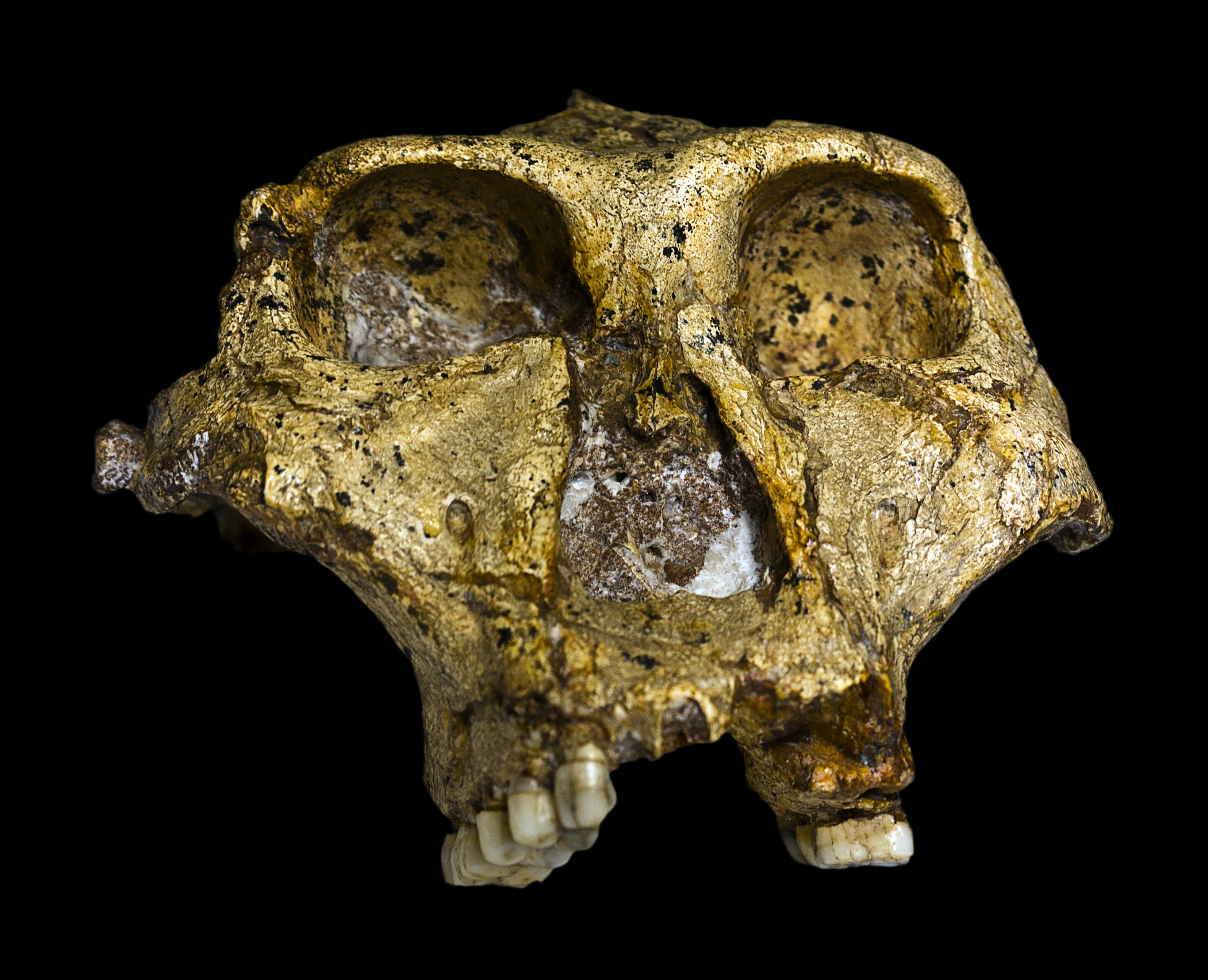
Scientists analyzed enamel proteins from 1.8 to 2.2 million-year-old Paranthropus robustus teeth, revealing biological sex differences and high genetic diversity, suggesting the existence of distinct groups and frequent intergroup mating.
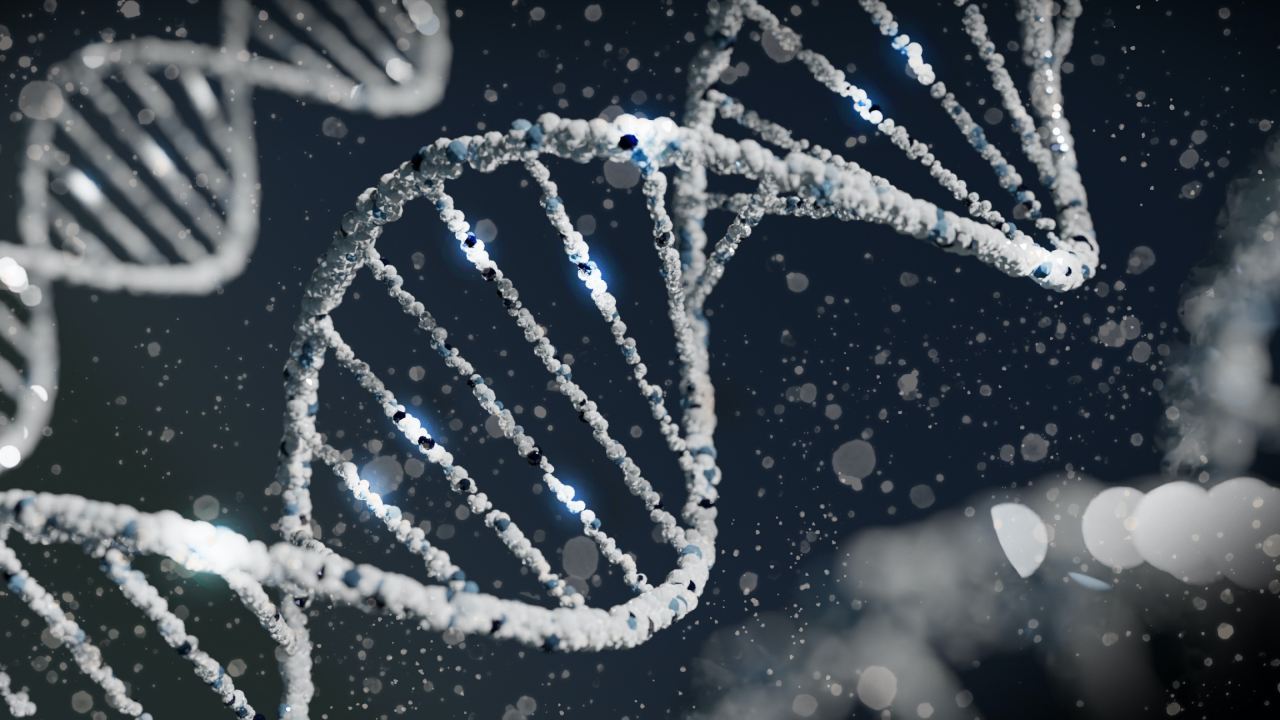
Scientists have completed the sequencing of the Y chromosome, the smallest and most complex chromosome in the human genome, resolving most of the missing DNA sequences. The international consortium of researchers, known as T2T, added 200 million letters to the human genome, discovering 40 previously unknown protein-coding genes. The new reference genome, called T2T-CHM13+Y, has been made available to the research community. Additionally, a study on the sequences of 43 Y chromosomes from humans over the last 183,000 years revealed great diversity in size and structure. These findings contribute to the pangenome initiative, which aims to capture the genetic variability among individuals and improve our understanding of genetic diseases.