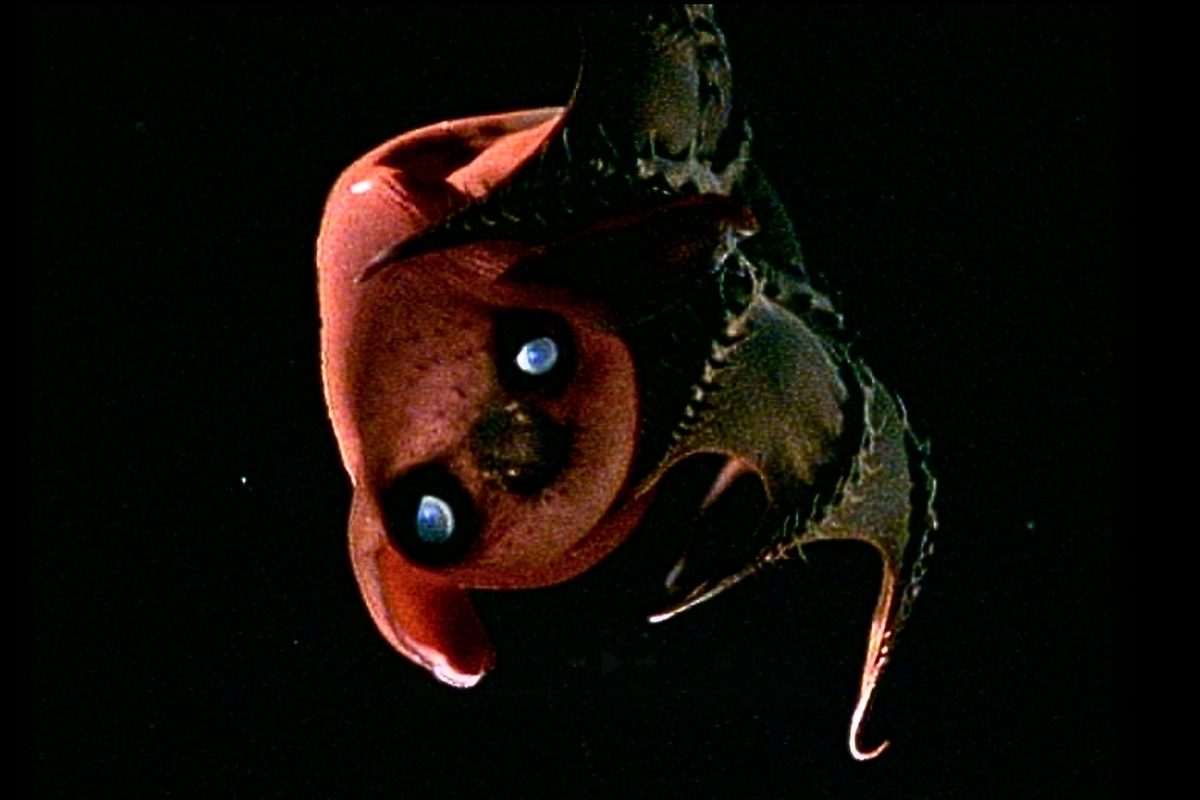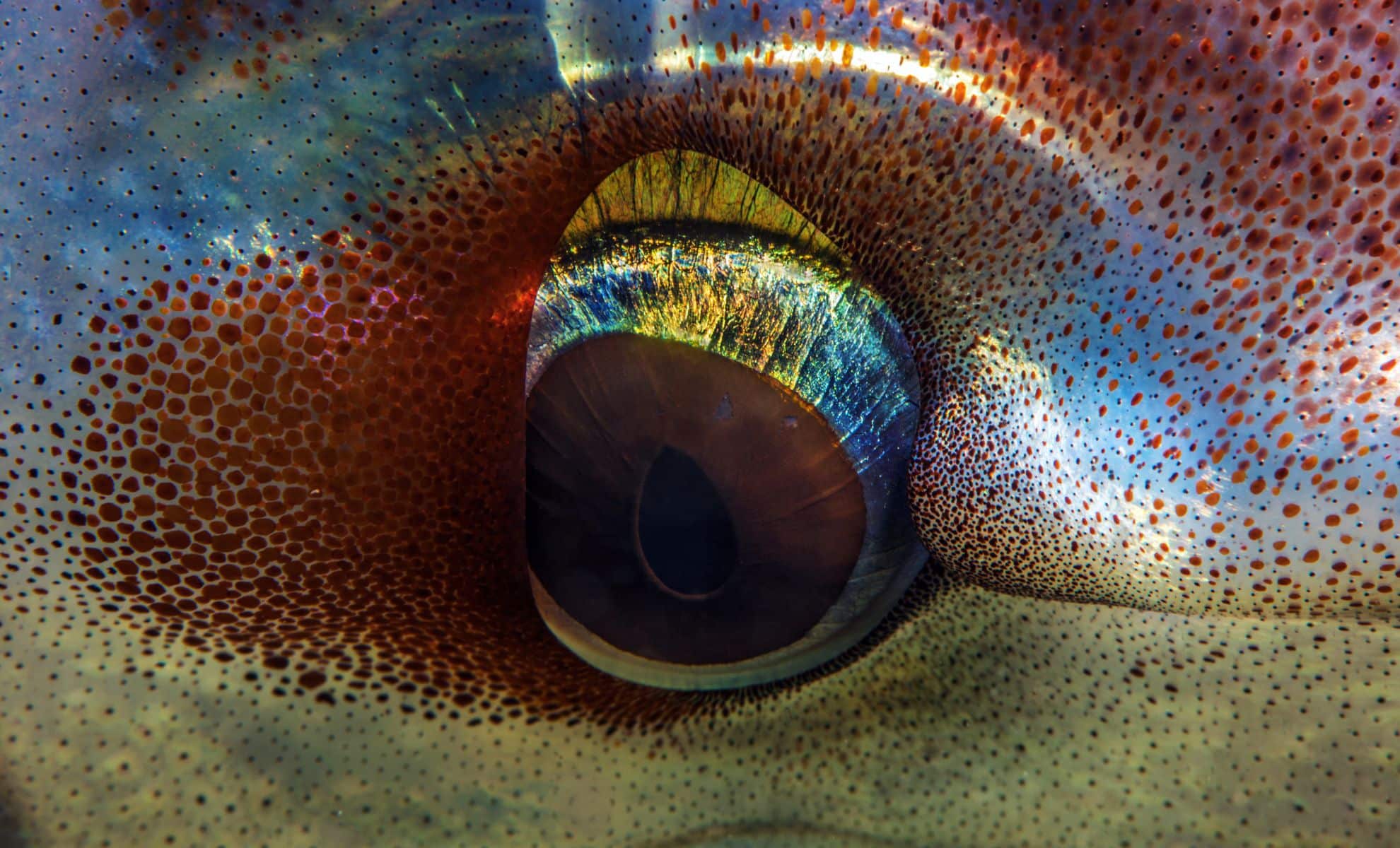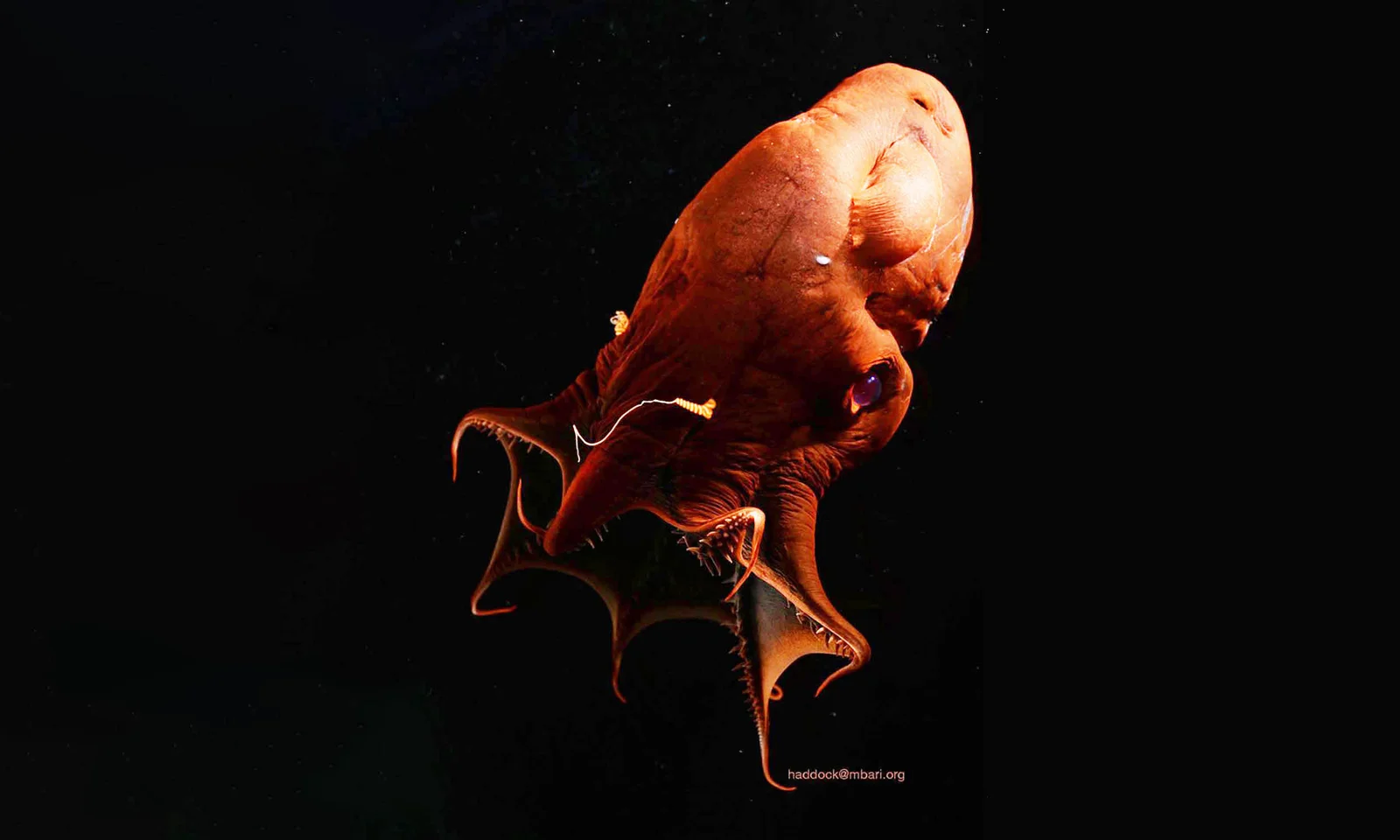
A new study sequencing the vampire squid genome reveals its position as a genomic 'living fossil' that links squids and octopuses, showing how chromosomal changes shaped cephalopod evolution and highlighting the vampire squid's retention of ancient traits.
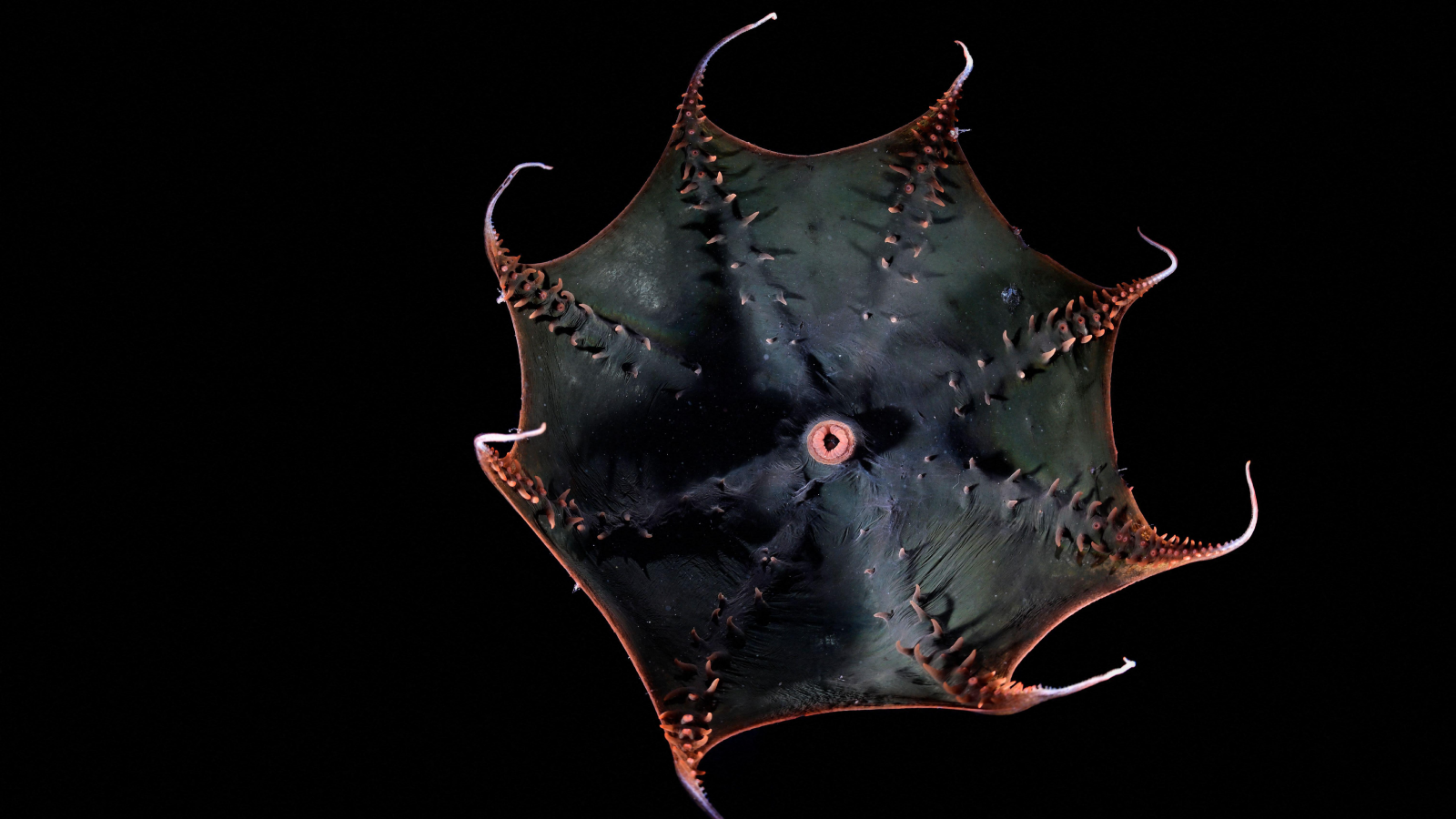
Scientists sequenced the genome of the vampire squid, revealing it has retained many ancient, squid-like chromosomal features despite belonging to the octopus group, making it a 'living fossil' that offers insights into cephalopod evolution.
Scientists have extracted DNA from the vampire squid, revealing that its genome is the largest among cephalopods and providing new insights into the evolutionary history of squids and octopuses, indicating that their common ancestor was more squid-like than octopus-like 300 million years ago.
A study published in Science reveals that 100 million years ago, squids were abundant and dominated the oceans as apex predators, challenging previous beliefs about their evolutionary timeline and highlighting their significant role in ancient marine ecosystems through advanced digital fossil analysis.