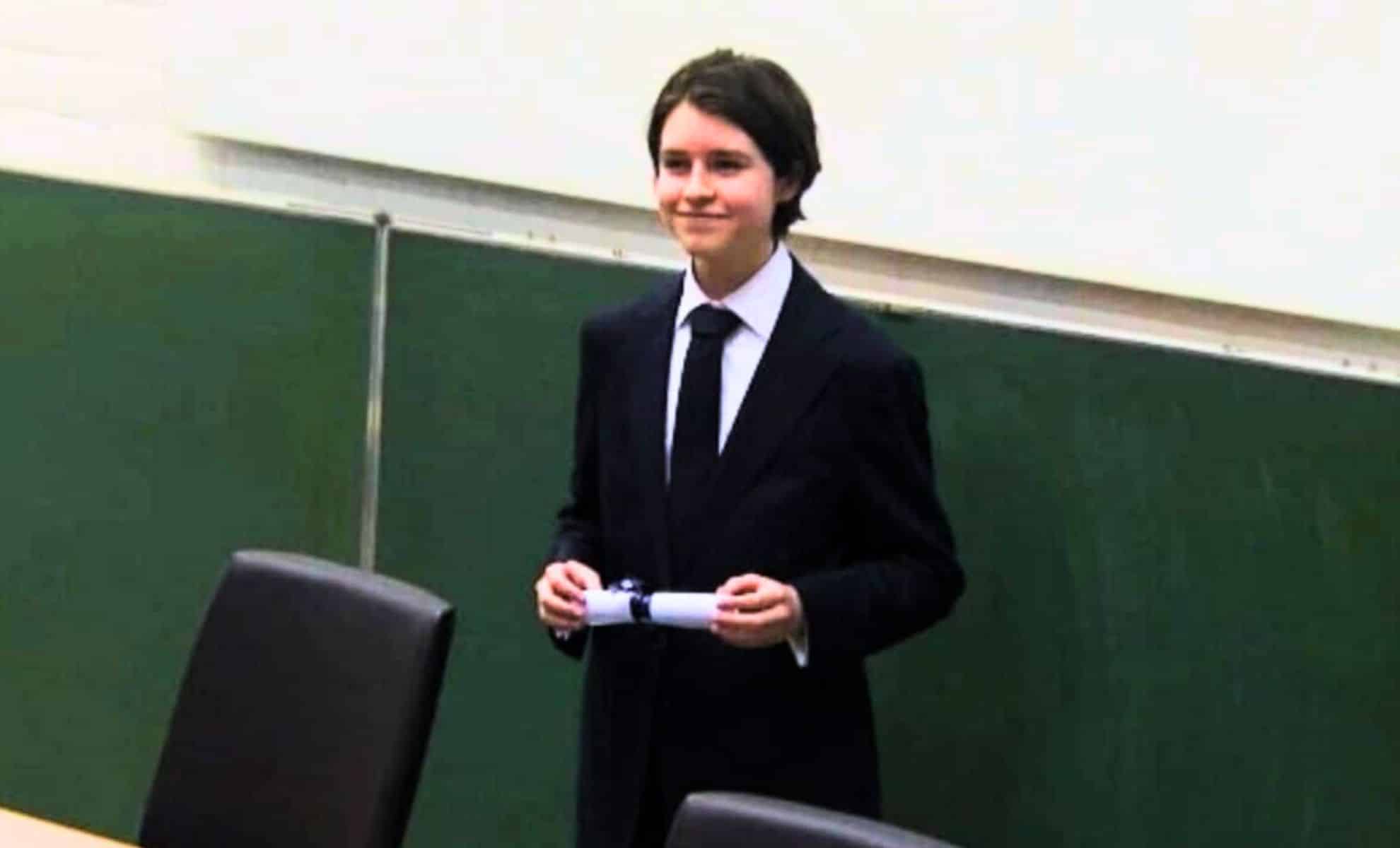
A 15-year-old named Laurent Simons, who completed a PhD in quantum physics through conventional academic channels, is now pursuing a second PhD in medical science and AI with the goal of creating superhumans, raising both scientific and ethical questions about human enhancement and interdisciplinary research.
Recent advances in neuroscience suggest that memory can be manipulated in lab settings, with potential applications for healing mental health issues, though ethical concerns remain about its use in humans.
Scientists have made significant progress in understanding and manipulating memories, with potential therapeutic benefits such as erasing traumatic memories or restoring lost ones, but ethical considerations and public dialogue are crucial as the field advances.
Scientists may have discovered a method to eliminate the chromosome linked to Down syndrome, raising hopes for potential prevention but also sparking ethical debates about eugenics and genetic modification.
Microsoft AI pioneer Nathan Myhrvold suggests that achieving human-level AI is close, requiring a few major breakthroughs or 'miracles,' while emphasizing the importance of ethical development and innovative energy solutions to support the growing demands of AI and cloud computing.
A study by Washington University reveals a significant gap between people's interest in knowing their Alzheimer's risk and their actual willingness to receive such information when offered, highlighting ethical and emotional complexities in disclosing risk results without available treatments.
British journalist Rowan Hooper explores a fictional future where neurobiological advancements could enable humans to connect their brains to those of animals, allowing experiences like seeing through a rat's eyes or flying like a bird, raising intriguing possibilities and ethical questions.
A tech guru predicts that artificial intelligence could revolutionize the dating scene by creating virtual companions, potentially generating a $1 billion revenue. This concept involves AI-powered companions offering conversation, comfort, and connection, potentially supporting millions struggling with loneliness. While it presents opportunities for those finding traditional dating challenging, ethical considerations, privacy concerns, and potential psychological effects need to be addressed. The market trend shows an increasing integration of AI and technology in social interactions, with forecasts indicating significant growth in the AI-driven romantic and companionship solutions market within the next decade.
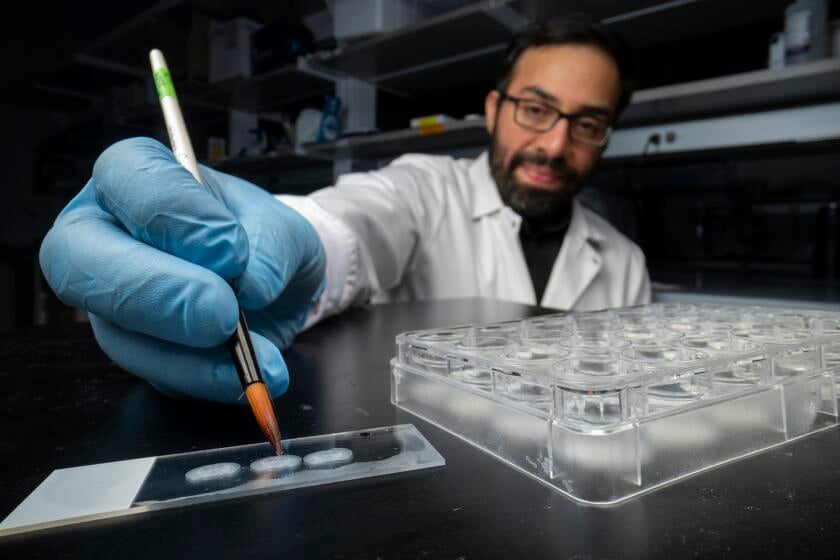
Scientists have made progress in creating a brain-like computing system by integrating real human brain tissue with electronics in a process called Brainoware. The system, which uses brain organoids connected to microelectrodes, demonstrated the ability to perform tasks like speech recognition and math problems. While the system is slightly less accurate than pure hardware computers running on artificial intelligence, it represents an important step towards a new kind of computer architecture. However, ethical considerations surrounding the use of human neural tissue in computing systems need to be addressed. The research could provide insights into learning mechanisms, neural development, and cognitive implications of neurodegenerative diseases.
Joran van der Sloot, already serving time for another murder, pleaded guilty to extortion and wire fraud charges related to the 2005 disappearance of Natalee Holloway. He also confessed to her murder, bringing closure to a case that has captivated the public for almost two decades. The media frenzy surrounding Holloway's case shaped the true crime genre, with numerous books, TV shows, and podcasts dedicated to her story. The mystery surrounding her disappearance and the persistence of her parents kept people invested, while the case highlighted the need for ethical considerations and equal attention to all victims in the true crime genre.
AI-enhanced companion robots have the potential to alleviate the loneliness epidemic affecting a significant portion of the global population. A new report emphasizes the need for ethical guidelines and proposes a "Companion Robot Impact Scale" to measure the benefits of these robots on physical health and loneliness. The study suggests that companion robots could be a viable solution for isolated individuals lacking other options. Loneliness carries serious health risks, and while having real friends is still considered the best solution, companion robots can provide support for those who are socially isolated.
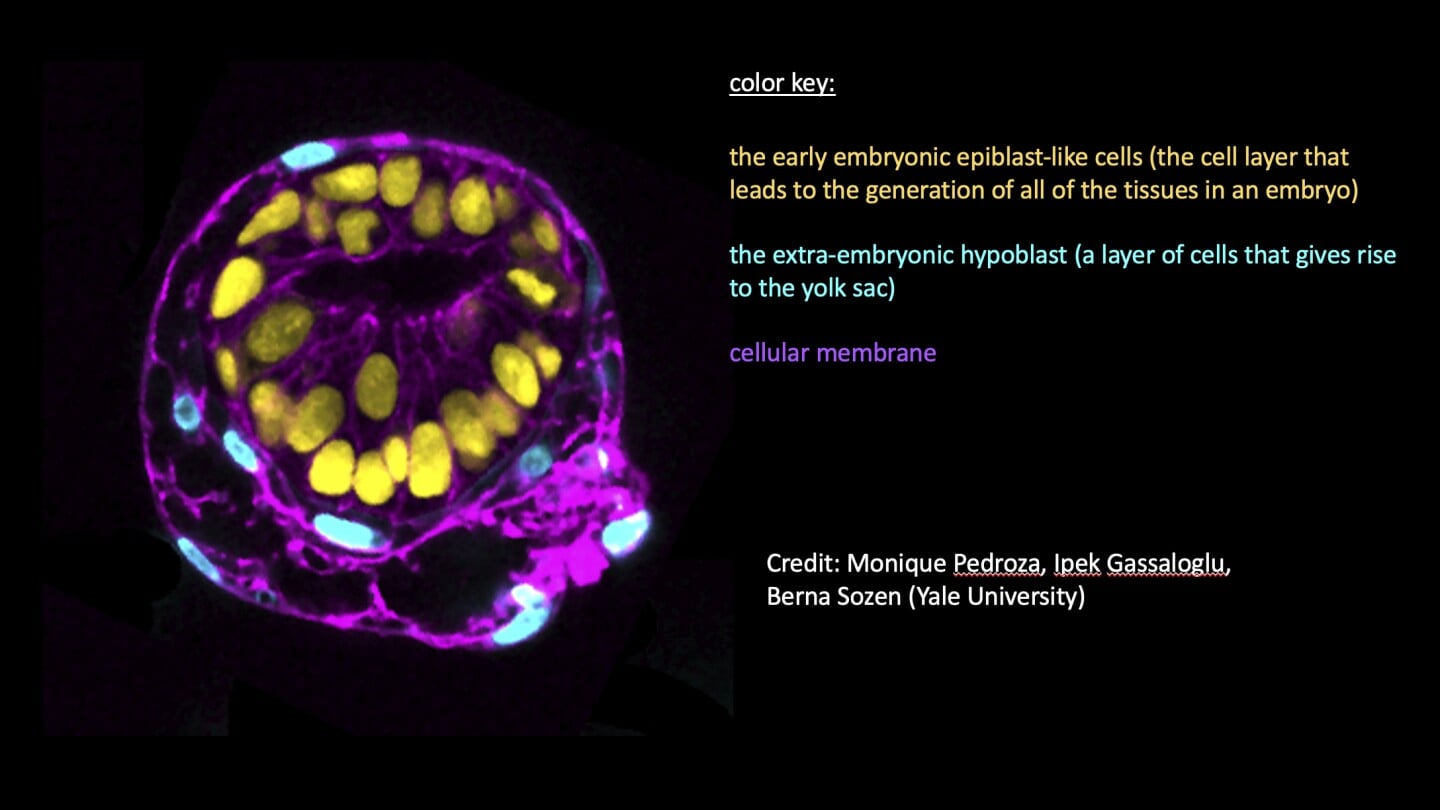
The race to build human embryo models from stem cells has sparked global controversy, with researchers making significant progress in growing stem cells into structures resembling human embryos. However, concerns have been raised about the lack of outside analysis, ethical considerations, and legal regulations. The spread of misinformation and accusations of overblown claims have further fueled the debate surrounding synthetic babies.
Scientists have created embryo models using stem cells to study early human development and understand medical problems that occur before birth. These models, which resemble embryos after implantation in the uterus, provide insights into the hidden stages of human development. Researchers from the United States, England, Israel, and China have published studies on their work, describing models that mimic human embryos up to 14 days after fertilization. These models can help study embryonic failure, developmental disorders, and pregnancy loss, as well as explore the effects of the environment and chemicals on early development. However, ethical guidelines prevent the use of these models for reproduction, and they are not subject to the "14-day rule" that limits the growth of actual embryos in the lab.
OpenAI CEO Sam Altman testified before Congress about regulating AI and his fears over "scary" AI systems. ChatGPT, OpenAI's chatbot, provided examples of "scary" AI, including autonomous weapon systems, deepfakes, AI-powered surveillance, social engineering bots, and AI bias and discrimination. Altman also expressed concerns about the potential harm AI could cause and invited the opportunity to work with lawmakers on crafting regulations for AI to prevent unwanted outcomes. The examples highlight the importance of responsible development, regulation, and ethical considerations to mitigate potential risks and ensure the safe use of AI technologies.
Apple co-founder Steve Wozniak has criticized Tesla CEO Elon Musk for failing to deliver on the promise of self-driving cars and warned that Tesla's AI technology could be deadly. Wozniak praised Musk's efforts to promote electric vehicles but expressed disappointment that Musk has yet to fulfill his promise to introduce self-driving cars. He also called for regulations to ensure that companies prioritize ethical considerations and safety when developing powerful technologies like AI.