Tag

Crop Protection

All articles tagged with #crop protection

agriculture1 year ago

BYU Professor Honored with Namesake Nematode Species for Pesticide-Free Pest Control

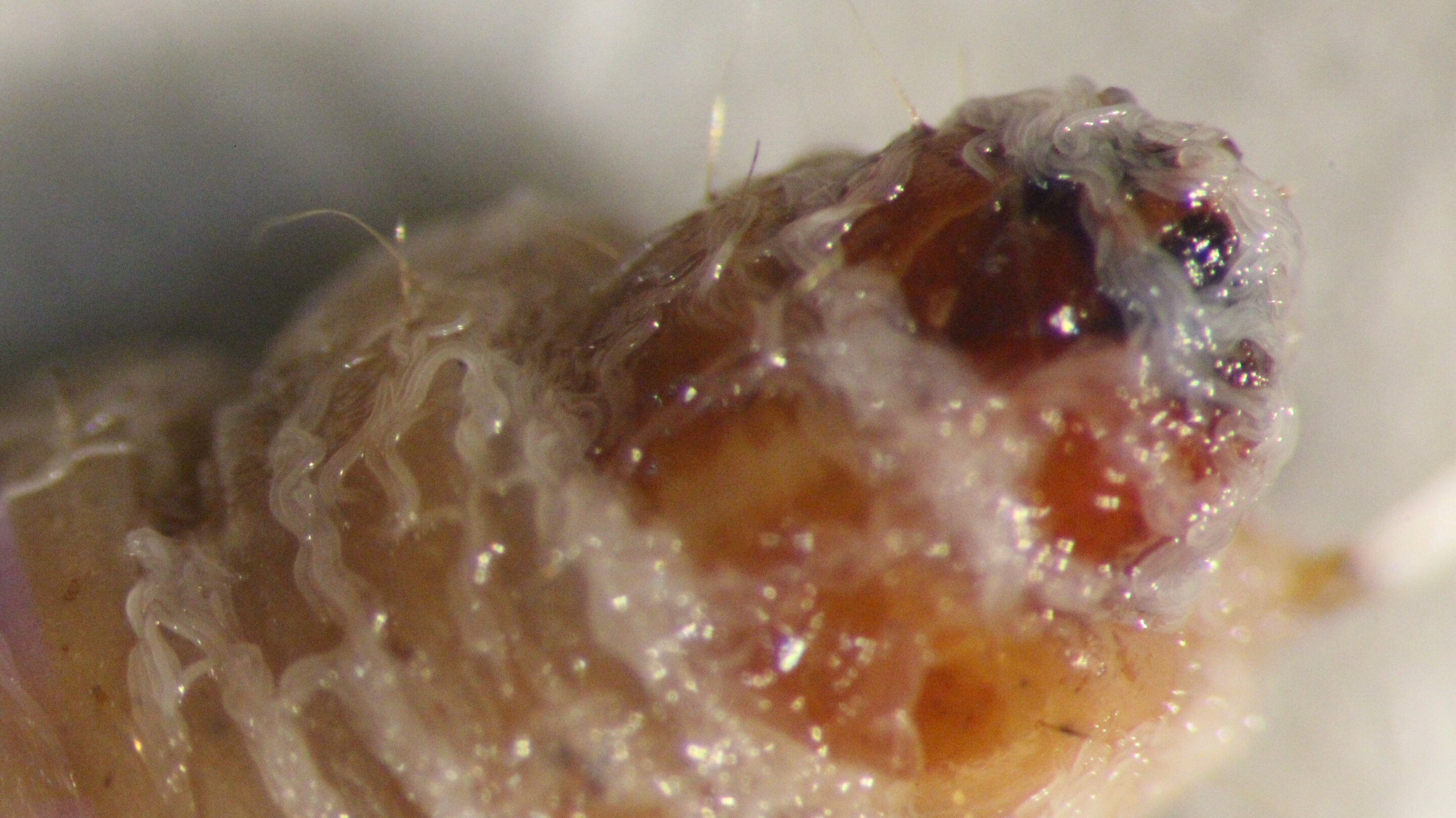
UC Riverside scientists have discovered a new species of nematode, Steinernema adamsi, which could potentially control crop pests in warm, humid environments without the need for pesticides. These nematodes are part of the Steinernema family and have long been used in agriculture to combat insect parasites. The newly discovered species, named after biologist Byron Adams, has unique features and could offer insights into ecological and evolutionary processes. Researchers hope to further study its properties and potential applications in pest control.

agriculture2 years ago

"Insecticide Resistance in Bluegreen Aphids Poses Global Crop Threat, Warn Researchers"

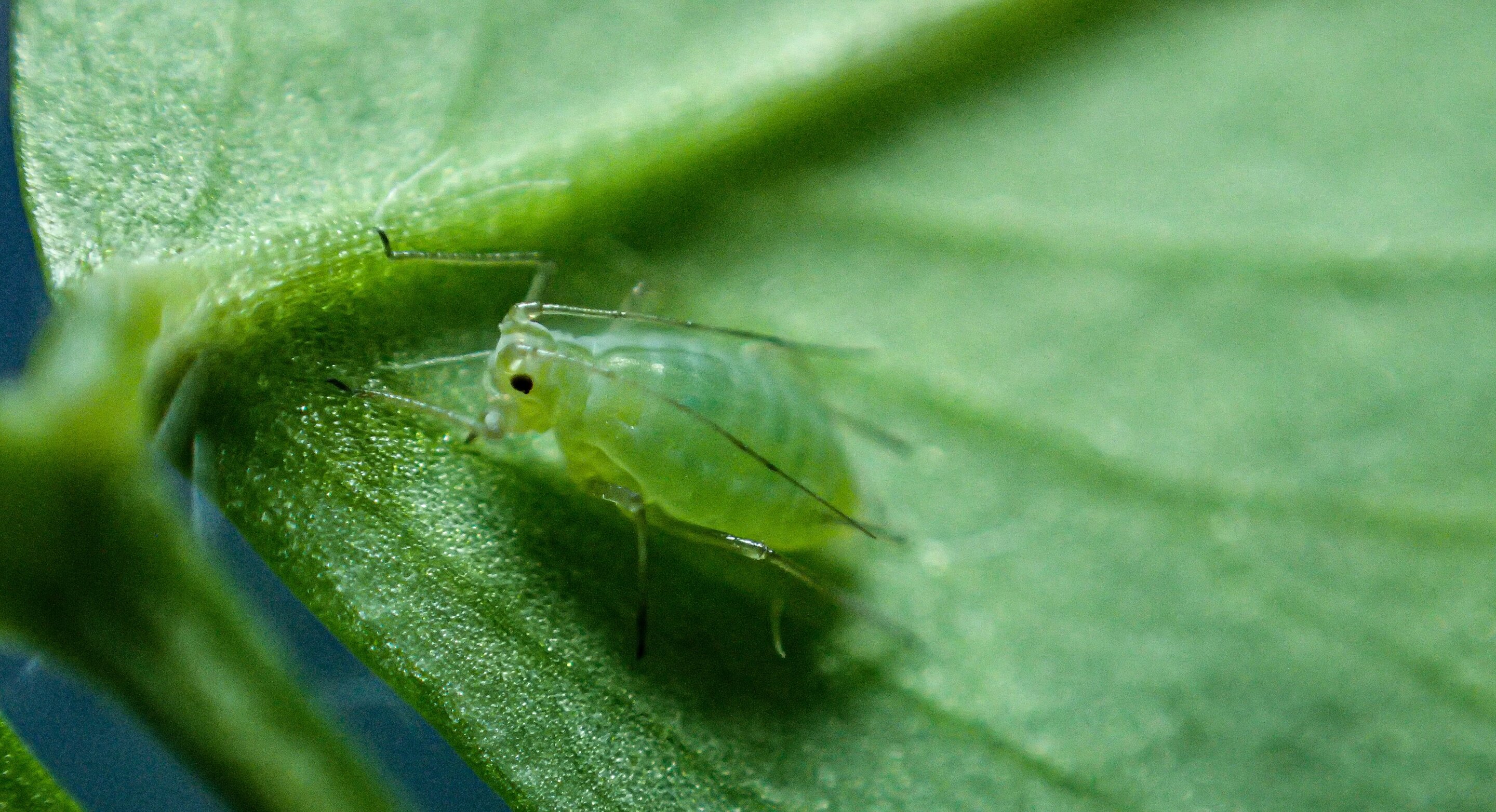
Researchers in Australia have discovered insecticide resistance in bluegreen aphids, a significant pest of legume crops worldwide. The study warns of a global threat to crops and emphasizes the need for new strategies to manage this pervasive pest. The researchers found moderate resistance to multiple insecticide groups in field-collected aphid populations, highlighting the challenges faced by growers. They recommend integrated pest management strategies, including the exploration of non-chemical control options and the potential use of novel endosymbiont-based interventions to mitigate the damage caused by these insecticide-resistant pests.

agriculturebiotechnology2 years ago

"Revolutionizing Crop Protection: The Power of Engineered Plant Microbiomes"

Scientists at the University of Southampton have successfully engineered the microbiome of plants for the first time, potentially revolutionizing crop protection and reducing reliance on harmful pesticides. By manipulating a specific gene in rice plants, they boosted the numbers of beneficial bacteria, leading to substantial resistance to bacterial blight. This breakthrough could have far-reaching implications for sustainable agriculture, including reducing the need for synthetic fertilizers and benefiting the environment.

agriculture2 years ago

"Ferns: Nature's Crop-Saving Insecticide"

A study has discovered novel insecticidal proteins in ferns, which could potentially be used for plant-made protein pest control in crop plants. These proteins, designated as IPD113, were found in ferns like Pteris species and were effective against major lepidopteran pests of maize and soybeans. The proteins showed a surprising similarity to certain insecticidal proteins derived from bacteria, even though they are derived from plants. This discovery offers an alternative mode of action and a potential solution to pest resistance to existing insecticidal methods.

science-and-technology2 years ago

"Scientists Uncover Breakthrough Method to Neutralize Microbial Proteins, Saving Billions in Damages"

Scientists have discovered a potential method to neutralize harmful bacterial proteins, AvrE/DspE, that cause diseases in crops by suppressing plants' immune systems. Using AI predictions, researchers found that these proteins create channels in plants, leading to infections. However, they also identified nanoparticles that can block these channels, effectively preventing the bacteria from causing harm. This discovery could potentially save the global economy $220 billion lost to plant diseases annually. The next step is to further investigate the interaction between the nanoparticles and the channel proteins to develop better designs for crop protection.

science-and-technology2 years ago

"Revolutionary Approach: Eliminating Gray Mold in Crops Safely and Sustainably"

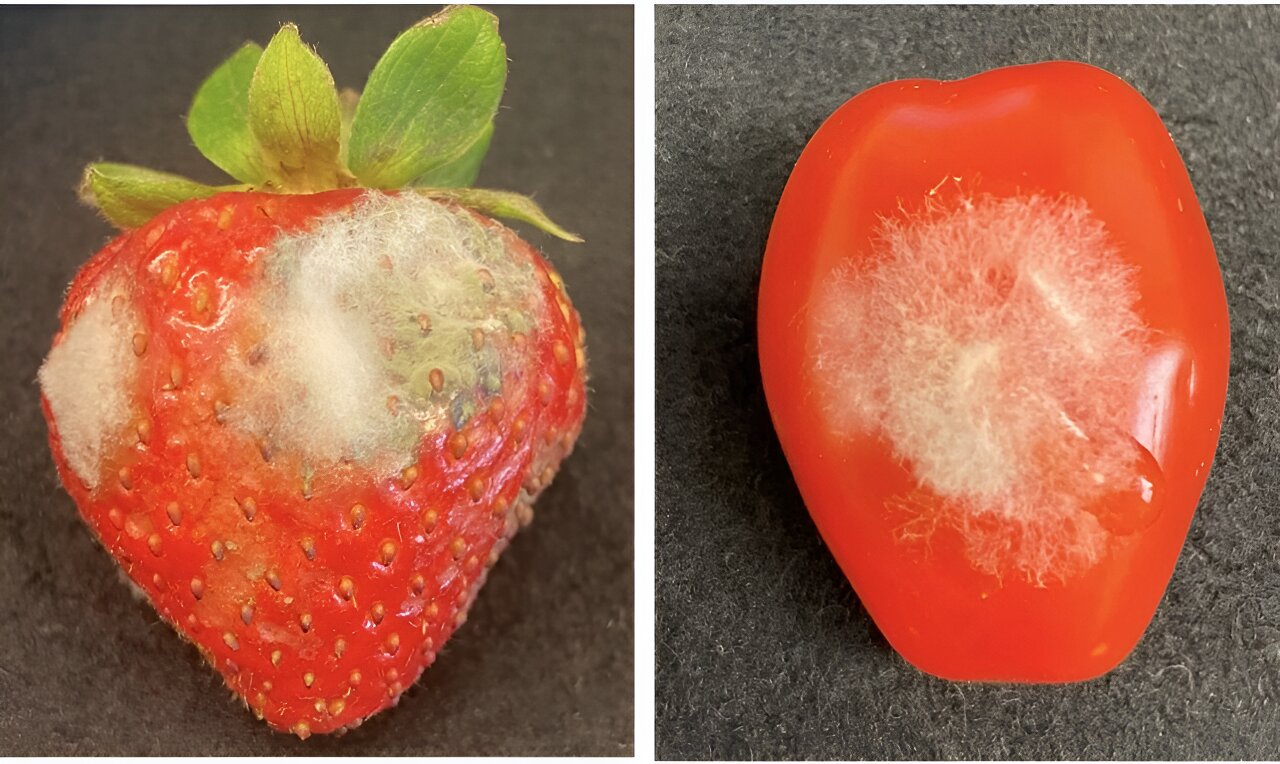
Researchers at the University of California, Riverside have discovered that gray mold, a fungus that causes significant crop losses, uses lipid-based bubbles called extracellular vesicles to communicate with and infect its host plants. These vesicles contain small RNA molecules that suppress the plants' immune systems. By targeting a specific protein called tetraspanin on the surface of these vesicles, the researchers were able to reduce the mold's ability to secrete and deliver the RNA-containing bubbles. This finding could lead to the development of eco-friendly RNA fungicides that effectively combat gray mold and other fungal pathogens, without the use of toxic chemicals.

science-and-technology2 years ago

Cotton genome sequenced by computer scientists.

Computer scientists at DePaul University have reconstructed one of the most complete genomes of a top cotton species, African domesticated Gossypium herbaceum cultivar Wagad, using a bioinformatics workflow. The results give scientists a more complete picture of how wild cotton was domesticated over time and may help to strengthen and protect the crop for farmers in the U.S., Africa and beyond. The study took nearly two years of work across disciplines and was published in the journal G3 Genes|Genomes|Genetics.