Tag

Environmental Monitoring

All articles tagged with #environmental monitoring

environment3 months ago

Increased Frequency of Dust Storms at Great Salt Lake

New research reveals that dust storms around the Great Salt Lake are more frequent than previously thought, posing health risks especially to children due to toxic metals like arsenic and lead. The study highlights the need for better monitoring and preventative measures to protect communities from airborne pollutants originating from the lake's receding shoreline and industrial activities.


technology3 months ago

Innovative Water-Walking Robots Inspired by Insects and Polymer Tech

Researchers at the University of Virginia have developed insect-inspired water-walking robots using a novel fabrication technique called HydroSpread, which allows for direct creation of delicate polymer films on water, enabling precise, resilient, and potentially transformative applications in environmental monitoring and disaster response.

technology3 months ago

Smart Dust Sensors: The Ubiquitous Surveillance Revolution

Smart dust technology involves microscopic sensors capable of environmental monitoring and data collection, with potential applications across various industries. While promising for environmental and health uses, it raises ethical concerns about privacy and surveillance, necessitating careful regulation as the technology becomes more widespread.

technology4 months ago

Scientists Develop 'Smart Dust' for Room Surveillance

Scientists are developing 'smart dust,' tiny sensors inspired by science fiction, capable of drifting through the air to collect data for various applications, including military and environmental uses. These micro-sensors have advanced significantly over decades, becoming nearly invisible and capable of detecting a wide range of variables, with industry growth expected to reach nearly $400 million by 2032. While promising, the technology raises concerns about privacy, geoengineering, and ethical implications.

environment1 year ago

Honey Analysis Reveals Local Pollution Levels

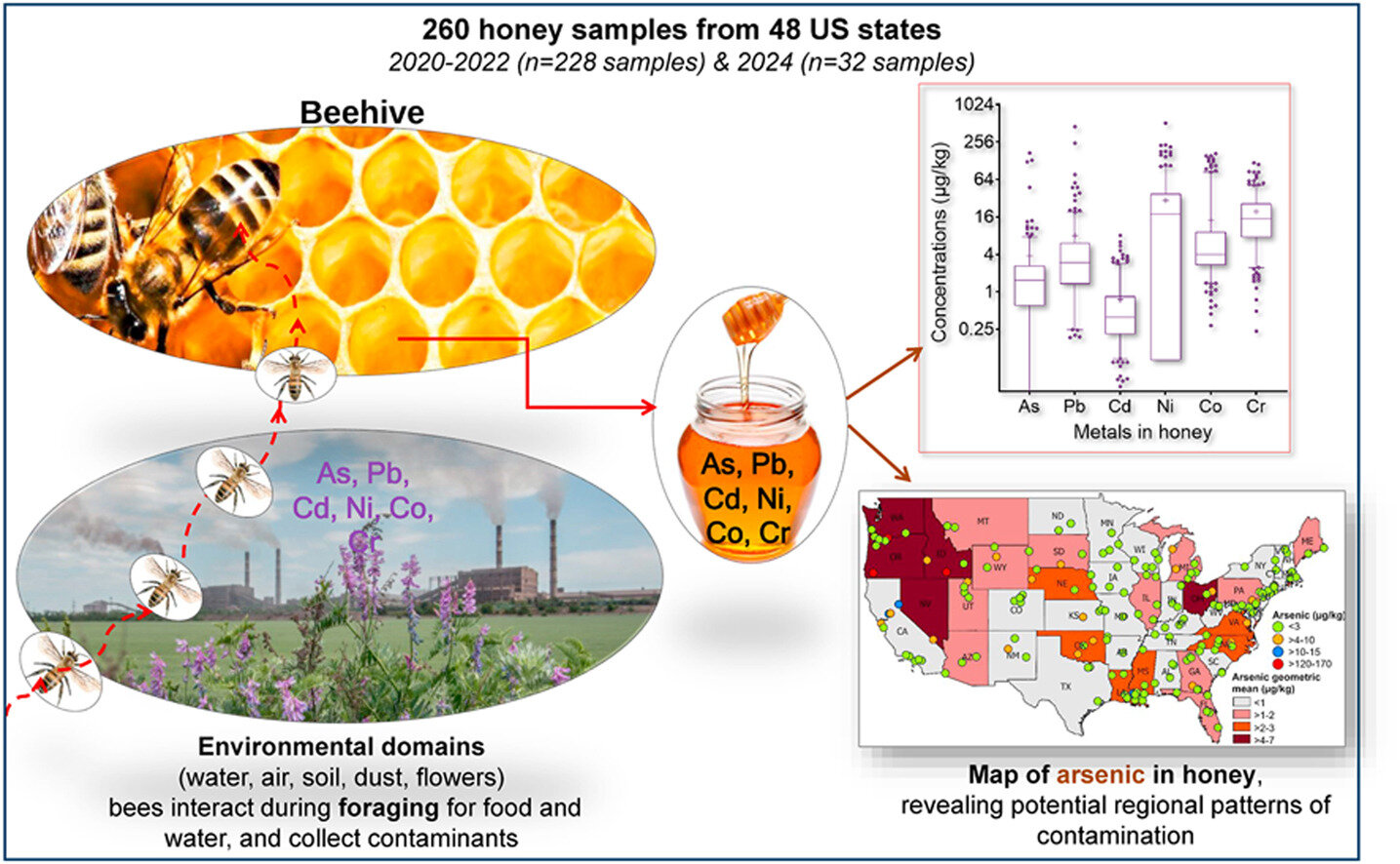
A study from Tulane University, published in Environmental Pollution, reveals that honey can serve as an indicator of environmental pollution by containing traces of toxic metals like arsenic, lead, and cobalt. Researchers tested 260 honey samples from 48 U.S. states, finding regional variations in metal concentrations, though none exceeded safe levels. The study suggests honey's potential dual role as a food source and environmental monitor, with bees acting as passive samplers of contaminants. Further research is needed to link these pollutants to their sources and understand their impact on community health.

technology1 year ago

"Satellites Use Radar for Detailed Earth Observation"

Synthetic aperture radar (SAR) technology, once limited to large commercial satellites, is now being deployed on constellations of inexpensive nanosatellites, enabling round-the-clock, high-resolution Earth observation through clouds and darkness. This advancement, driven by start-ups like Iceye and Capella Space, promises significant benefits for environmental monitoring, disaster response, and military applications, although concerns about privacy and potential misuse remain.

environment-technology1 year ago

"Google's Mission: Mapping Global Methane Leaks from Space"

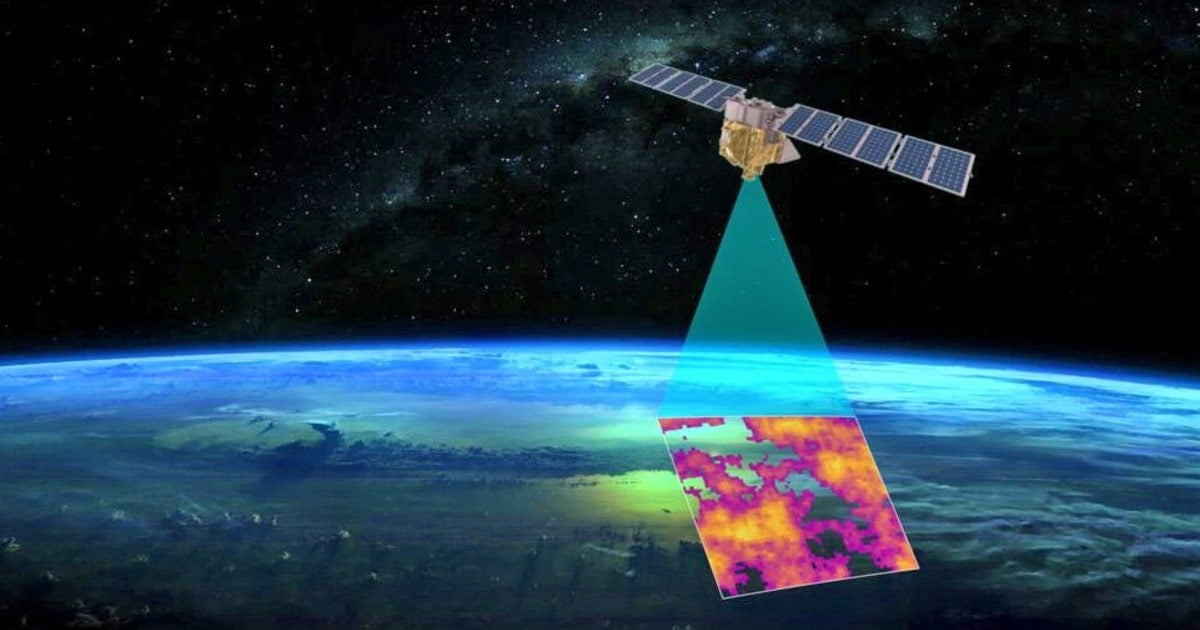
Google partners with Environmental Defense Fund to launch MethaneSAT, a satellite to detect methane emissions from oil and gas operations. The data will be processed using Google Cloud and overlaid on a map of oil and gas infrastructure created using artificial intelligence. The information will be available through Google Earth Engine later this year, aiding energy companies, researchers, and the public sector in mitigating methane emissions. This initiative comes as governments and major oil and gas operators pledge to reduce methane leaks, with the United States proposing mandatory measures to address the issue.

technology1 year ago

"Google Collaborates on Satellite Mission to Map Global Methane Emissions"

Google has joined a satellite mission aimed at scanning the globe for methane leaks, a potent greenhouse gas. The initiative, led by the Environmental Defense Fund, aims to provide more accurate and timely data on methane emissions to help combat climate change. Google's participation will involve providing expertise in artificial intelligence and machine learning to analyze the data collected by the satellites.

environment-science1 year ago

"Monitoring Carbon Capture in Lake Maurepas with Buoys"

Scientists from Southeastern Louisiana University have deployed research buoys in Lake Maurepas to independently monitor the area while Air Products implements a carbon capture project. The buoys are equipped with sensors to monitor water quality and will provide real-time data to the public. The project has faced opposition from residents and officials concerned about its impact on the local ecosystem, but Air Products hopes that the independent scientific monitoring will help allay these concerns. The company is currently conducting initial test wells and plans to store 95% of the plant's carbon emissions below the lake by 2026.

science-and-technology2 years ago

NASA's New TROPOMI Tool Revolutionizes Algal Bloom Tracking

NASA's TROPOMI instrument, designed to measure air pollution, has demonstrated its ability to detect harmful algal blooms by capturing the faint red glow emitted by the algae responsible for these blooms. TROPOMI's advanced imaging capabilities allow it to penetrate thin cloud cover and gather twice as much fluorescence information as previous methods relying on ocean color. This technology could help federal agencies and local communities better forecast and manage harmful outbreaks, protecting public health and coastal ecosystems. Additionally, upcoming satellite missions like NASA's PACE will further enhance our ability to monitor algal blooms and other factors affecting marine ecosystems.

science2 years ago

Air sensors accidentally collect DNA, revolutionizing wildlife tracking.

Scientists have discovered that DNA from more than 180 types of organisms, including plants, fungi, insects, and animals, can be captured by filters from air-pollution monitoring stations. This method of collecting environmental DNA (eDNA) could revolutionize the monitoring of biodiversity on Earth and help detect rare species. The researchers suggest that existing air-monitoring stations could be used to collect airborne eDNA, which could provide regular, repeated, long-term data collection. However, researchers need to work out some details, including the optimal sampling time and how far eDNA travels in the air.

healthcare2 years ago

EU Stands Firm Against Big Pharma's Lobbying Efforts

The European Union has confirmed a new measure that will remove two years of data protection from all new medicines launched in the EU, allowing unbranded rivals to enter the market more quickly. The reform aims to tackle the uneven rollout of drugs across the EU and includes incentives for pharmaceutical companies that launch their medicines in all EU 27 countries. The regulation and directive will have to go through the EU's legislative process before being approved, and it's unlikely this will be done before European Parliament elections in 2024.