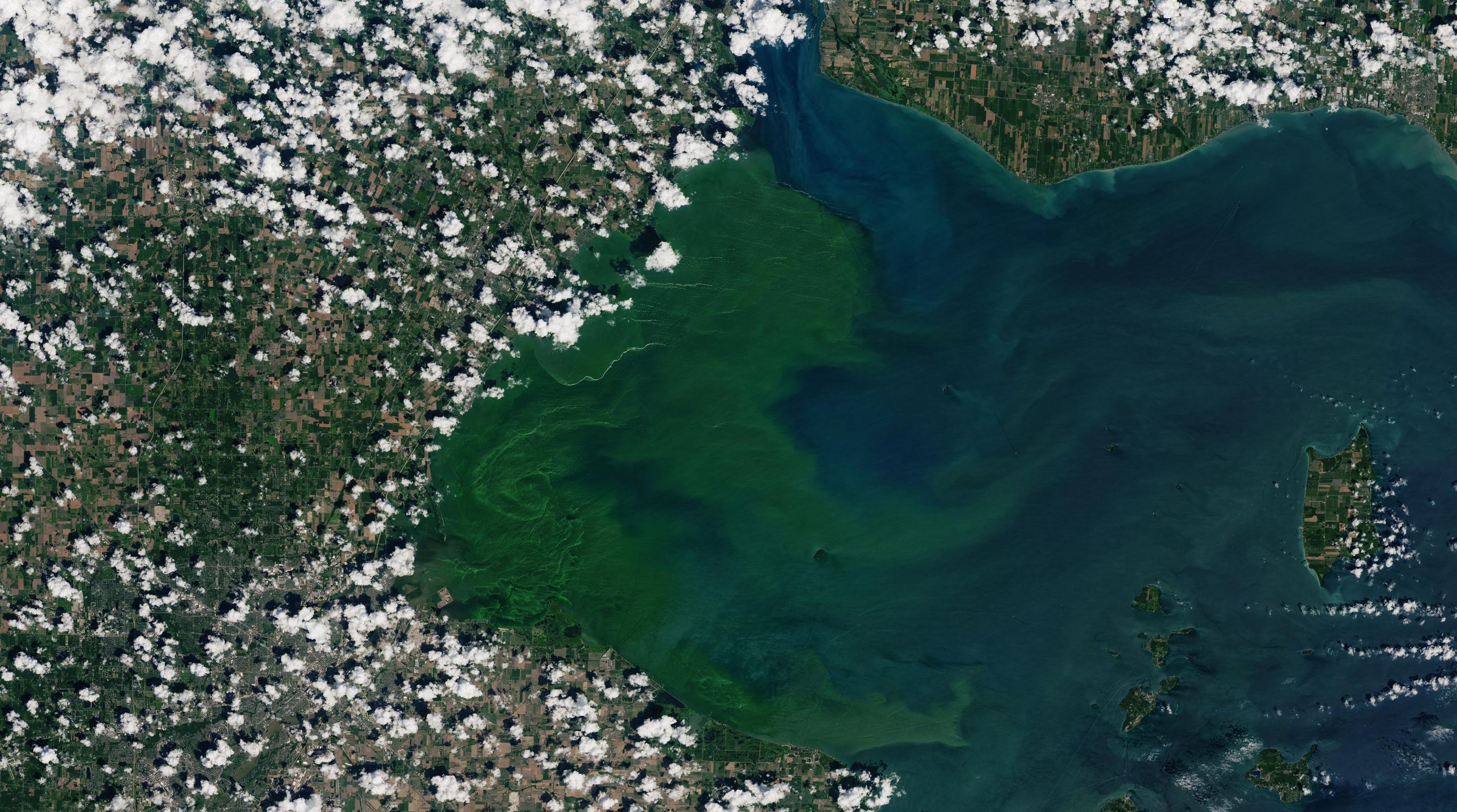
Scientists have identified the cyanobacterium Dolichospermum as the source of saxitoxin in Lake Erie, linking its presence to warming temperatures and highlighting concerns about increasing harmful algal blooms due to climate change.
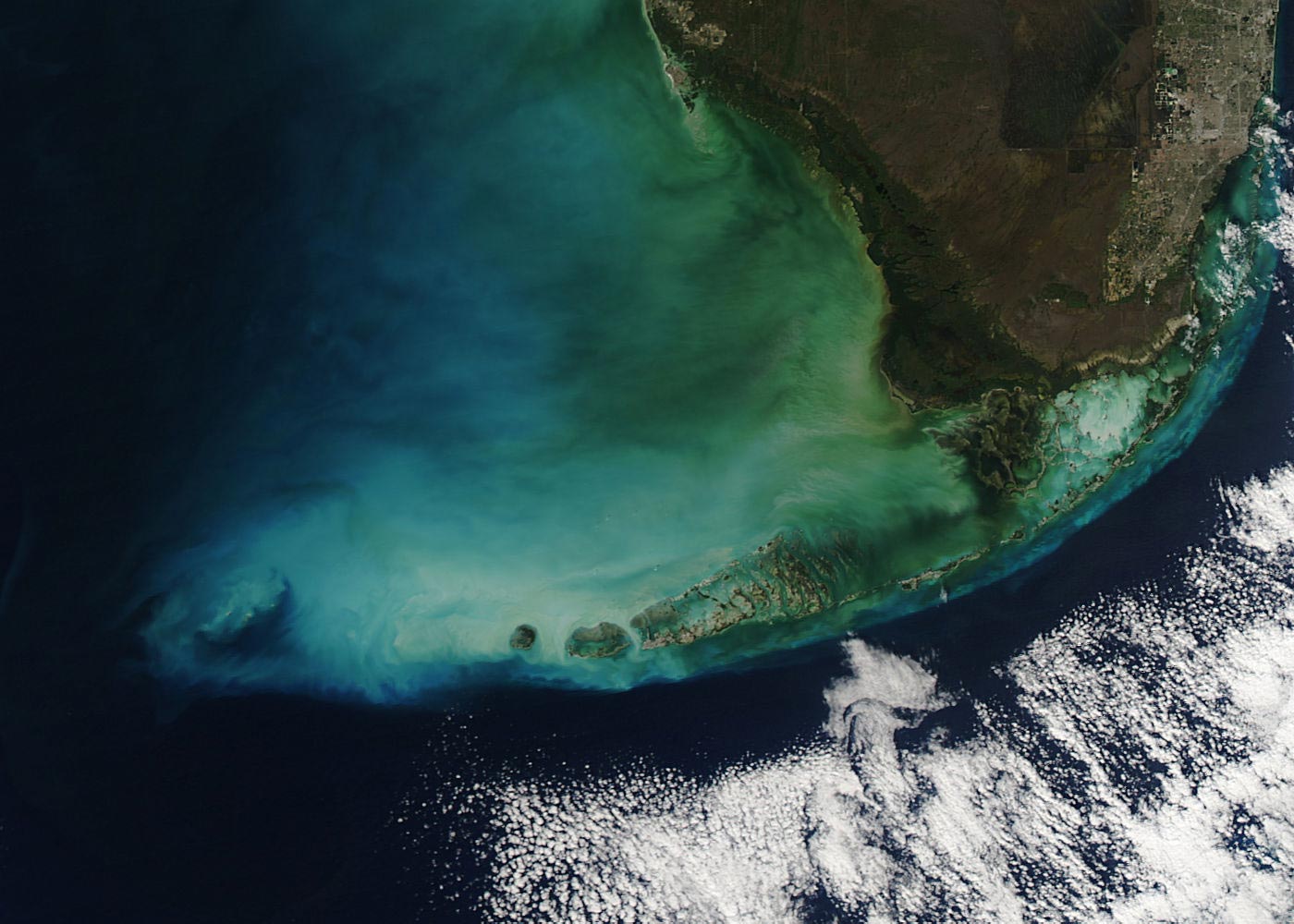
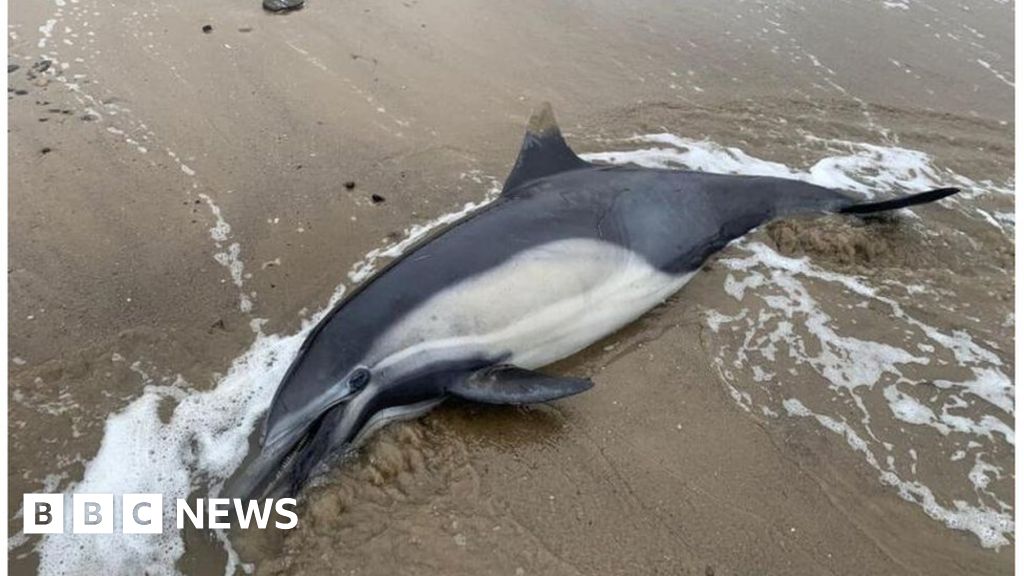
A study of stranded dolphins in Florida found signs of Alzheimer's-like brain damage linked to exposure to toxins from algal blooms, which are increasing due to climate change. The research suggests that these toxins may impair navigation and memory in dolphins and could pose risks to other marine life and humans, highlighting the broader impact of environmental toxins on neurodegenerative diseases.
Scientists have discovered giant viruses on Greenland's Arctic ice sheet that may help control algal blooms and reduce ice melting. These viruses, larger than most bacteria, were found thriving alongside microalgae in dark ice and red snow. The discovery challenges previous notions of the Arctic as a barren landscape, revealing a complex ecosystem. Further research is expected to uncover more about the ecological roles and interactions of these giant viruses.
Cape Cod is facing worsening water pollution due to algal blooms caused by septic systems leaching nitrogen and phosphorus into the groundwater, leading to low-oxygen dead zones in coastal bays and ponds. The cleanup efforts are estimated to cost billions, with towns like Barnstable planning to switch to sewage pipes and upgrade treatment plants, while some residents are opting for new improved septic systems designed to remove nitrogen. The high costs and disruptive construction pose significant challenges, but the urgency to preserve the region's ecosystems, economies, and property values is driving communities to seek solutions before it's too late.
NASA's TROPOMI instrument, designed to measure air pollution, has demonstrated its ability to detect harmful algal blooms by capturing the faint red glow emitted by the algae responsible for these blooms. TROPOMI's advanced imaging capabilities allow it to penetrate thin cloud cover and gather twice as much fluorescence information as previous methods relying on ocean color. This technology could help federal agencies and local communities better forecast and manage harmful outbreaks, protecting public health and coastal ecosystems. Additionally, upcoming satellite missions like NASA's PACE will further enhance our ability to monitor algal blooms and other factors affecting marine ecosystems.
Toxic algal blooms are killing hundreds of sea lions and dolphins along the coast of California's southern beaches. More than 1,000 marine animals have become sick or died in June, according to the National Oceanic and Atmospheric Administration (NOAA). The blooms can pose a danger to humans as well. People can become sick if they consume fish packed with the toxins, though the California Department of Public Health monitors for these levels and closes shellfish beaches when necessary.