Scientists have discovered that ice can generate electricity through flexoelectricity when bent, opening new possibilities for sustainable energy and environmental monitoring in cold environments, challenging previous assumptions about natural materials' electromechanical capabilities.
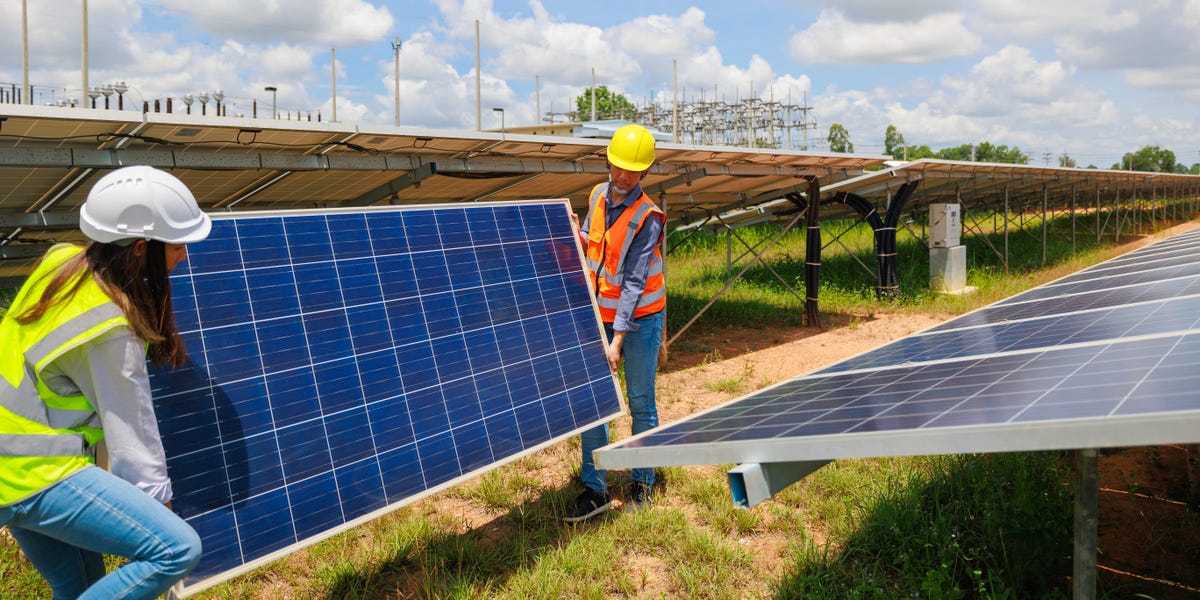
The upcoming total eclipse on April 8 will impact solar power generation across the entire North American continent, affecting states with significant solar energy. While the eclipse will reduce the amount of sunlight reaching solar panels, utilities are prepared to avoid blackouts by planning for power reserves and turning to other energy sources. The increase in solar power generation since the 2017 eclipse means the impact will be about three times as high, and changing weather forecasts may alter plans. The eclipse will impact California, Alaska, and other places outside the path of totality, with Texas estimated to drop around 14 gigawatts of solar power during the event.
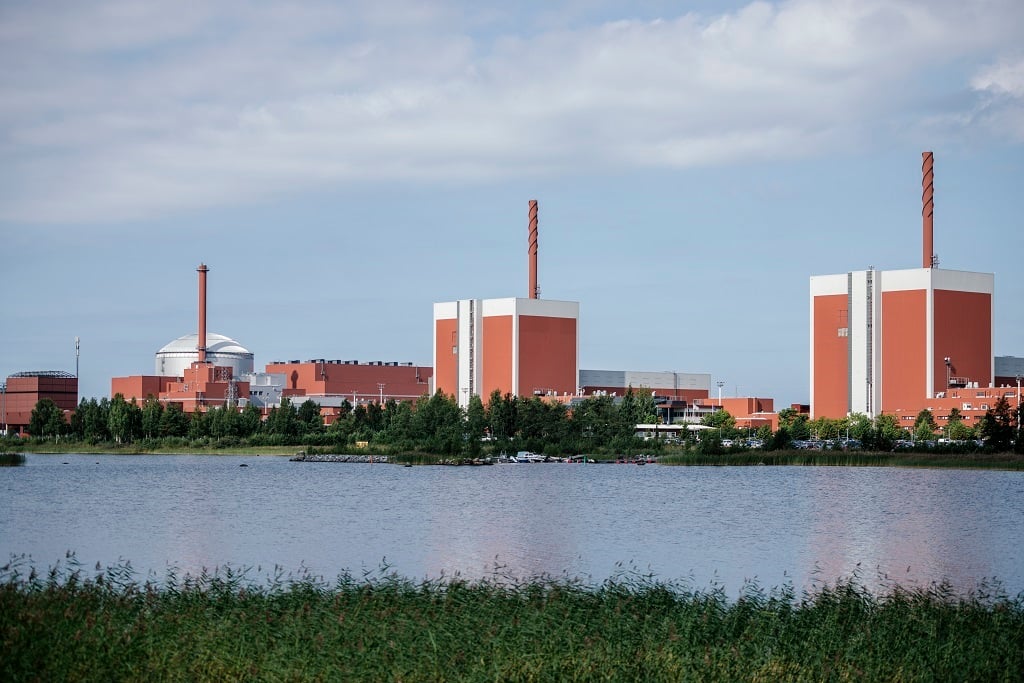
France plans to build eight new nuclear plants in addition to the six already announced, aiming to meet carbon reduction targets and reduce fossil fuels' share of energy use. The draft law will not include specific targets for renewable energy generation by 2030, remaining "technologically neutral." The energy minister emphasized the need for more reactors beyond the initial six European Pressurised Reactors (EPRs) and suggested that construction of even more than 14 nuclear reactors could be considered. France's lower greenhouse gas emissions are partly attributed to its existing fleet of 57 nuclear reactors, but some have required extensive repairs in recent years.
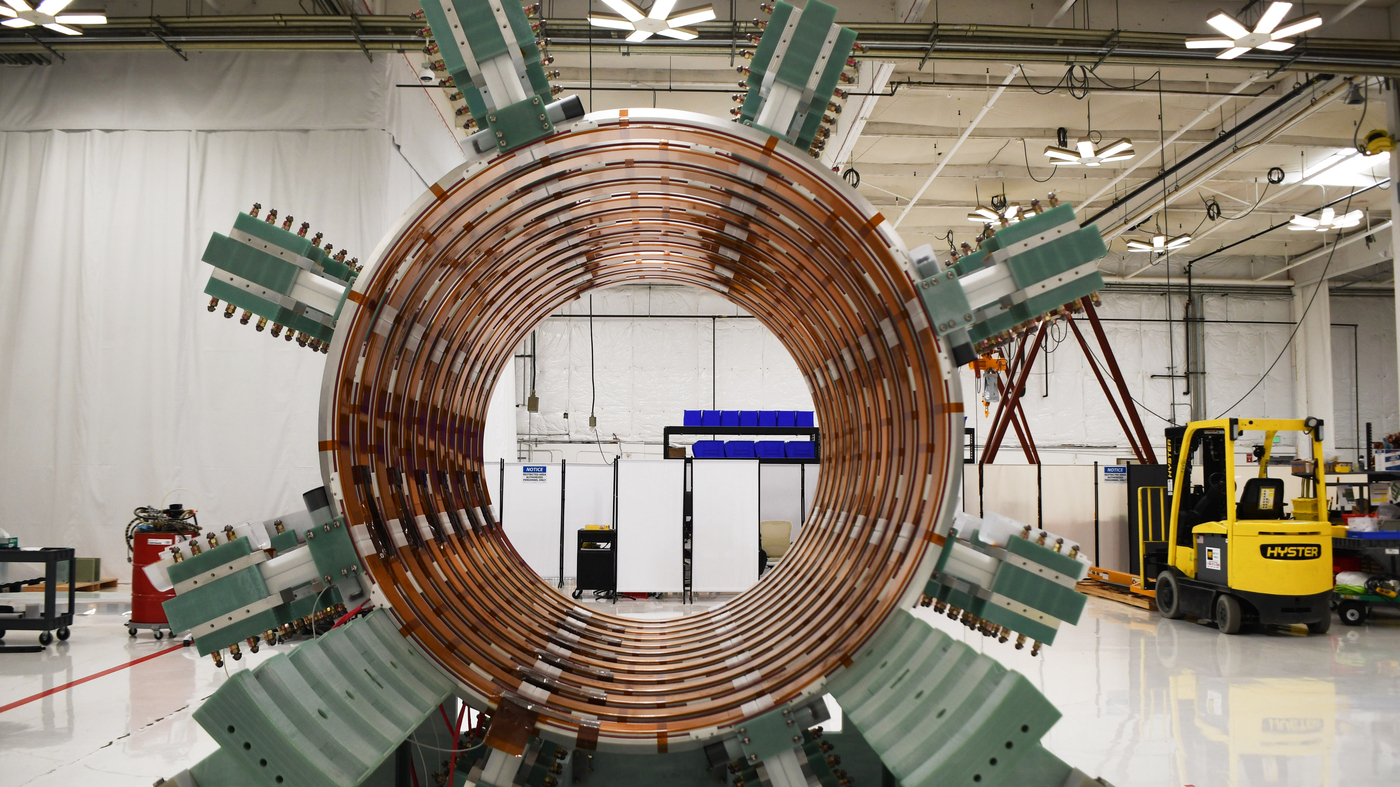
Companies like Helion and Zap Energy are making significant progress in developing nuclear fusion as a viable energy source. Fusion power has the potential to provide abundant electricity without greenhouse gas emissions, reducing environmental pollution and lowering energy costs. Helion, backed by investors like Sam Altman, aims to build the world's first commercial fusion power plant by the end of 2024. They are using a unique design that rapidly squeezes hydrogen and helium fuel to generate fusion and recover electricity from the resulting magnetic field. Meanwhile, Zap Energy is pursuing a different approach using a Z-pinch system. While challenges remain, the successful commercialization of fusion power could have enormous benefits for meeting increasing electricity demand and combating climate change.
An international team of scientists has discovered a potential solution to a major issue with wind power by capturing energy from low-speed wind using "anchored ionic droplets." These conductive liquid organic salts can generate energy when wind passes over them, even at speeds as low as 0.7 feet per second. The team has successfully produced 0.84 volts per droplet and scaled the device to produce 60 volts. This breakthrough could provide a way to harvest wind energy during lulls and expand the potential of low-speed wind as an attractive energy resource. The researchers are now working on optimizing power generation for reliable use.
Scientists at the National Ignition Facility in California have achieved a breakthrough in nuclear fusion by generating a burst of energy using 192 lasers to bombard a hydrogen pellet. The experiment produced 3.88 megajoules of energy, surpassing expectations and indicating that laser fusion can become more efficient. However, slight variations in the lasers and fuel capsules can affect the fusion reactions, leading to inconsistent results. The facility is planning to upgrade its lasers to generate higher fusion yields and further improve efficiency.
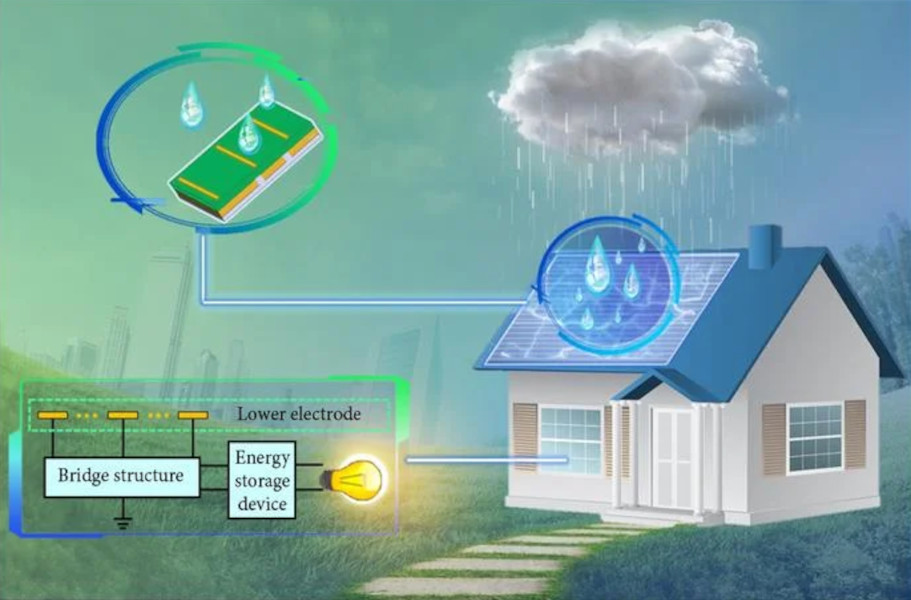
Researchers at Georgia Tech have made a breakthrough in harvesting mechanical energy using the triboelectric effect, which allows for the direct generation of electricity at a much higher rate than previous techniques. By utilizing modern materials science, they have created materials that can generate voltages thousands of times higher than before. Additionally, a new method allows for the efficient stringing together of small generators, reducing coupling capacitance and enabling the construction of larger arrays. The hope is to combine these advancements with existing solar panels to gather energy from falling raindrops, although cost and scalability remain challenges.