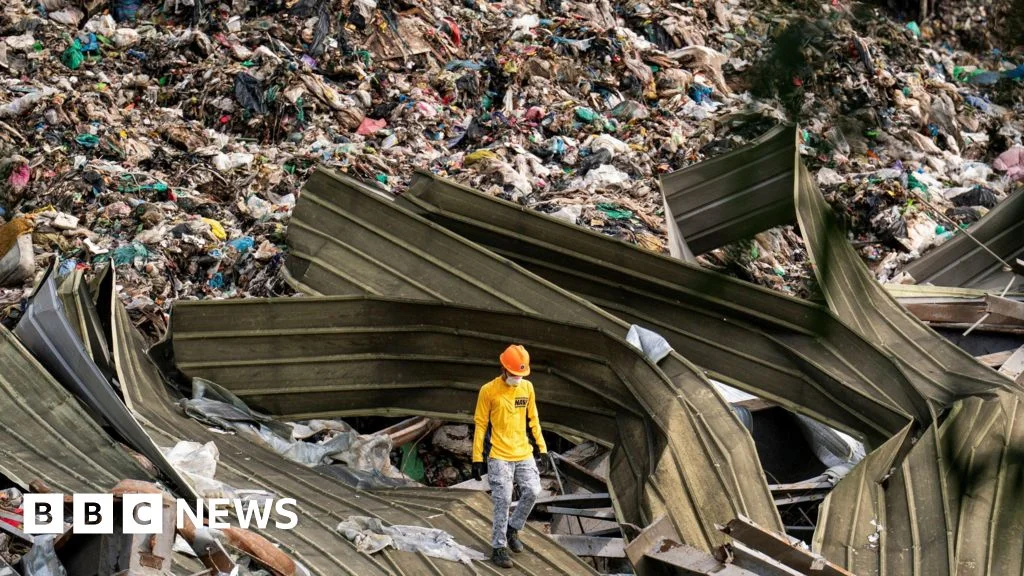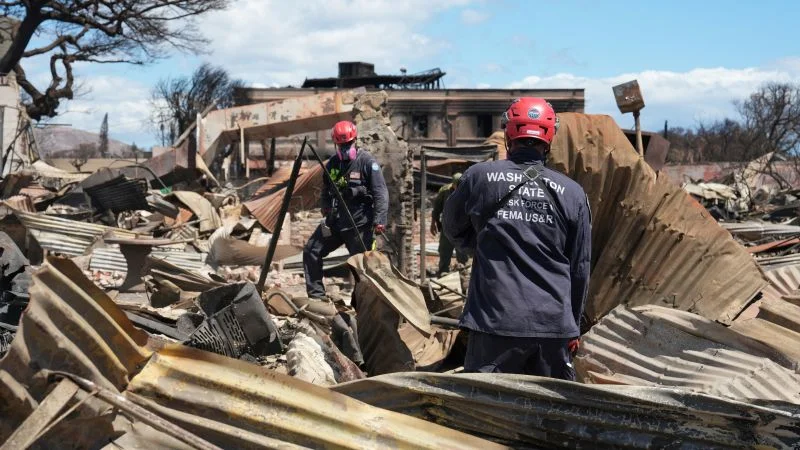
The Trump administration is significantly reducing FEMA's disaster response staff, particularly targeting the CORE teams, as part of a broader effort to downsize the agency and shift disaster management responsibilities to states, raising concerns about preparedness and federal support during emergencies.
During a government shutdown that paused SNAP benefits, a rapid response by GiveDirectly and Propel provided $50 cash transfers to nearly a quarter of a million families, helping them manage immediate food needs and restore confidence in safety nets amid widespread uncertainty.
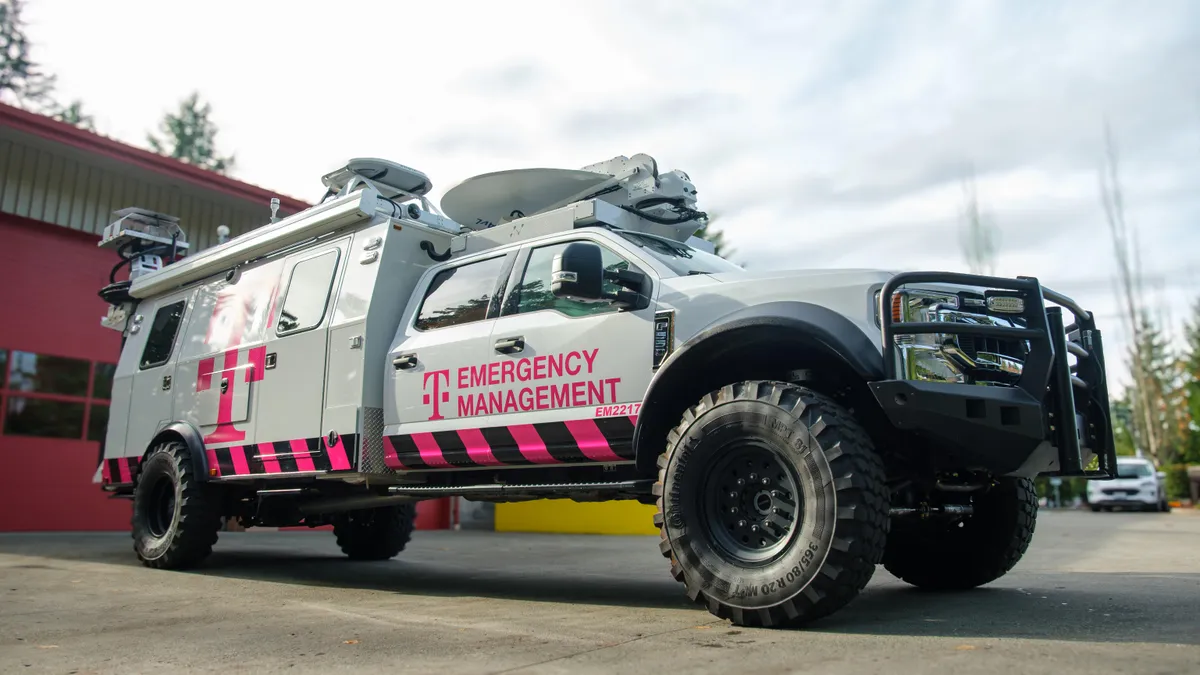
The article provides an inside look at T-Mobile's disaster response efforts, highlighting their use of specialized equipment like SatCOLT trucks, drones, and satellite systems to restore communication during emergencies, emphasizing the company's commitment to community resilience and technological innovation.
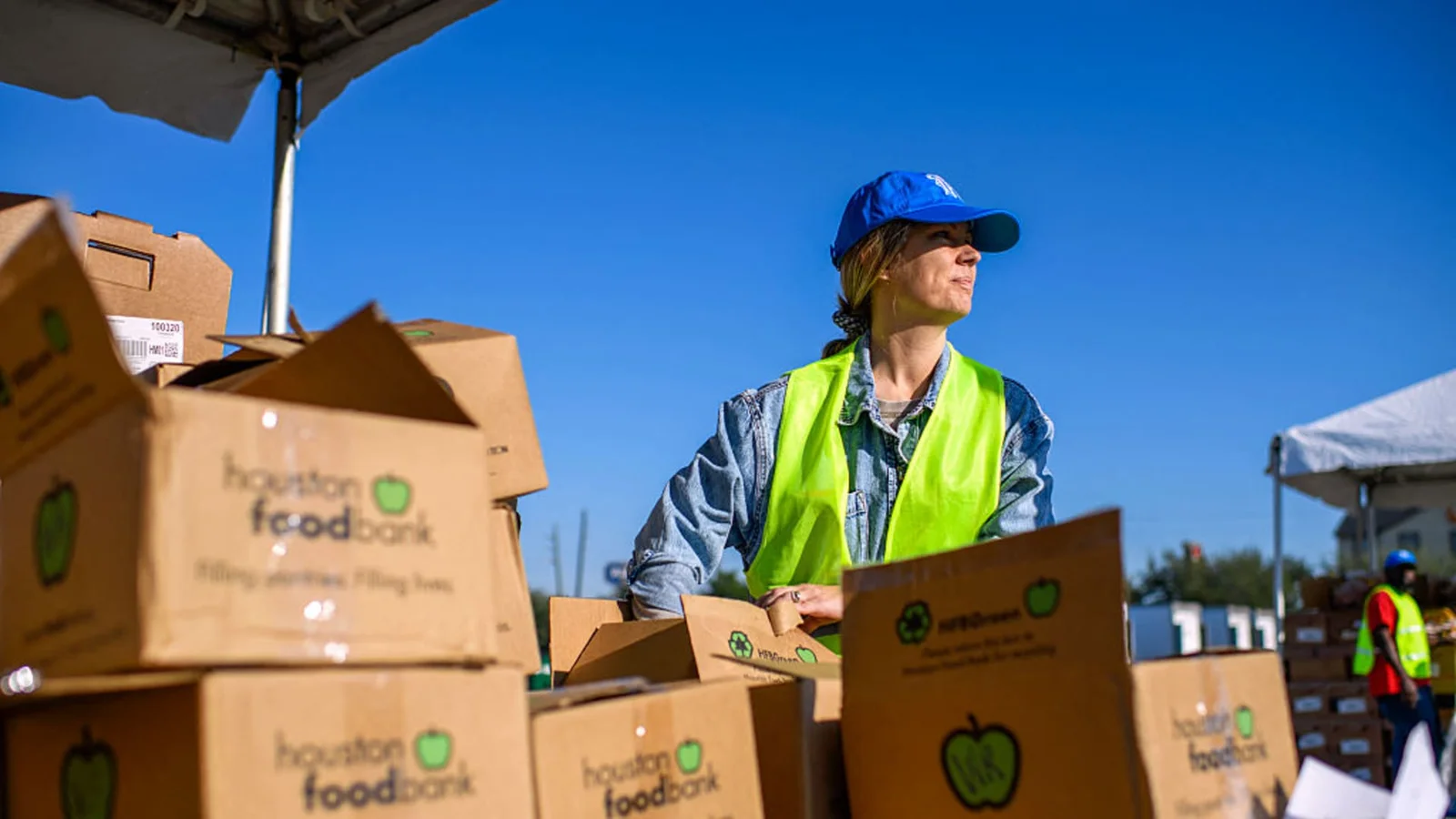
Food banks across the U.S. are in crisis mode due to the government shutdown and SNAP funding cuts, leading to increased demand for food assistance, strained resources, and urgent calls for donations and support as the situation worsens daily.
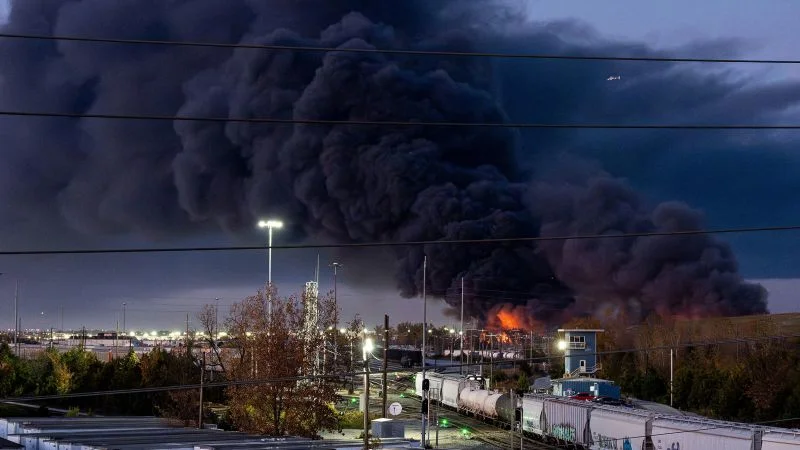
A UPS cargo plane crashed into a Louisville auto parts facility, resulting in at least 12 deaths, including the crew members, and three employees are still missing amid a scene of destruction and ongoing recovery efforts.
Hurricane Melissa, the strongest storm to hit Jamaica, caused damages estimated at 28-32% of the country's GDP, leading to significant economic and infrastructural setbacks, with regional impacts across the Caribbean and a death toll of at least 75. The prime minister emphasized the need for climate-resilient rebuilding and international support, highlighting the increasing severity of storms due to climate change.
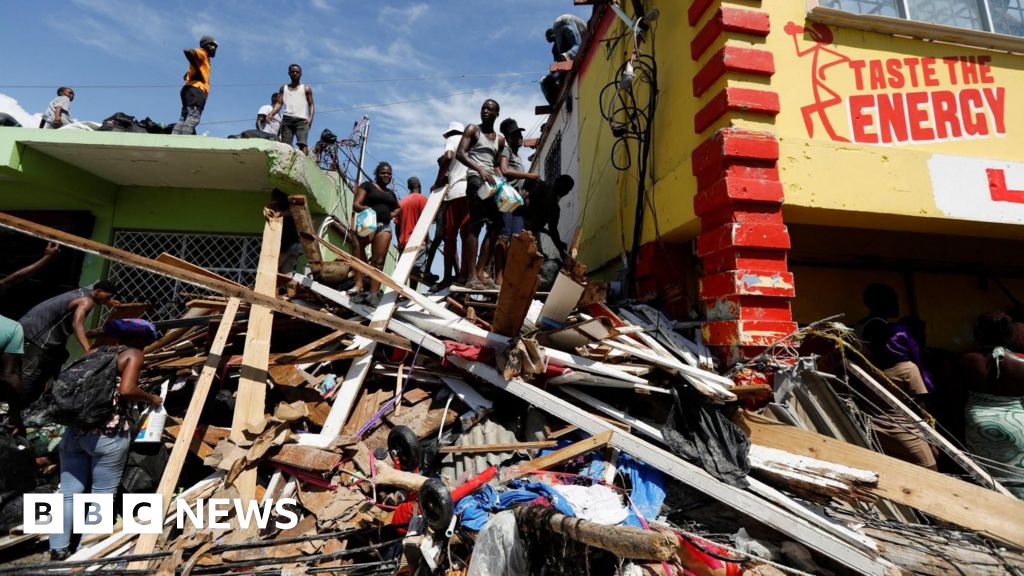
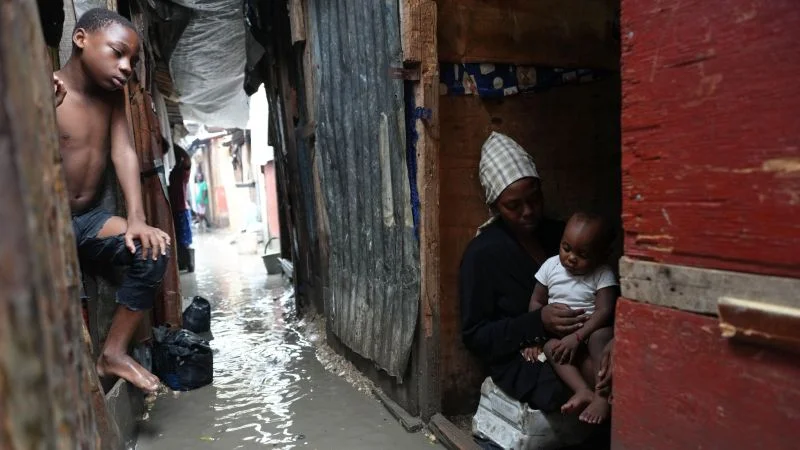
Hurricane Melissa, a powerful category five storm, has caused at least 19 deaths in Jamaica and 30 in Haiti, with widespread destruction and aid delivery challenges. While Cuba reports no fatalities, many communities are cut off due to flooding. International aid and rescue efforts are underway, with countries pledging support and deploying resources to assist the affected nations.
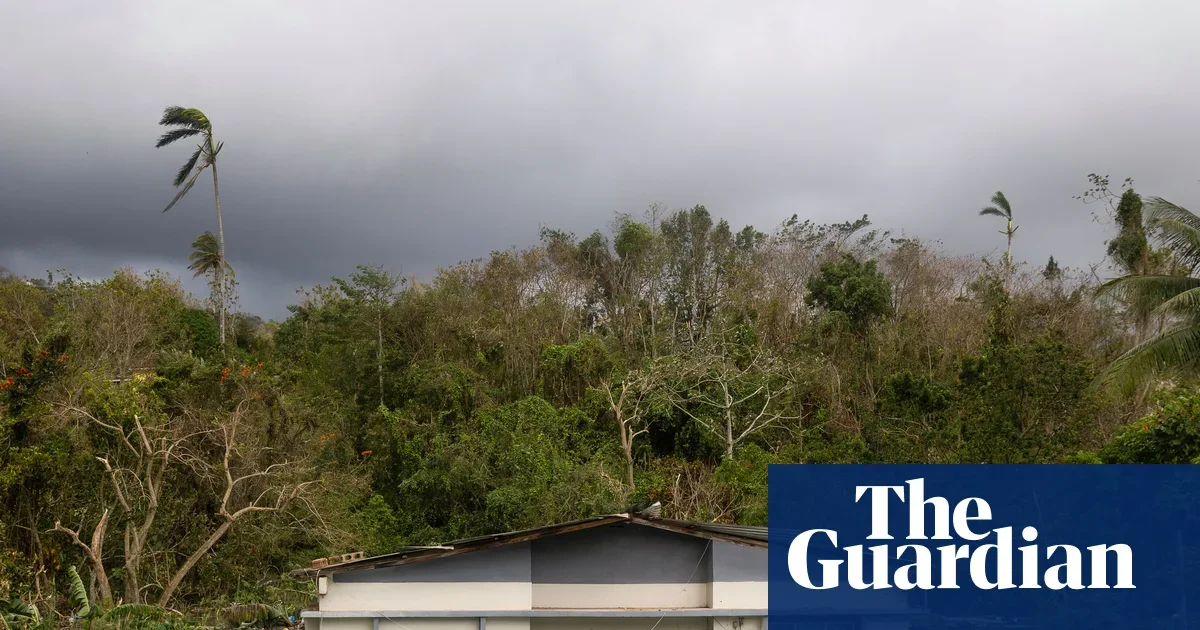
Hurricane Melissa, one of the strongest Atlantic storms in over 150 years, caused widespread destruction across the Caribbean, particularly in Jamaica, Cuba, and the Bahamas, resulting in at least 30 deaths, massive evacuations, and significant infrastructure damage, prompting international aid efforts.
Tens of thousands protested in Valencia, Spain, a year after deadly floods that caused 229 deaths, demanding the resignation of regional leader Carlos Mazon due to his handling of the disaster and delayed warning issuance. An investigation into the emergency response is ongoing, amid criticism of the regional government's preparedness and response.
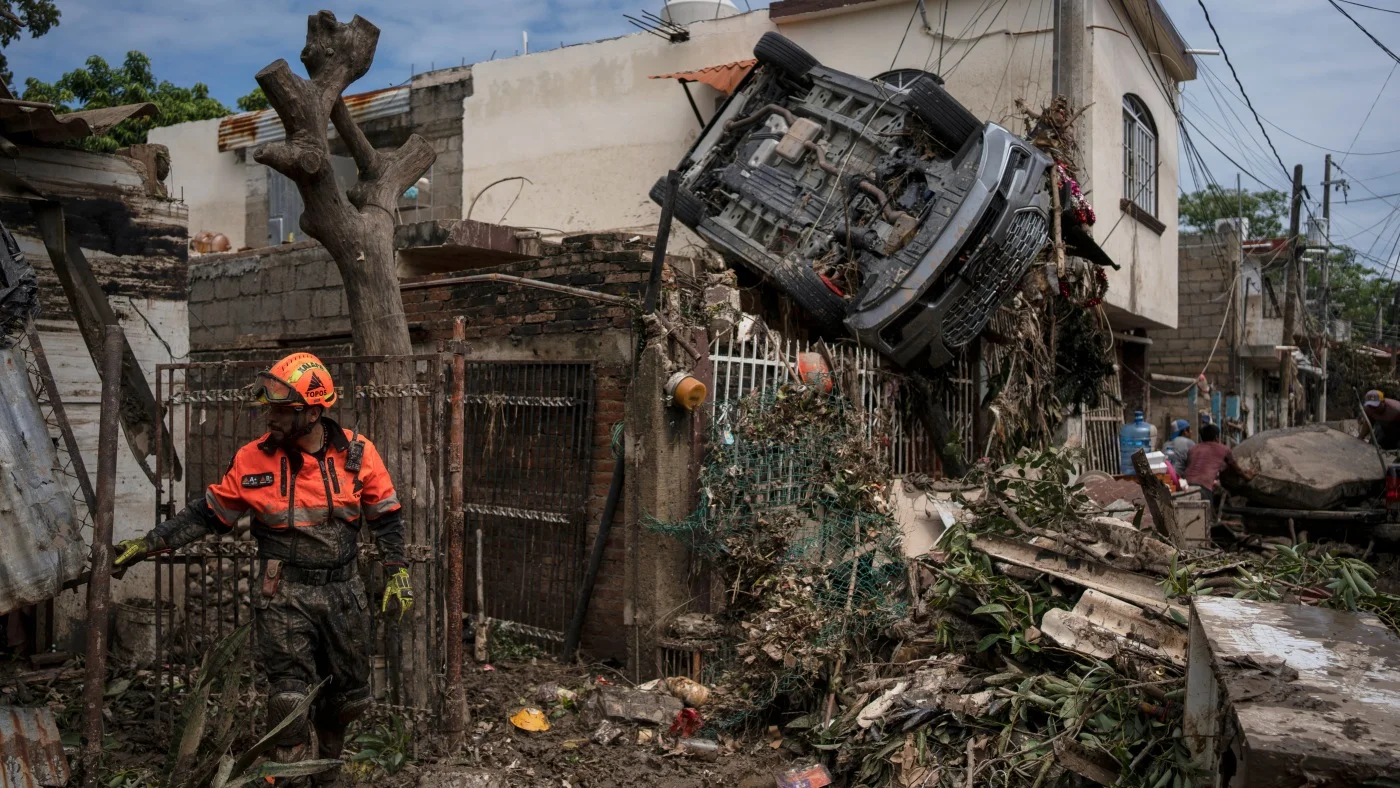
The death toll from severe flooding caused by torrential rains in Mexico has risen to 64, affecting five states and damaging around 100,000 homes, with rescue efforts ongoing amid challenges posed by oil contamination and difficult access to affected areas.
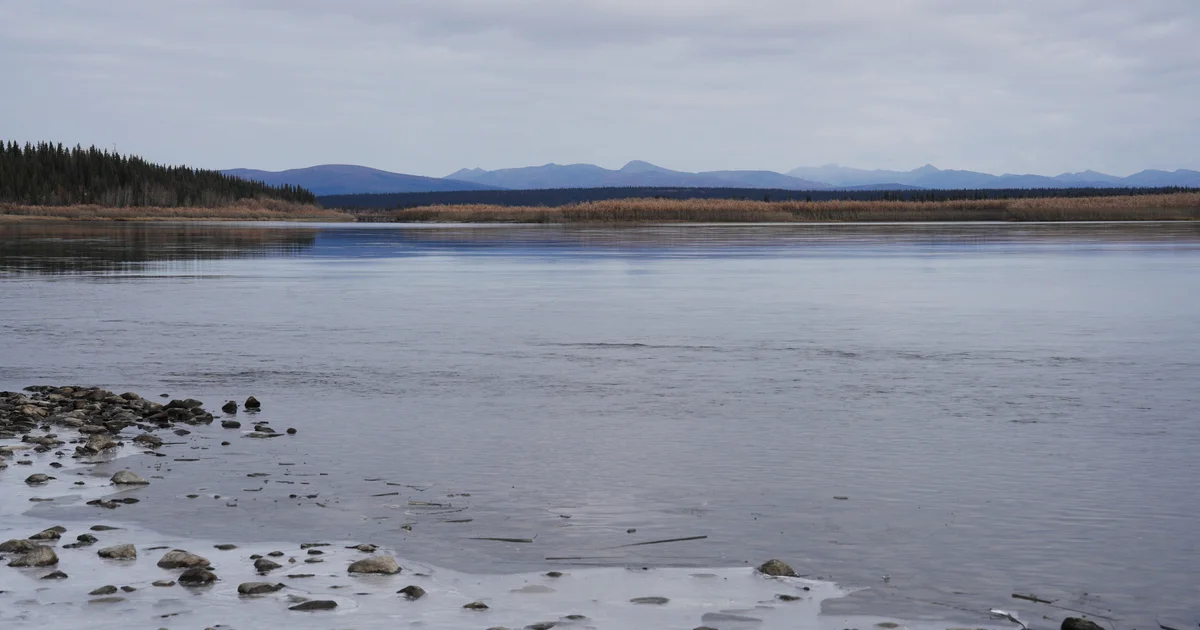
Severe flooding in western Alaska caused by Typhoon Halong has led to homes being washed away, with rescue efforts underway and multiple agencies involved in disaster response, as communities face significant damage and isolation.
Researchers at the University of Virginia have developed insect-inspired water-walking robots using a novel fabrication technique called HydroSpread, which allows for direct creation of delicate polymer films on water, enabling precise, resilient, and potentially transformative applications in environmental monitoring and disaster response.
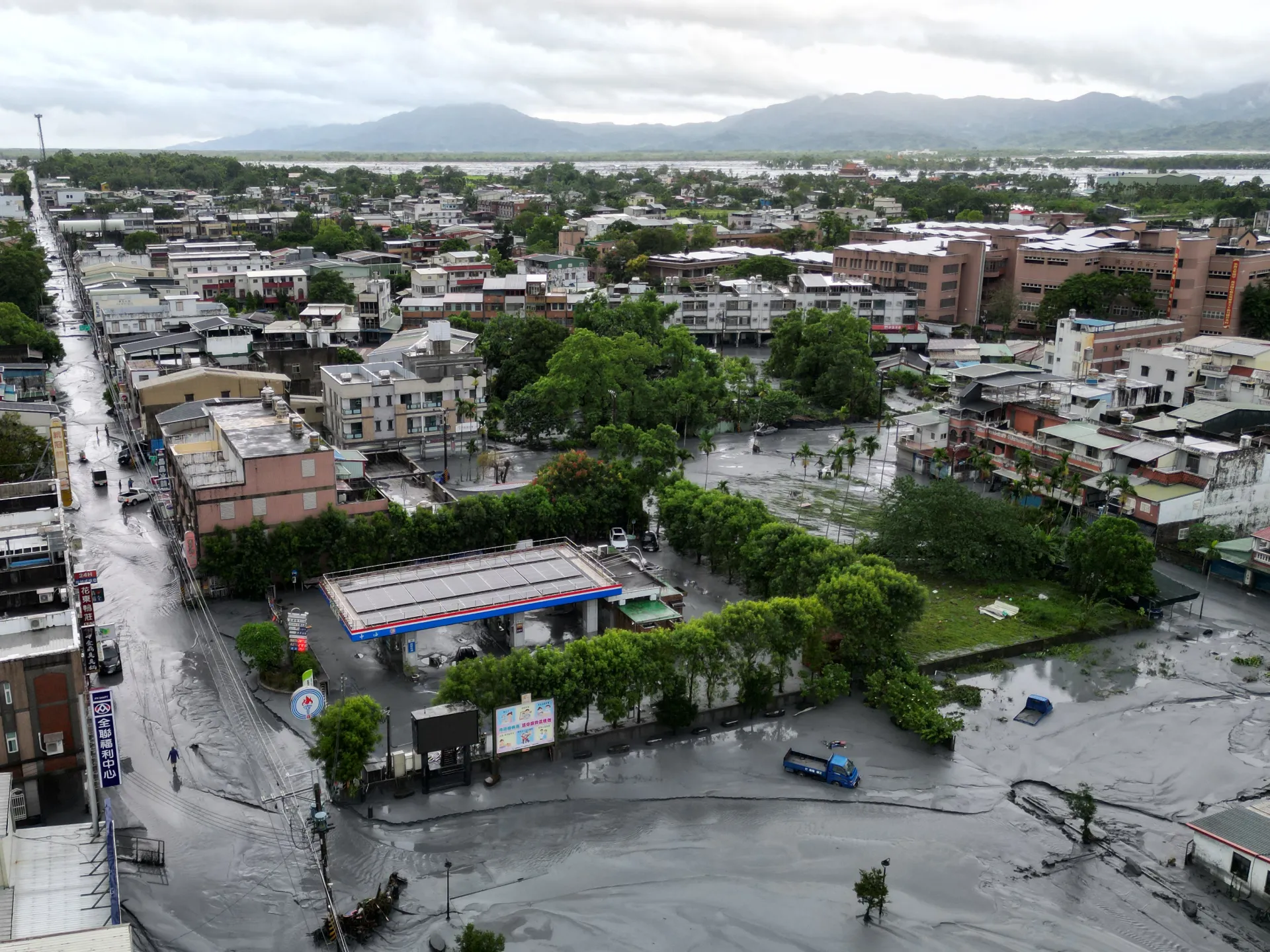
Super Typhoon Ragasa caused severe flooding in Taiwan, resulting in 17 deaths and 17 missing, mainly elderly victims, after a barrier lake burst. The typhoon also brought fierce winds and waves to Hong Kong, prompting warnings and flight cancellations, while China prepares for landfall with evacuations. The storm's impact highlights the increasing severity of climate-related natural disasters.
Hawaii's Acting Governor Sylvia Luke issued a state of emergency due to Hurricane Kiko, which is forecasted to approach the islands as a tropical storm early next week, activating emergency measures and urging residents to prepare and stay informed.
Twenty years after Hurricane Katrina, the storm remains one of the deadliest and costliest in U.S. history, with catastrophic flooding in New Orleans caused by levee failures, a slow federal response, and lasting community impacts, especially in the historically Black Lower Ninth Ward.