War on the Rocks' most-read articles of 2025 highlight global conflicts, military modernization, and strategic technology, reflecting a year of significant geopolitical tensions and evolving warfare strategies.
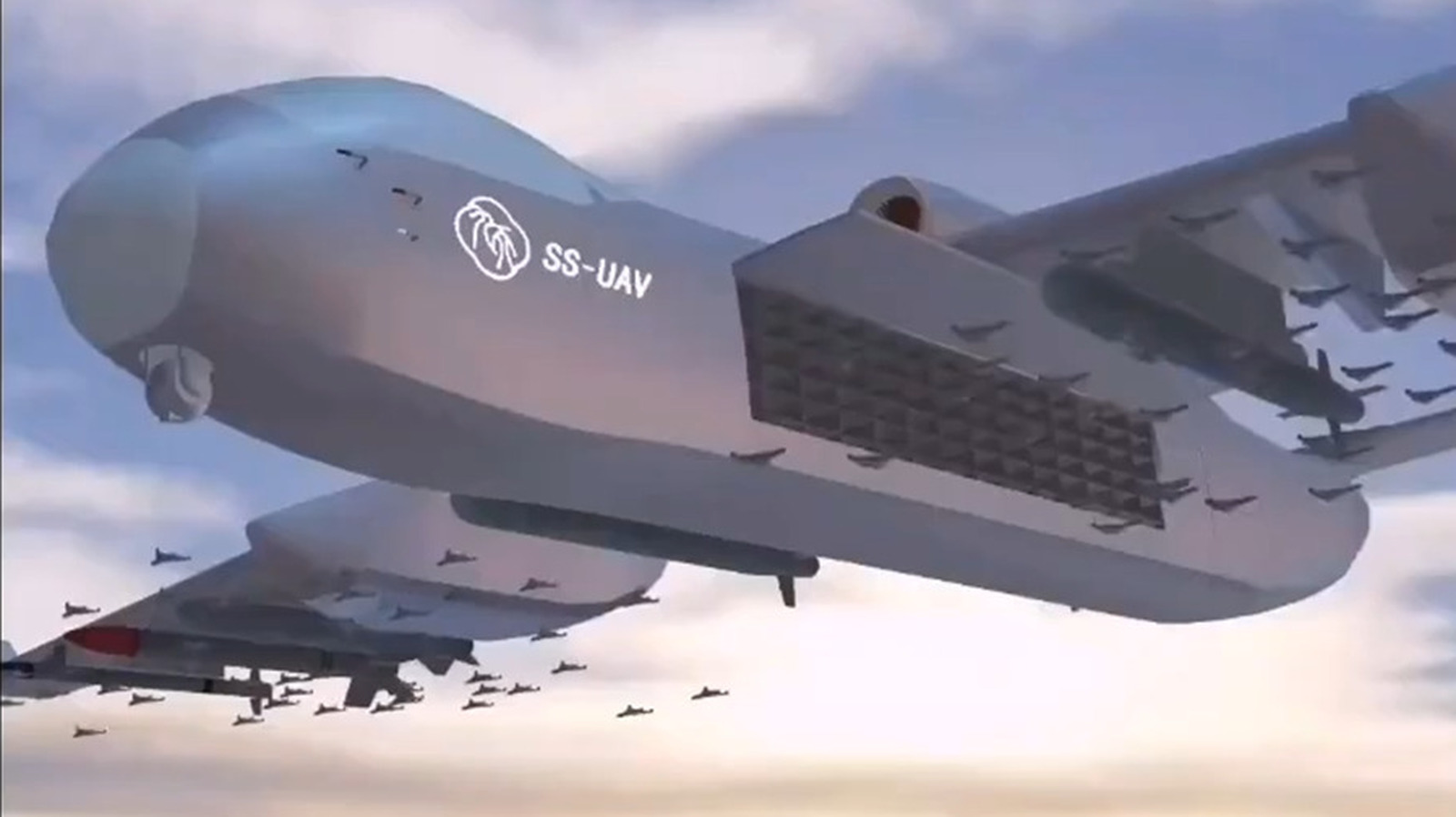
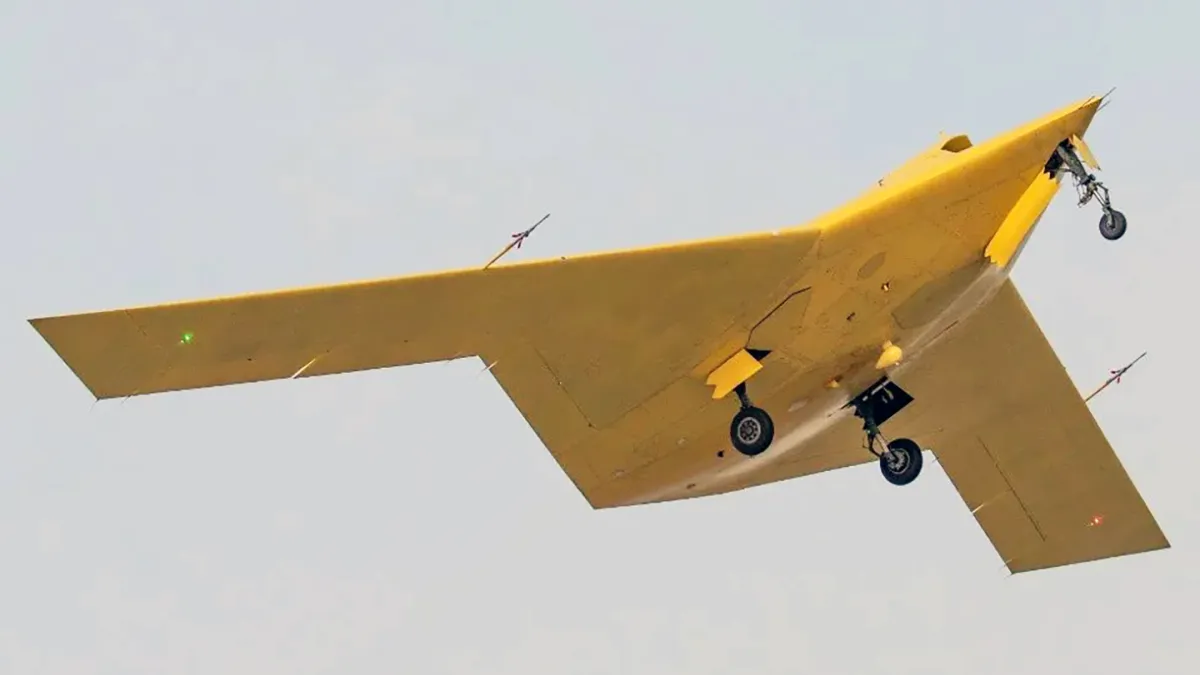
China's innovative 'flying aircraft carrier' has successfully taken to the skies for the first time, marking a significant advancement in military aviation technology.
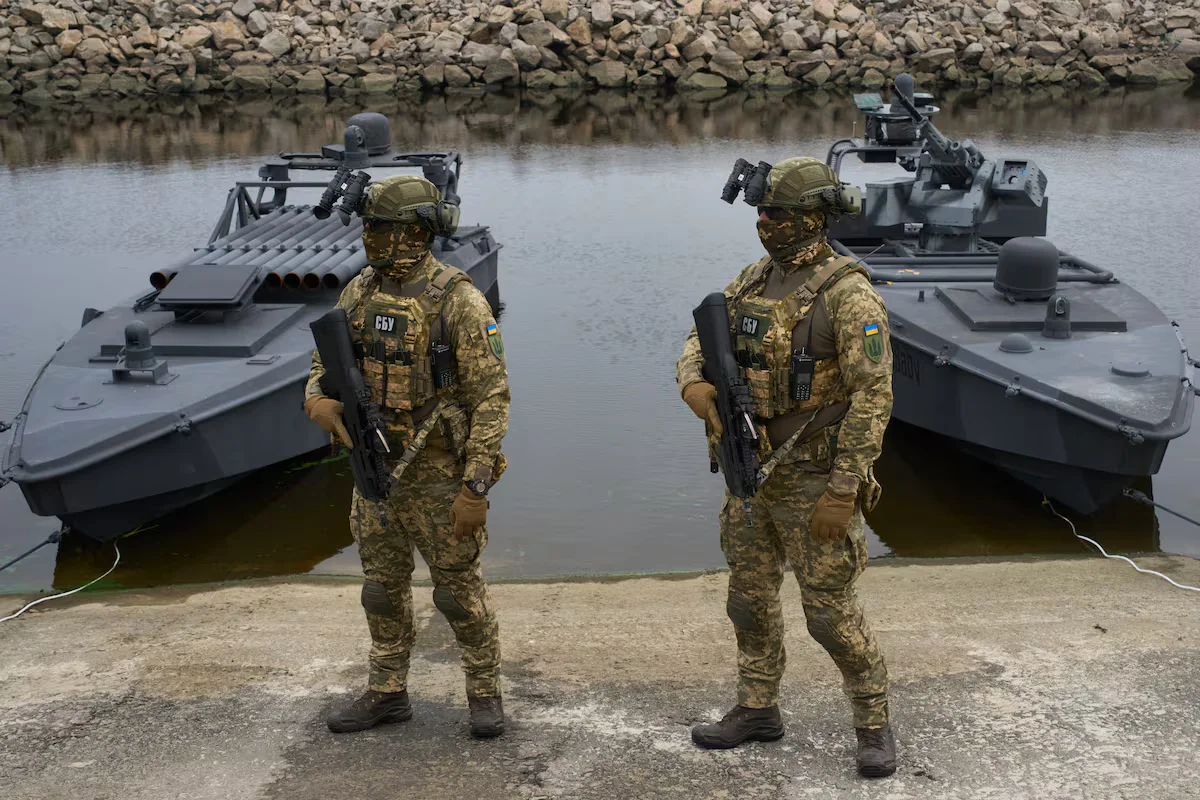
Ukraine is expanding its use of uncrewed surface vessels (USVs), such as the Barracuda, to target Russian assets on the Dnipro River, with recent attacks including a Russian vessel storage site in Crimea. These USVs, designed for short-range riverine operations, are part of Ukraine's broader strategy to counter Russian military presence and have been complemented by other drone boat systems like Sea Baby and Magura. Russia has also developed its own USV capabilities, marking a new frontier in riverine warfare. The use of these autonomous and semi-autonomous vessels highlights evolving tactics in the Ukraine-Russia conflict.
A Chinese civilian container ship has been modified with missile launch systems, radar, and sensors, suggesting it could serve as a mobile missile platform, raising concerns about military capabilities and proliferation of containerized missile technology globally.
A Chinese cargo ship has been modified to carry containerized missile launchers, sensors, and defense systems, suggesting China is exploring turning commercial vessels into armed surface combatants, potentially impacting naval power dynamics. The vessel features a large vertical launch system, radar, CIWS, and decoys, raising questions about its operational capabilities and purpose, whether as a proof of concept or a real deployment. This development highlights China's efforts to leverage its vast commercial fleet for military advantage amid ongoing naval competition.
Ukraine's military has approved its first ground robot equipped with key grenade launchers, specifically adapted for US-made Mk-19 and Ukrainian-made AGL-53, marking a significant advancement in their robotic warfare capabilities to enhance safety and operational efficiency.
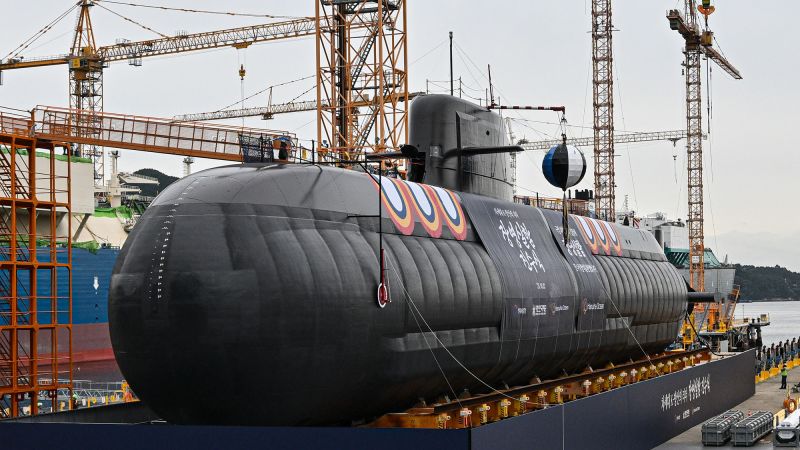
South Korea plans to develop nuclear-powered submarines with US approval to enhance its naval capabilities against North Korea and China, potentially transforming regional security dynamics and economic ties, but faces technological, infrastructural, and geopolitical challenges.
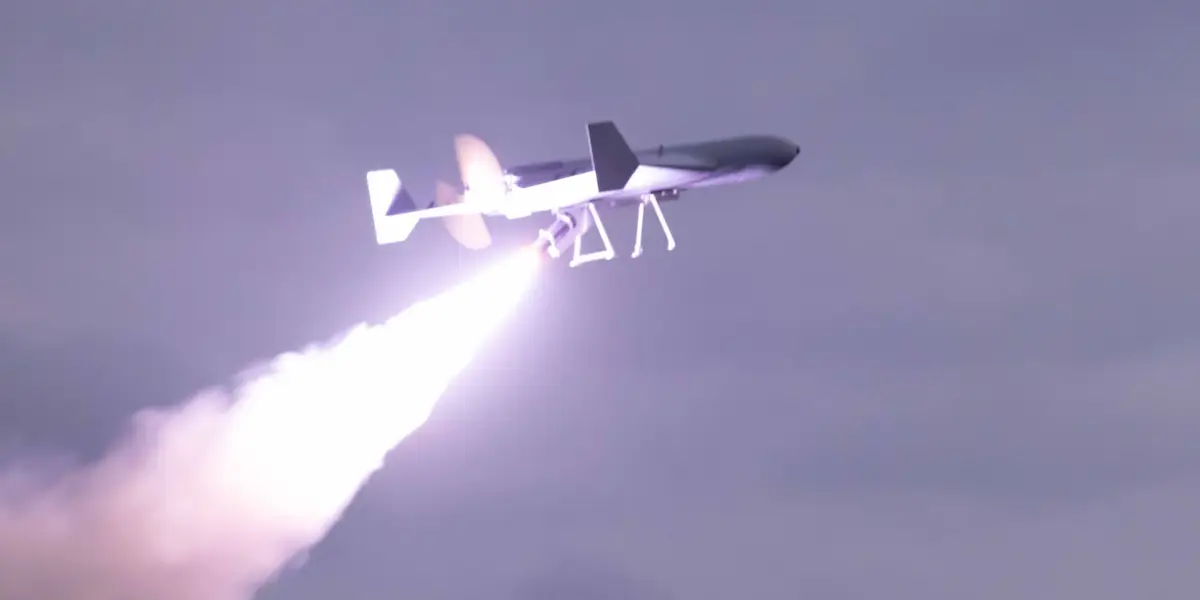
A US Navy warship in the Middle East launched a one-way attack drone called LUCAS for the first time, marking a milestone in deploying affordable, effective drones to enhance regional security and deterrence amid modern warfare developments.
Ukraine's Security Service claims to have used an underwater drone, 'Sub Sea Baby,' to damage a Russian submarine at Novorossiysk, with footage from compromised enemy cameras showing the attack, marking a historic first in underwater drone warfare.
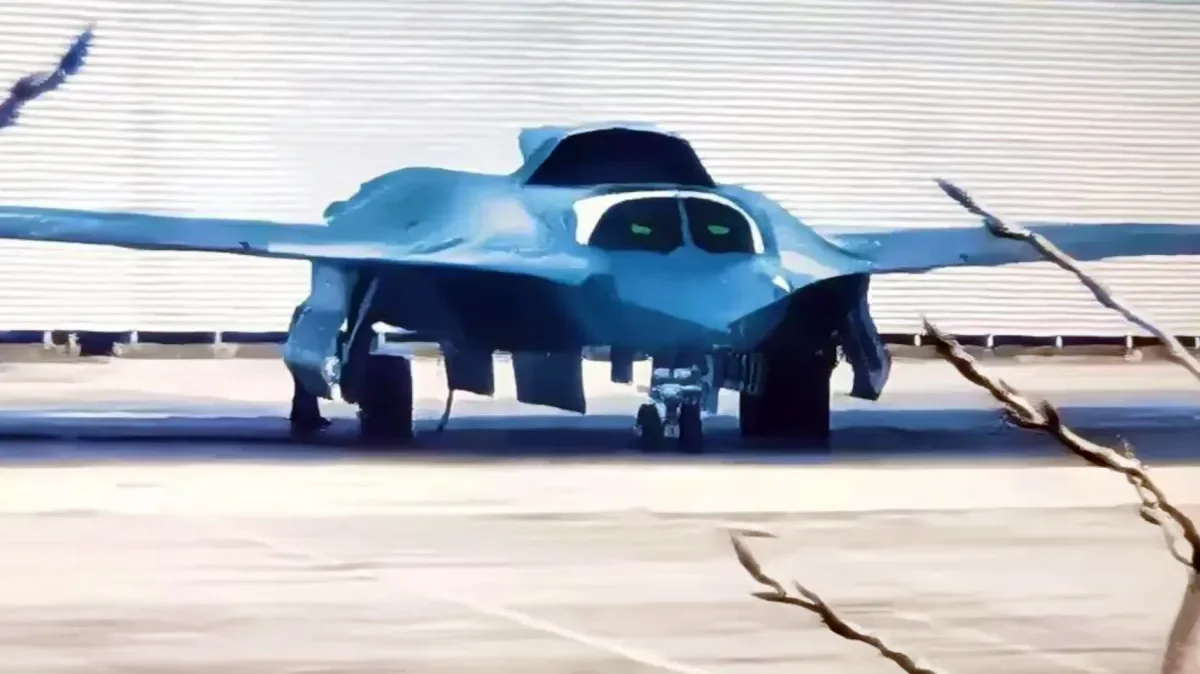
China has publicly showcased its new stealthy CH-7 flying wing drone in flight for the first time, highlighting its potential for intelligence, surveillance, reconnaissance, and possibly strike roles, with advanced stealth features and high-altitude endurance, reflecting China's rapid development in UAV technology and its potential for export.
Ukrainian forces are utilizing ground drones for reconnaissance, attack, and medevac roles in the defense of Pokrovsk amid ongoing Russian assaults, highlighting the increasing role of robotic technology in modern warfare, while Russian forces employ improvised vehicles in the same conflict zone.
Global Firepower's 2025 ranking places the US as the most powerful military, followed by Russia and China, with rankings based on assets, budget, geography, and resources; the list highlights technological advances and varying military capabilities across nations.
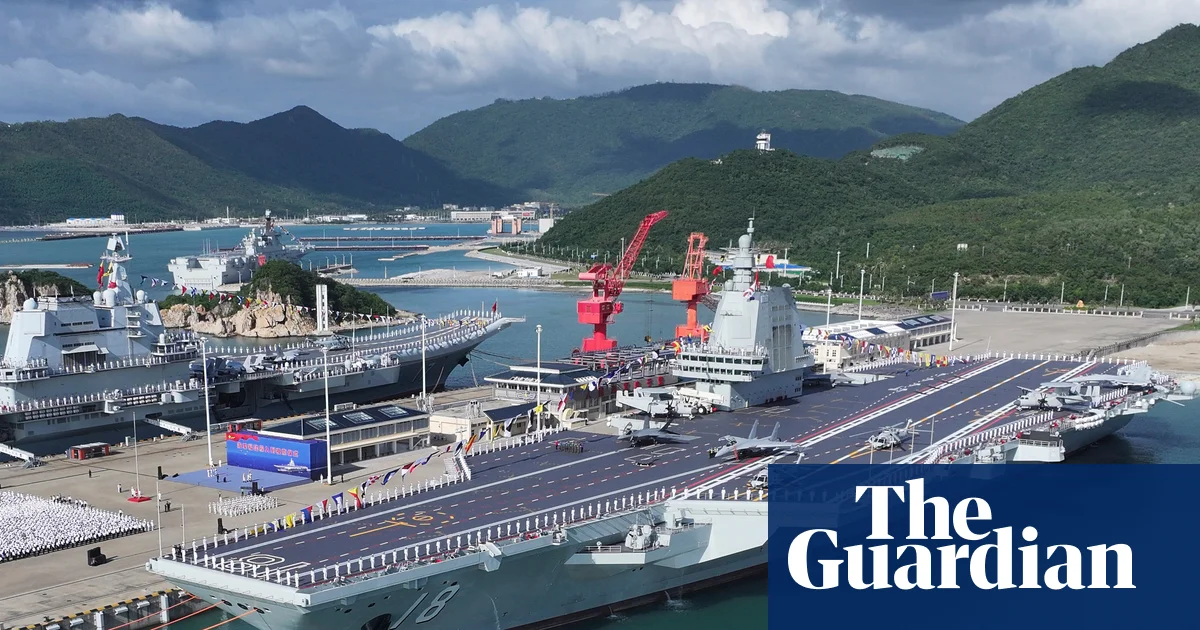
The article discusses the strategic importance and global rivalry centered around aircraft carriers, highlighting China's recent launch of the Fujian, the US's advanced USS Gerald R Ford, and the limited capabilities of Russia's navy, illustrating how these ships serve as symbols of power projection despite evolving threats and conflicts.
China has rapidly expanded its military capabilities, unveiling numerous new weapons and advanced systems, raising concerns about whether U.S. intelligence can effectively track and analyze these developments amidst the global strategic competition, with experts highlighting both the challenges and the capabilities of the U.S. intelligence community.
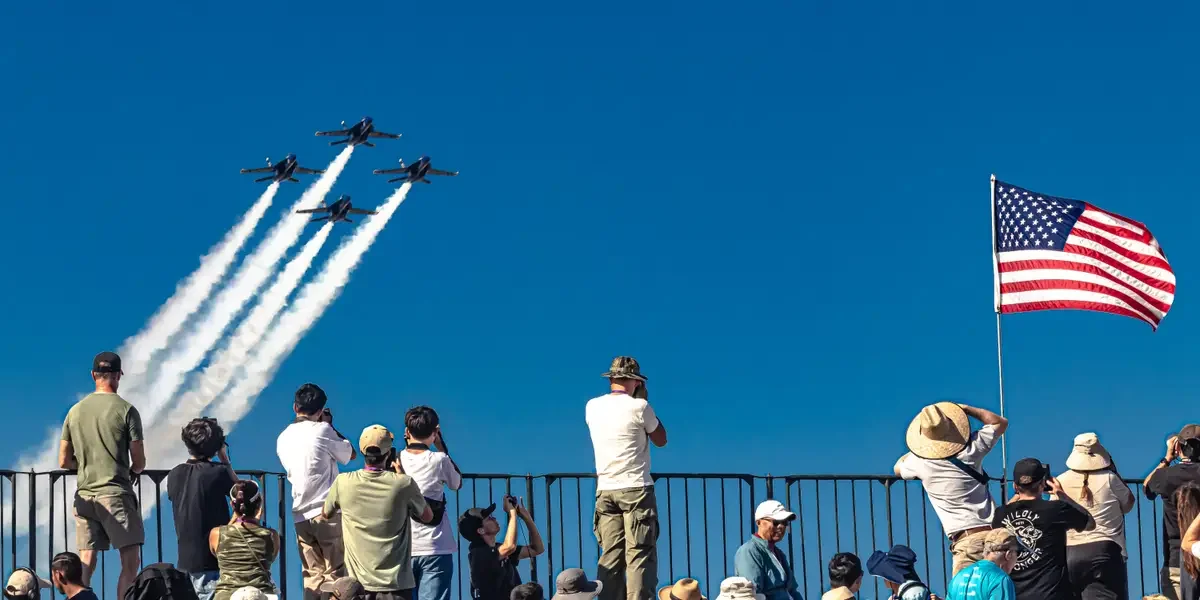
The UK Royal Navy's HMS Prince of Wales has deployed a record 24 British F-35B fighters, the largest number on any ship, as part of Exercise Falcon Strike in the Mediterranean, demonstrating the UK's growing carrier strike capabilities despite ongoing debates over aircraft numbers and program funding.