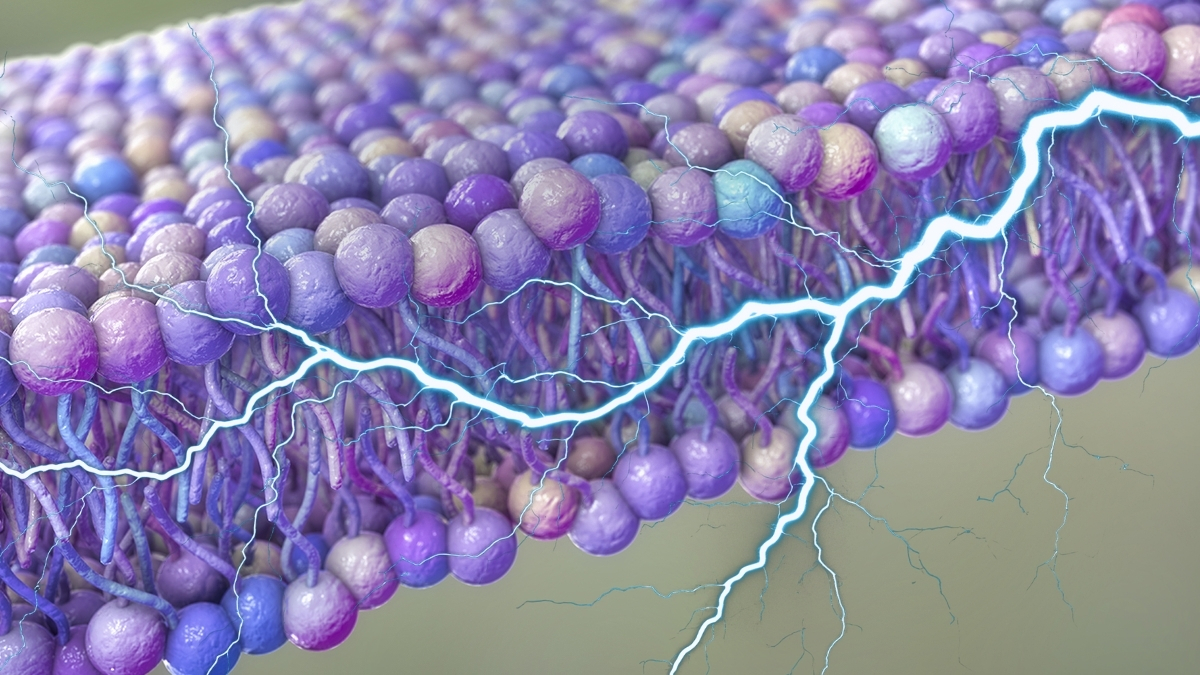
Researchers suggest that tiny ripples in cell membranes could generate enough voltage through flexoelectricity to serve as a hidden power source for biological processes, potentially influencing cell communication and movement, and inspiring bio-inspired technologies.
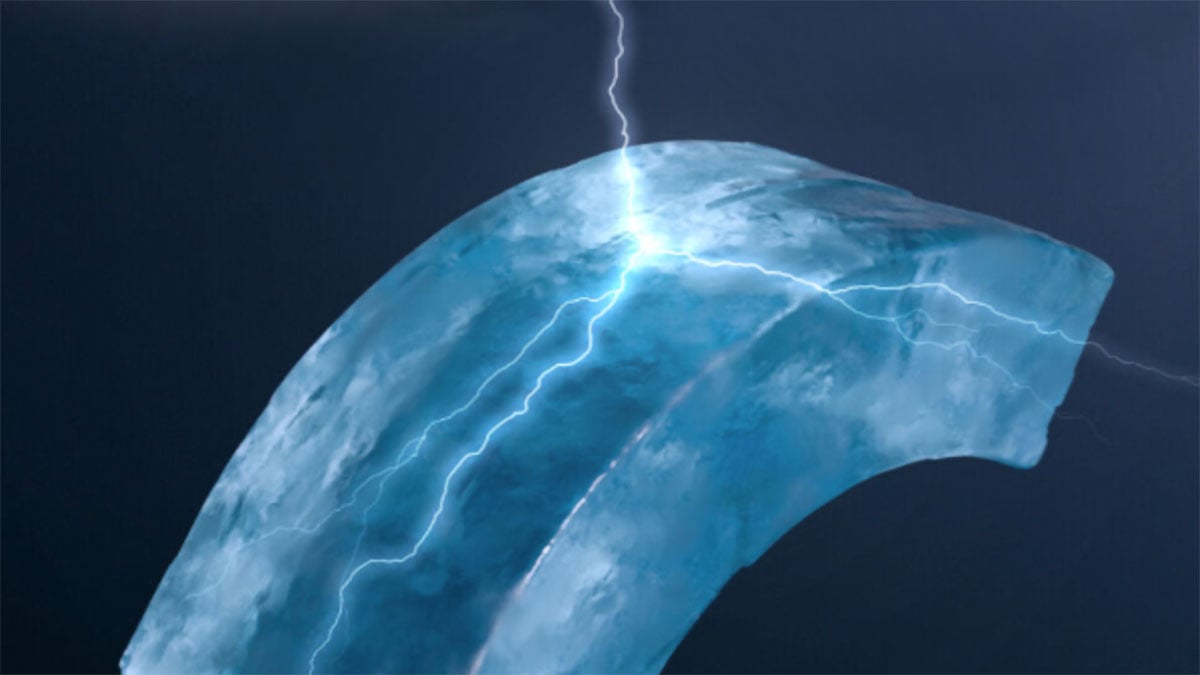
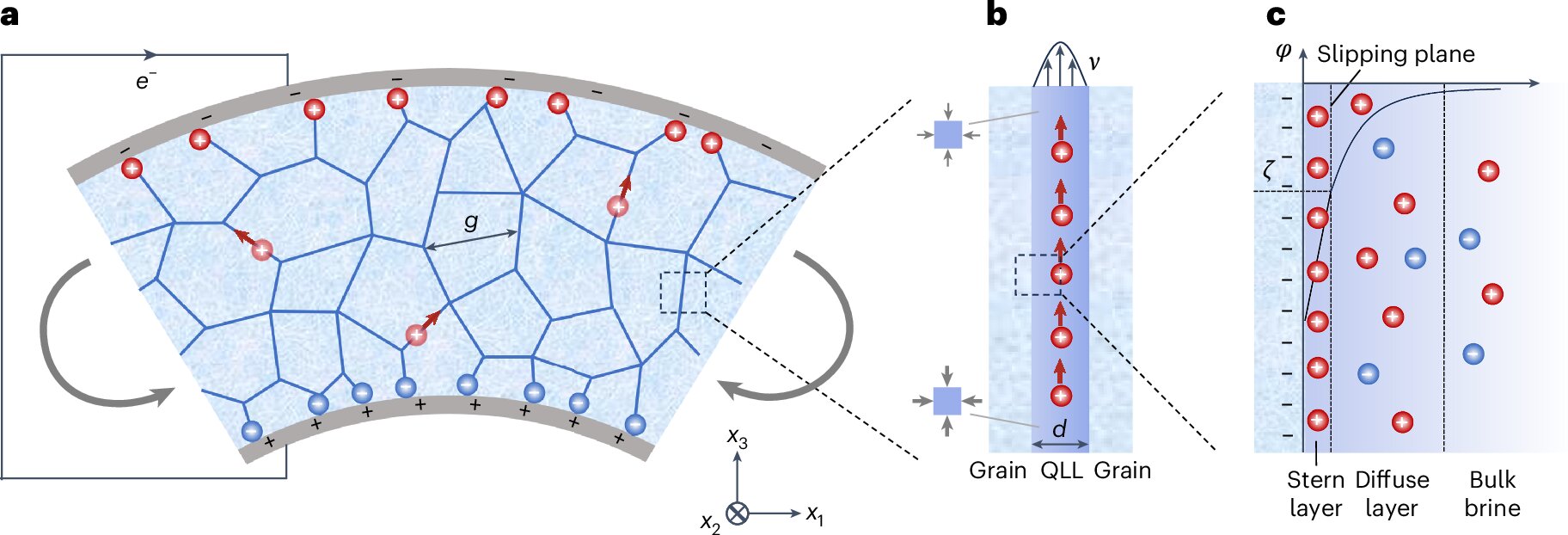
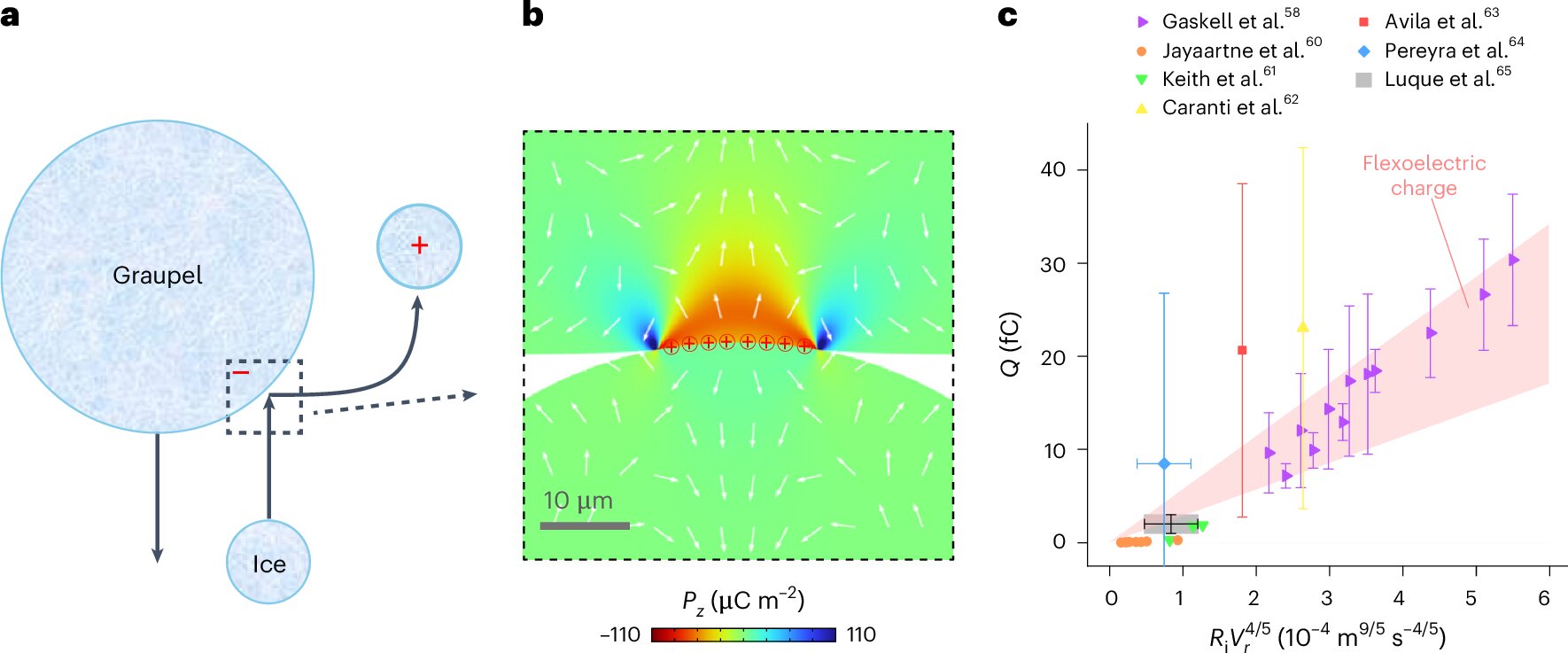
Scientists have discovered that ordinary ice can generate electricity when bent, through a process called flexoelectricity, and also exhibits surface ferroelectricity at very low temperatures. This dual electrical behavior may help explain natural phenomena like lightning formation and could lead to new technological applications using ice as an active material. The findings, published in Nature Physics, reveal surprising electromechanical properties of ice that extend our understanding of its behavior in nature and potential uses in electronics.
Researchers discovered that bending salty ice significantly enhances its ability to generate electricity through flexoelectricity, potentially opening new avenues for sustainable energy, although challenges like mechanical fatigue remain.
Scientists have discovered that ice can generate electricity through flexoelectricity when bent, opening new possibilities for sustainable energy and environmental monitoring in cold environments, challenging previous assumptions about natural materials' electromechanical capabilities.
Scientists have discovered that stressed ice can generate electricity through flexoelectric and ferroelectric properties, revealing new insights into its electromechanical behavior and potential natural phenomena like thunderstorms, challenging previous understanding of ice's passive nature.
A study reveals that ice is a flexoelectric material capable of generating electricity when deformed, which could explain natural phenomena like lightning and lead to new technological applications.
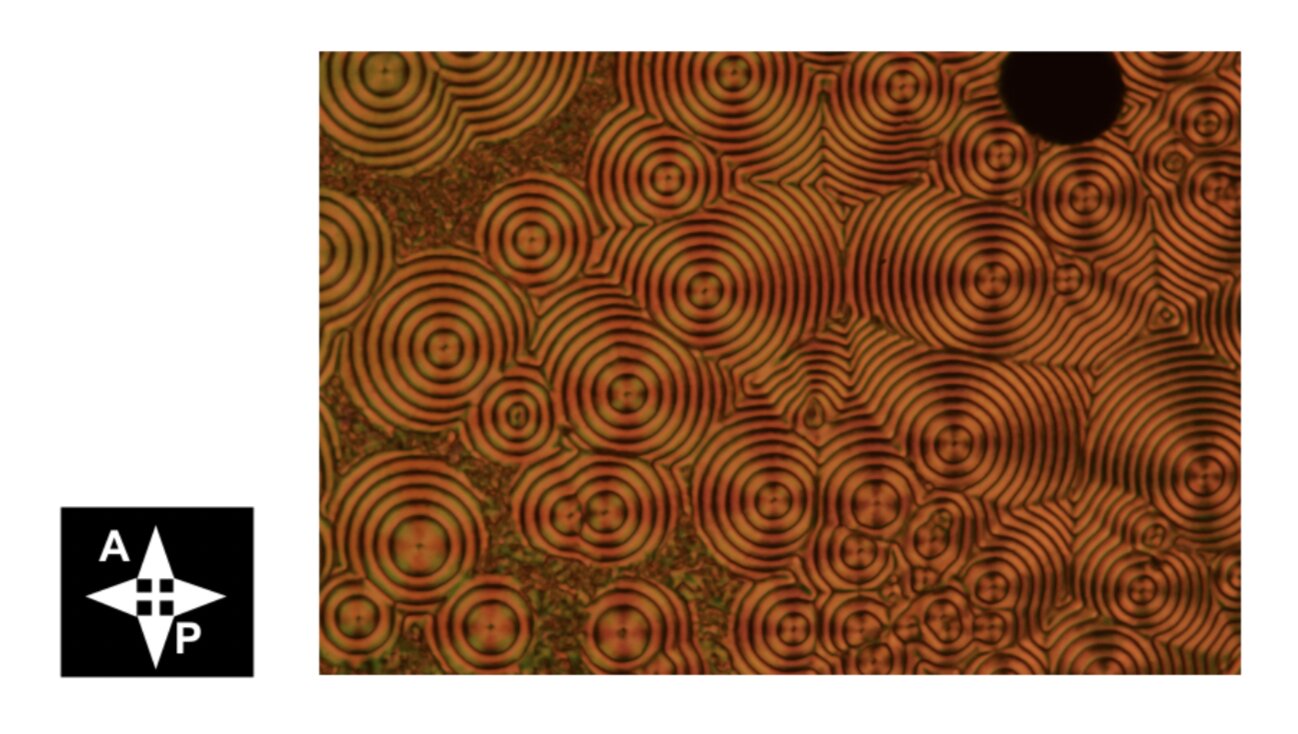
Researchers have discovered a spontaneous toroidal polar topology in the helielectric nematic state, a ferroelectric liquid-matter phase with polarized helices. This topology is generated through a flexoelectric effect, leading to the formation of previously unknown polar topological structures. The findings could pave the way for new polar topologies and the development of switchable ferroelectric-liquid-matter optoelectronic devices.