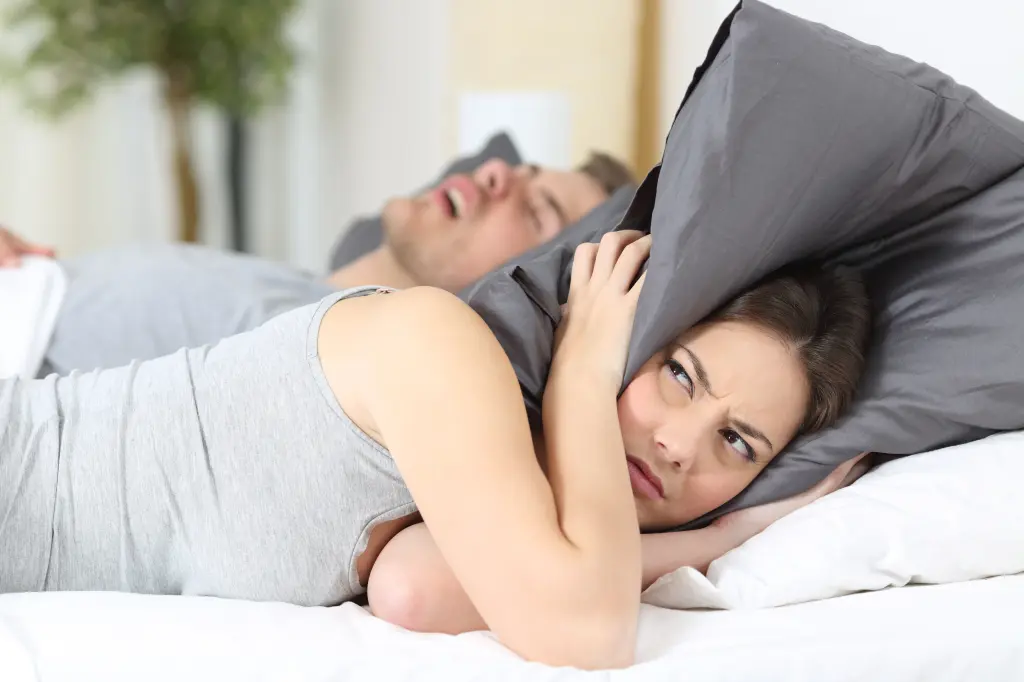
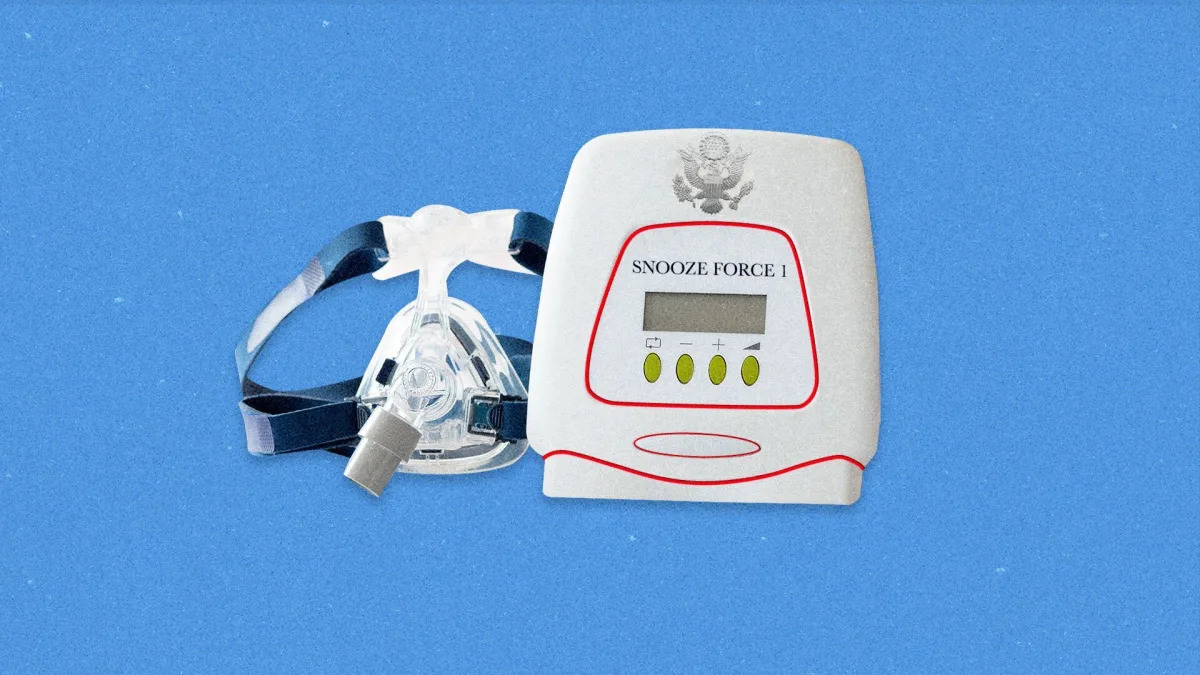
A study presented at the SLEEP 2024 annual meeting suggests that using CPAP machines can improve relationship satisfaction and reduce conflict among couples, potentially reversing the trend of "sleep divorce" caused by sleep apnea and snoring.
A new study has found an association between sleep apnea symptoms and a 50% higher risk of memory and thinking problems. The study, based on data from the 2017–18 National Health and Nutrition Examination Survey, revealed that participants with sleep apnea symptoms had greater odds of experiencing memory or thinking issues. While the findings highlight the importance of early screening for sleep apnea, further research is needed to establish the effects of sleep apnea symptoms on memory and thinking. Experts emphasize the potential impact of sleep apnea on cognitive function and the importance of early treatment, such as using a CPAP machine, to reduce the risk of cognitive decline.
Esther Rodriguez Villegas, a professor at Imperial College London, warns about the disruptive dangers of untreated sleep apnea, including cardiovascular issues, diabetes, impaired daytime energy and concentration, increased risk of car accidents, misdiagnosis of ADHD in children, and mental health issues. Common symptoms include loud snoring, waking frequently at night, morning headaches, and fatigue during the day. Treatment options include CPAP machines, mandibular advancement devices, surgery, and lifestyle changes. Despite an estimated 30 million people in the U.S. having sleep apnea, only six million are officially diagnosed, highlighting the need for increased awareness and diagnosis.
Rodney Thomas, 51, died from aggressive nasopharyngeal cancer after using a Philips sleep apnea machine, leading to his wife, Shawne Thomas, filing a lawsuit against the company. The machine was found to expel carcinogenic materials into users' airways, with nearly 600 people dying and thousands facing severe health conditions. The recall of over 5 million CPAP machines has led to a partial $479 million settlement, with claims of foam degradation and release of harmful chemical gases. Philips denies an association between its devices and increased cancer risk, but independent testing has found the presence of carcinogenic substances.
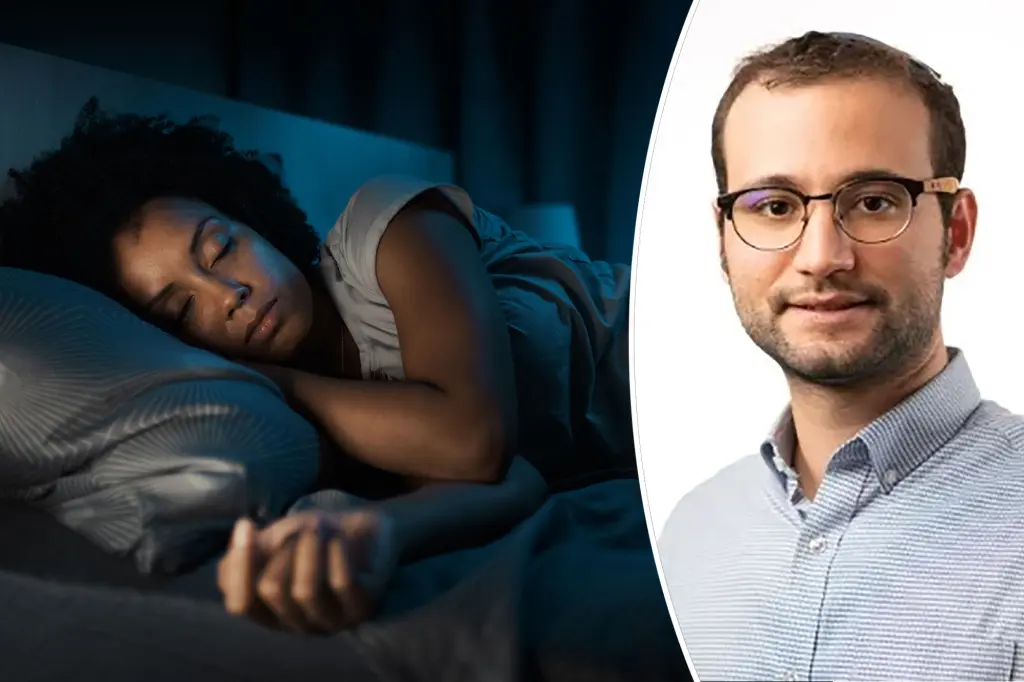
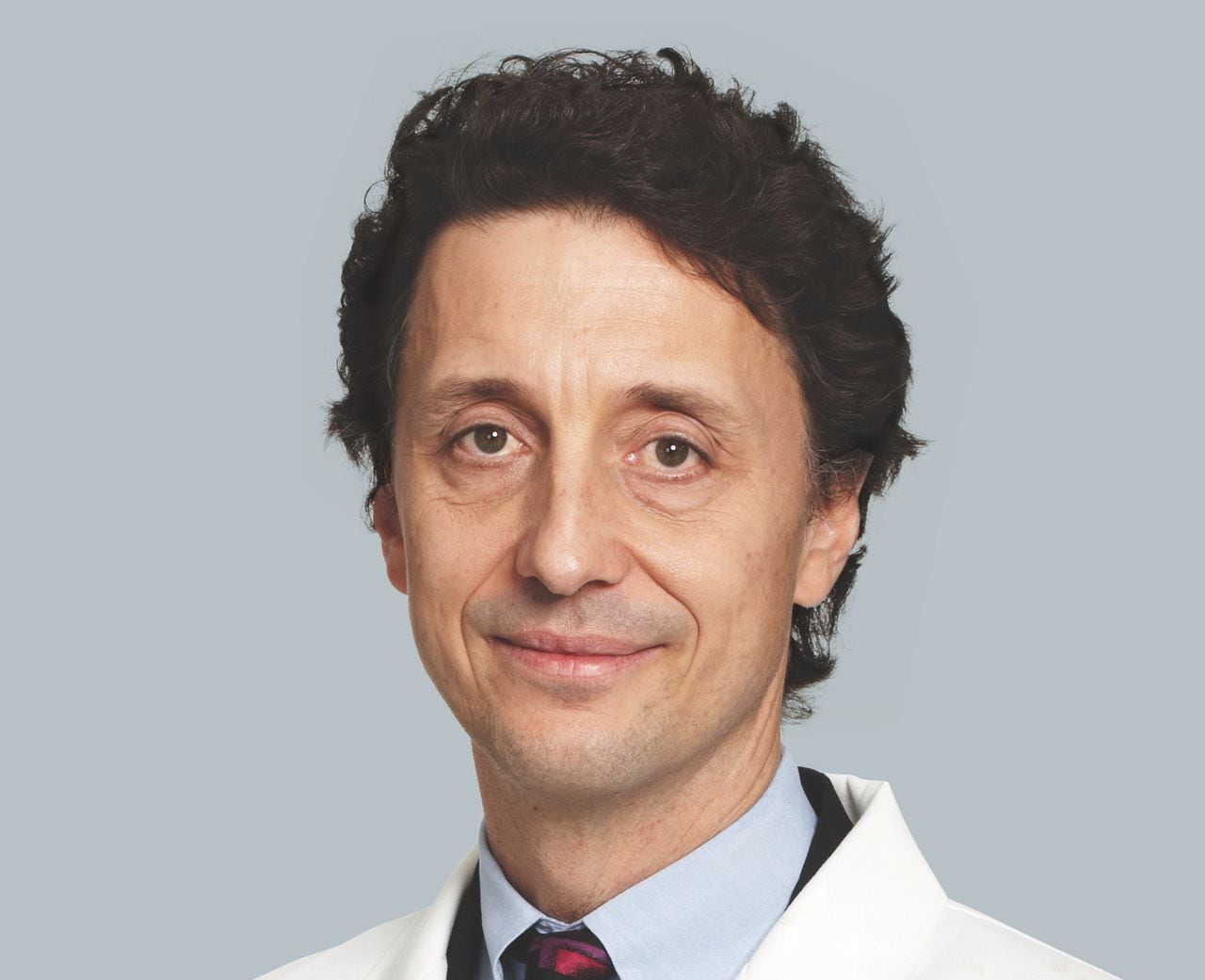
Sleep scientist Dr. Joachim Behar warns that obstructive sleep apnea (OSA), a common sleep disorder affecting millions, often goes undetected due to overlooked symptoms. OSA can lead to serious conditions like Type 2 diabetes and heart disease if left untreated. Symptoms include excessive daytime sleepiness, snoring (the most commonly overlooked symptom), gasping or choking during sleep, dry mouth or sore throat upon waking, morning headaches, trouble focusing, mood changes, high blood pressure, and decreased interest in sex. Simple lifestyle changes and the use of a continuous positive airway pressure (CPAP) machine are effective treatments. Lack of consistent sleep is a growing public health concern, with nearly half of American adults experiencing sleep deprivation.
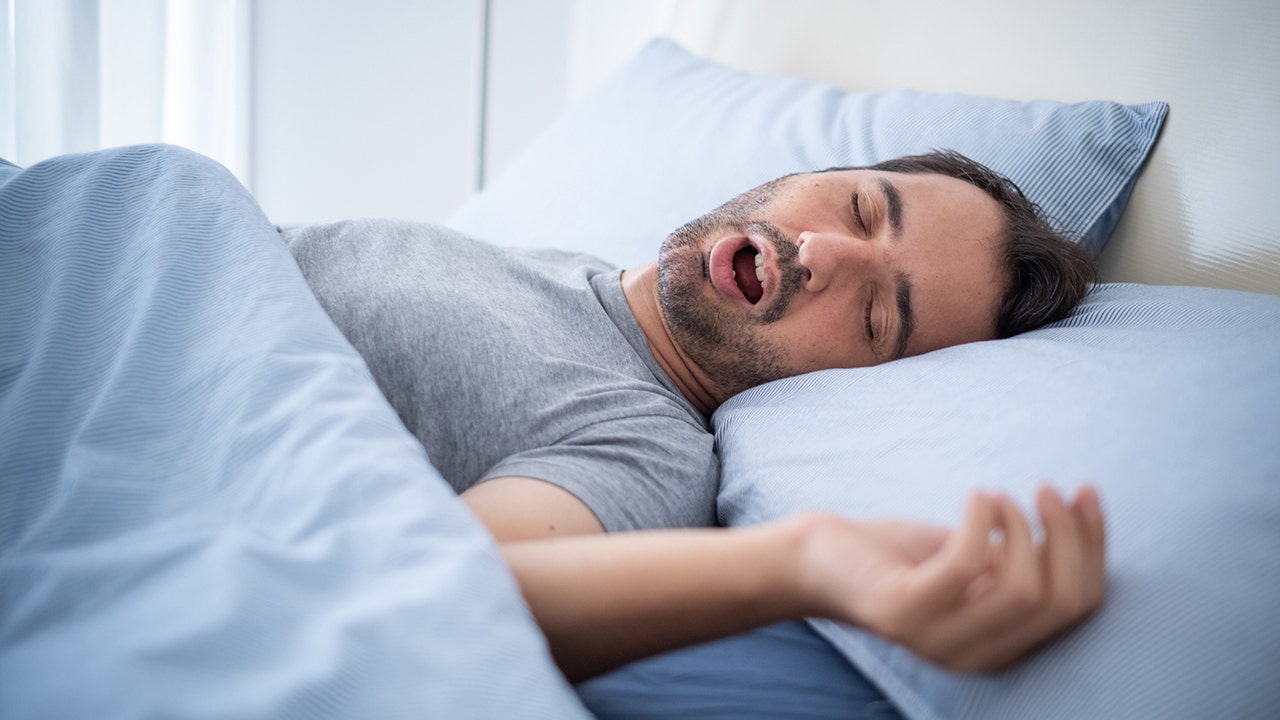
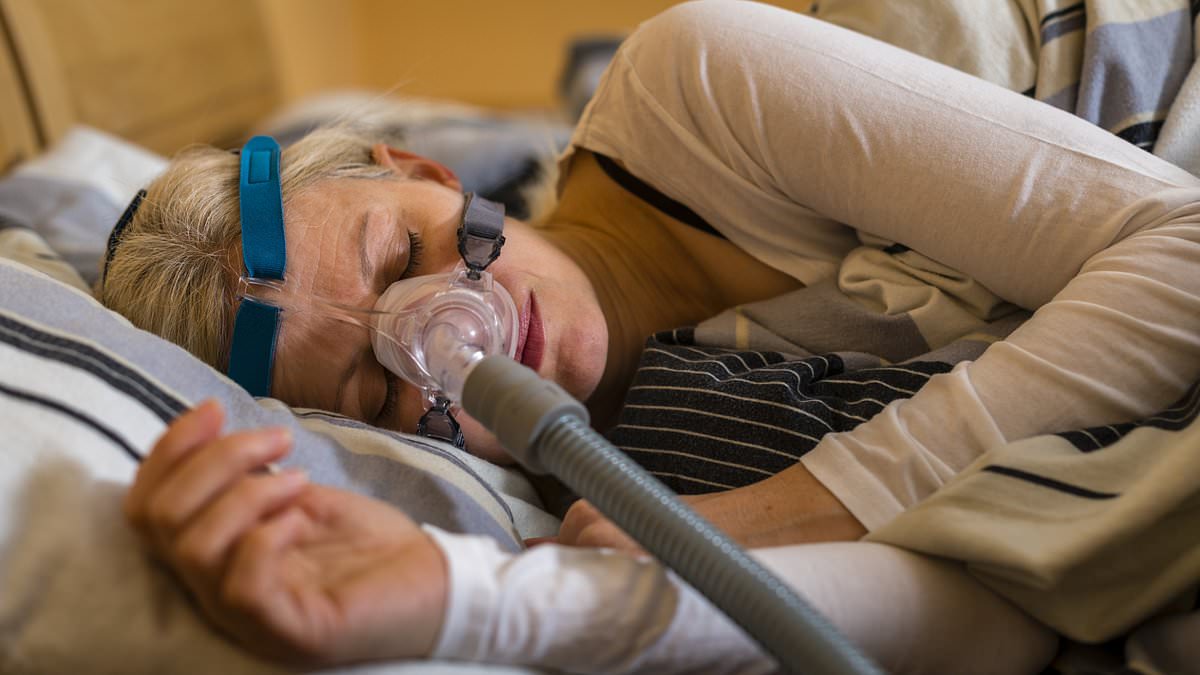
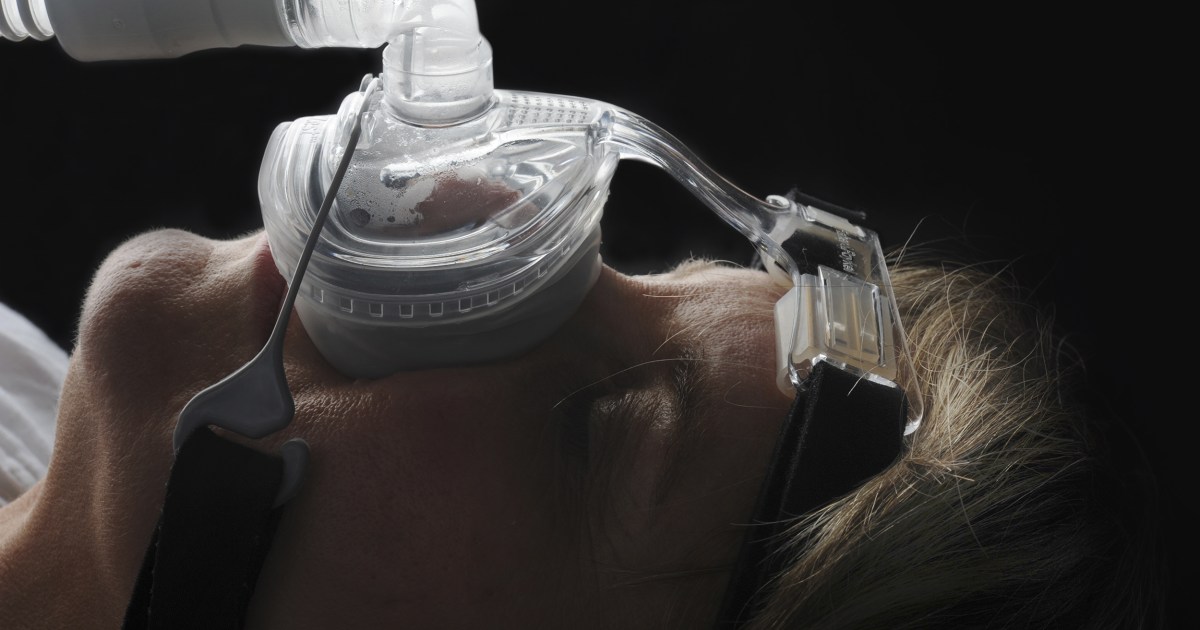
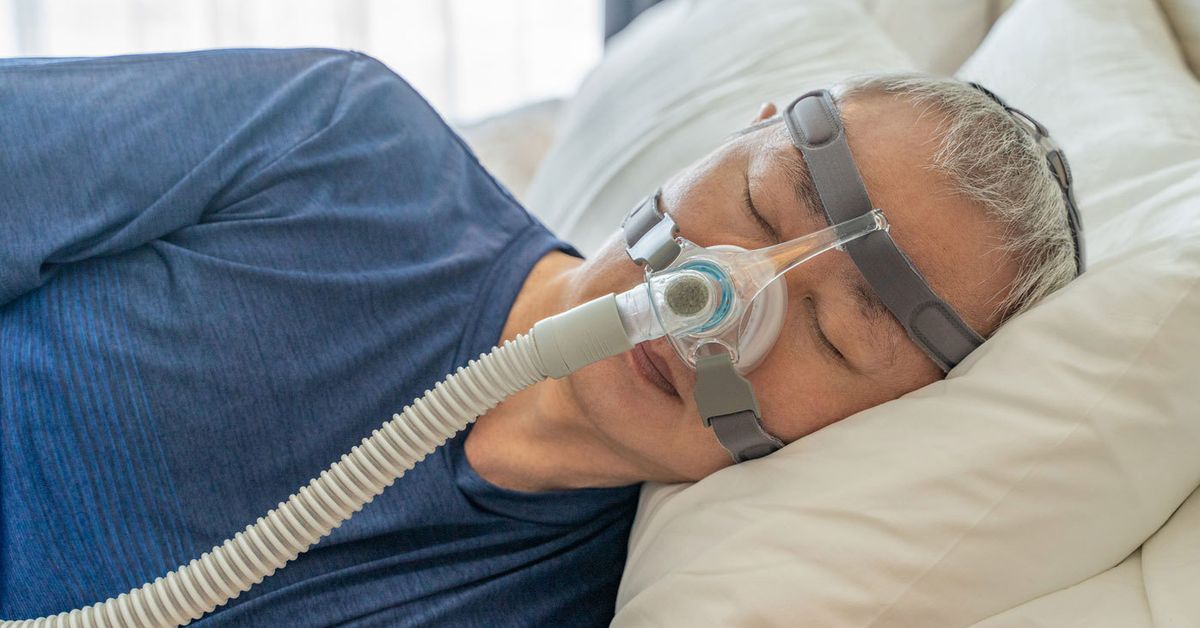
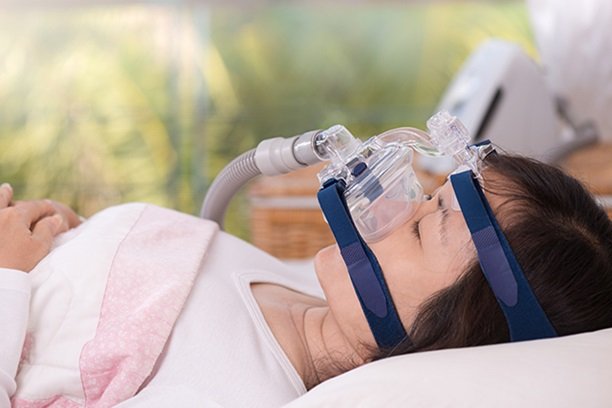
One in five Americans suffers from sleep apnea, a potentially deadly sleep disorder that causes breathing to stop and deprives the body of vital oxygen. Sleep apnea is often characterized by loud snoring, choking, and gasping during sleep, and can lead to serious health complications such as hypertension, stroke, and heart attacks. Treatment typically involves the use of a CPAP machine, which provides a steady flow of pressurized air to keep airways open. Consistent use of a CPAP machine has been found to protect against cardiovascular disease. Sleep apnea is more common in men, and obesity and advanced age are major risk factors.
Sleep apnea, a condition in which breathing frequently stops and restarts during sleep, affects one in five American adults. Most sufferers are unaware of their condition, which can lead to oxygen deprivation, fatigue, and a range of health issues. Sleep apnea is linked to obesity, smoking, and back-sleeping. The disorder often goes untreated, but effective treatments such as weight loss, lifestyle changes, and the use of a continuous positive airway pressure (CPAP) machine can significantly improve symptoms and reduce the risk of complications.
New research suggests that using a continuous positive airway pressure (CPAP) machine at night may help reduce the risk of dying from cardiovascular disease for people with obstructive sleep apnea. Two studies presented at the European Respiratory Society International Congress found that CPAP therapy can lower the risk of cardiovascular events and decrease plaque buildup in the arteries around the heart. People with sleep apnea are at a higher risk for cardiovascular diseases, and using a CPAP machine has been shown to be effective in reducing this risk. However, further research is needed to confirm these findings and explore the potential benefits of early CPAP treatment.
A Florida resident with rheumatoid arthritis asks if hydroxychloroquine provides protection against malaria transmitted by mosquitos. The physician explains that public health measures, such as aerial and truck spraying for mosquitos, draining stagnant water, using screens, and applying mosquito repellent, are more effective in preventing malaria. While hydroxychloroquine is an effective treatment and preventive agent for malaria, its use may be limited due to resistant parasites. The reader is advised to implement other protective measures since the medication is not guaranteed protection. In another question, a person who used oxygen with a CPAP machine for sleep apnea and atrial fibrillation (AFib) asks if they can discontinue oxygen. The physician suggests discussing this with their doctor, as they may no longer need oxygen since their AFib has been resolved.
Australian researchers have developed a new approach to treat sleep apnoea, a condition that causes people to stop breathing multiple times during the night. Instead of starting with the often cumbersome Continuous Positive Airway Pressure (CPAP) machine, the researchers recommend using oral appliances, or dental splints, to hold the tongue in place and keep the airway open. If the splints don't work, alternate therapies such as oxygen therapy and "novel medications" are added. This new approach has shown impressive results, with almost all participants being successfully treated without the need for a CPAP machine.
A clinical trial conducted by researchers from King's College London and Guy's and St. Thomas' NHS Foundation Trust has found that a battery-powered device, commonly used for pain relief during childbirth, showed promise in improving breathing for patients with obstructive sleep apnea. The device, known as a transcutaneous electrical nerve stimulation (TENS) machine, provided a cheap and effective alternative to the widely prescribed continuous positive airway pressure (CPAP) treatment. The TENS machine, which delivers light and continuous electrical stimulation, kept patients' airways open during sleep, resulting in improvements in nocturnal breathing and a significant reduction in daytime exhaustion. Further research is planned to validate the efficacy of this treatment in different healthcare systems.
Sleep apnea is a condition in which breathing stops and restarts many times during sleep due to partial or complete closure of the upper airway. There are two types: obstructive sleep apnea (OSA) and central sleep apnea (CSA). Symptoms include loud snoring, choking or gasping spells, morning headaches, daytime sleepiness, mood changes, and dry mouth or sore throat. A sleep study is required for proper diagnosis, which involves measuring various physiological parameters during sleep. Treatment options range from using a CPAP machine to surgeries, oral appliances, weight loss, and positional devices. Gender, age, and pre-existing conditions can all play a role in the development of sleep apnea.