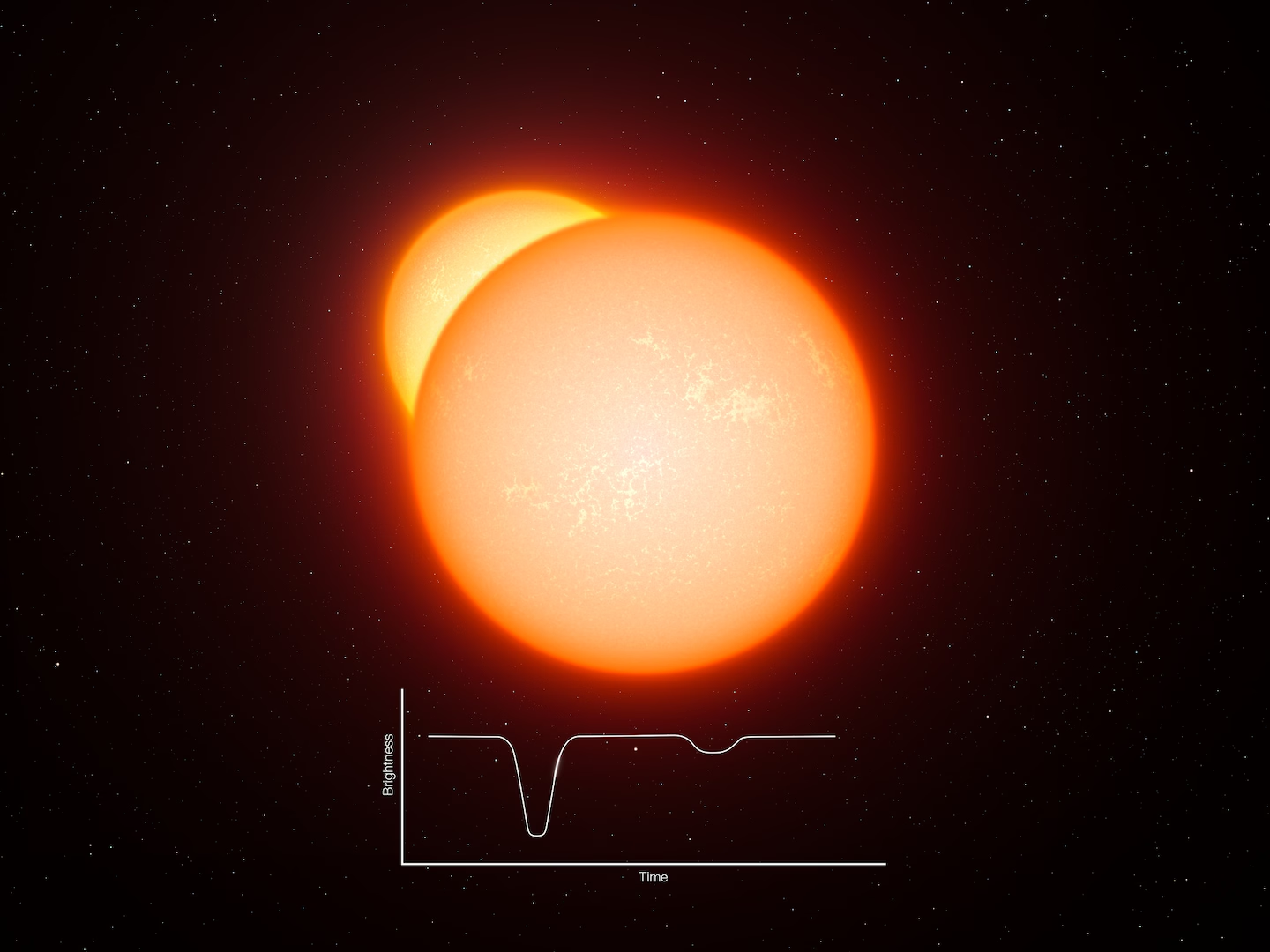
Citizen Scientists Discover 10,000 Eclipsing Star Pairs
Citizen scientists have identified 10,000 new pairs of eclipsing binary stars, providing valuable data for astrophysics research on star formation and evolution.

All articles tagged with #citizen scientists
Citizen scientists have identified 10,000 new pairs of eclipsing binary stars, providing valuable data for astrophysics research on star formation and evolution.
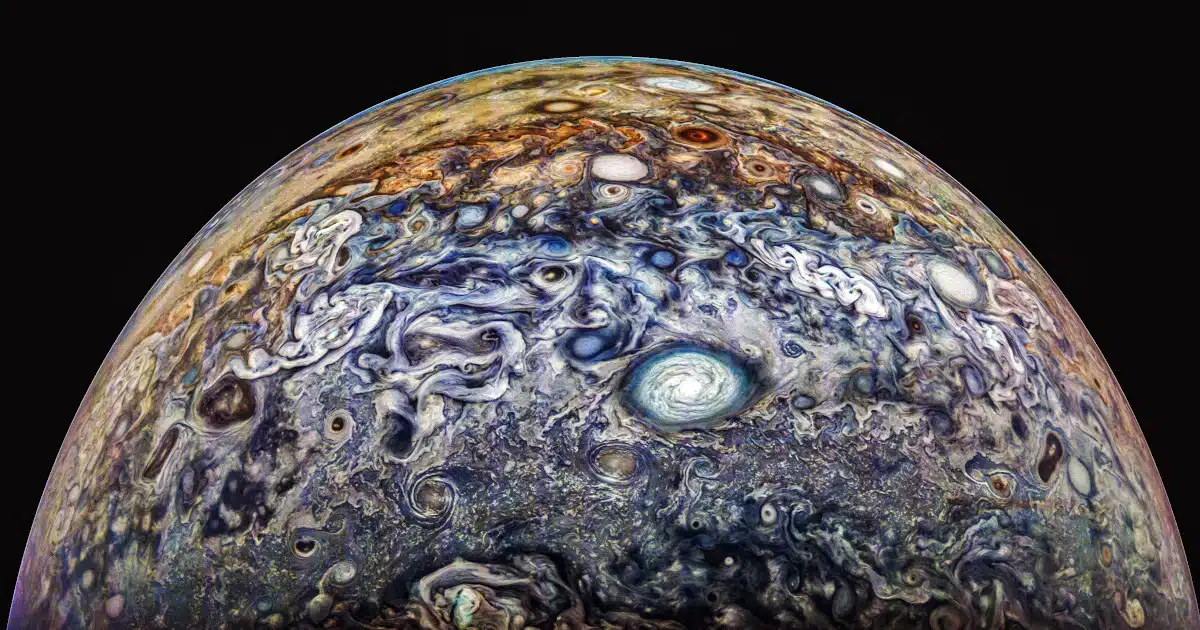
NASA's Juno spacecraft completed its 66th close flyby of Jupiter, capturing raw data and images that are processed by citizen scientists to reveal the planet's atmospheric phenomena. These images, while artistically enhanced, provide valuable insights into Jupiter's weather and structure. The mission, extended beyond its original 2017 end date, will continue until September 2025, offering more opportunities to study Jupiter before the spacecraft is intentionally crashed into the planet.
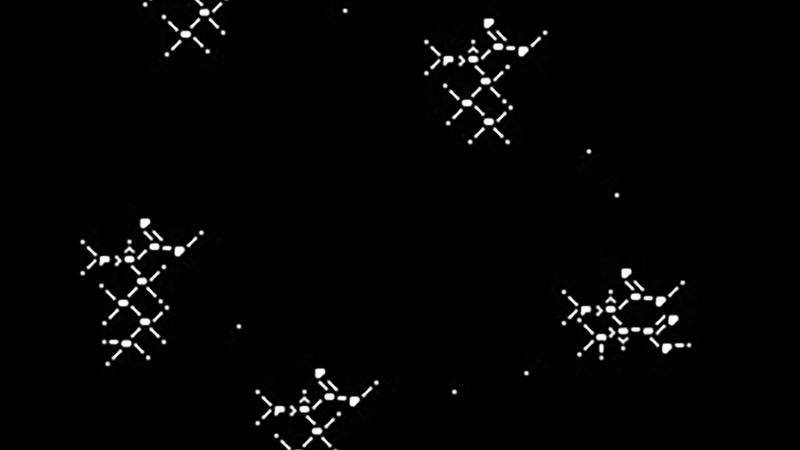
A simulated alien-like signal sent from Mars by the SETI Institute was decoded by a father-daughter team, revealing a message representing amino acids, the building blocks of life. The project, designed to mimic receiving an extraterrestrial message, involved global citizen scientists and took nearly a year to decipher. The meaning of the message remains open to interpretation, with suggestions ranging from a simple 'hello' to a representation of panspermia. The project highlights the challenges of interpreting potential extraterrestrial communications.
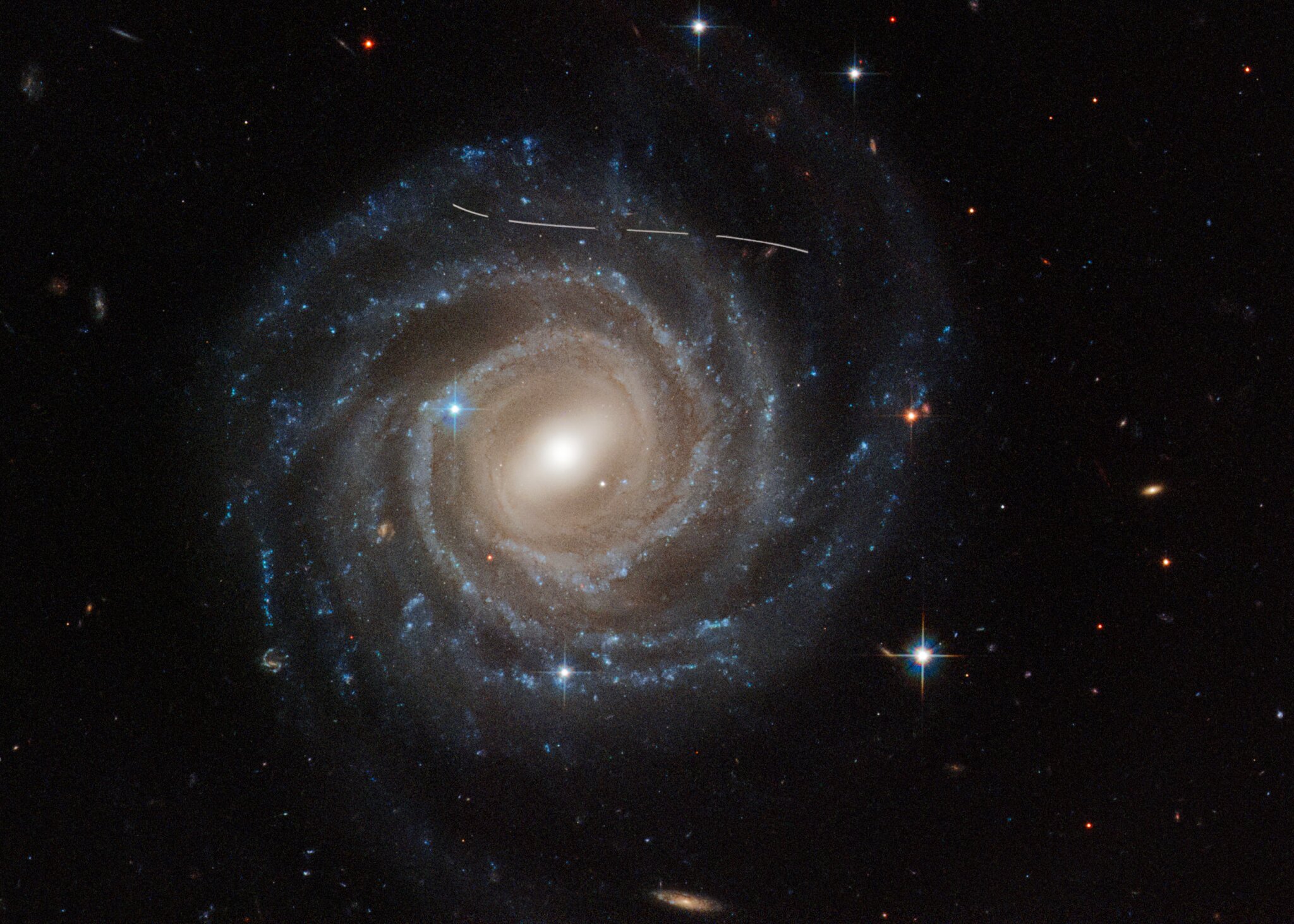
The Hubble Space Telescope has been used to identify a large number of previously uncatalogued small main belt asteroids by analyzing 37,000 archived images spanning 19 years. Citizen scientists and a machine-learning algorithm were instrumental in this effort. The findings provide new insights into the formation and evolution of the asteroid belt, supporting theories of asteroid fragmentation due to collisions. This pioneering approach may be applied to other astronomical datasets, and the next steps involve characterizing the orbits and properties of these newly discovered asteroids.
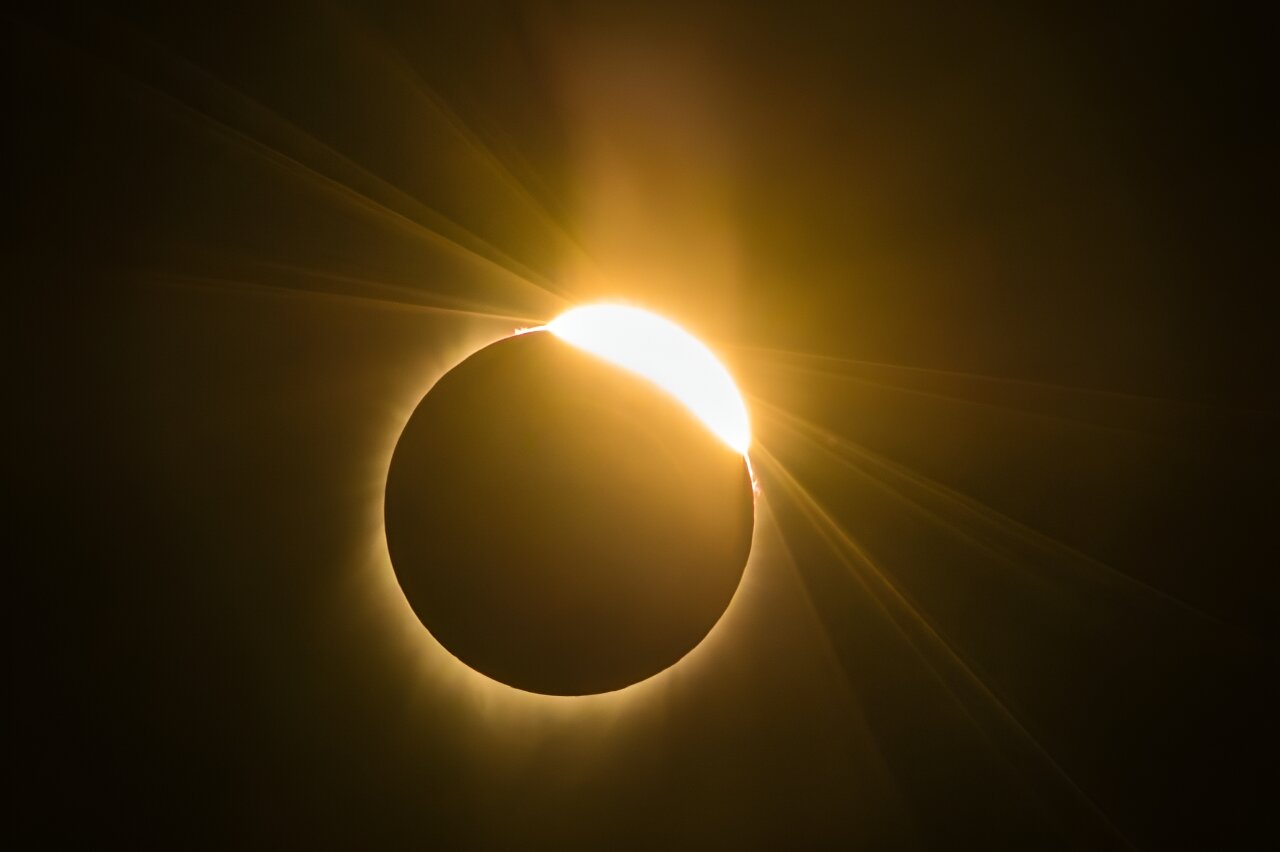
Scientists are gearing up to study the upcoming total solar eclipse in the US, hoping to gather data on the sun's atmosphere, Earth's ionosphere, animal behaviors, and human reactions. The eclipse, occurring near the peak of the sun's 11-year cycle, presents a rare opportunity to observe the sun's corona and its effects on Earth's upper atmosphere. Researchers also aim to study animal behaviors and human reactions, including the potential impact on political divisions, while engaging citizen scientists in various projects to capture the event's sights and sounds.
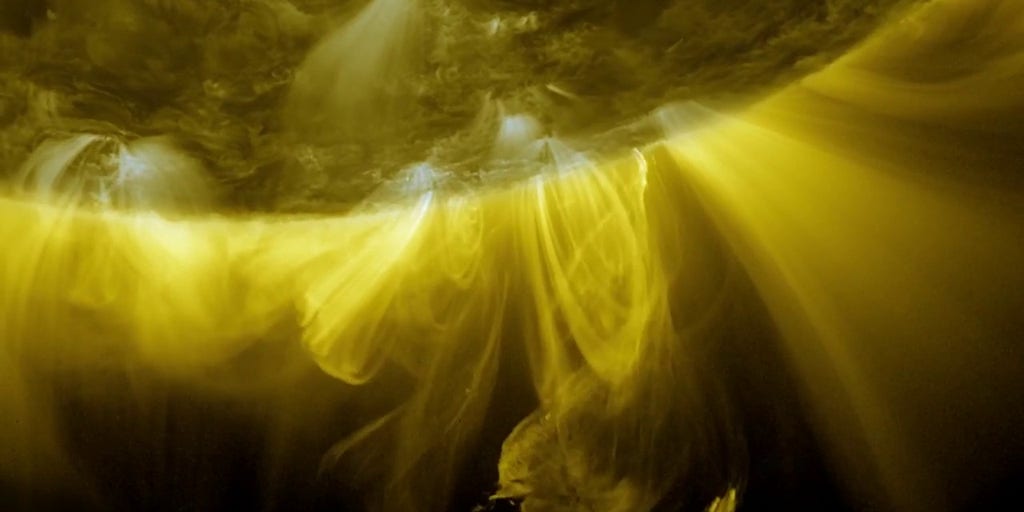
NASA is seeking the help of citizen scientists along the path of totality during the upcoming total solar eclipse on April 8th to gather data on the Sun. Projects range from using a smartphone app to measure the size and shape of the Sun to more advanced tasks like programming in Python. The data collected will aid in understanding the Sun's interior, forecasting solar storms, and protecting technology-dependent systems on Earth. This presents a unique opportunity for the public to contribute to scientific research and potentially make a significant impact.
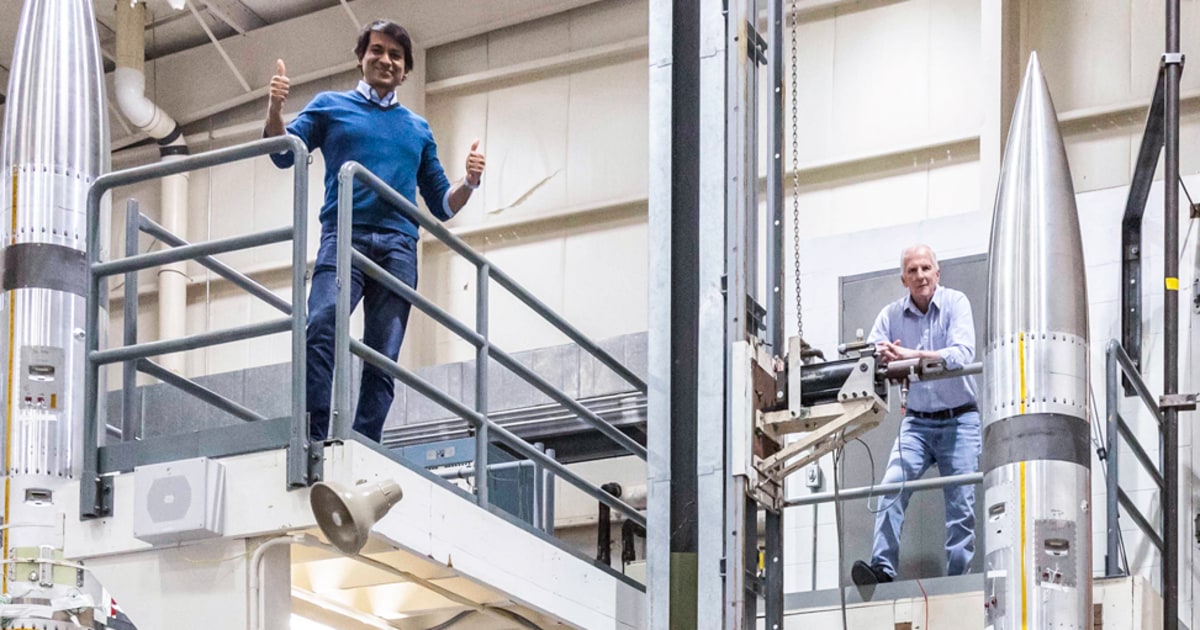
The upcoming total solar eclipse in April is expected to provide a unique opportunity for scientific research, with the moon being unusually close to Earth and the sun showing increased activity. Hundreds of thousands of spectators are expected to participate as "citizen scientists," aiding NASA and other research groups in studying the sun's corona, atmospheric changes, and animal behavior during the eclipse. Rockets, high-altitude jets, weather balloons, and even a kite with a science instrument will be deployed to gather data. This eclipse will offer valuable insights into the sun's corona and its extreme temperatures, and it is anticipated to be the best opportunity for scientific observations until 2045.
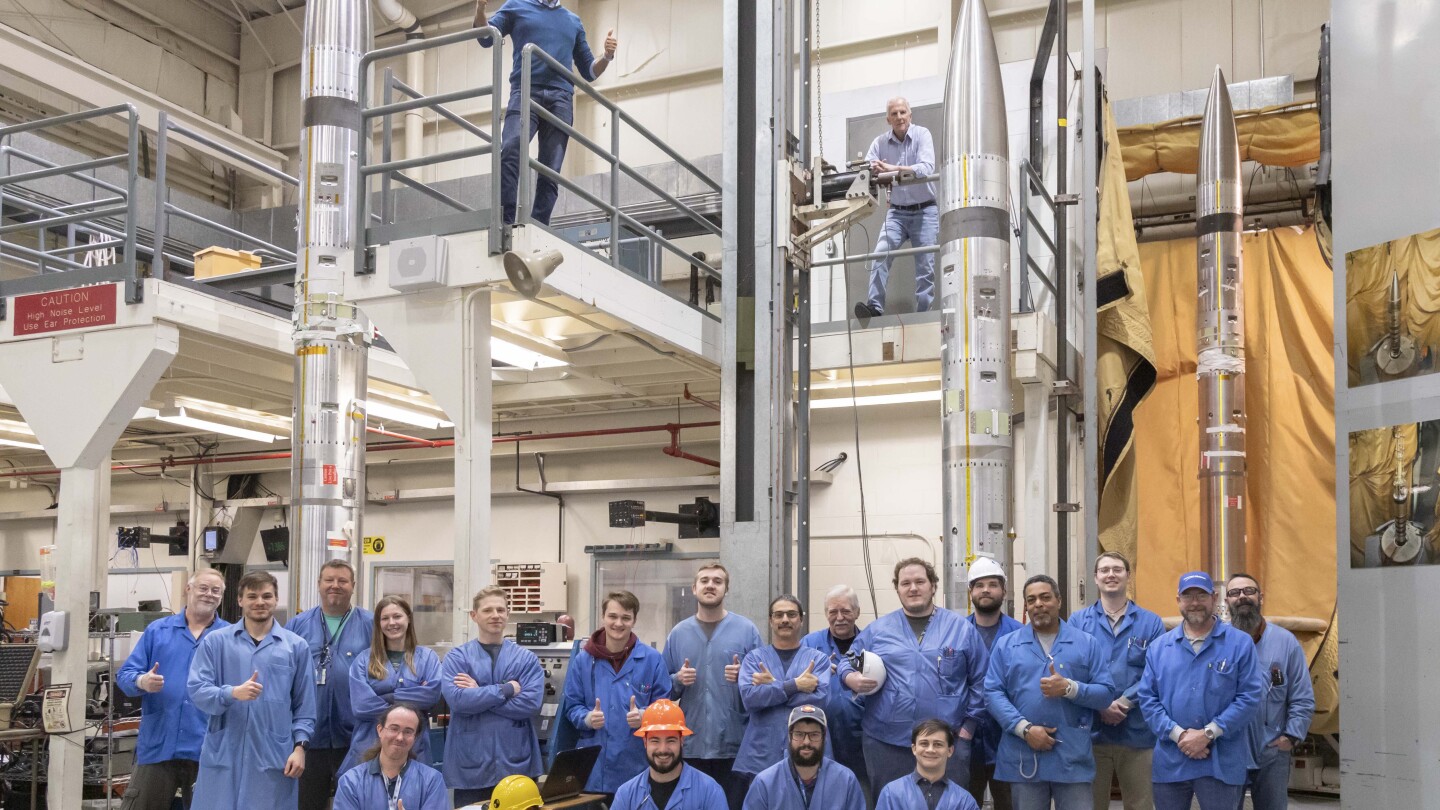
April's total solar eclipse is expected to be a scientific bonanza, with the moon being extra close to Earth and the sun more active, providing a long and intense period of darkness. Spectators will double as "citizen scientists," helping NASA and other research groups better understand our planet and star. Rockets will blast off with science instruments into the ionosphere, and high-altitude jets will study the sun's corona and surrounding dust. More than 600 weather balloons will be launched, and a 21-foot kite will lift a science instrument three miles above Texas. The eclipse will pass over three U.S. radar sites typically used for monitoring space weather, providing a unique opportunity for research.
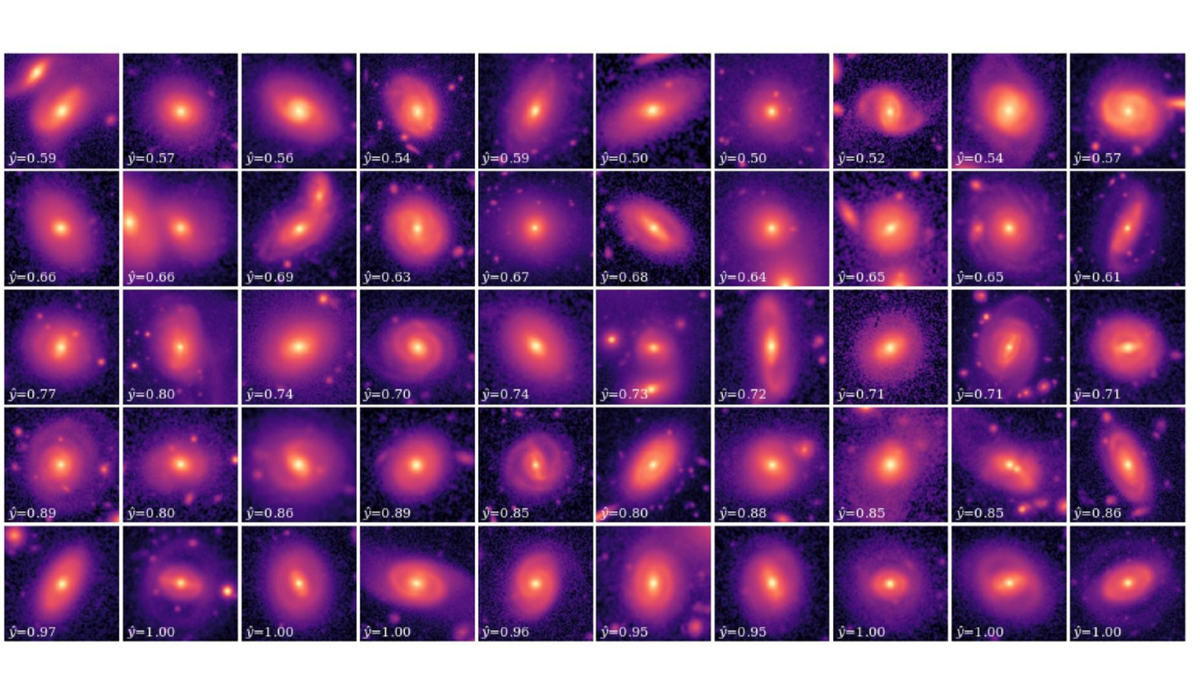
Citizen scientists and AI have discovered 430,000 galaxies, including 30,000 rare ring galaxies, using data from the Subaru Telescope. The "GALAXY CRUISE" project involved 10,000 volunteers and AI to sift through the telescope's massive data. The AI classified 400,000 galaxies as spiral and 30,000 as ring galaxies, shedding light on the rare galaxy type's formation and demonstrating the power of AI in astronomical data analysis.
NASA's Eclipse Megamovie Project 2024 aims to enlist citizen scientists equipped with DSLR cameras and equatorial mounts to capture around 1,200 images of the corona and chromosphere during the total solar eclipse on April 8, 2024. The project seeks to help solar physicists solve the mystery of solar jets and plumes, providing valuable data that cannot be obtained through space-based observations. With improved equipment and an expected increase in solar activity, the project aims to produce more detailed and dramatic images compared to the 2017 effort.
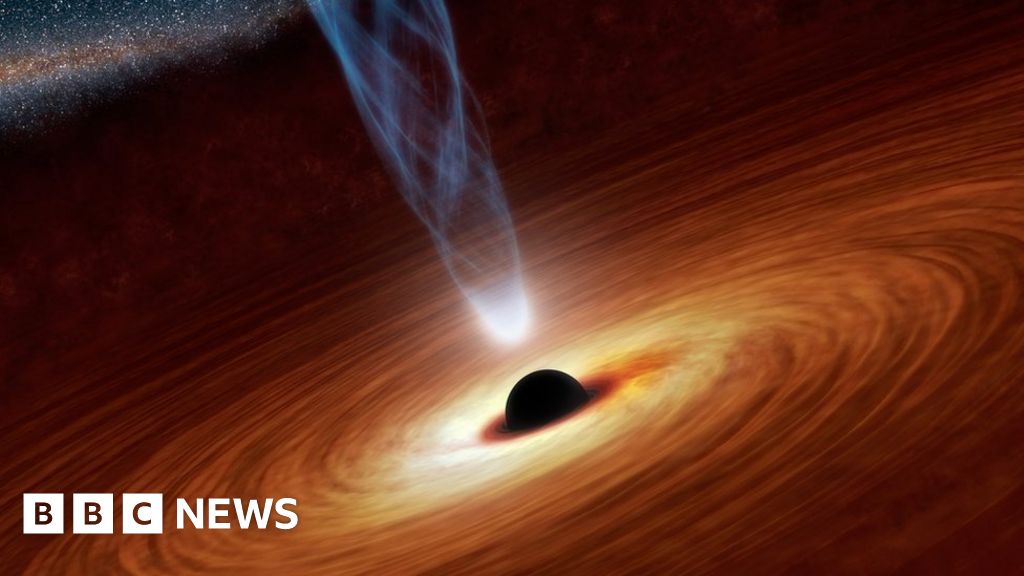
The University of Southampton is seeking citizen scientists to help identify black holes by analyzing telescope data from the TESS satellite, as part of a joint project with the Open University. Volunteers will be trained to spot gravitational lensing events, which indicate the presence of black holes, using just a smartphone, tablet, or computer. The researchers hope to increase the detection of these elusive astronomical phenomena and encourage people of all ages to participate, regardless of prior expertise.
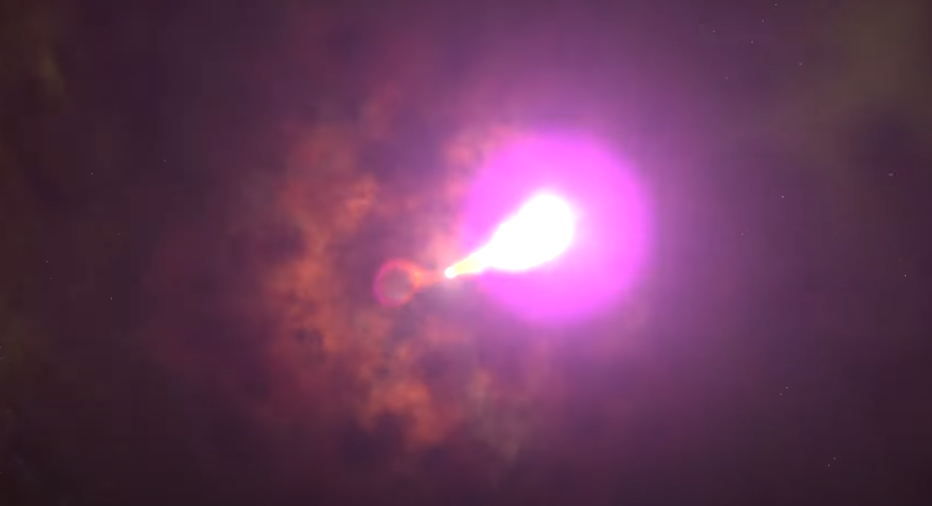
NASA is enlisting citizen scientists to join the "Burst Chaser" project and help interpret gamma-ray bursts, which could provide insights into the universe's formation. Amateur astronomers may contribute to discoveries like an unexpected gamma-ray signal outside our galaxy, challenging previous theories about the cosmic microwave background's movement and suggesting unidentified sources are producing energetic cosmic rays.

NASA is enlisting citizen-scientists to help track gamma ray bursts, the most powerful explosions in the universe, in order to determine their origins and understand more about their structure. The Burst Chaser initiative calls for volunteers to examine energy plots captured by the Neil Gehrels Swift Observatory and classify the pulses and shapes, contributing to the first catalogue of gamma ray pulse structures and future research on these massive explosions, which provide insight into extreme environments and the early universe.
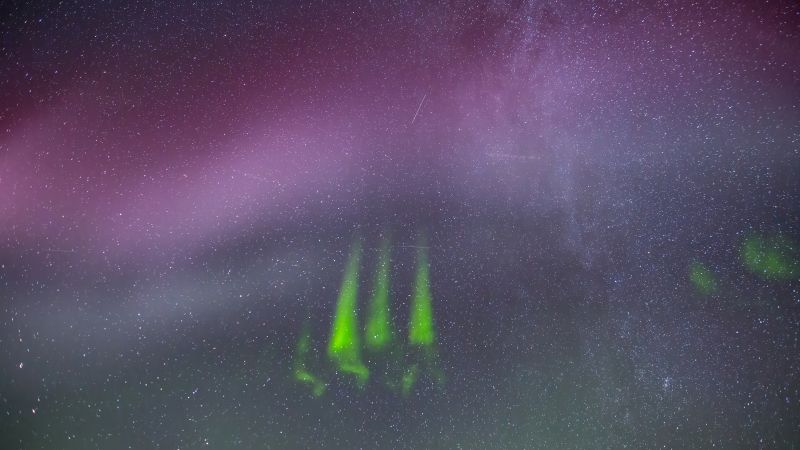
Steve, a rare light spectacle that appears closer to the equator than auroras, has been captivating observers in the Northern Hemisphere. Initially misidentified as a proton arc, Steve was given its name during a meeting at a Canadian pub by a group of citizen scientists. Scientists later discovered that Steve is a visual manifestation of subauroral ion drift (SAID), a narrow flow of charged particles in Earth's upper atmosphere. While visually different from auroras, Steve is made up of similar components and appears as a streak of mauve-colored light accompanied by distinctive green bands. As Earth enters a period of enhanced solar activity, or solar maximum, more opportunities to witness Steve at low latitudes are expected.

Citizen scientists discovered a celestial object in 2016 that was later determined to lie on the boundary between a comet and an asteroid. The object, named quasi-Hilda 2009 DQ118, displayed clear signs of comet behavior and was found to have a second epoch of activity. Photometric analysis of the object's tail revealed consistent length and brightness, and its orbital history indicated frequent proximity to Jupiter. The research team concluded that the object is neither predominantly ice nor rock, placing it in a unique category between comets and asteroids.