Tag

Celestial Object

All articles tagged with #celestial object

astronomy1 year ago

"Rare 'Devil Comet' 12P/Pons-Brooks Visible in Night Sky, Won't Return for Decades"

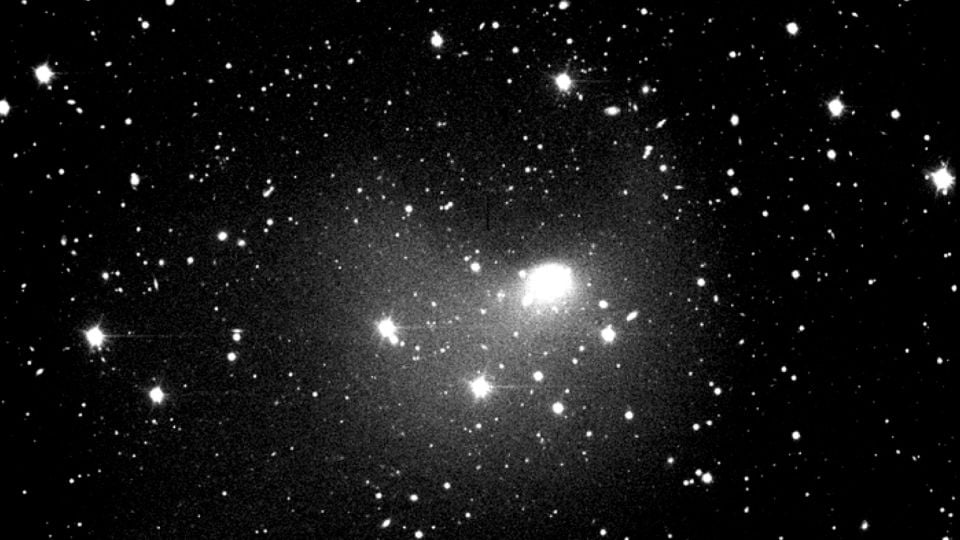
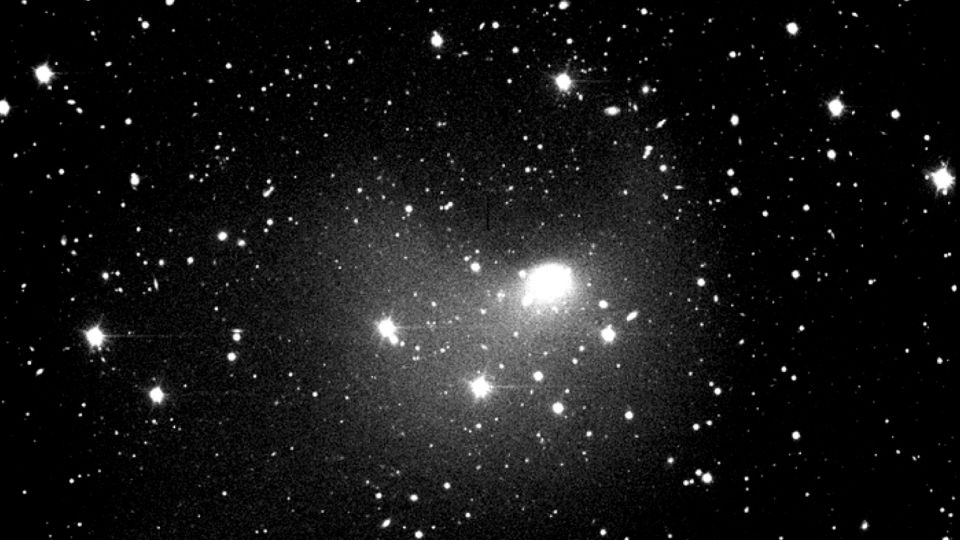
The "devil comet," officially known as Comet 12P/Pons-Brooks, is currently visible in the night sky and will make a rare appearance during the total solar eclipse on April 8. Astronomers are intrigued by its horned appearance and recent outbursts, and are urging sky-gazers to observe it before it moves into the daytime sky. The comet only completes one orbit around the sun about every 71 years, making this a once-in-a-lifetime opportunity for close study.

astronomy1 year ago

"Rare 'Devil Comet' Visible in Night Sky, Won't Return for Decades"

The "devil comet," officially known as Comet 12P/Pons-Brooks, is visible in the night sky for the rest of March and will make a rare appearance during the total solar eclipse on April 8. This comet, which only orbits the sun about every 71 years, has been exhibiting intriguing behavior with recent outbursts, causing it to have a horned appearance. Astronomers are eager to study it as it won't pass by Earth again for decades, and its closest approach to the sun will be on April 21. Observations could provide key insights into the true nature and behavior of Pons-Brooks.

space-science1 year ago

"NASA's DART Mission: Transforming Asteroid Dimorphos"

NASA's DART spacecraft collision with asteroid Dimorphos in 2022 not only changed the asteroid's trajectory but also its shape, turning it into a triaxial ellipsoid. The collision altered Dimorphos' orbital path around Didymos, making it elliptical, and its orbital period. The change in shape and orbit was attributed to the asteroid's rubble-pile composition. The European Space Agency's Hera spacecraft is expected to provide further insights into the asteroids when it reaches them in late 2026.

astronomy2 years ago

Astronomers Stunned by Enormous Celestial Object Defying Planetary Formation Theories

Astronomers at Penn State University have discovered a planet, LHS 3154b, that is more than 13 times the size of Earth and orbits an ultracool dwarf star, challenging existing theories on planetary formation. The planet's mass ratio to its host star is greater than 100 times that of Earth and the Sun, making it the largest planet ever discovered orbiting an ultracool dwarf star. The discovery was made using the Habitable Zone Planet Finder (HPF), a specialized spectrograph developed by the researchers. The finding raises questions about how planets and stars form and highlights the limitations of current understanding in the field.

astronomy2 years ago

Boundary-Breaking Citizen Scientists Discover Enigmatic Object Blurring Comet and Asteroid Distinctions

Citizen scientists discovered a celestial object in 2016 that was later determined to lie on the boundary between a comet and an asteroid. The object, named quasi-Hilda 2009 DQ118, displayed clear signs of comet behavior and was found to have a second epoch of activity. Photometric analysis of the object's tail revealed consistent length and brightness, and its orbital history indicated frequent proximity to Jupiter. The research team concluded that the object is neither predominantly ice nor rock, placing it in a unique category between comets and asteroids.

space2 years ago

Amateur Astronomers Capture Bright Flash as Unknown Object Collides with Jupiter

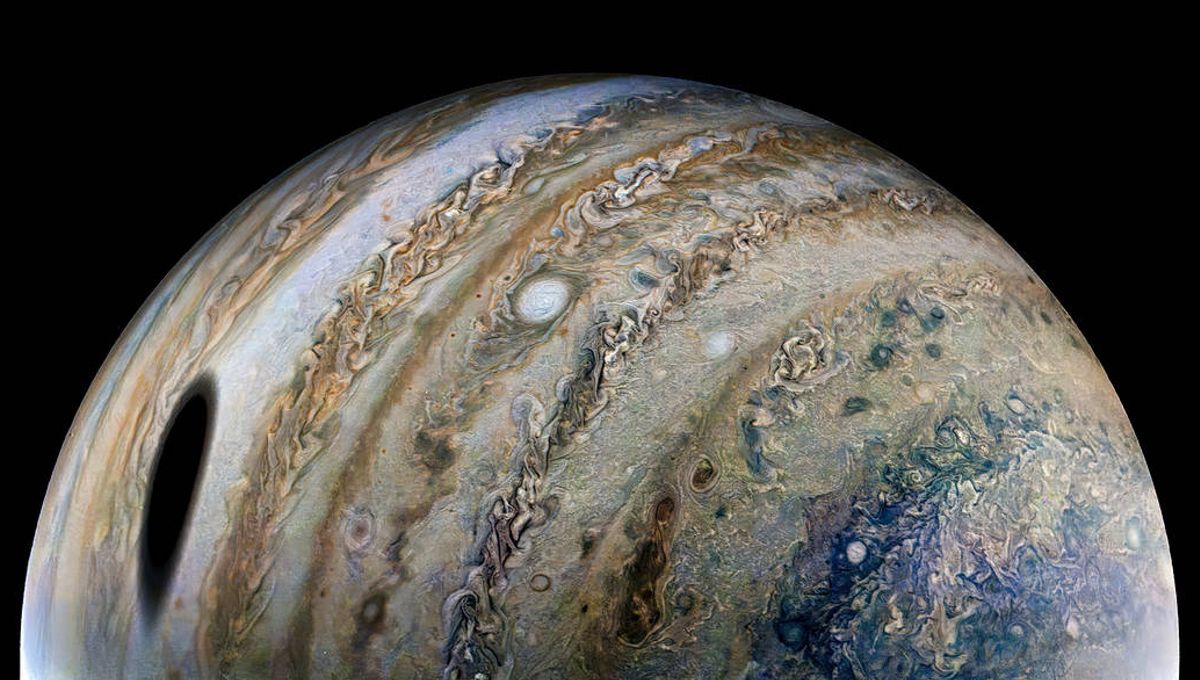
Amateur astronomers accidentally captured the moment a celestial object collided with Jupiter, releasing a flash of energy. Objects frequently collide with Jupiter due to its proximity to the asteroid belt and its strong gravitational pull. While collisions are common, it is rare for scientists to document them in action. This latest collision was spotted by Okinawa-based observation projects and later confirmed by the MASA Planetary Log. The size of the object is unknown, but it was large enough to create a spectacle. Jupiter's mass and gravitational pull protect the inner planets from rogue objects, but it may occasionally sling asteroids or comets towards Earth.

science2 years ago

Hubble captures mysterious celestial objects billions of light years away.

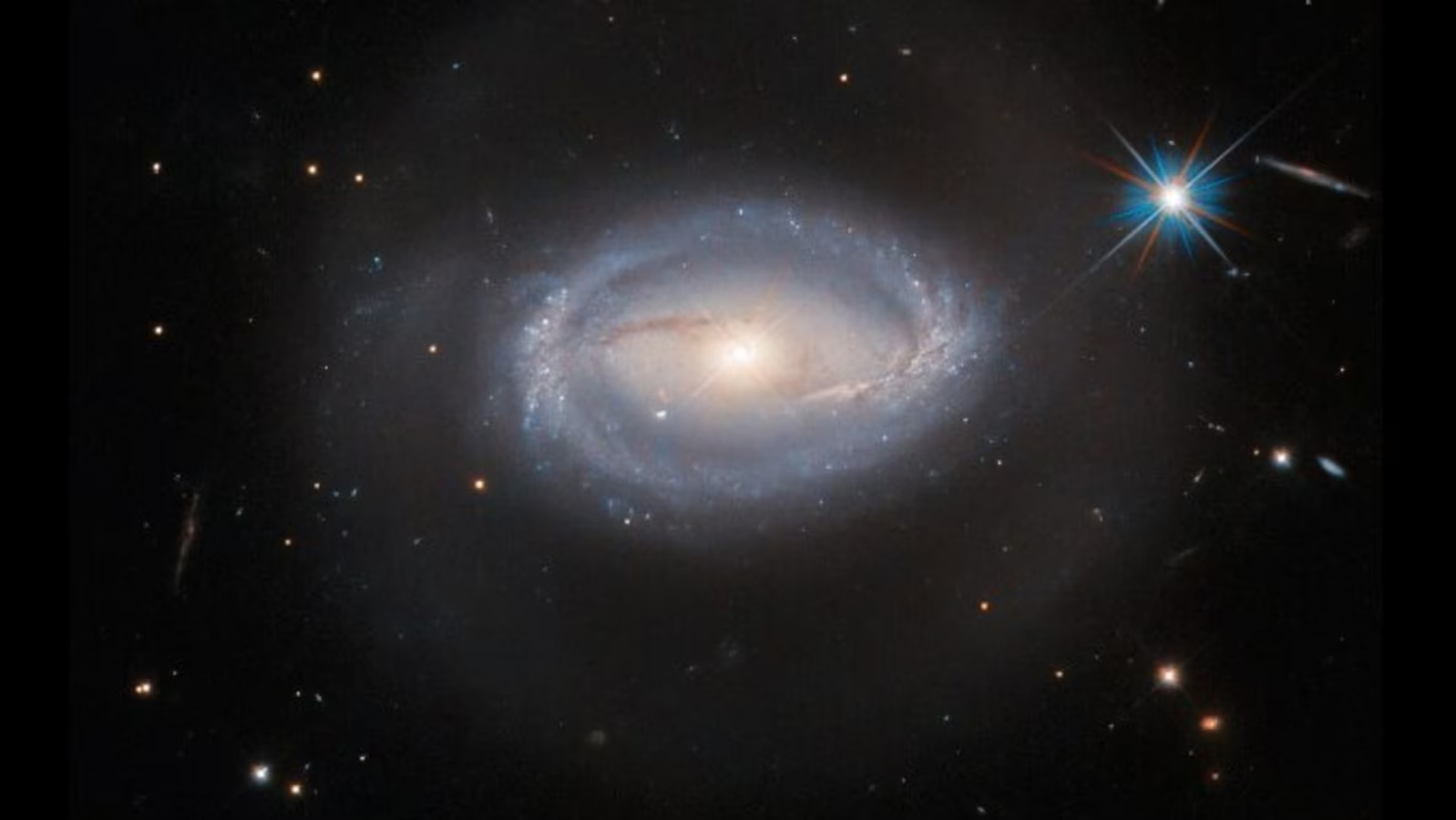
NASA's Hubble Space Telescope has shared an image of Z 229-15, a celestial object located around 390 million light-years from Earth. The image shows a spiral galaxy with two nearly straight arms that come from the core and meet a starry ring around the galaxy's edge. The galaxy is also surrounded by a faint halo of light. Z 229-15 is defined as an active galactic nucleus, a quasar, and a Seyfert galaxy.