Tag

Natural Phenomenon

All articles tagged with #natural phenomenon

science1 year ago

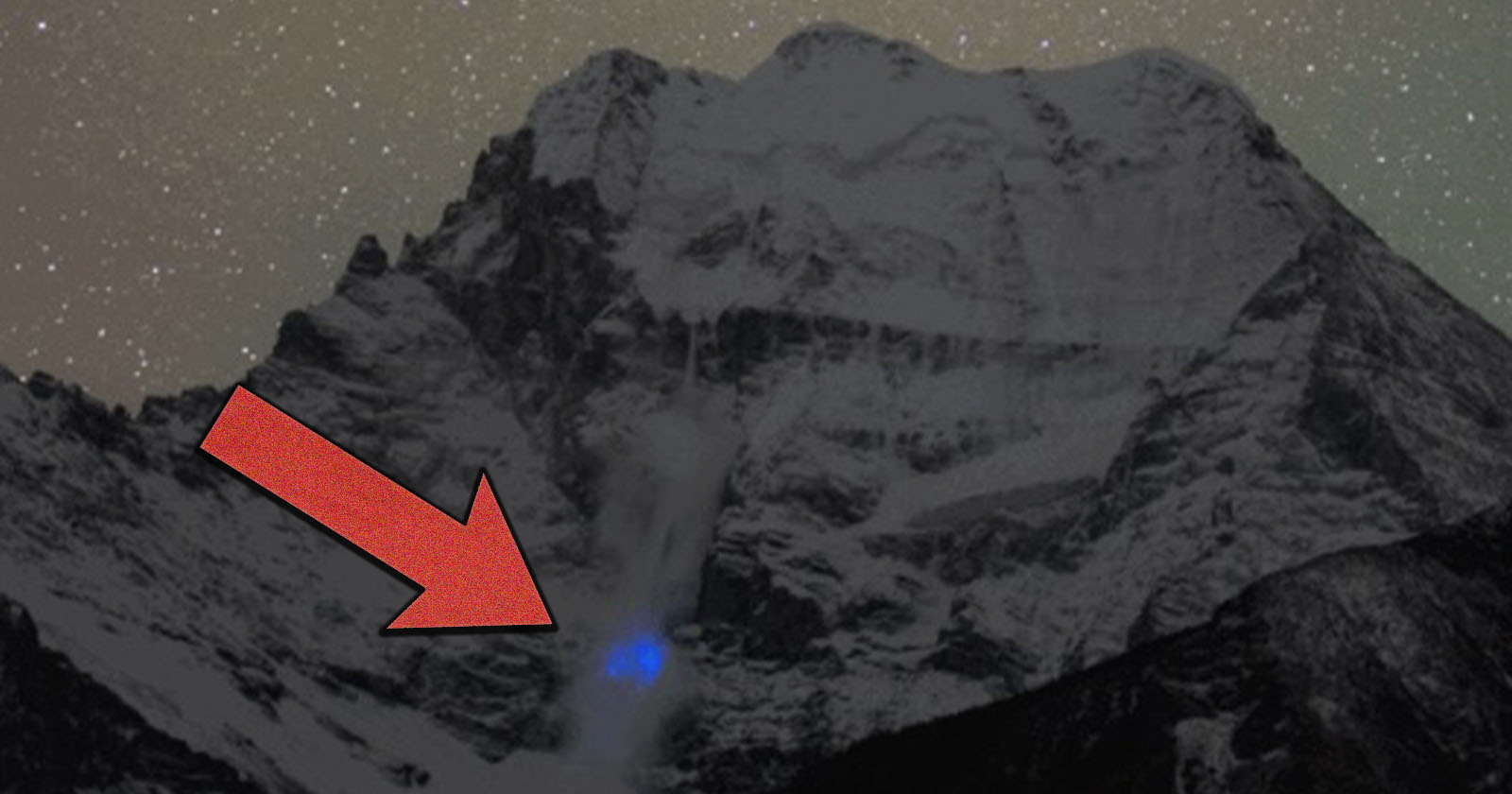
Photographer Snaps Enigmatic Blue Glow Amid Avalanche

Chinese astrophotographer Shengyu Li captured a mysterious blue light during an avalanche on Mount Xiannairi, Sichuan. The phenomenon, believed to be triboluminescence, occurs when materials emit light due to friction or breaking of chemical bonds. This rare event was triggered by an icy serac breaking free and fragmenting, causing the blue light to flash. The occurrence is both thrilling and intriguing, as it has not been previously documented.

natural-phenomenon1 year ago

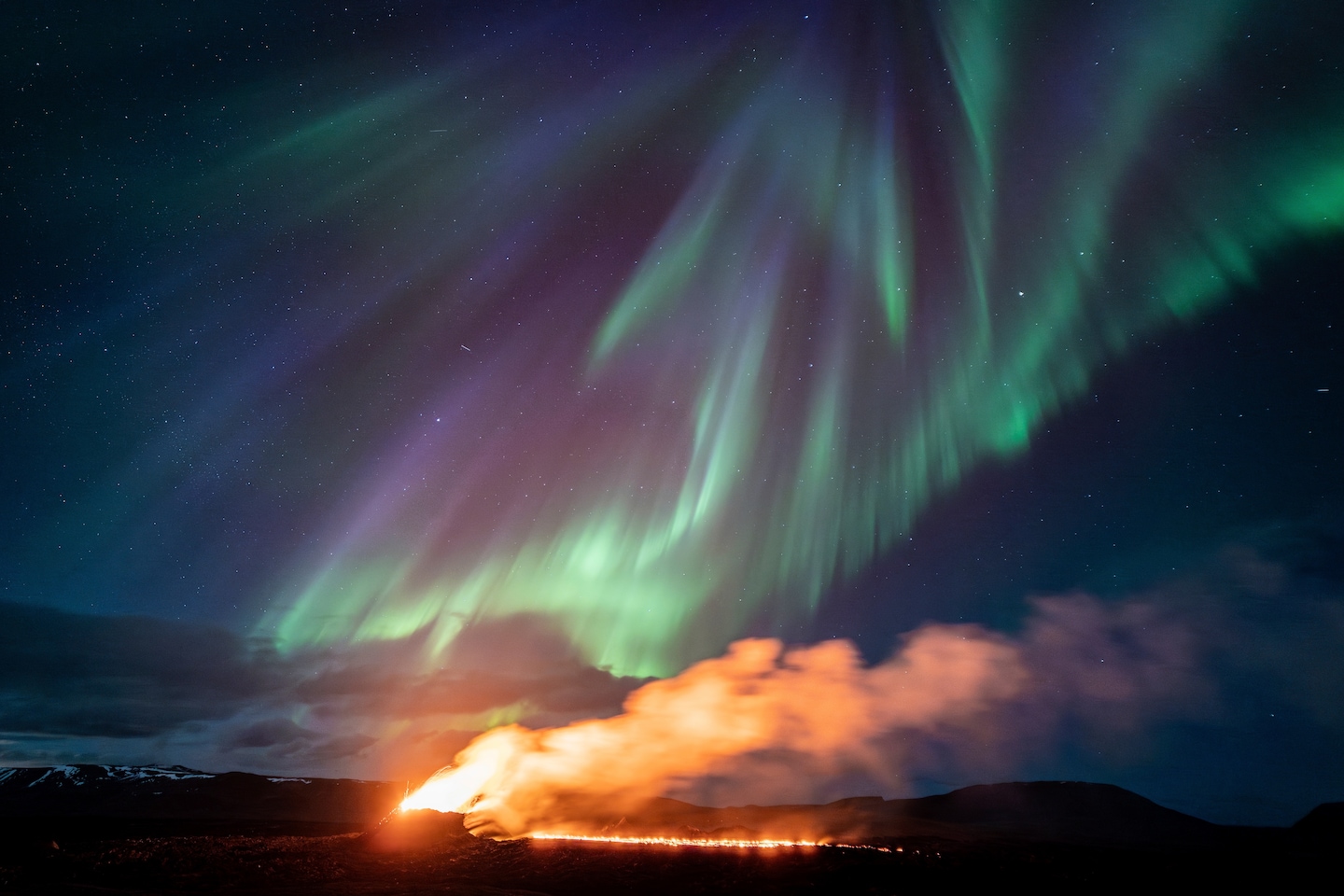
"Northern Lights Illuminating Erupting Volcanoes Around the World"

An Icelandic volcano, Sundhnukagigar, has been erupting for four weeks, causing evacuations and destroying homes in the nearby town of Grindavik. The eruption, located on the Reykjanes Peninsula, has been accompanied by slow-moving lava flows and small earthquakes. The spectacle was enhanced by a geomagnetic storm, leading to stunning northern lights displays in Iceland and the Pacific Northwest.

natural-phenomenon1 year ago

"Mount Etna's Spectacular Smoke Rings Light Up Sicilian Sky"

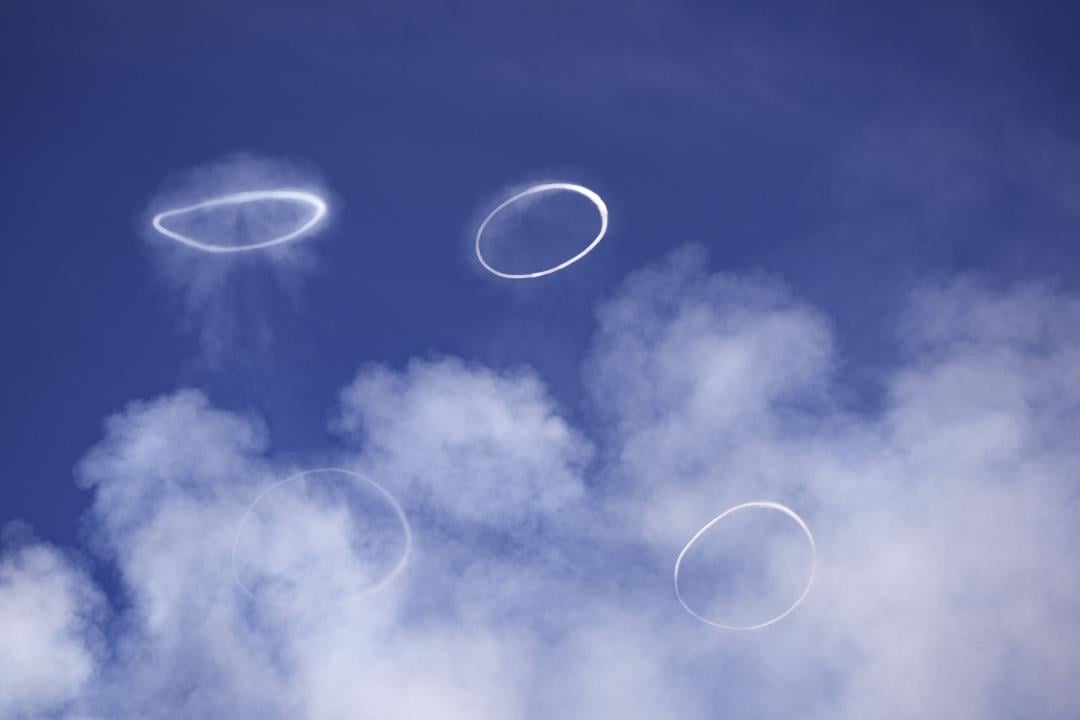
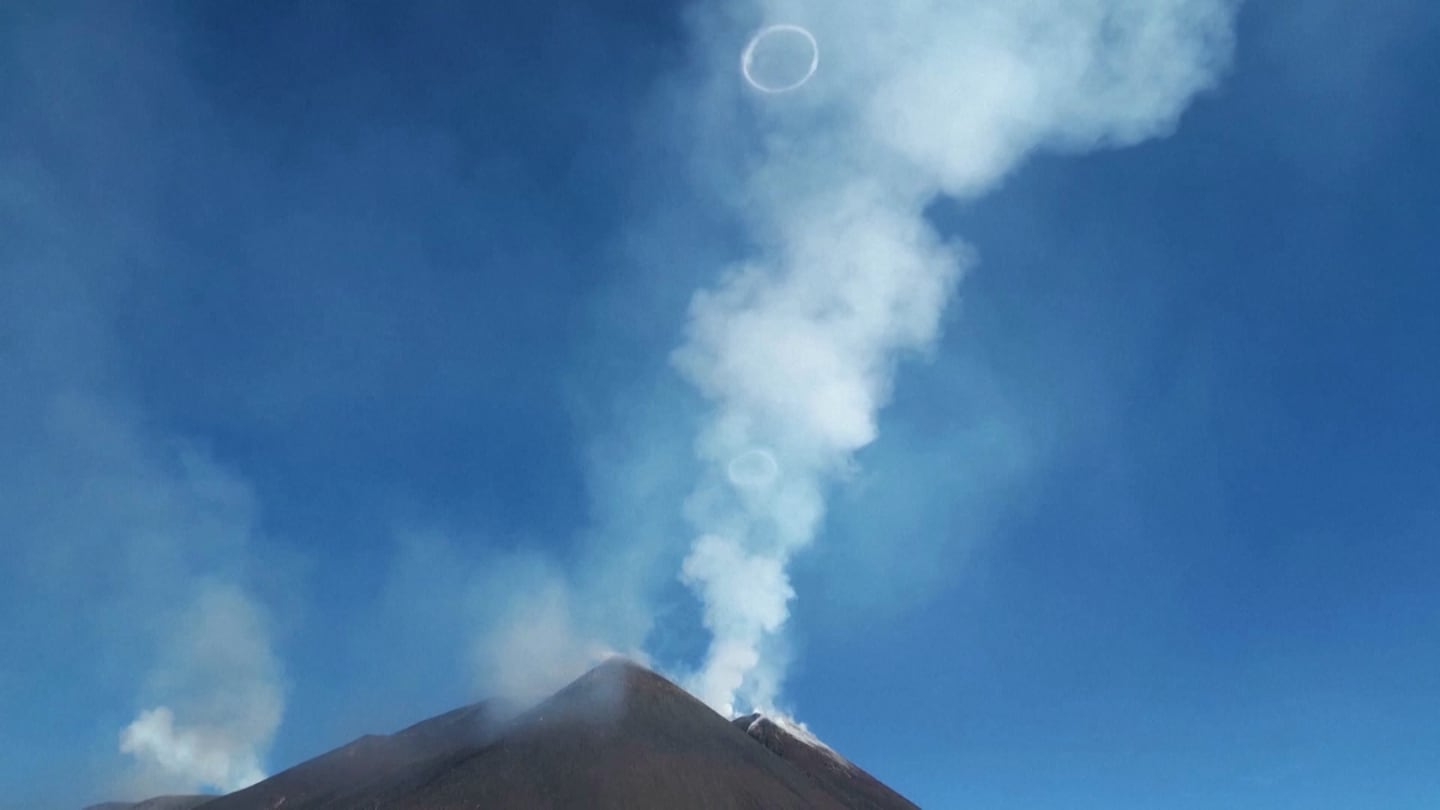
Italy's Mount Etna recently produced perfectly circular volcanic vortex rings, some with a pink hue, a phenomenon first observed in 1724 and now seen at various volcanoes worldwide. The rings are formed by a combination of fast gas release from gas bubbles at the top of the magma conduit and regularity in the shape of the emitting vent, and are composed of roughly 80% water vapor and 20% sulfur dioxide and carbon dioxide. Etna's unique crater shape contributes to the rings' circular nature, and the recent quantities of rings produced were described as "unprecedented" by a Sicilian volcanologist.

natural-phenomenon1 year ago

"Rare Pink Volcanic Vortex Rings: Mount Etna's Extraordinary Display"

Italy's Mount Etna, the most active stratovolcano in the world, was seen spewing rare and nearly perfectly circular volcanic vortex bubbles, some appearing pink in color against the sky. A new pit crater formed along the volcano within the past week, contributing to the formation of the nearly perfectly circular rings of gas and vapor. This rare phenomenon, which can be traced back to as early as 1724, has been observed emitting "unprecedented quantities" of the rings, with locals referring to Etna as "Lady of the Rings." Etna is one of the most active volcanoes, with the last significant activity recorded in December 2023.

natural-phenomenon1 year ago

"Mount Etna's Rare and Spectacular Volcanic Vortex Rings Captured in Photos and Videos"

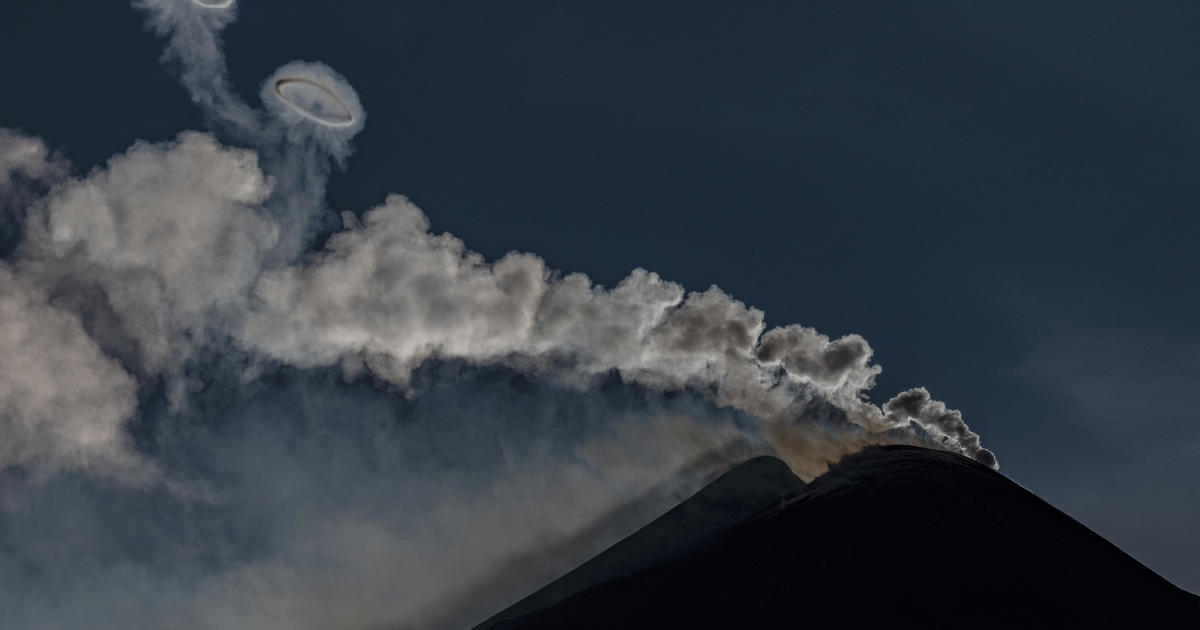
Mount Etna, Europe’s largest active volcano, recently produced near-perfect rings of gas and vapor, known as "volcanic vortex rings," through the rapid release of gas and vapors from a newly formed crater. These rings, composed mostly of water vapor, resemble smoke rings and are not particularly rare phenomena for the prolific volcano.

sports1 year ago

"Yankees to Play Ball During Rare Solar Eclipse"

After experiencing a 4.8-magnitude earthquake during their home opener, the New York Yankees are set to play on the same day as a forecasted solar eclipse, with parts of upstate New York in its path of totality. The game against the Marlins has been pushed back four hours due to the potential for delays, and the first 15,000 fans will receive a Yankees solar eclipse T-shirt. Manager Aaron Boone is unsure if they will alter their pregame routine for the eclipse, but recalls experiencing the last total solar eclipse in 2017 during the Little League World Series.

natural-phenomenon1 year ago

"Mount Etna's Rare Display: Spectacular Smoke Rings in the Sky"

Mount Etna, the largest active volcano in Europe, has been emitting rare "volcanic vortex rings" into the sky, a phenomenon caused by rapid gas release and vent shape. The rings, resembling smoke, have been occurring frequently since a new crater opened on the volcano's summit. This spectacle has drawn tourists, with experts noting that Etna's production of these rings surpasses that of any other volcano on Earth. Despite the visual display, there have been no major disruptions reported in the surrounding areas.

environment1 year ago

"Trillions of Cicadas Swarm US for First Time in Over 200 Years"

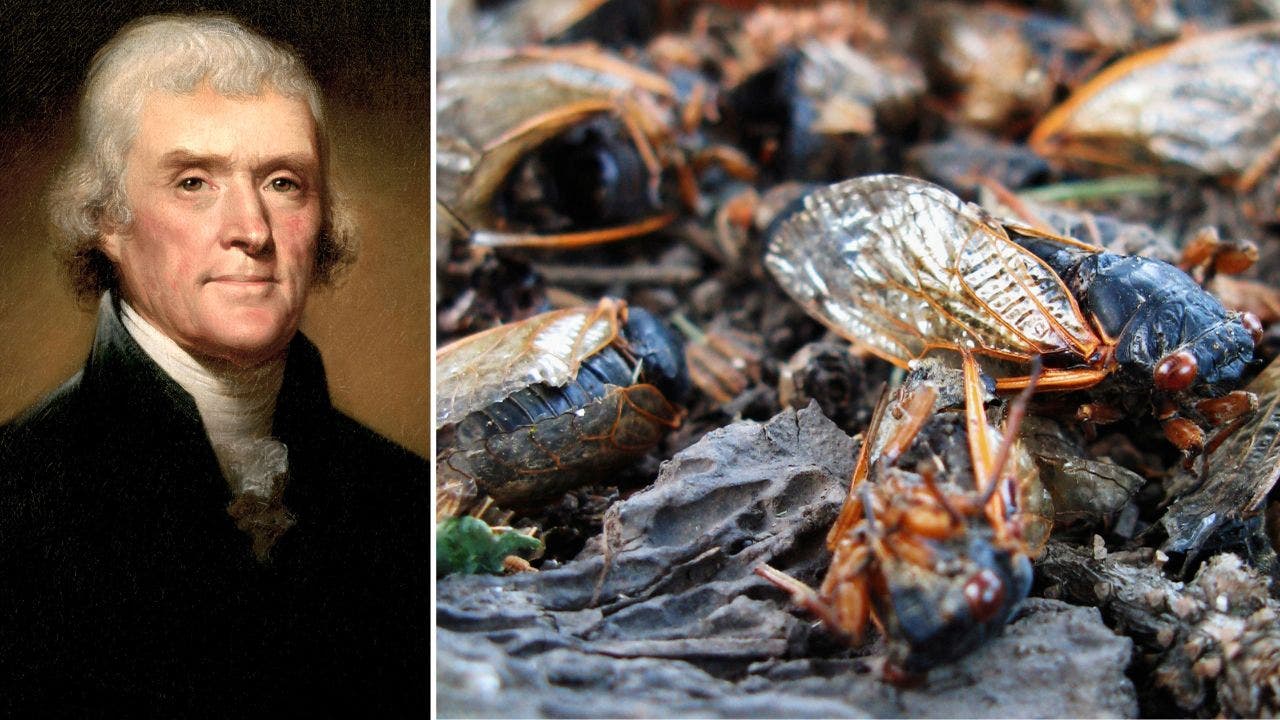
Trillions of noisy cicadas are set to emerge from the ground in 17 U.S. states in April, marking the first time in 221 years that two types of cicadas, brood XIX and XIII, will rise simultaneously. These insects, not harmful to humans, pets, or crops, are valuable for the ecosystem, aerating lawns and providing a food source for birds and mammals. The rare co-emergence of these cicada broods is due to their 13 and 17-year cycles, and the phenomenon is not expected to occur again until 2244.

traveladventure1 year ago

"Icelandic Volcano Eruption: Witness Accounts and Evacuation from Danger"

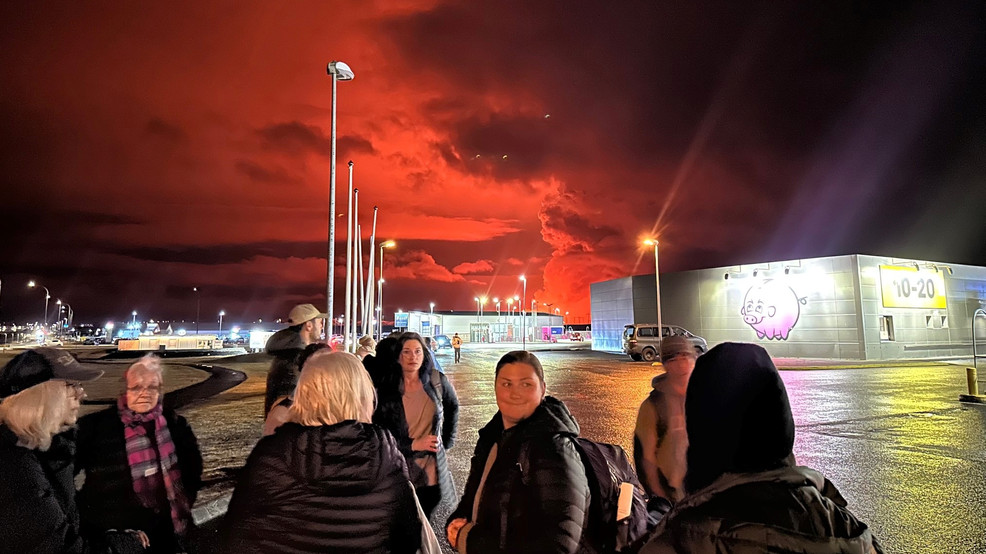
A group from Haywood County, N.C., including Tom Roberts and 14 family and friends, witnessed the eruption of a volcano near their Blue Lagoon Resort in Iceland. They described the experience as surreal and adrenaline-inducing, with the sky glowing red and the sound of the eruption resembling a violent ocean. The resort staff quickly evacuated them to safety, and the group captured the scene in videos and pictures before gathering their important belongings and being bused to safety. Despite the scare, they were left in awe of the sheer power of the volcano and considered it a unique and fulfilling experience.

science2 years ago

"Meet Steve: The Enigmatic Purple and Green Lights That Aren't Auroras"

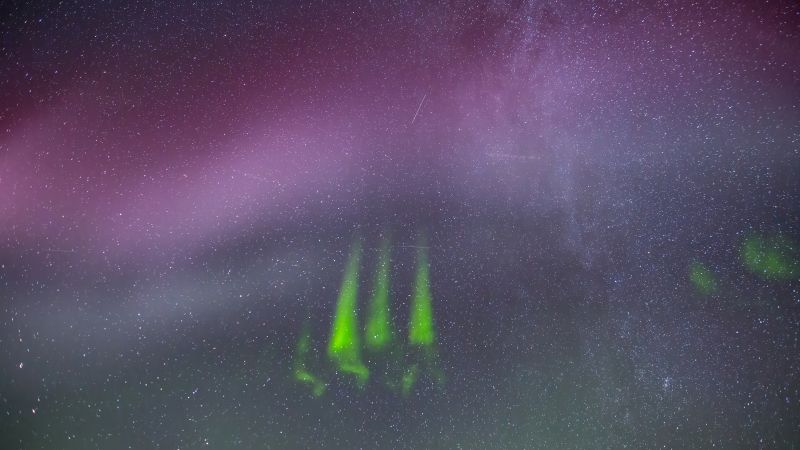
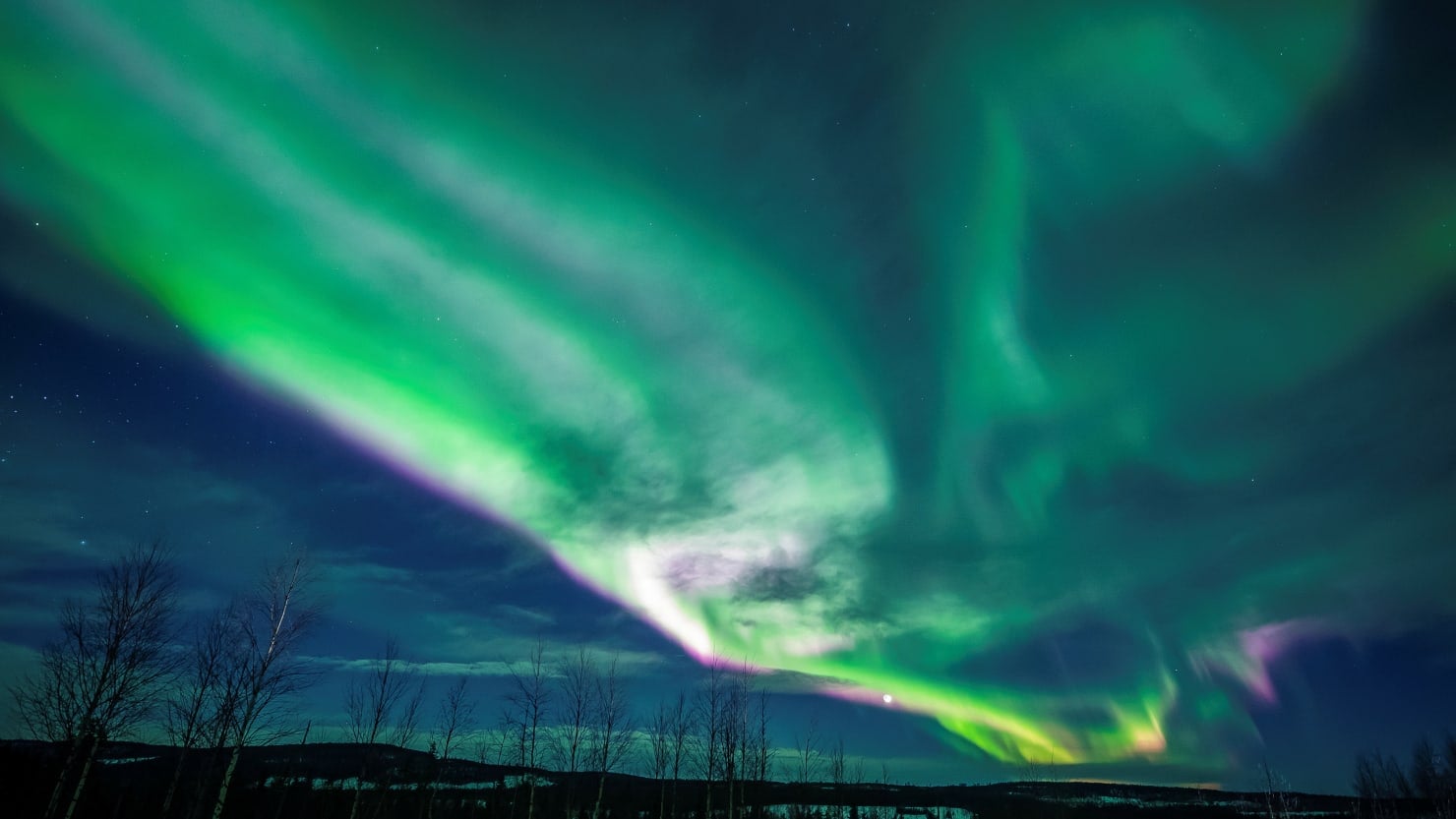
Steve, a rare light spectacle that appears closer to the equator than auroras, has been captivating observers in the Northern Hemisphere. Initially misidentified as a proton arc, Steve was given its name during a meeting at a Canadian pub by a group of citizen scientists. Scientists later discovered that Steve is a visual manifestation of subauroral ion drift (SAID), a narrow flow of charged particles in Earth's upper atmosphere. While visually different from auroras, Steve is made up of similar components and appears as a streak of mauve-colored light accompanied by distinctive green bands. As Earth enters a period of enhanced solar activity, or solar maximum, more opportunities to witness Steve at low latitudes are expected.

environment2 years ago

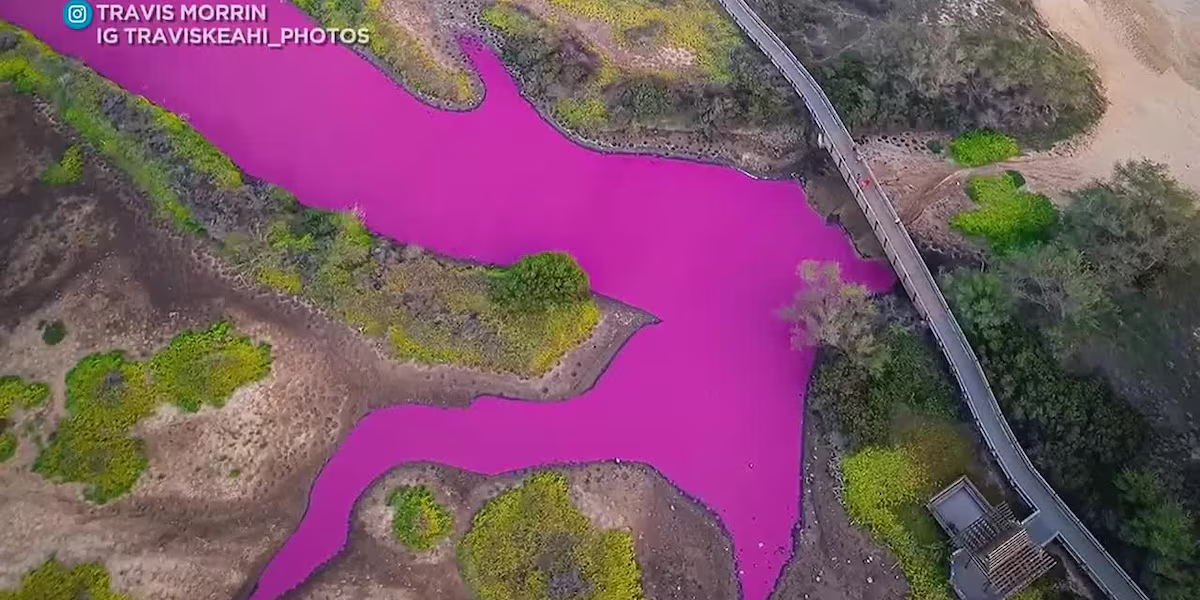
Mysterious Pink Transformation: Kealia Pond on Maui Draws Crowds and Concerns

Kealia Pond in Maui, Hawaii, has turned a vibrant pink and purple color due to a natural phenomenon caused by a type of halobacteria found in waters with high salinity. The U.S. Fish and Wildlife Service confirms that the pink water has been present for the last nine days and is not likely toxic. Samples have been sent to the University of Hawaii for further testing. Spectators are enjoying the rare and beautiful sight, which has drawn a crowd of onlookers.

natural-phenomenon2 years ago

"Apocalyptic Skies: Rare Red Northern Lights Illuminate Bulgaria and Russia"

The northern lights, also known as the aurora borealis, appeared in the skies over Bulgaria for the first time, creating a spectacle of a blood-red sky. The phenomenon was captured in images and videos that quickly spread on social media, with some describing it as "apocalyptic" and "spooky." The red aurora was initially seen in northeastern Bulgaria and later extended to other parts of the country. Similar sightings were reported in several other countries. The unique colors of the auroras are determined by interactions between solar wind particles and gas molecules in the atmosphere.

science-and-environment2 years ago

"Northern Lights to Illuminate 17 U.S. States, Including New England and South Dakota, Next Week"

The Northern Lights, a beautiful natural phenomenon usually seen in Alaska, Canada, and Scandinavia, will be visible in 17 U.S. states next week due to an 11-year solar cycle. The National Oceanic and Atmospheric Administration's Space Weather Prediction Center suggests prime viewing between 10 p.m. and 2 a.m. local time and advises people to get away from city lights for the best experience.

science-and-environment2 years ago

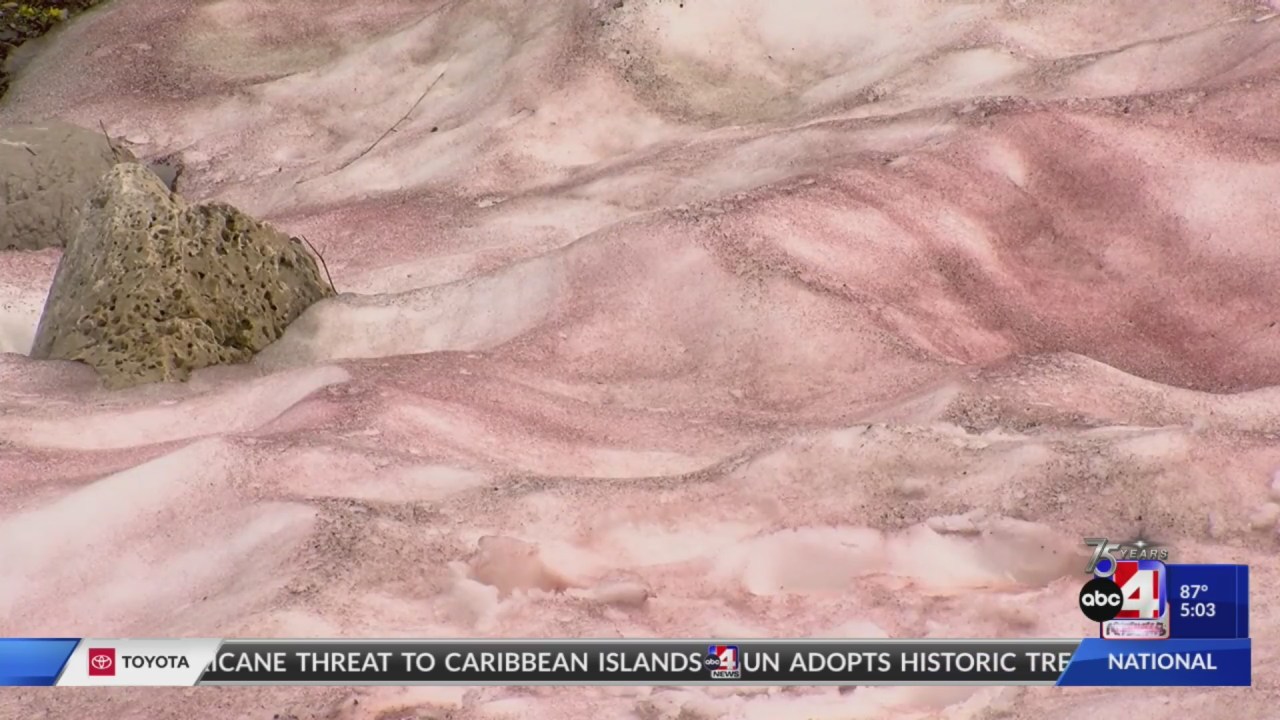
"Utah Mountains Turn Red with Watermelon Snow"

Utah's Cache County mountains have turned pink, red, and orange due to a natural phenomenon called watermelon snow caused by naturally occurring algae. The algae produce a pigment that darkens their cells, protecting them from UV rays and absorbing heat, which melts the snow around them, allowing them to access water. The research is in its infancy, but scientists are working to figure out how much of Utah's snowpack melts as a result of algae and what can be done to prevent it from becoming a problem.