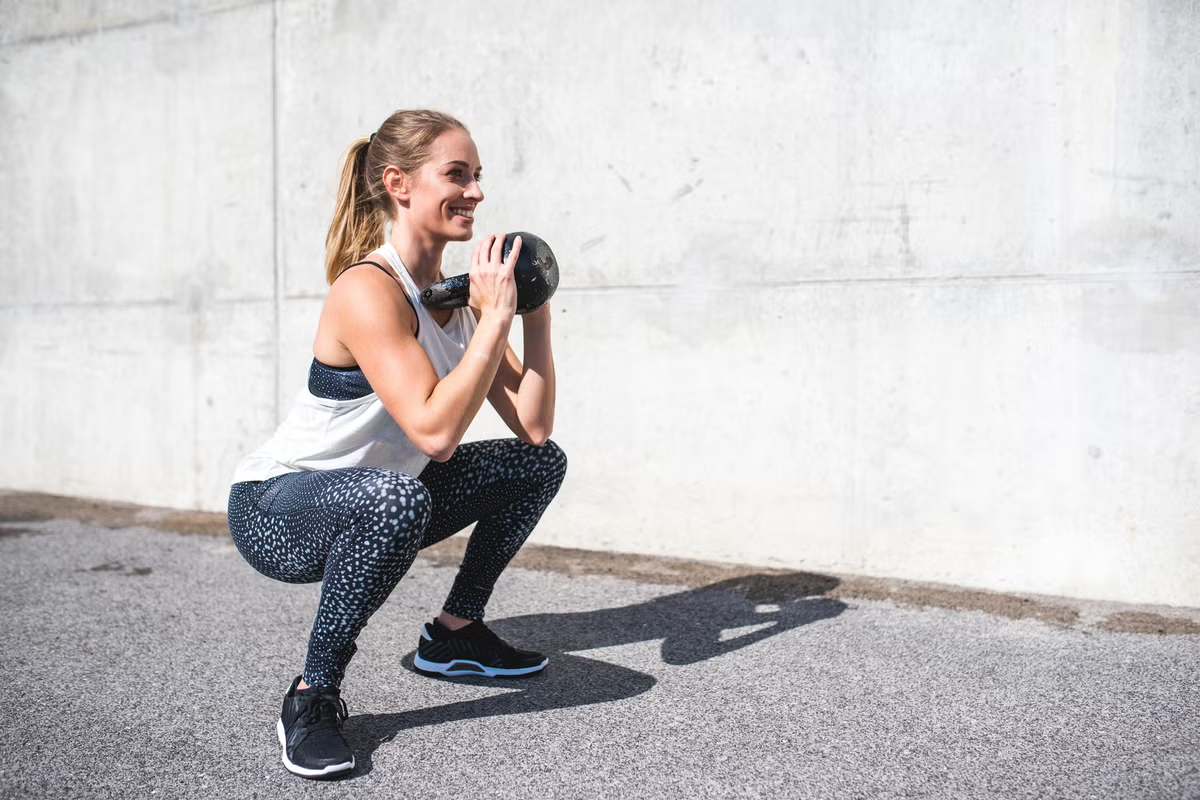
A meta-analysis shows that physical activity, especially cognitively complex sports like basketball or dance, significantly improves attention and focus, serving as a natural alternative or supplement to medication for attention-deficit disorder. Regular moderate exercise enhances brain function by increasing blood flow and releasing beneficial proteins, with timing and enjoyment being key factors for maximizing benefits.

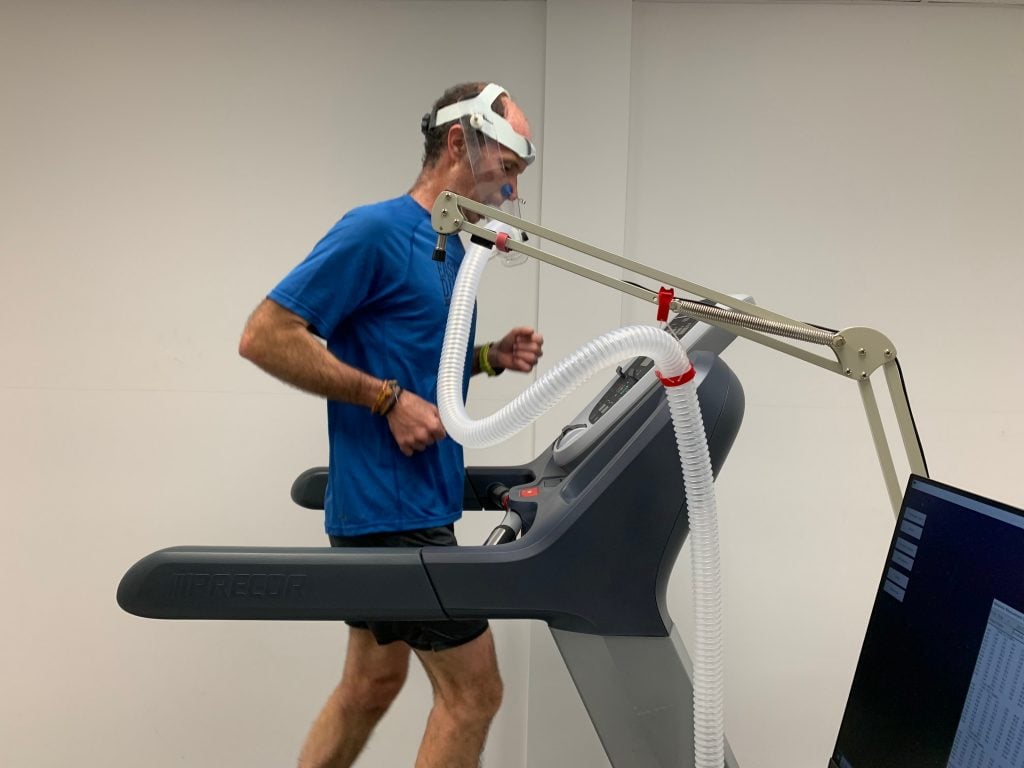
Increasing VO2 max, a key indicator of cardiovascular fitness, can significantly improve longevity, ease daily physical activities, and enhance mental health by reducing stress and emotional strain, with many fitness trackers now making it accessible for the average person to monitor and improve this metric.
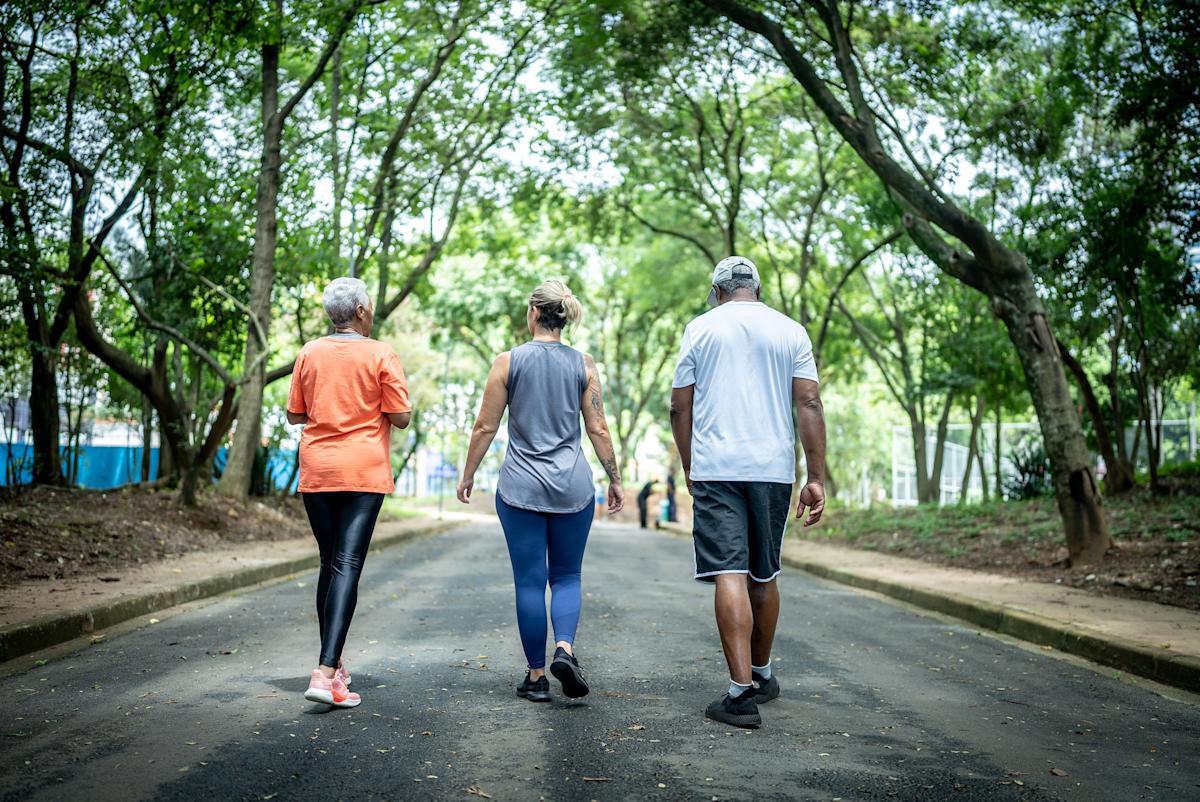
Walking is a low-impact, accessible activity that boosts overall health, enhances creativity, reduces stress, and supports brain growth, but it doesn't significantly build muscle size unless combined with resistance training. It can help burn fat, especially when performed at higher intensities or with added weight, making it a valuable foundation for physical activity and health maintenance.
High air pollution can significantly reduce the health benefits of outdoor exercise, with pollution levels above 35μg/m^3 PM2.5 making exercise benefits non-significant and potentially harmful above 50μg/m^3. Despite this, exercise remains beneficial in most environments, but awareness and air quality improvements are crucial for maximizing health benefits and reducing risks.
A study published in PNAS shows that increased physical activity leads to higher daily calorie burn without the body compensating by reducing energy use elsewhere, supporting the idea that exercise adds to overall energy expenditure rather than redistributing it. The research involved measuring energy use in participants with varying activity levels and found that more active individuals burn more calories overall, with less time spent inactive, although further research is needed to understand potential energy compensation under different conditions.
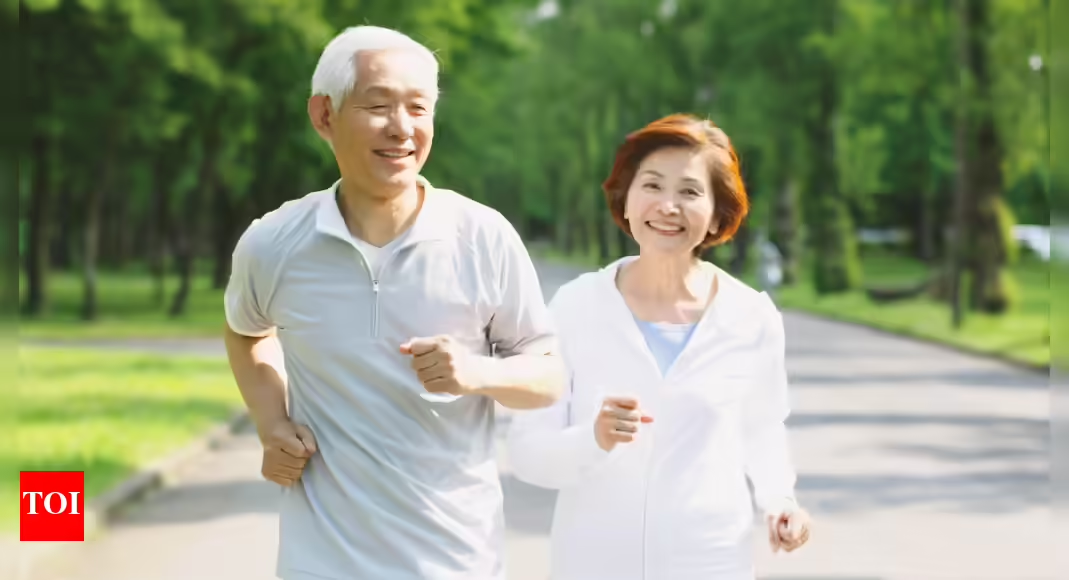
Japanese walking, developed in 2007, involves alternating fast and slow walking for 30 minutes and has been shown to improve strength, aerobic capacity, and blood pressure, especially in older adults. While effective for many, its benefits may vary based on age, fitness level, and walking method, and more research is needed for younger or healthier populations.
Walking is a low-impact, accessible activity that boosts overall health, enhances creativity, reduces stress, and supports brain growth, but it doesn't significantly build muscle size unless combined with resistance training or increased intensity like rucking. It primarily helps burn fat and improve cardiovascular health, making it a valuable foundation for physical activity, though for muscle gain, additional strength training is recommended.
Interval walking, a Japanese method alternating brisk and slow walking, can burn more fat and improve cardiovascular health than jogging, especially benefiting older adults and sedentary individuals, with scientific backing from Shinshu University studies.
Walking backwards, or retro walking, is gaining popularity as an effective fitness strategy that challenges muscles, improves balance, boosts brain function, and increases calorie burn, making it a valuable addition to workout routines especially for rehabilitation, cognitive health, and athletic training.
A Japanese interval walking technique involving alternating between slow and brisk walking for 30 minutes is shown to be more effective than the traditional 10,000 steps a day for improving blood pressure, cardiovascular health, muscle strength, and overall well-being, and is recommended by healthcare professionals for its efficiency and suitability for all ages.
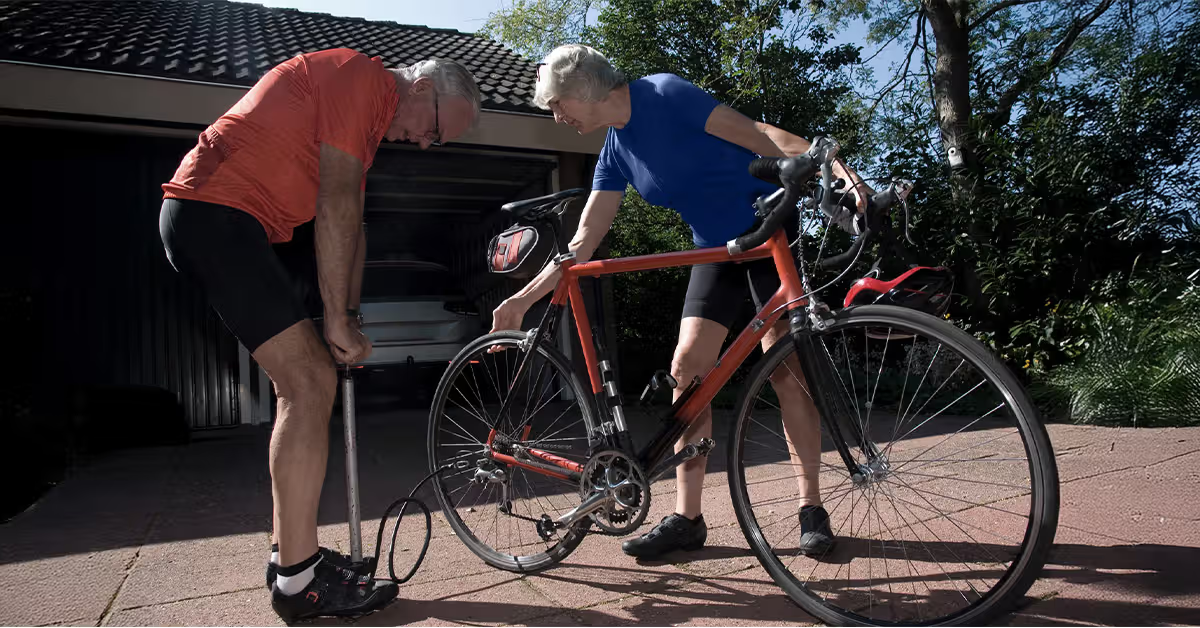
A recent study suggests that cycling can help restore neural connections damaged by Parkinson's disease, with benefits observed after just 12 sessions over four weeks, highlighting the importance of persistent physical activity for brain health in Parkinson's patients.
Strength training is a scientifically supported method to combat age-related muscle loss, improve physical and mental function, and promote longevity. Starting with simple, consistent workouts just twice a week can lead to significant health benefits, including better balance, strength, and disease prevention, making it a highly accessible and effective exercise for aging well.
The 6-6-6 walking challenge, involving an hour of brisk walking with warm-up and cool-down, has gained popularity for its simplicity and effectiveness in promoting physical activity, mental health, and weight management, especially for beginners and those seeking a low-impact routine. Supported by research, it encourages consistency, improves cardiovascular health, and can aid fat metabolism when combined with proper nutrition, making it a practical habit for overall wellness.
A Japanese walking method involving 30-minute high-intensity interval walking is claimed to be ten times more effective than 10,000 steps a day, offering significant benefits for strength, endurance, blood pressure, and overall fitness, with scientific studies supporting its efficacy.