
Recent neuroimaging research reveals that individuals with psychopathy exhibit significant reductions in brain volume in regions responsible for emotional regulation, decision-making, and social behavior, providing a biological basis for their antisocial tendencies. The study highlights the complexity of psychopathy, with some traits showing less consistent neural correlations, and paves the way for targeted interventions based on neural differences.
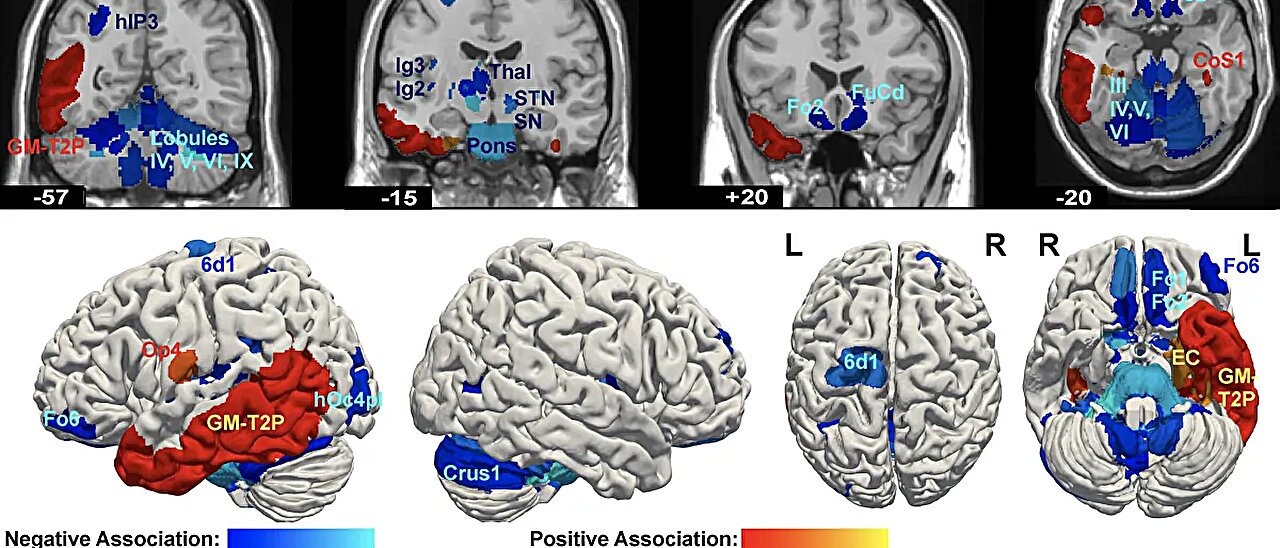
A study using neuroimaging has identified specific brain regions with reduced volume associated with antisocial traits in individuals with psychopathy, highlighting a neurobiological link between brain structure and antisocial behavior.
A study analyzing data from the Dunedin Multidisciplinary Health and Development study in New Zealand found that individuals with a history of antisocial behavior age faster biologically. By the age of 45, those with a history of antisocial behavior were on average 4.3 years older biologically compared to those with lower levels of antisocial behavior. The study suggests that a trajectory of life-course persistent antisocial behaviors is associated with accelerated aging at midlife, leading to poorer health outcomes. The findings highlight the importance of monitoring individuals with antisocial behavior for signs of accelerated aging and implementing health-promoting programs to reduce health inequalities and improve offenders' lives.