
Tag

Drug Administration

All articles tagged with #drug administration

health1 year ago

"Effectiveness of Higher-Dose Naloxone in Opioid Overdose Response: Study Findings"

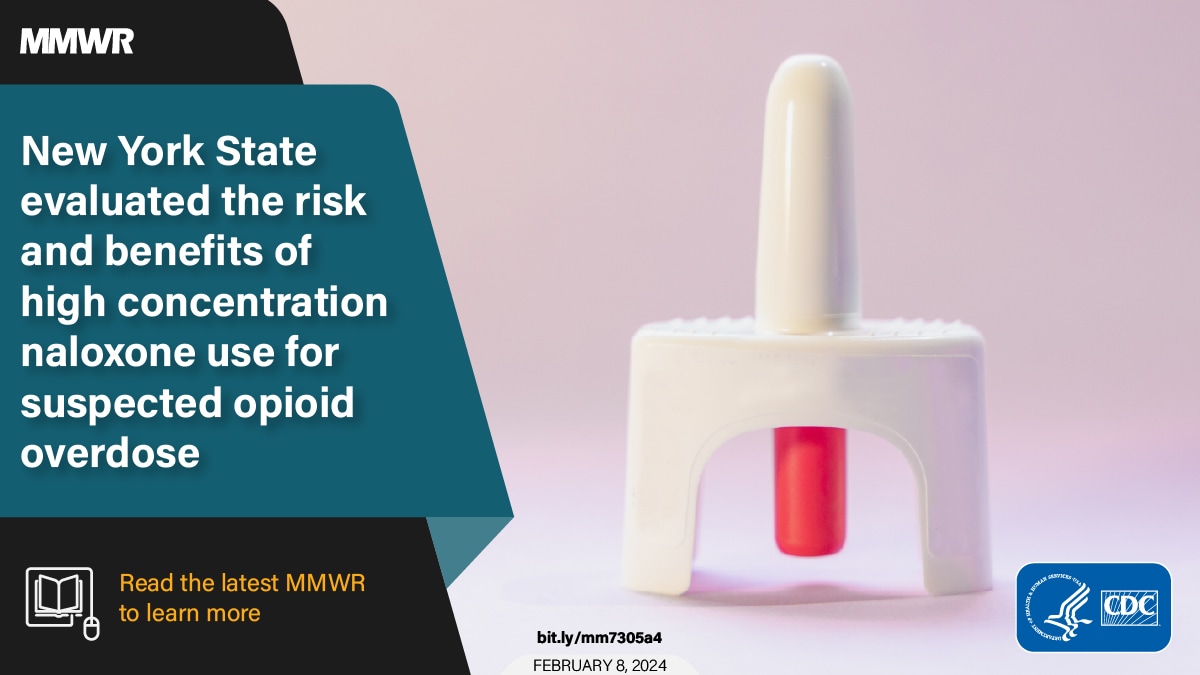
A study compared the administration of 8-milligram and 4-milligram intranasal naloxone by law enforcement during responses to suspected opioid overdoses in New York from March 2022 to August 2023. The study found no significant differences in survival or the number of doses administered between the two formulations, but recipients of the 8-milligram product had a higher prevalence of opioid withdrawal signs and symptoms, including vomiting, compared to those who received the 4-milligram product. The findings suggest that there are no benefits to law enforcement administration of higher-dose naloxone, and more data are needed to determine whether the 8-milligram intranasal naloxone provides added benefits.


health2 years ago

The Impact of Drug Delivery on Brain Response

A study conducted by the US National Institutes of Health (NIH) has found that the way a drug is administered, whether through injection or orally, affects how the brain responds to its effects. The researchers discovered that the salience network, a brain region associated with drug addiction, is activated when drugs are taken intravenously but not when taken orally. The study also revealed that drugs that reach the brain more quickly are more addictive, partly due to dopamine release. This information could help inform treatment strategies and interventions for substance use disorders.

health2 years ago

Injection vs. Oral Drug Use: Unveiling the Unique Brain Network Activation

A new study conducted by researchers at the National Institute on Drug Abuse (NIDA) and the National Institute on Alcohol Abuse and Alcoholism (NIAAA) suggests that a group of brain regions known as the "salience network" is uniquely activated when drugs are taken intravenously, but not when taken orally. The study found that drugs that enter the brain quickly, such as through injection or smoking, are more addictive than when taken orally, and this difference may be due to the activation of the salience network. Understanding the brain mechanisms underlying addiction is crucial for developing new therapies for substance use disorders and addressing the overdose crisis.