Tag

Brain Mechanisms

All articles tagged with #brain mechanisms

health7 months ago

Different Brain Pathways Underlie Psilocybin and Escitalopram's Antidepressant Effects

A study comparing psilocybin and escitalopram for depression found that while both improve mood, they affect brain responses to emotional stimuli differently; escitalopram reduces brain activity linked to emotions, potentially causing emotional blunting, whereas psilocybin preserves or enhances emotional responsiveness, suggesting different mechanisms of action.

health-and-medicine1 year ago

"Unveiling Ketamine's Role in Mental Health Treatment: From Rave Drug to Depression Therapy"

A study published in Translational Psychiatry has revealed that the brain's opioid system plays a crucial role in mediating ketamine's rapid antidepressant effects. The research demonstrated that ketamine activates the endogenous opioid system in the prefrontal cortex, and disrupting this signaling blocks ketamine's antidepressant-like effects in rats. The study also found that ketamine treatment led to a significant increase in β-endorphin levels in the prefrontal cortex, and neutralizing β-endorphin action nullified the antidepressant-like effects of ketamine. These findings shed light on the underlying mechanisms of ketamine's antidepressant effects and suggest potential therapeutic targets for depression.

psychology2 years ago

The Impact of Stressful Events on Memory Integration

A study published in eNeuro found that stress can enhance the recall of individual events but impairs the ability to remember the chronological sequence of events. The researchers conducted an experiment where participants were exposed to a stress-inducing procedure involving electric shocks while viewing pictures. The stress group showed better memory for individual pictures from the block with shocks but struggled with recalling the sequence of pictures in that block. The study sheds light on the impact of stress on memory formation and suggests that stress may enhance certain aspects of memory while impairing others. However, it should be noted that the stressor used in the study was mild and of short duration.

science-and-technology2 years ago

"Revolutionary Robotic Procedure Induces Auditory Hallucinations"

Scientists have developed a robotic procedure that can induce auditory-verbal hallucinations in healthy individuals, shedding light on the brain mechanisms behind these experiences. The study involved 48 participants who were exposed to sensorimotor stimulation while performing a voice detection task. The researchers found that synchronous touch on the back during finger movements led to participants reporting false alarms of hearing voices that weren't there. The study also revealed that individuals with higher levels of delusional ideation were more likely to experience auditory hallucinations. While the study provides insights into auditory hallucinations, further research is needed to explore other aspects of these experiences and include larger and more diverse samples.

neuroscience2 years ago

Decoding Familiarity: Brief Spikes and Visual Recognition Memory

A new study sheds light on the brain's ability to distinguish between familiar and new stimuli, known as visual recognition memory (VRM). The research reveals that brief spikes in neural activity, called visually evoked potentials (VEPs), signify familiarity, while overall neural activity decreases. This provides insight into the brain's rapid identification and suppression mechanisms for familiar stimuli. The study also identifies the involvement of NMDA receptors in layer 6 of the visual cortex and highlights the importance of inhibitory neurons in VRM.

neuroscience2 years ago

"Unveiling the Diverse Brain Mechanisms of Anxiety: A Neuroimaging Study"

Neuroimaging research published in Nature Communications reveals that anxious individuals use different brain regions and neural mechanisms to regulate their emotional action tendencies compared to non-anxious individuals. The study found that anxious individuals have a more excitable frontopolar cortex (FPl) and stronger connectivity between the FPl and the amygdala, a region involved in processing emotions. Anxious individuals also exhibited a shift in neural activation, relying more on the dorsolateral prefrontal cortex (dlPFC) and the anterior cingulate cortex (ACC) for emotional control. These findings contribute to a better understanding of how anxiety affects decision-making and behavior in social situations.

neuroscience2 years ago

The Neuroscience of Maternal Infanticide in Females.

A new study in mice has identified a middle-brain region called the principal nucleus of the bed nucleus of stria terminalis (BNSTpr) that is linked to the control of emotions and likely prompts females to kill their young. The study showed that chemically blocking the BNSTpr prevented infanticide nearly 100% of the time, while artificially activating the brain region caused both mothers and females without offspring to kill pups in nearly all trials. The investigation also revealed that the BNSTpr appears to work in opposition to a brain region called the medial preoptic area (MPOA), itself known to promote mothering behavior.

neuroscience2 years ago

Astrocytes and OCD: A Key Connection?

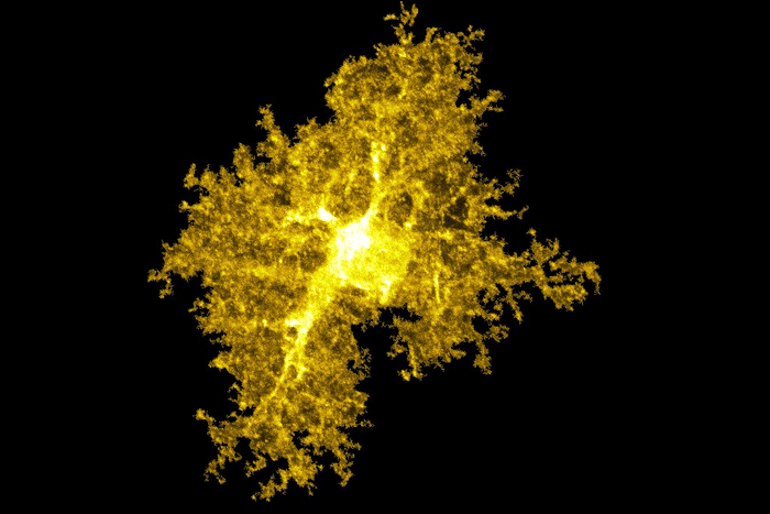
UCLA researchers have discovered a cellular mechanism involving astrocytes and neurons that appears to be involved in repetitive behaviors and OCD. The study found a protein associated with OCD and repetitive behaviors in neurons was also found in astrocytes, suggesting therapeutic strategies targeting both cells may be useful for OCD and potentially other brain disorders. The discovery came as a surprise to researchers who originally sought to study how neurons interact with astrocytes.

neuroscience2 years ago

Gender Differences in Malevolent Creativity's Neurophysiological Basis.

A study published in Brain Research suggests that while potential for malevolent creativity may be comparable between women and men, the brain mechanisms that underlie it vary. The study found that women and men are similarly capable of malevolent creative ideation, but seem to utilize different neurocognitive processes in their efforts to exact creative revenge on others. Women rely on executive control for their malevolent creativity, while men are likely displaying malevolent creativity through more spontaneous brain processes.