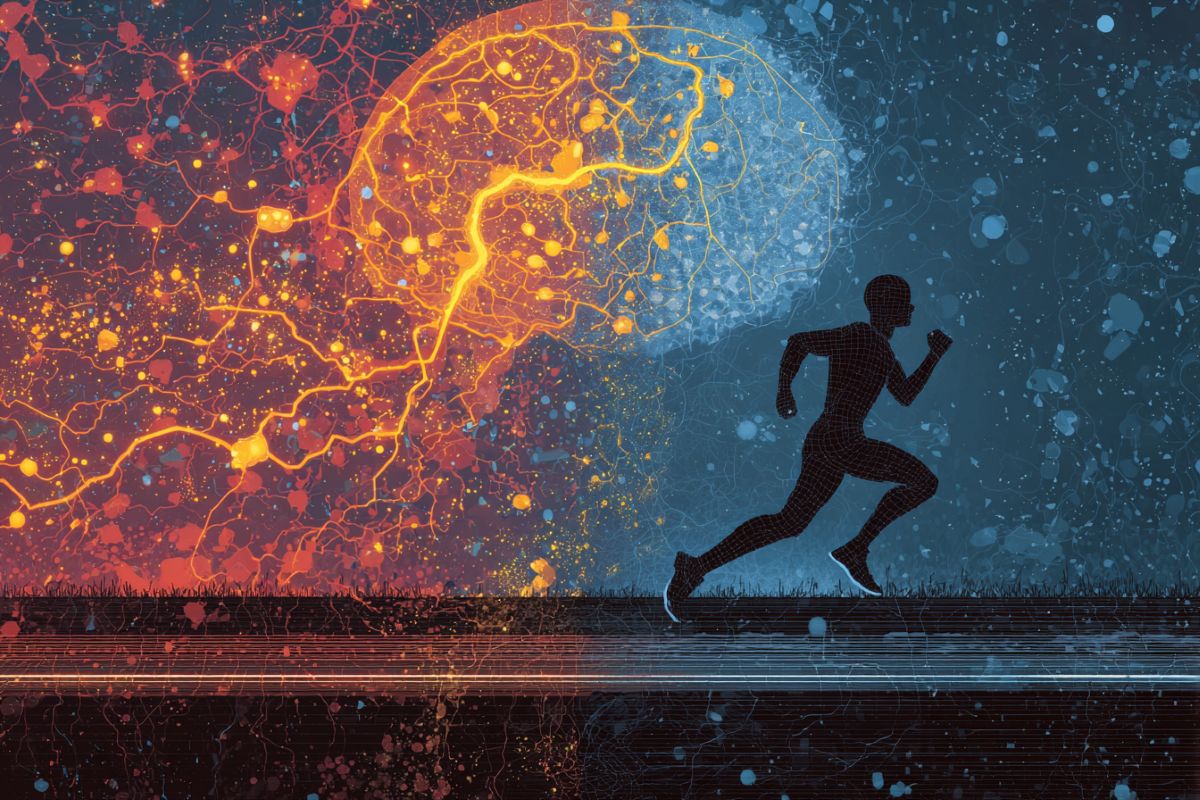
A study shows that high-intensity interval training (HIIT) in adolescent rats reduces cocaine preference and increases ΔFosB levels in the brain, suggesting exercise intensity influences addiction pathways and could be used as a personalized prevention tool.
A systematic review of experiments found that high-frequency transcranial magnetic stimulation targeting the left dorsolateral prefrontal cortex significantly reduced cravings for cocaine and decreased impulsivity in response to extreme negative emotions in individuals with cocaine use disorder. The findings suggest that this non-invasive treatment method may hold promise for addressing cocaine addiction, although more research is needed to fully understand its effectiveness.
Johnny Manziel revealed in an interview that his father had tried to negotiate an under-the-table deal for him to return to Texas A&M before he declared for the NFL draft, without his knowledge. He also discussed the prevalence of "bagmen" offering cash to players and recruits at schools competing for national titles. Additionally, Manziel detailed the ramifications of a deep cocaine addiction that led to a 40-pound weight loss after being dismissed from the NFL, stating that he was "on a strict diet of blow." He has been sober since 2016 and released a Netflix documentary about his rise and fall in 2023.
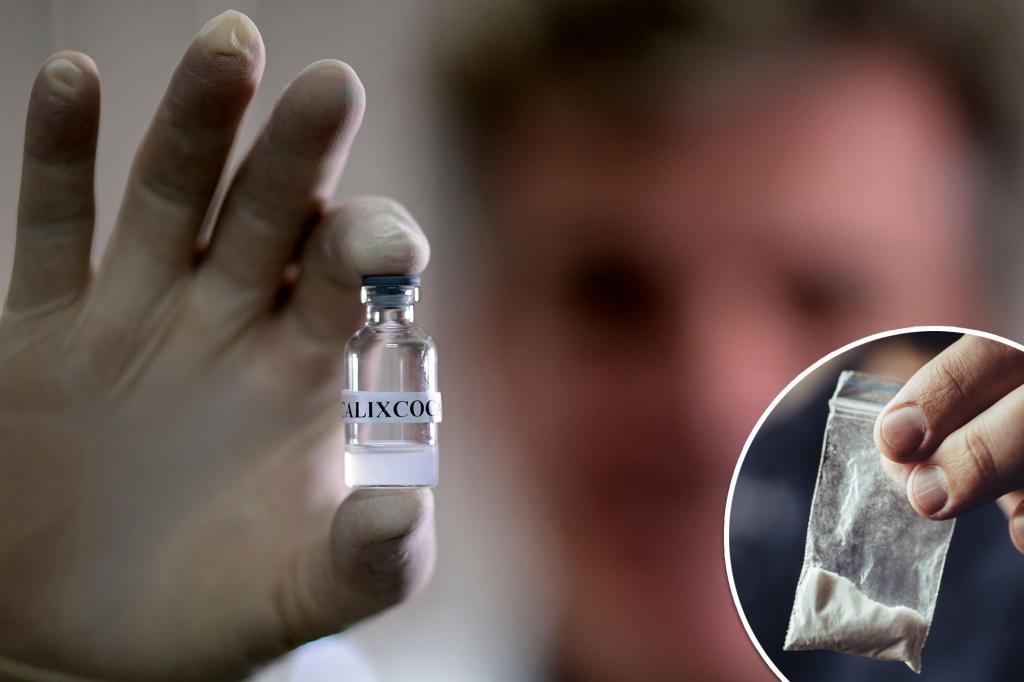
Scientists in Brazil are developing a vaccine called Calixcoca, which triggers an immune response that blocks cocaine from reaching the brain's reward center, preventing users from getting high. The vaccine, made with chemical compounds, has shown promising results in animal trials and is set to begin human testing. If successful, it could revolutionize addiction treatment. Brazil, the world's second-largest consumer of cocaine, hopes to reshape addiction treatment with this groundbreaking research.
A study conducted by Rutgers University has used neuroimaging to demonstrate how chronic cocaine addiction alters the brain's reward evaluation system, impacting adaptive behavior. The research focused on "reward prediction errors" and found that cocaine users exhibited riskier decision-making strategies and weaker neural error signals in response to unexpected rewards or their absence. These findings provide insight into the underlying mechanisms of cocaine addiction and may lead to more effective treatment options in the future.
Researchers have created a detailed atlas of the amygdala, a brain structure involved in emotional responses, shedding light on the molecular biology of cocaine addiction. By studying individual cells in the amygdala of rats, the researchers discovered previously unknown connections between addiction behaviors and genes related to energy metabolism. They also tested a drug that targeted an enzyme involved in energy metabolism and neuron signaling, successfully reversing addiction behaviors in rats. These findings have important implications for understanding addiction at the molecular level and developing personalized treatments.
New research has identified that the initial sensitivity of neurons in the nucleus accumbens shell, a brain region, to cocaine can predict future increases in cocaine intake. These individual differences in neuronal sensitivity may have implications for understanding addiction susceptibility and developing personalized treatments or preventive measures. The study used rats as animal models and found that firing patterns of neurons in the nucleus accumbens became increasingly correlated with drug levels during self-administration sessions. The study provides insights into the neural mechanisms underlying individual differences in drug susceptibility and highlights the potential role of the nucleus accumbens in drug reinforcement and addiction.