
"Unveiling Ketamine's Role in Mental Health Treatment: From Rave Drug to Depression Therapy"
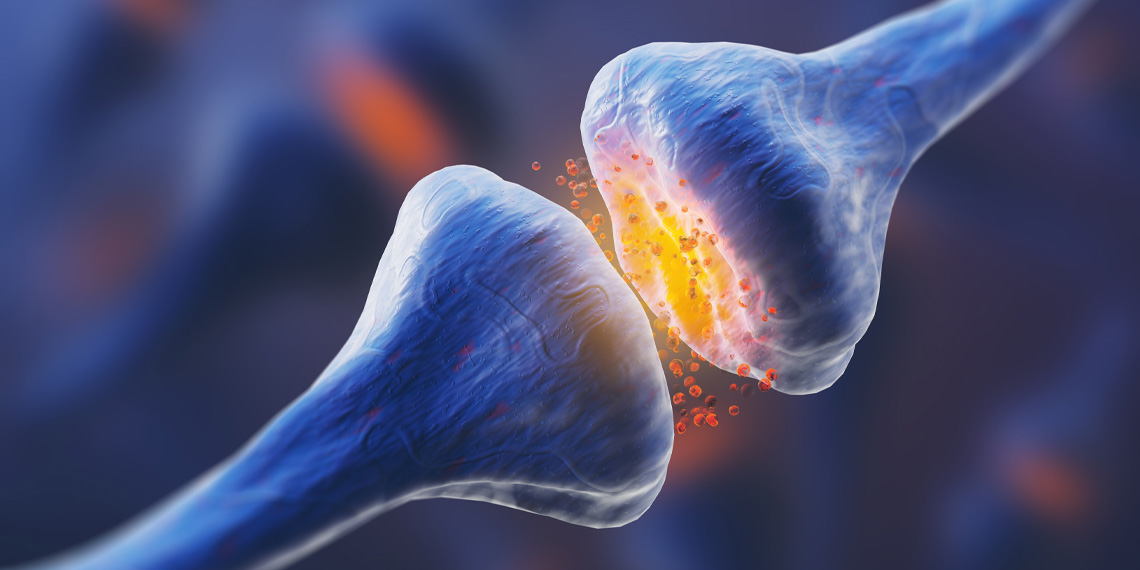
A study published in Translational Psychiatry has revealed that the brain's opioid system plays a crucial role in mediating ketamine's rapid antidepressant effects. The research demonstrated that ketamine activates the endogenous opioid system in the prefrontal cortex, and disrupting this signaling blocks ketamine's antidepressant-like effects in rats. The study also found that ketamine treatment led to a significant increase in β-endorphin levels in the prefrontal cortex, and neutralizing β-endorphin action nullified the antidepressant-like effects of ketamine. These findings shed light on the underlying mechanisms of ketamine's antidepressant effects and suggest potential therapeutic targets for depression.
- Brain's opioid system plays a key role in ketamine's antidepressant effects, study finds PsyPost
- Ketamine's unlikely conversion from rave drug to mental health therapy New Scientist
- Psychotherapist of Awakn Clinics and participant in ketamine-assisted therapy on the efficacy of ketamine in treating depression New Scientist
- Ketamine and the Controlled Substances Act Harris Sliwoski LLP
- Louisville mental health clinic using ketamine to treat patients WDRB
Reading Insights
0
1
4 min
vs 5 min read
89%
878 → 95 words
Want the full story? Read the original article
Read on PsyPost