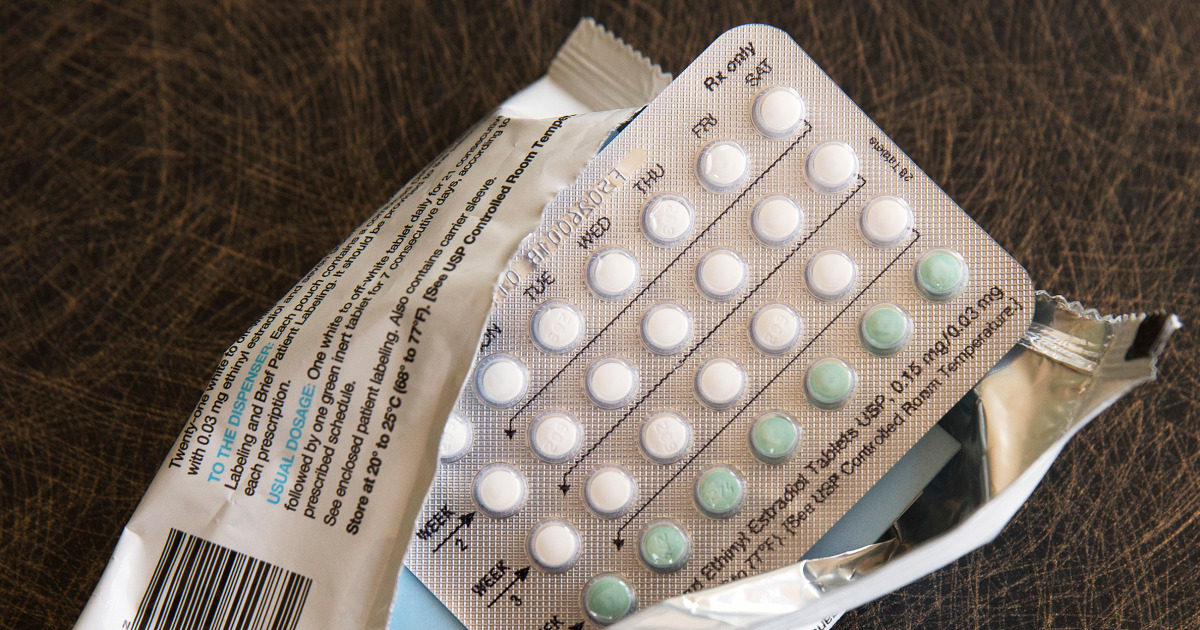
The Trump administration is holding $9.7 million worth of US-purchased contraceptives in Belgian warehouses instead of distributing them to women overseas, amid regulatory and political hurdles, raising concerns about increased maternal health risks and the potential expiration of the supplies.

Elon Musk highlighted a recent study suggesting hormonal contraceptives may affect brain regions involved in emotion and decision-making, prompting discussions on the importance of understanding long-term side effects of birth control. While the research indicates potential cognitive and emotional changes, most experts emphasize the benefits of contraceptives and call for more nuanced research and communication to balance awareness with reassurance.
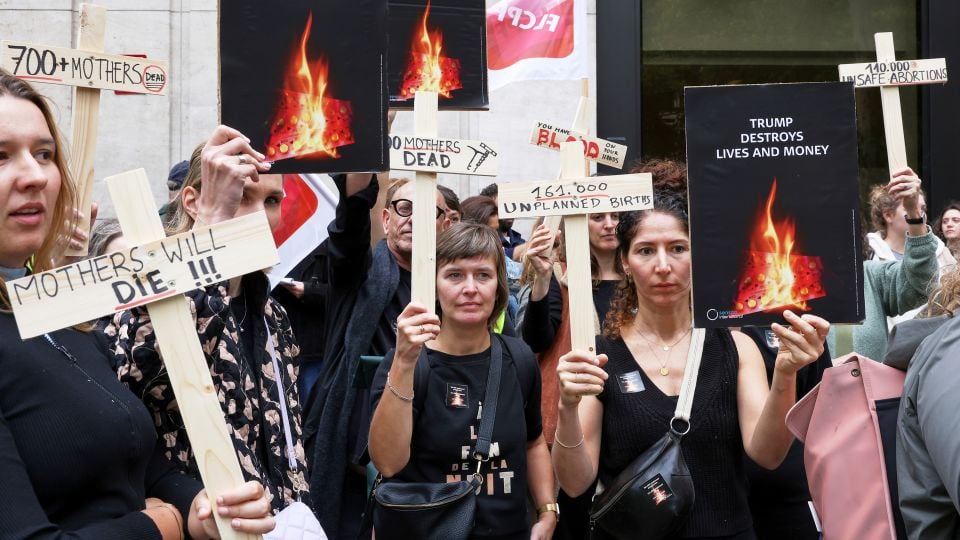
The Trump administration plans to destroy $9.7 million worth of contraceptives stored in Belgium after defunding U.S.A.I.D., causing international concern and potential loss of vital reproductive health resources for poor countries, with European governments seeking alternatives to prevent the destruction.
The Trump administration plans to destroy $9.7 million worth of contraceptives intended for poor countries, citing policies that restrict abortion-related assistance, and declining offers to repurpose or distribute the supplies, reflecting a broader shift away from U.S. foreign aid and reproductive health support.
In a span of 48 hours, Donald Trump promoted and then removed a controversial video, backtracked on his stance regarding state restrictions on contraceptives, falsely accused President Biden of targeting him, and attended court as his legal team rested its case in his ongoing criminal trial.
Olivia Rodrigo's Guts Tour initially included the distribution of contraceptives and abortion care resources, sparking both praise and controversy. However, her team has now decided to halt the distribution of contraceptive materials by abortion funds, citing the presence of children at the concerts. This decision comes after Rodrigo's advocacy for women's healthcare and support for reproductive rights organizations.
Olivia Rodrigo's GUTS tour initially offered emergency contraceptives, condoms, and abortion access resources to concertgoers through the organization Right by You, but later decided to prohibit abortion funds from distributing contraceptives due to the presence of children at the concerts. Despite this, informational material on delivery options for contraceptives will still be available.
Olivia Rodrigo's team has reportedly instructed abortion funds to stop distributing contraceptives at her GUTS World Tour shows, citing the presence of children at the concerts as the reason. This decision has sparked controversy, with some praising Olivia for supporting the actions and others criticizing the move, emphasizing the importance of youth having access to birth control and emergency contraception. Abortion funds are still organizing and passing out literature at Olivia's shows for now, and further comments from Olivia's team are awaited.
Olivia Rodrigo's Guts tour will no longer have reproductive rights groups distributing free emergency contraceptives, lube, and condoms after the media attention from the Missouri show. This decision came after the Missouri Abortion Fund handed out morning-after pills at her St. Louis show, prompting Rodrigo's management team to request that future groups refrain from distributing contraceptives due to the presence of children at the concerts. Despite the decision, a portion of Rodrigo's tour ticket sales will still support abortion funds through her Fund 4 Good initiative.
Singer Olivia Rodrigo's team has reportedly halted the distribution of free contraceptives and the morning-after pill at her concerts, citing concerns about children being present. This decision follows initial praise for the distribution and subsequent backlash from conservatives. Women's sexual health groups expressed dismay at the move, emphasizing the importance of access to sexual health tools for young people. Despite the decision, some organizations continue to support the initiative, while others criticize the backlash as based on false information.
Olivia Rodrigo partnered with the Missouri Abortion Fund to distribute condoms and morning-after pills at her St. Louis concert, championing reproductive health care. She also launched Fund 4 Good, supporting nonprofits prioritizing reproductive rights, girls’ education, and gender-based violence prevention. This move comes amid Missouri's strict abortion laws, and while it has drawn both praise and criticism, experts believe it could energize certain voter bases and increase access to effective birth control in states with abortion bans.
A new study suggests that the hormone dosage in common contraceptives could be drastically reduced while still being effective in preventing ovulation. The scientists who carried out the study believe their findings could provide new insight into the complexities of the endocrine system and support the need for more precise and individualized hormonal contraception, a move that could benefit many people. The modeling suggests that birth control pills could work effectively with far lower doses of estrogen or progesterone than those currently prescribed and that taking hormones at specific times during the menstrual cycle can be more effective than taking them constantly.
FDA advisers will meet in May to discuss whether to allow the sale of Opill, a progestin-only birth control pill, over the counter. If approved, it would be the first birth control pill available over the counter in the U.S. The American Medical Association has called for allowing birth control pills to be sold over the counter, saying it could remove barriers and increase access to contraceptives. The push for prescription to over the counter comes amid legal battles regarding women's reproductive rights.
A new study by researchers at the University of Oxford found that all hormone contraceptives, including progestagen-only "minipills," carry a small "excess risk" of breast cancer, but the overall risk remains low. Progestagen-only contraceptives are associated with a 20% to 30% relative risk for breast cancer, which aligns with previous research on combined hormone contraceptives. The study does not indicate that hormonal contraceptives cause breast cancer but rather investigated potential links to the disease.
A new study published in the journal PLOS Medicine found that the risk of developing breast cancer is similar across all birth control options, whether they rely on one hormone or two. The relative risk of being diagnosed with breast cancer was 20% to 30% higher among women who use or recently used birth control pills with a two-hormone combination, progestogen-only pills or hormonal IUDs compared to women who did not. However, the study suggests that hormonal birth control slightly ups the odds of developing breast cancer, and the increased risk is relatively small.