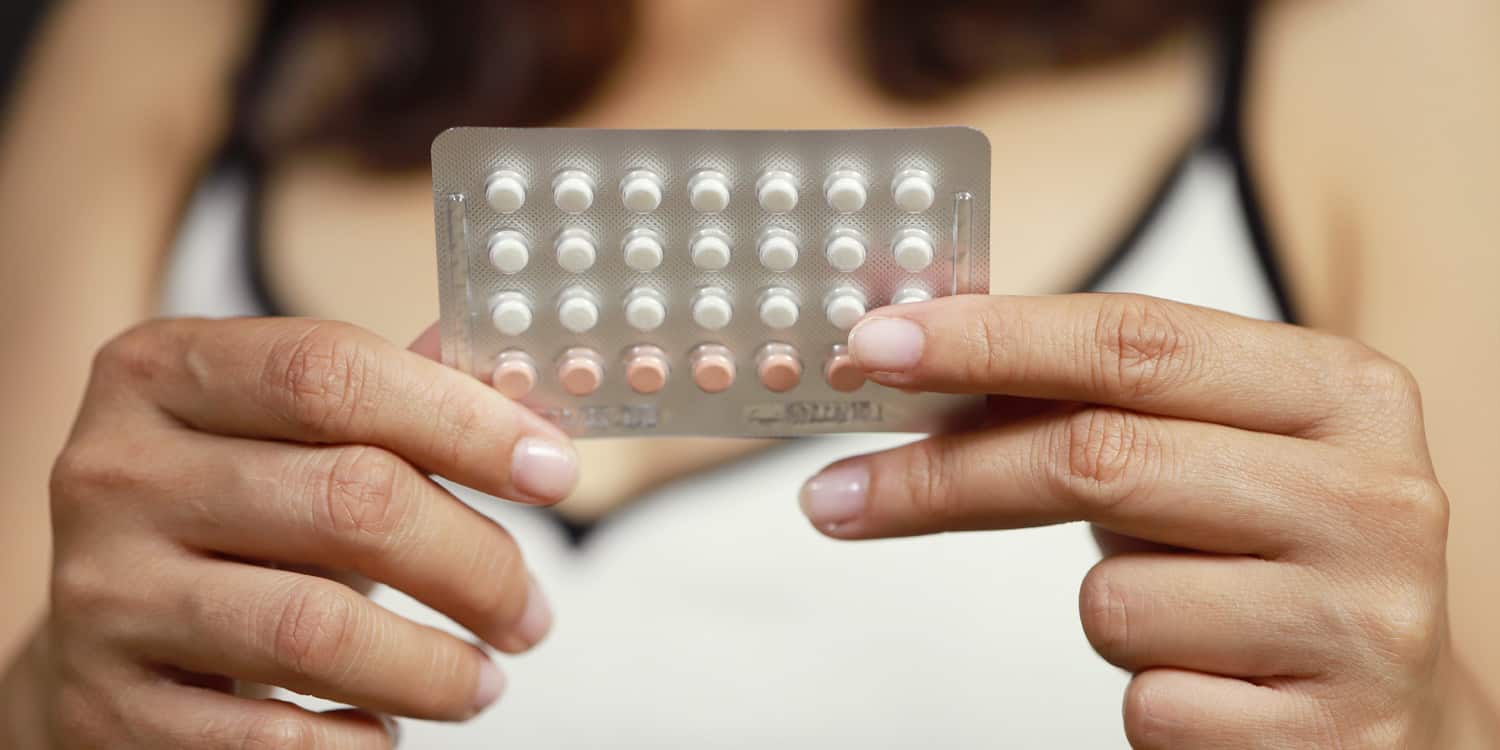
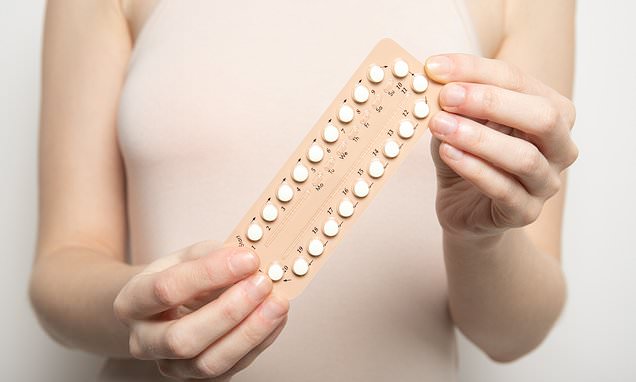
A 19-year-old from Bolton died from a brain blood clot believed to be caused by estrogen-containing birth control pills; her family says the risk, while rare, is real and they want greater awareness of hormonal contraception risks.
Elon Musk highlighted a recent study suggesting hormonal contraceptives may affect brain regions involved in emotion and decision-making, prompting discussions on the importance of understanding long-term side effects of birth control. While the research indicates potential cognitive and emotional changes, most experts emphasize the benefits of contraceptives and call for more nuanced research and communication to balance awareness with reassurance.
The connection between birth control pills and sexual desire is complex, with some women experiencing decreased libido while on the pill. Research has shown that about 15 percent of women on combined hormonal birth control pills reported a decrease in libido. However, there is no clear consensus on why this occurs, particularly with different versions of the pill containing varying hormone doses.
A new study published in the Journal of Affective Disorders analyzed data from the National Health and Nutrition Examination Survey (NHANES) and found that women currently using birth control pills showed a lower prevalence of major depression compared to those who had never used them or had stopped using them. However, when examining the data more closely, there was no significant difference in depression rates between current pill users and those who had never used them. The study suggests that while current use of birth control pills is associated with a lower reported rate of depression, the relationship is not straightforward. Further research is needed to understand the real-world effect of birth control pills on depression.
New research suggests that women using birth control pills experience different stress and inflammation responses compared to those not using these contraceptives. The study found that women using hormonal contraceptives reported higher levels of subjective stress and exhibited a more significant increase in cortisol levels in response to stress. They also showed a decrease in certain inflammatory markers following stress, while exhibiting higher levels of tumor necrosis factor-alpha (TNF-α) across time points. These findings highlight the complex ways in which hormonal contraceptives can influence the body's psychophysiological reactions and may have implications for women's mental and physical health. Further research is needed to understand the full scope of these effects and inform healthcare choices.
Women who are on birth control pills and also take common painkillers, specifically non-steroidal anti-inflammatory drugs (NSAIDs), may have an increased risk of developing potentially fatal blood clots, according to new research. The risk is higher for women using combined oral contraceptives containing third or fourth-generation progestins. The study suggests that women should be informed about the potential risks, and health authorities should consider these findings when assessing the safety of over-the-counter diclofenac. Alternatives to NSAIDs for pain relief should be considered for women on the pill.
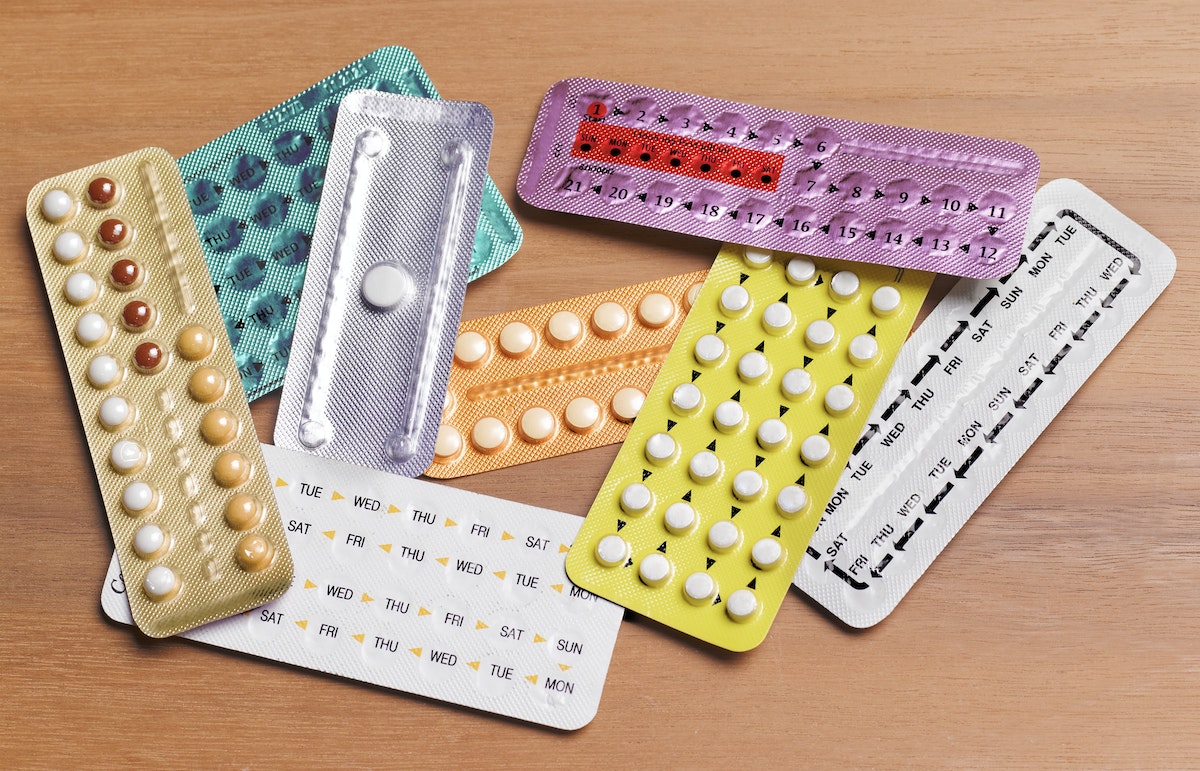
Pharmaceutical company Lupin is recalling two batches of the birth control pill Tydemy due to potential reduced effectiveness. Tests revealed decreased levels of ascorbic acid and high levels of a known impurity in the pills. The FDA has warned that the low levels of ascorbic acid could impact the pill's ability to prevent pregnancy. No adverse events have been reported so far. Patients are advised to contact their healthcare provider for alternative treatment options. The affected batches were distributed between June 2022 and May 2023.
The FDA has issued a warning stating that certain batches of Tydemy birth control pills may not be effective, potentially leading to unexpected pregnancies. The manufacturer, Lupin Pharmaceuticals, had previously recalled two batches of the medication due to low levels of ascorbic acid and the presence of a known impurity. Lupin is working to remove the affected pills from store shelves and has advised patients to consult with their doctors for alternative contraception options.
The FDA has issued a warning about the recall of Tydemy brand birth control pills due to potential lower effectiveness. Drugmaker Lupin Pharmaceuticals found that two lots of the pills may have lower effectiveness after stability testing revealed low levels of an inactive ingredient and a high level of a known impurity. Approximately 350,000 tablets have been recalled, and individuals currently taking the affected lots are advised to continue taking their pills but seek an alternative contraceptive method from their doctor. Lupin Pharmaceuticals has voluntarily recalled the affected lots, and no adverse events have been reported so far. The cause of the issue is unclear, and it is unknown if more batches are affected.
A study conducted by researchers from Aarhus University and the United States found that women on birth control pills do not experience the same reduction in stress hormone levels during social activities as those not on the pill. The study revealed that the stress response in women who do not take birth control pills depends on their menstrual cycle phase, which may influence the production of stress-regulating hormones. The researchers suggest that birth control pills could suppress the body's own production of progesterone, impacting the stress response. Further research is needed to fully understand the complex interactions between hormone levels and the stress response.
A new study from Sweden's Uppsala University found that women who take prescription birth control pills as teens have a much higher rate of depression compared to those who do not take birth control pills. The study looked at over 250,000 women from the UK from birth until menopause and found that the use of the combined birth control pill, which includes both estrogen and progestin, is linked to a higher incidence of depression among women. The incidence of depression declined after the first two years of contraception use in older women, the study also found. The lead author of the study suggests that care providers should inform women who are considering using contraceptive pills of the potential risk of depression as a side effect of the medicine.
Women who start taking birth control pills as teenagers have a 130% higher risk of developing depression compared to those who have never taken contraception, according to a new four-year-long study. The likelihood of developing birth control pill-linked depression was highest within the first two years of starting the contraceptive, but the rate at which women were diagnosed with depression fell the longer they took an OC. The research team posited that the link could be blamed on hormone level changes already wreaking havoc on a teen’s emotional well-being, which is magnified by the addition of hormonal birth control.
A study of over 264,000 women has found that women who started taking birth control pills as teenagers have a 130% higher rate of depression. The study also found that adult users had a 92% higher rate of depression. The increased risk of depression among teenage girls can be attributed to the hormonal changes caused by puberty. Despite the risks, hormonal contraceptives are still considered a safe birth control method for most women.
Birth control pills not only prevent unplanned pregnancies but also regulate hormones, menstrual cycle, reduce acne and pimples, and maintain skin. When a woman stops taking them, her body may experience changes such as fluctuating libido, acne breakouts, irregular menstrual cycle, weight gain, and PMS and mood swings.
A new study by researchers from the University of Oxford has found that hormonal contraceptives, including combined oestrogen and progestogen birth control pills and progestagen-only contraceptives, increase the risk of breast cancer by around 20-30%. The risk of breast cancer in pre-menopausal women taking these forms of birth control increased with age. The study was based on data from nearly 30,000 women. Despite the risks, Cancer Research UK, which funded the study, did not discourage the use of hormonal contraceptives, stating that the decision to use them should be made after speaking to a doctor.