Dental experts emphasize that tooth loss in aging adults is not inevitable and can be prevented through proper oral hygiene, regular dental visits, managing gum disease, quitting smoking, and addressing dry mouth, with personalized care being crucial.
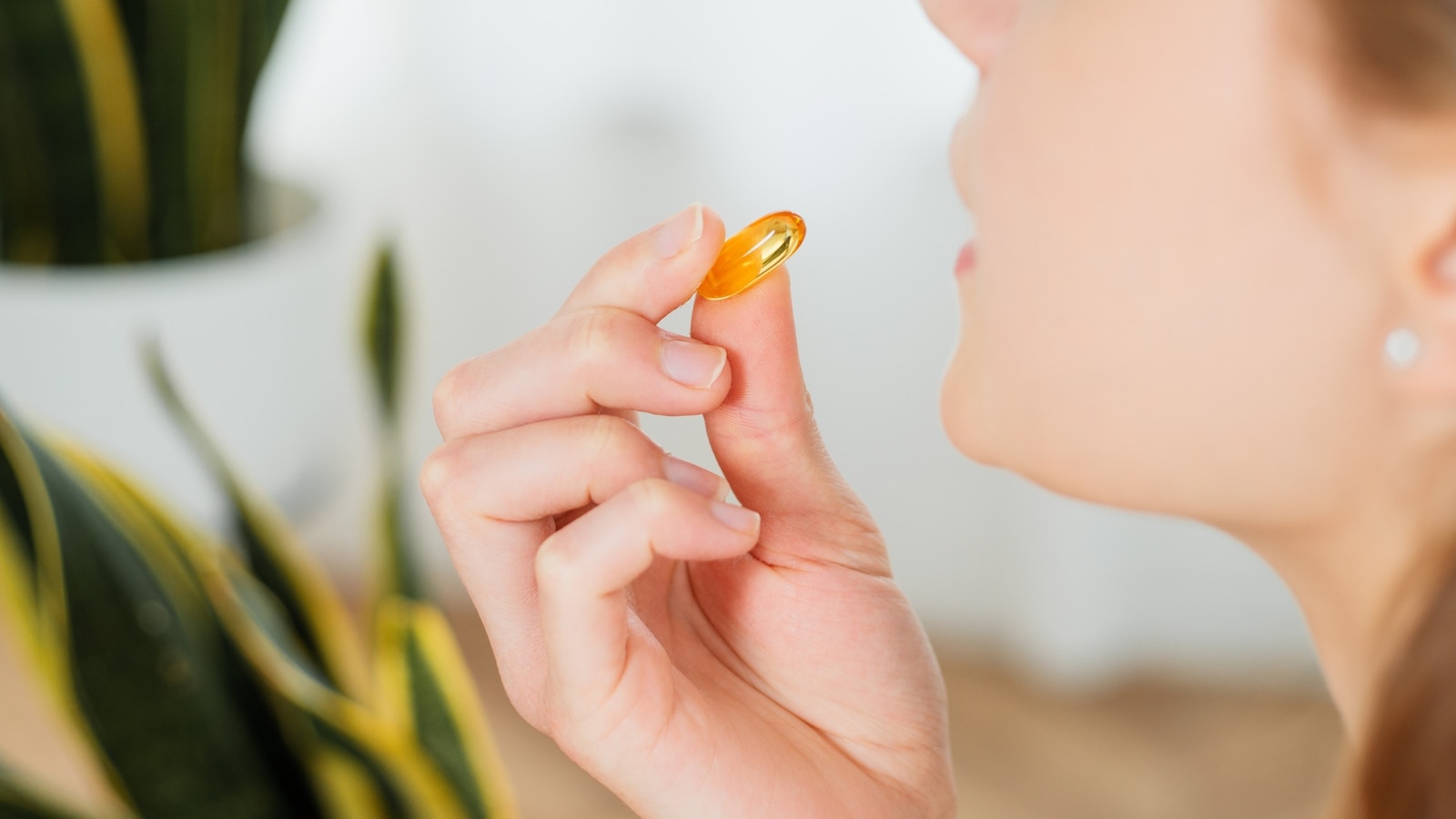
A study published in Nature Communications found that plant-based prebiotic supplements, specifically inulin and fructooligosaccharide (FOS), may improve cognitive function in older adults. The study involved 36 pairs of twins over 60, with one twin taking the supplement and the other a placebo. While physical improvements were minimal, cognitive tests showed better results for those taking the prebiotics, along with increased levels of beneficial gut bacteria. However, researchers caution that the clinical significance of these findings is still uncertain.
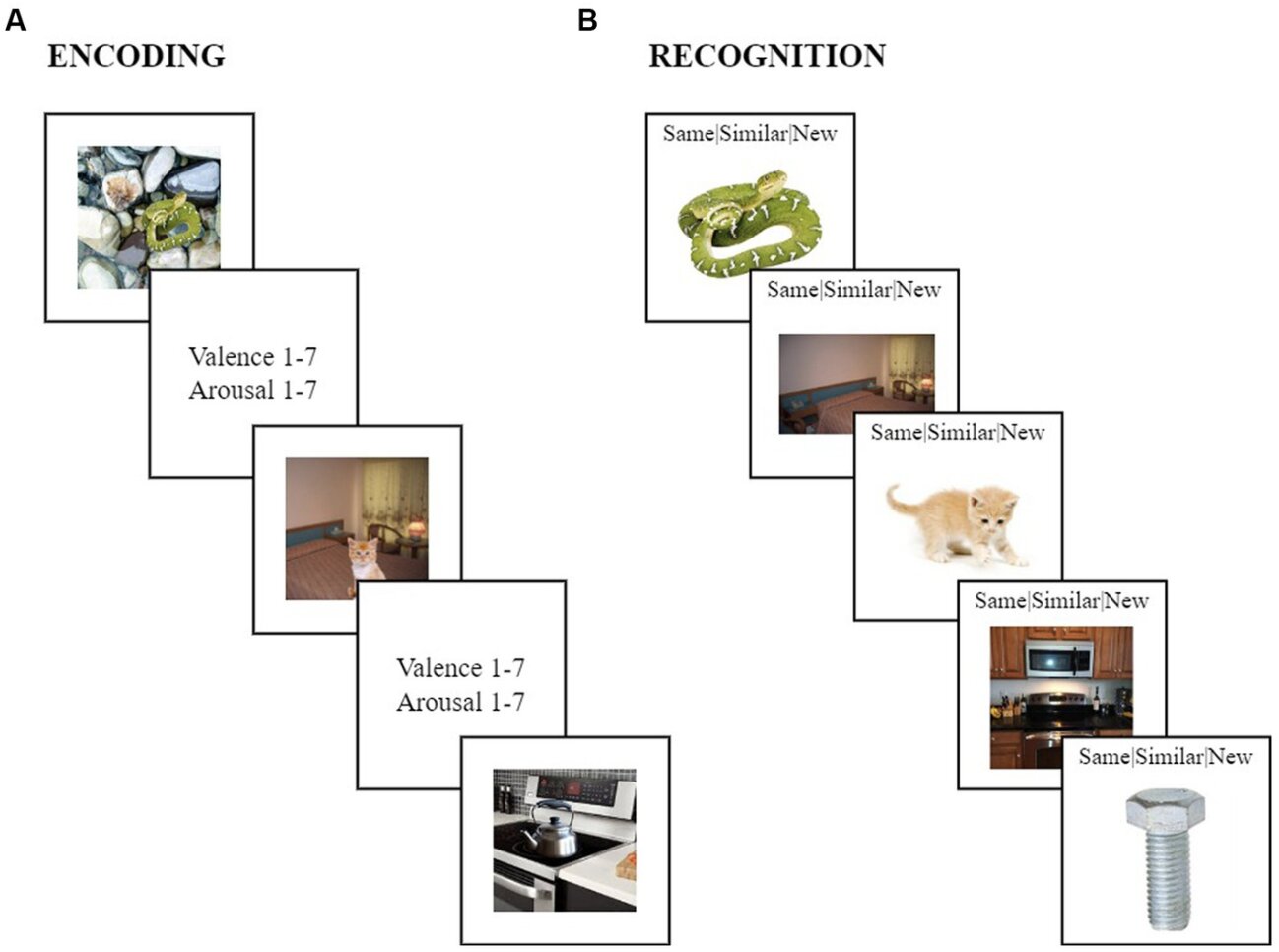
A study published in Frontiers in Behavioral Neuroscience suggests that the shift towards a more positive attitude, commonly observed in older adults, may begin as early as late middle age (48-59 years old). The research found that late middle-aged individuals displayed a greater preference for positive and neutral scenes compared to early middle-aged adults, indicating a potential early emergence of a positivity bias. These findings could inspire further studies on emotional processing at different life stages and provide insight into how aging impacts cognitive and emotional well-being.
A new study suggests that taking a daily multivitamin may improve memory and slow cognitive decline in aging adults, potentially offering a simple and accessible approach to combat cognitive aging. The study, part of the COcoa Supplement and Multivitamin Outcomes Study, found that daily multivitamin supplementation led to improved memory and cognition in older adults. However, the study had limitations, including the use of a specific multivitamin brand and a predominantly white participant group, which may affect the generalizability of the results.
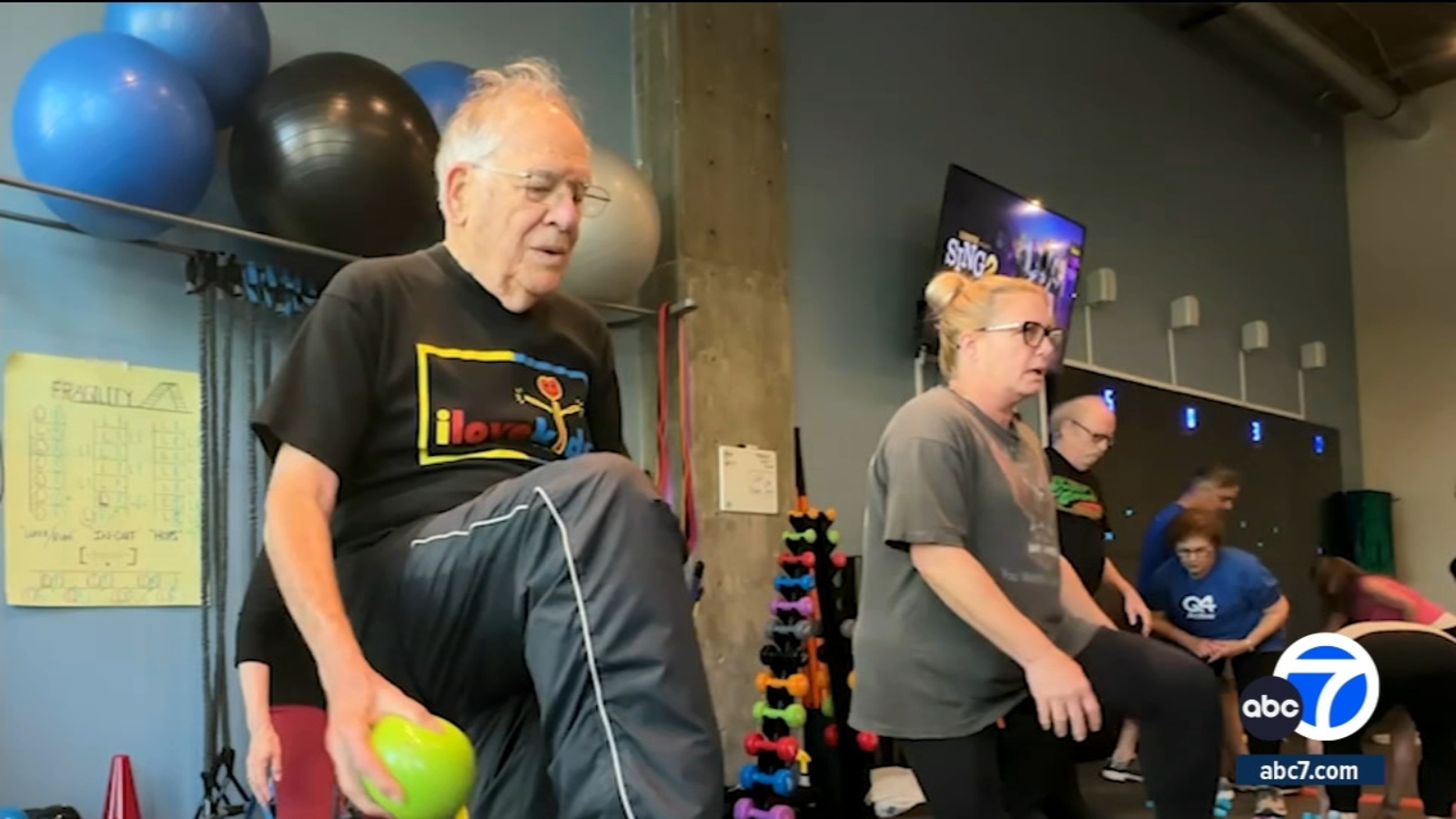
Q4 Active in Woodland Hills focuses on helping aging adults stay fit both physically and mentally through personalized training that emphasizes proper form, engaging the mind during workouts, and incorporating cognitive tasks. The fitness center aims to reduce the risk of Alzheimer's and slow cognitive decline by promoting a holistic approach to exercise, including warm-ups, strength training, and cognitive engagement. They also offer a free audio app for those unable to visit the center, emphasizing the importance of engaging the brain and being patient with physical fitness.
Nutritional deficiency has become a significant factor impacting life expectancy in the United States, with over 21,000 deaths attributed to malnutrition in 2022, more than doubling over the past five years. Poor nutrition is particularly deadly for older Americans, with over half of the deaths related to nutritional deficiency occurring among those aged 85 and older. Experts believe that the negative impact of malnutrition is likely underestimated, as it can accelerate disease processes and compromise bodily systems. Older adults are more susceptible to nutritional deficiencies due to chronic illnesses, decreased appetite, and limited access to nutritious foods. The COVID-19 pandemic has further exacerbated these concerns, as social isolation and reduced access to senior centers and nutritional assistance programs have contributed to the problem.
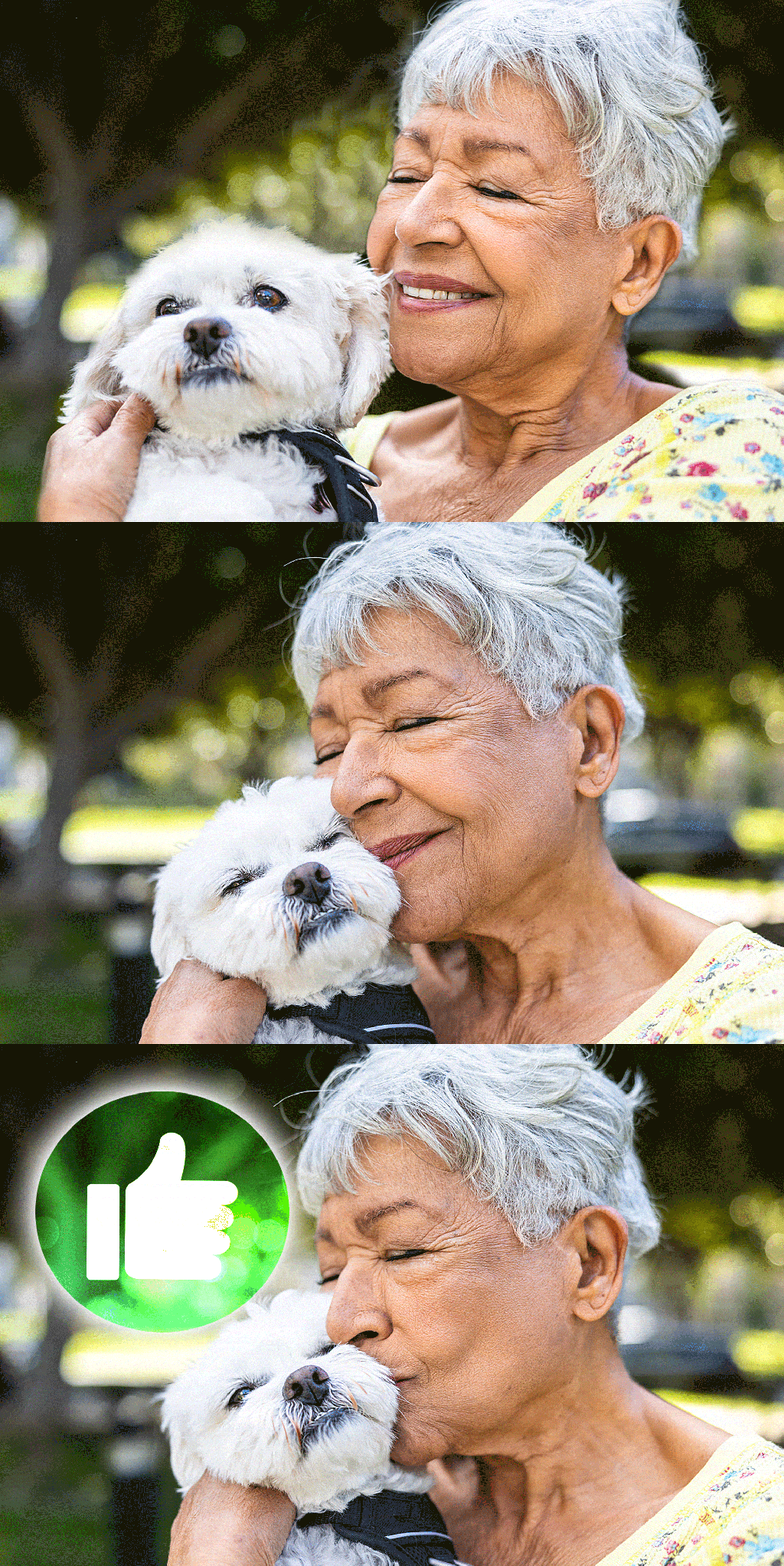
A study published in Preventive Medicine Reports reveals that adults over the age of 65 who own dogs are 40% less likely to develop dementia. The research suggests that the physical activity and social interaction involved in daily dog care contribute to maintaining brain health and preventing cognitive decline. The study, conducted in Tokyo, found that dog ownership increased human-to-human interaction and exercise, which had a suppressive effect on dementia development. Even petting a dog for just a few minutes can reduce stress levels.
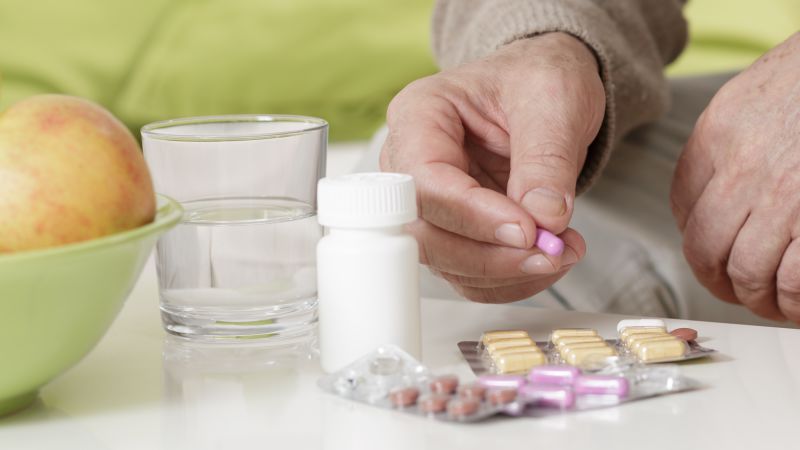
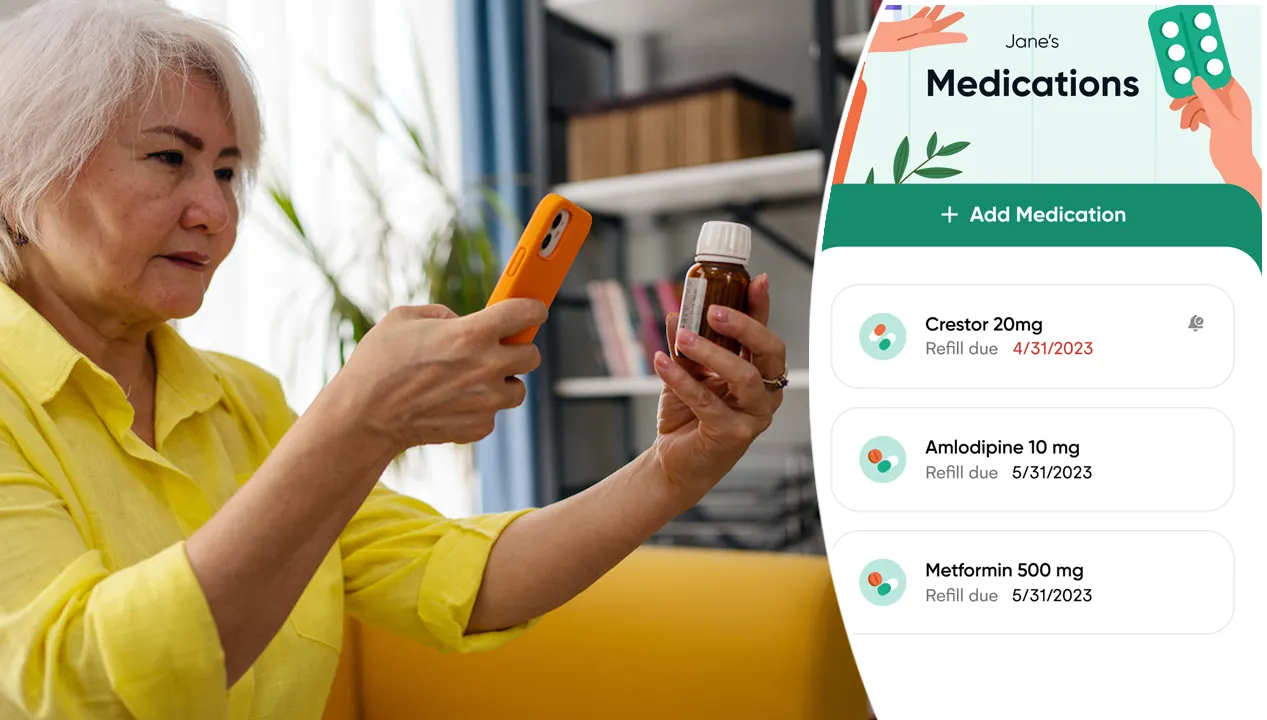
A new AI app called "Together" aims to help aging adults and their caregivers manage medications and other health care tasks. The app uses generative AI to automatically detect key information about a medication from a photo of the prescription bottle, such as the doctor's name, dosage, refill dates, and precautionary advice. It also offers features like storing health care provider information, checking vital signs based on a selfie, adding appointment cards to the calendar, and sharing data with caregivers. The app is designed to be user-friendly and does not require manual data entry. The company plans to add more features, including insurance card benefits and stress measurement through voice monitoring.