
health-covid-194.82 min read
"Comparing Recent COVID Deaths to Early Pandemic Months in California"
1 year ago•Source: The Mercury News

The latest health covid 19 stories, summarized by AI

The CDC reported that only two U.S. states had increases in coronavirus infections, with declines in 29 states and territories and stable or uncertain infections in 19 areas. A national forecast predicts up to 3,400 daily COVID hospital admissions in late April, while nearly 1.2 million U.S. residents have died of COVID-19. Health experts recommend vaccination and good hygiene practices to protect against respiratory viruses. Additionally, data suggests that nearly 1 in 4 U.S. adults and older teens had not contracted COVID-19 by late 2022, but this number may have declined since then.

The Conversation Canada•1 year ago
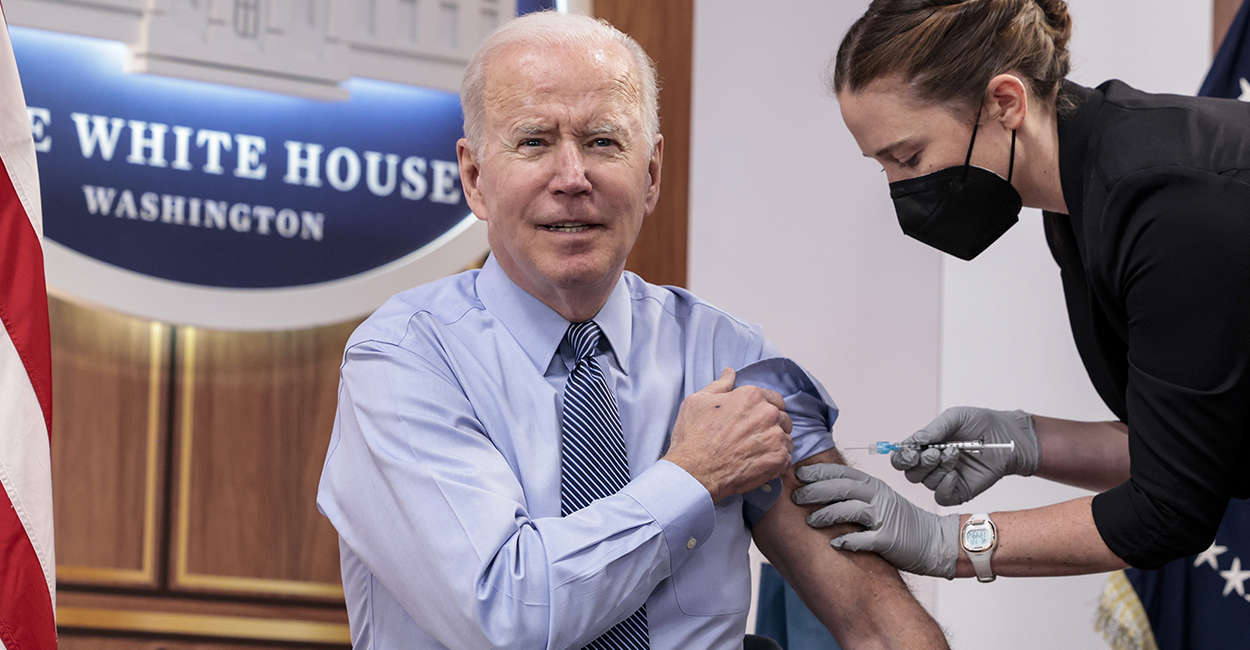
Dr. Pierre Kory, a pulmonary critical care physician and president of the Front Line COVID-19 Critical Care Alliance, challenges the official narrative on COVID-19 vaccine safety, claiming that data doesn't support the statement that vaccines are safe and effective. He suggests that excess fatalities and disability claims have increased after people started taking the COVID-19 vaccines, and he has seen more patients with problems developed after vaccination. Kory also criticizes the suppression of information counter to the vaccine safety message and alleges that the pharmaceutical industry influences medical journals to favor vaccines. He advocates for the use of ivermectin as a successful treatment for COVID-19 and accuses a global disinformation campaign of trying to destroy early effective treatment drugs in order to promote the vaccine campaign.
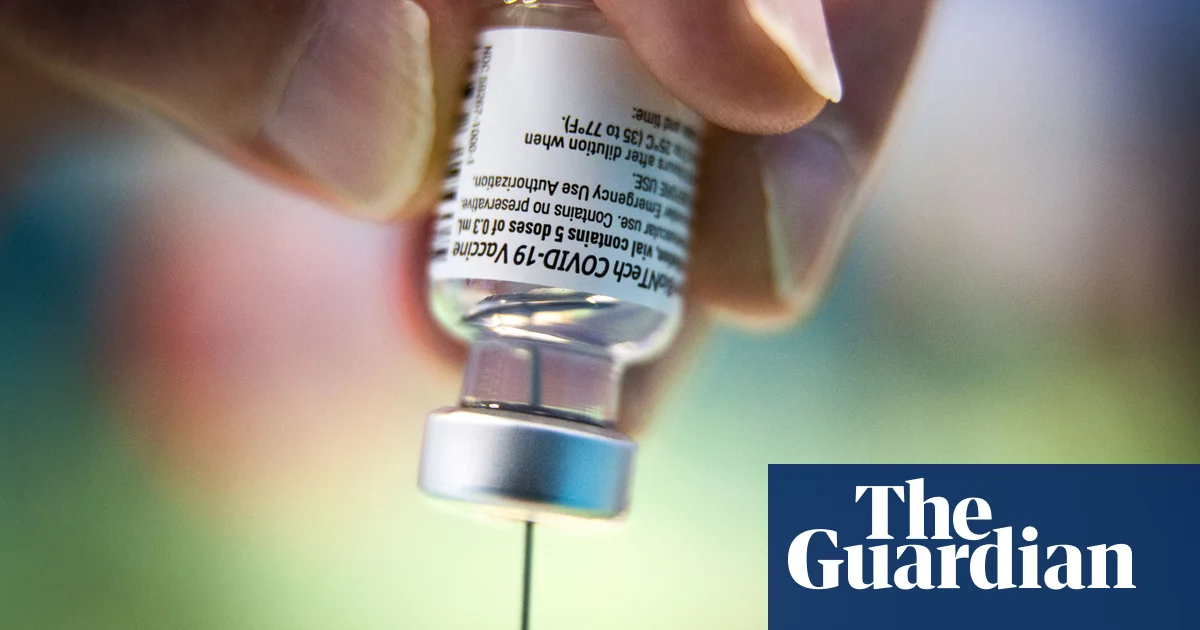
A large study analyzing health records from over 20 million people across the UK, Spain, and Estonia found that Covid vaccines, including those from Oxford-AstraZeneca, Pfizer, and Moderna, substantially reduce the risk of heart failure and blood clots linked to the virus for up to a year. The study showed that vaccinated individuals had significantly lower risks of these complications compared to unvaccinated individuals, even after experiencing breakthrough infections. The protective effects of the vaccines were most pronounced in the first month after contracting the virus, with continued lower risks observed up to a year post-infection.
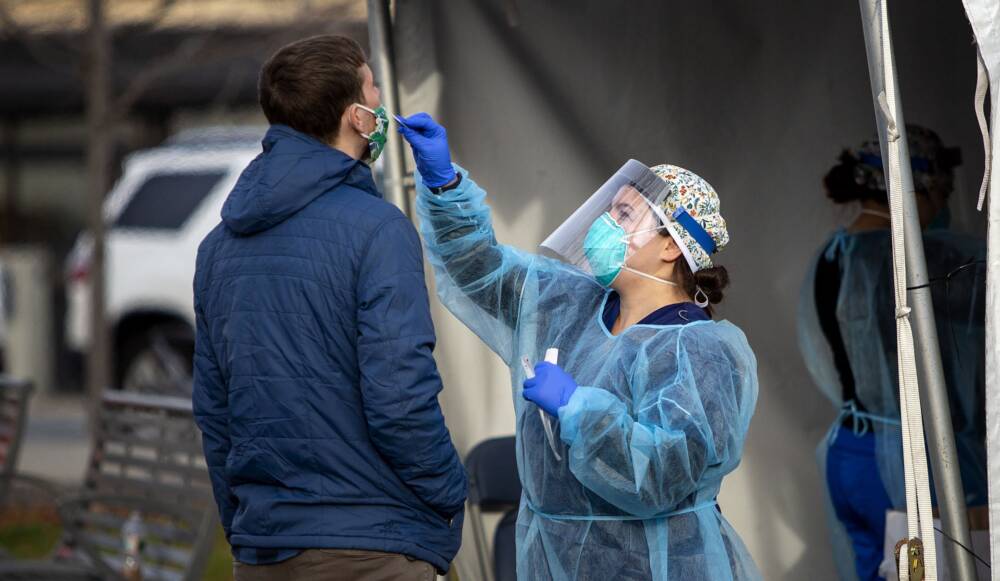
Four years after the COVID-19 emergency, experts reflect on the impact of the pandemic, acknowledging both progress and challenges. While vaccines have brought relief and immunity has reduced severe disease, low vaccination rates and erosion of vaccine confidence are concerning. The virus, though weaker, continues to evolve, and experts emphasize the importance of public health measures and preparedness for future threats.

The CDC's new COVID isolation guidelines, recommending staying home until 24 hours after fever has disappeared and symptoms have lessened, have sparked differing perspectives among Lehigh Valley health experts. While some see it as a necessary shift to managing COVID as a part of life, others criticize it for being one-size-fits-all and not considering vulnerable populations. COVID-19 hospitalizations are down, but experts emphasize the need for continued precautions and vaccinations, as well as the recognition of different guidelines for healthcare settings.
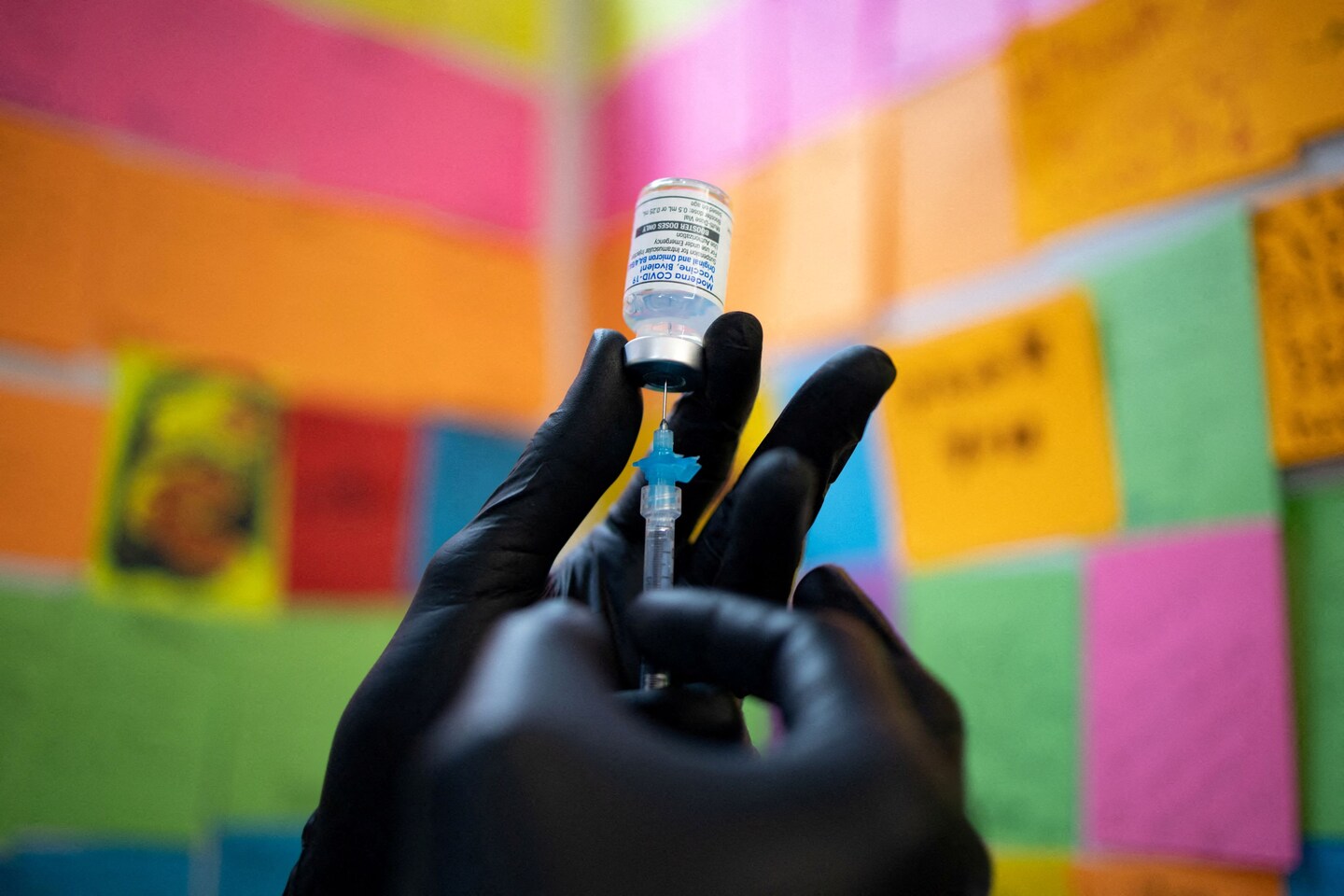
The CDC has recommended a spring booster shot for those 65 and older, with a focus on the monovalent vaccine targeting the XBB.1.5 subvariant. The effectiveness of the vaccine against covid-associated hospitalization decreases over time, making it important for older individuals and those with chronic medical conditions to get the spring booster. People under 65 with underlying health conditions or immunocompromised status should consult their physicians about eligibility for the booster. It's advised not to delay getting the spring shot, as it won't interfere with future boosters in the fall, and those who recently had covid can wait at least three months before getting their next coronavirus shot.
A 62-year-old German man has allegedly received 217 Covid vaccine shots over a 29-month period, prompting scientists to study him to understand the effects. While official evidence confirms 134 injections in 9 months, the man claims 217, rotating arms for daily shots at one point. Despite having numerous antibodies, experts warn against attempting similar vaccine misuse, emphasizing the risks and the CDC's revised guidelines for Covid isolation.
The CDC announced new Covid recommendations, including shortened isolation guidelines for those testing positive and an additional updated shot for seniors, aiming to balance relaxing guidelines with stressing the importance of vaccines and treatments. The new isolation guidelines allow people with Covid to resume daily activities if fever-free without medication for 24 hours and with improving symptoms for 24 hours, while the updated vaccines target the omicron subvariant and JN.1 subvariant. Additionally, investments in women's health are showing growth, but still make up a small portion of venture funding for the overall health-care industry.
The CDC has updated its isolation guidelines, now recommending that individuals with COVID-19 only need to isolate until they are fever-free for 24 hours without medication. Free at-home COVID tests will no longer be available after March 8, but schools can still order them. New vaccines targeting the XBB.1.5 Omicron strain are expected in the fall, and booster shots are recommended for adults 65 and older. The dominant COVID variant in the U.S. is JN.1, and cases and hospitalizations are currently decreasing. Masking is now a personal choice, but the CDC advises considering hospital admission levels in your area and other risk factors when deciding whether to wear a mask.

A study by researchers at Trinity College in Ireland published in Nature Neuroscience found that long COVID patients with brain fog had increased permeability of their blood-brain barrier, indicating a potential biological mechanism for this symptom. The study involved specialized brain imaging and blood tests on 32 COVID-19 patients, revealing cognitive impairment and blood markers associated with inflammation and blood-brain barrier dysfunction. While the study has limitations and requires further research, it offers new insights into understanding and potentially treating long COVID symptoms, providing hope for future tests and treatments.

The largest global vaccine safety study involving nearly 100 million COVID-19-vaccinated individuals across eight countries has identified small increases in health conditions involving the brain, blood, and heart following vaccination, emphasizing that the chances of these conditions are still very low. The study confirmed pre-established links between COVID-19 vaccinations and low risks of specific conditions, while also identifying potential safety signals for rare adverse events. The research underscores the need for comprehensive vaccine safety monitoring, as very rare adverse events associated with COVID-19 vaccines may only come to light after administration to millions of individuals.