A randomized trial provides direct human evidence that the placebo effect can shape humoral immunity: reward-related brain activity correlates with vaccine-induced antibody production, suggesting new ways to influence immune responses beyond the vaccine itself.
Scientists at the University of Southampton developed a four-armed antibody that enhances T cell activation by clustering immune receptors, significantly boosting the immune response against cancer in laboratory tests, offering a promising new approach for cancer immunotherapy.
A 2023 updated COVID-19 vaccine developed by Emory University produces antibodies with a half-life of over 500 days, about three times longer than previous versions, and offers broad protection against multiple strains, highlighting the importance of updated immunizations in combating the evolving virus.
A new study suggests that nanobodies, small antibody-like proteins found in camelids like alpacas, could be developed into treatments for brain disorders such as Alzheimer's, offering potential advantages over traditional antibodies due to their size and ability to passively enter the brain, though further safety and efficacy testing is needed before clinical trials.
AI-designed antibodies are showing promise to significantly enhance drug development processes, potentially leading to faster and more effective treatments.
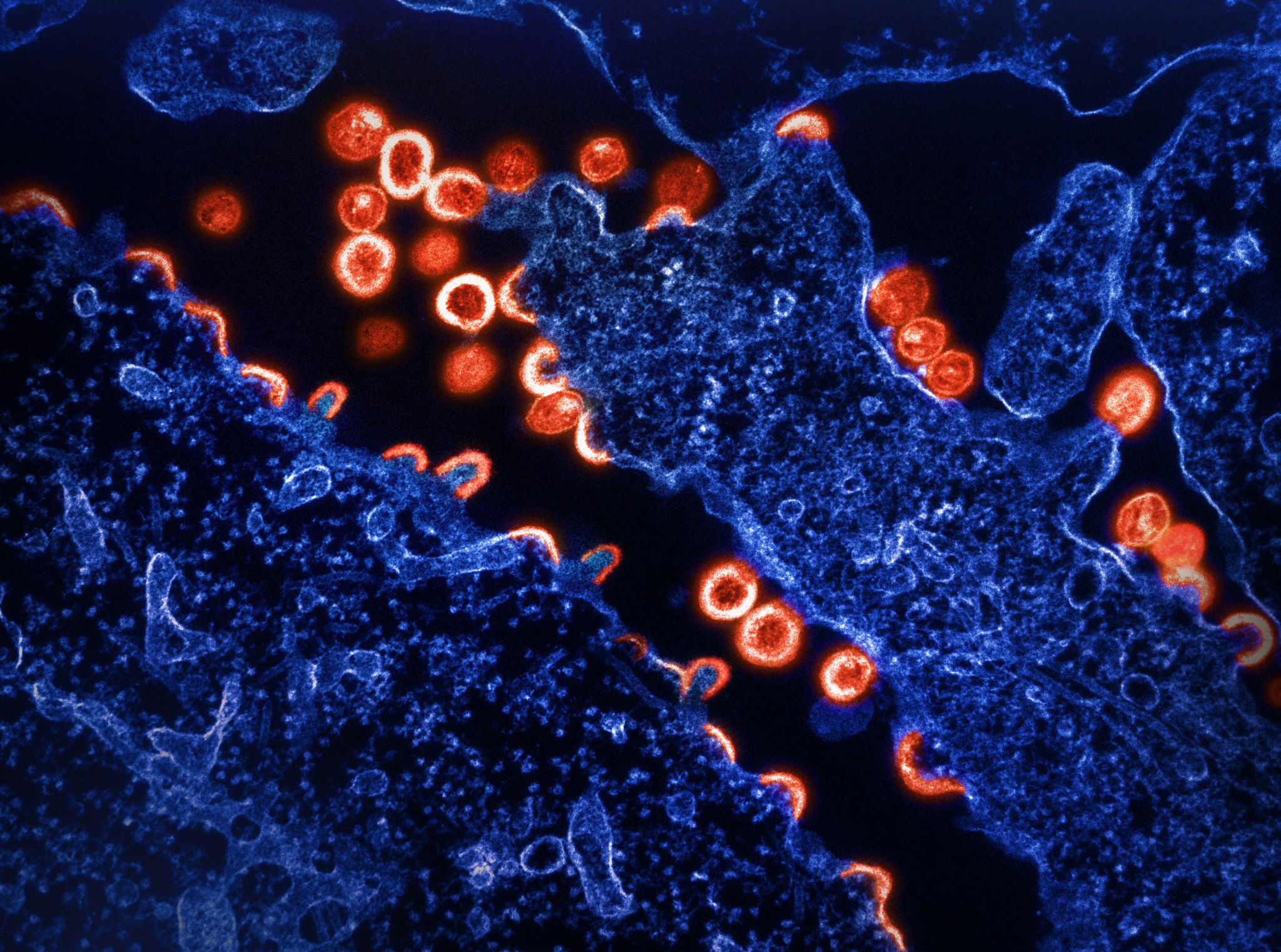
A small trial using mRNA technology, similar to COVID-19 vaccines, has shown promising results in producing potent, virus-blocking antibodies against HIV, especially when the vaccine encodes a membrane-anchored version of the virus's outer protein, marking a significant breakthrough in HIV vaccine development. However, challenges remain in ensuring broad protection and safety.
Nabla Bio is advancing towards the development of AI-generated antibodies, leveraging protein-making AI models that have already contributed to a $1 billion startup and a Nobel Prize win in 2024. This progress highlights the potential of AI in revolutionizing biotechnology and therapeutic development.
A study led by Chinese scientists has discovered that Immunoglobulin G (IgG), the most common antibody in humans, may significantly influence the ageing process. While IgG is essential for immune defense, its excessive accumulation can lead to cellular senescence and chronic inflammation, accelerating tissue ageing. The research, involving multiple institutions, highlights the dual role of IgG in immune protection and ageing, and was published in the journal Cell.
After decades of failures, researchers are renewing hopes for an effective HIV vaccine, with recent scientific advances showing promise in developing a highly effective vaccine against the virus. Despite facing a complex pathogen and numerous challenges, including the need to produce broadly neutralizing antibodies, recent studies have demonstrated progress in training the immune system and identifying potential vaccine components. Global collaboration and technological advances have improved precision in vaccine design, but efficacy trials may not launch until the 2030s. Nonetheless, experts believe that the field of HIV vaccine development is in a better place than ever before.
Researchers at the National Institutes of Health have discovered antibodies that target a hidden region of the influenza virus neuraminidase (NA) protein, known as the "dark side," which is common among many influenza viruses, including H3N2 subtype viruses. These antibodies could be a new target for countermeasures and have the potential to improve influenza vaccines and other treatments. The study suggests that antibodies targeting the NA dark side could be effective against influenza viruses with drug-resistant mutations and may be included in the next generation of broadly protective vaccines against influenza.
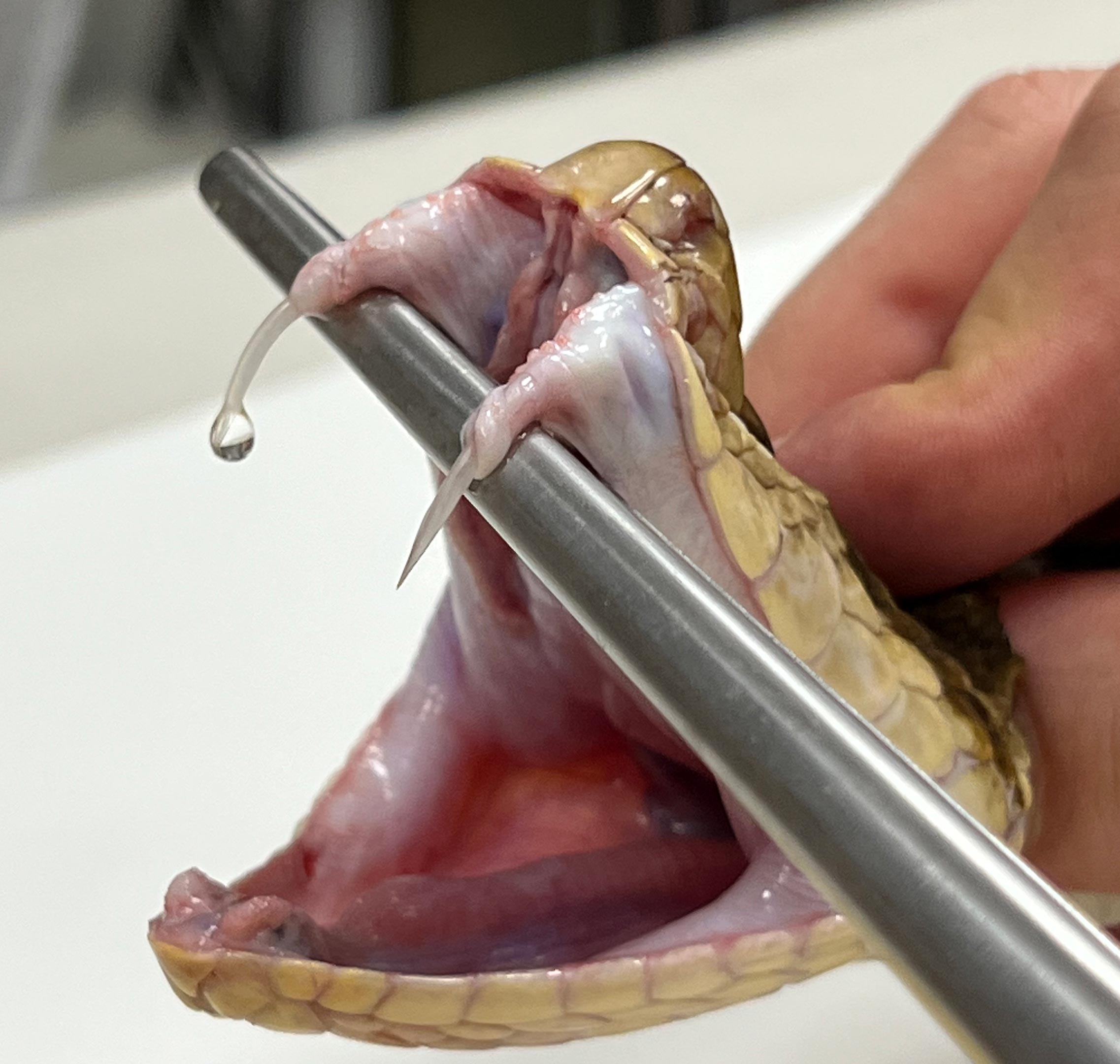
Scientists have developed a lab-made antibody, 95Mat5, that has shown promise in neutralizing toxins from a variety of venomous snakes, including cobras and mambas. This breakthrough could lead to the development of a universal antivenom that offers broad protection against snakebites, potentially saving thousands of lives annually. The research, led by scientists at Scripps Research, utilized a screening process to identify antibodies capable of neutralizing multiple snake toxins, and they are now working on developing additional antibodies for broader coverage against different snake species.
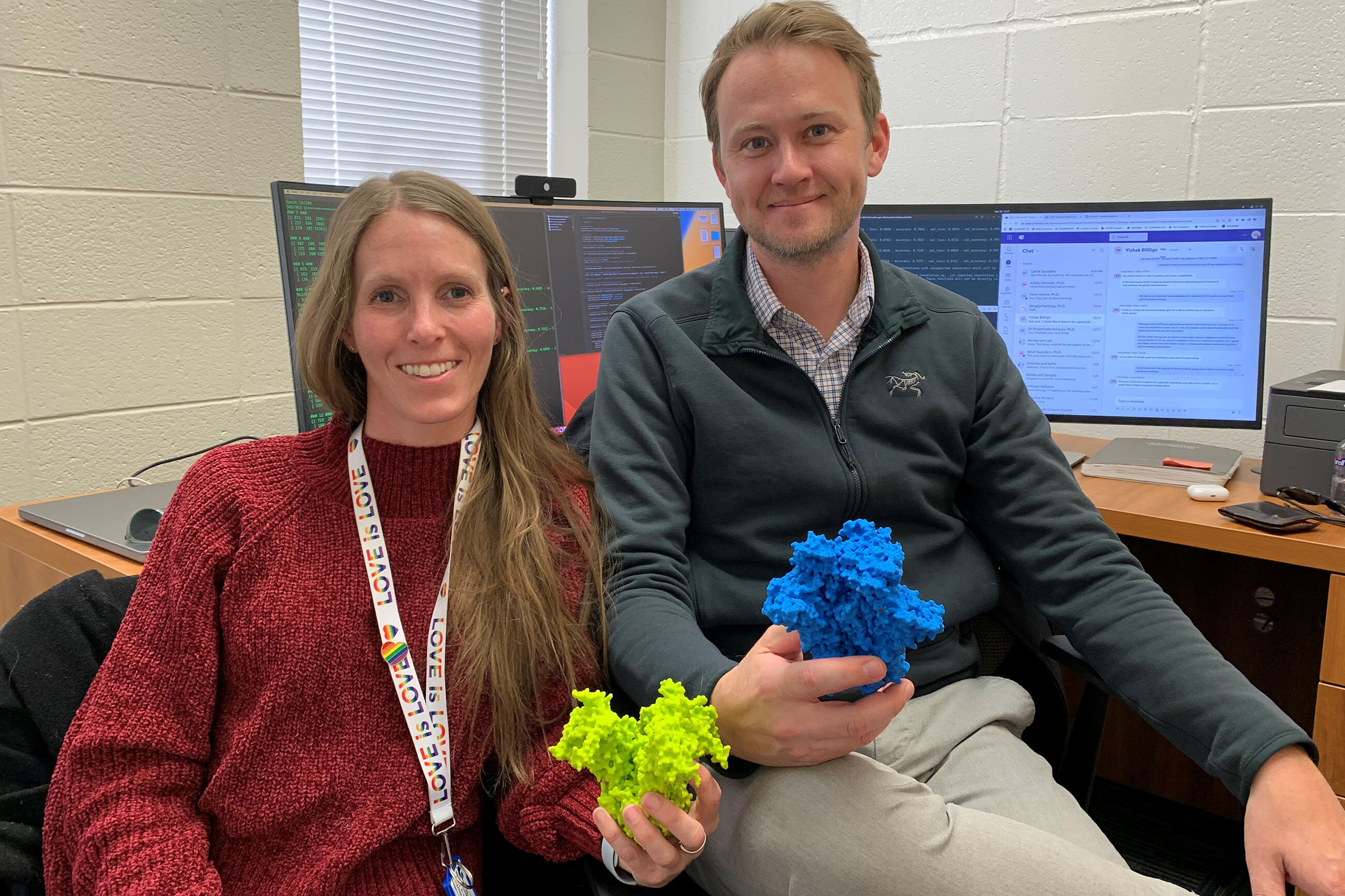
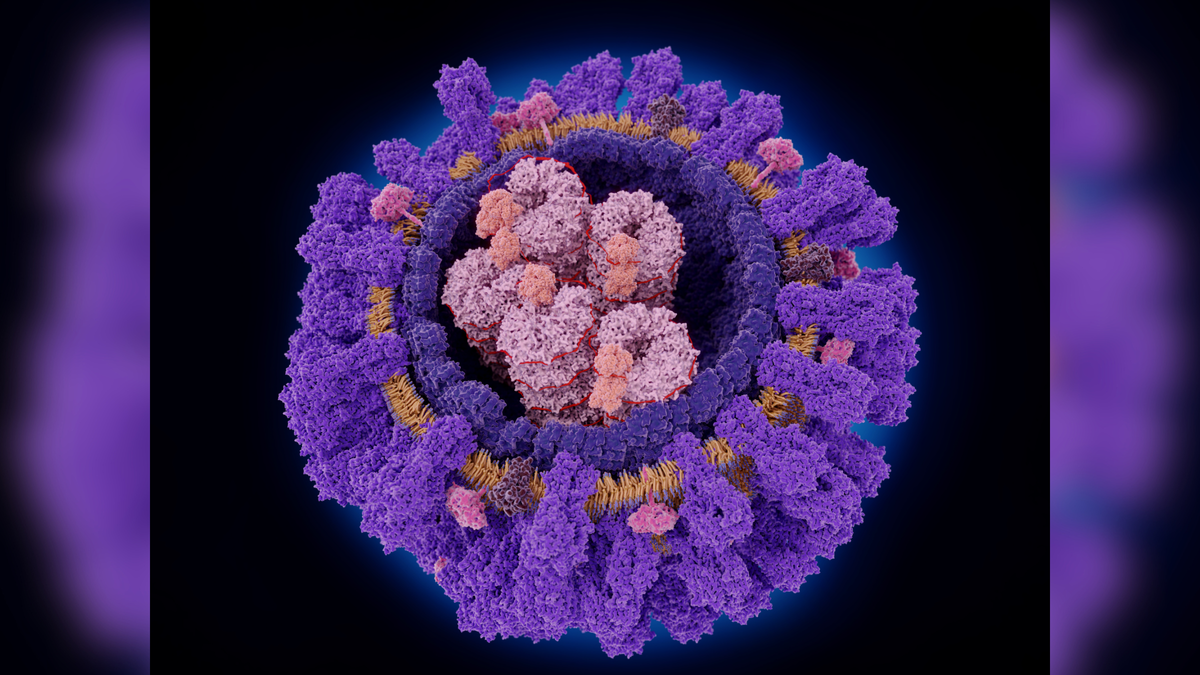
Researchers at the Duke Human Vaccine Institute have observed ultra-fast movements on the surface of the HIV virus, specifically a structure called envelope glycoprotein, which plays a crucial role in the virus's ability to infect human cells. This discovery could provide new insights for developing broadly neutralizing antibodies for an AIDS vaccine. By understanding the rapid movements of this structure, researchers hope to design immunogens that can effectively target and neutralize the virus, potentially leading to new strategies for HIV prevention and treatment.
Researchers at DTU discovered that an antibody, previously considered a promising antidote to snake venom, unexpectedly enhanced the venom's toxicity in certain testing conditions, shedding light on a phenomenon known as antibody-dependent enhancement of toxicity (ADET). This finding has significant implications for the development of broad-spectrum antivenoms and could potentially expedite the process of creating effective treatments for snakebites, which claim the lives of over 100,000 people annually. The study, published in Nature Communications, marks the first observation of ADET in connection with animal venoms and underscores the complexity of antibody behavior in combating toxins.
Three different HIV antibodies, including a human broadly neutralizing antibody and two antibodies isolated from previously vaccinated monkeys, have been shown to protect monkeys from acquiring simian-HIV (SHIV) in a proof-of-concept study. The antibodies target the fusion peptide, a site on an HIV surface protein that helps the virus fuse with and enter cells. This study, led by the Vaccine Research Center at the National Institute of Allergy and Infectious Diseases, demonstrates that fusion peptide-directed antibodies can provide protection against SHIV and may inform the development of a preventive HIV vaccine for humans.
Scientists have discovered a new class of antibodies in human blood that can neutralize different types of the flu virus, potentially leading to the development of broadly protective vaccines against seasonal flu. These antibodies target multiple forms of the influenza A virus, including subtypes H1N1 and H3N2, and have the potential to provide broad protection against different strains of the virus. This discovery could pave the way for more effective flu vaccines that do not need to be updated annually.