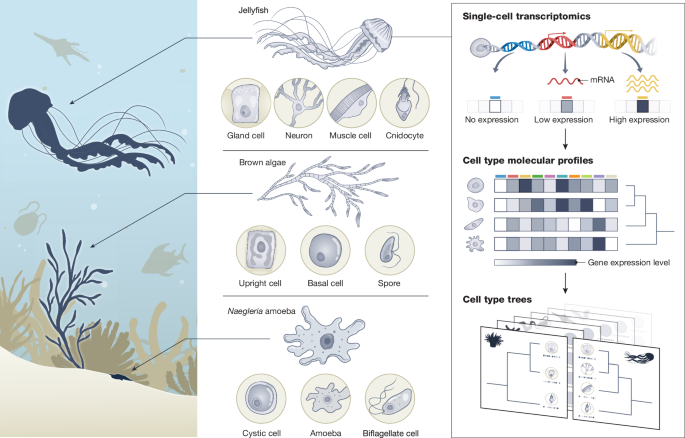
The article discusses the development of the Biodiversity Cell Atlas, a comprehensive mapping of the tree of life at cellular resolution, utilizing advanced single-cell sequencing and multi-omic techniques to understand cellular diversity and evolution across species.
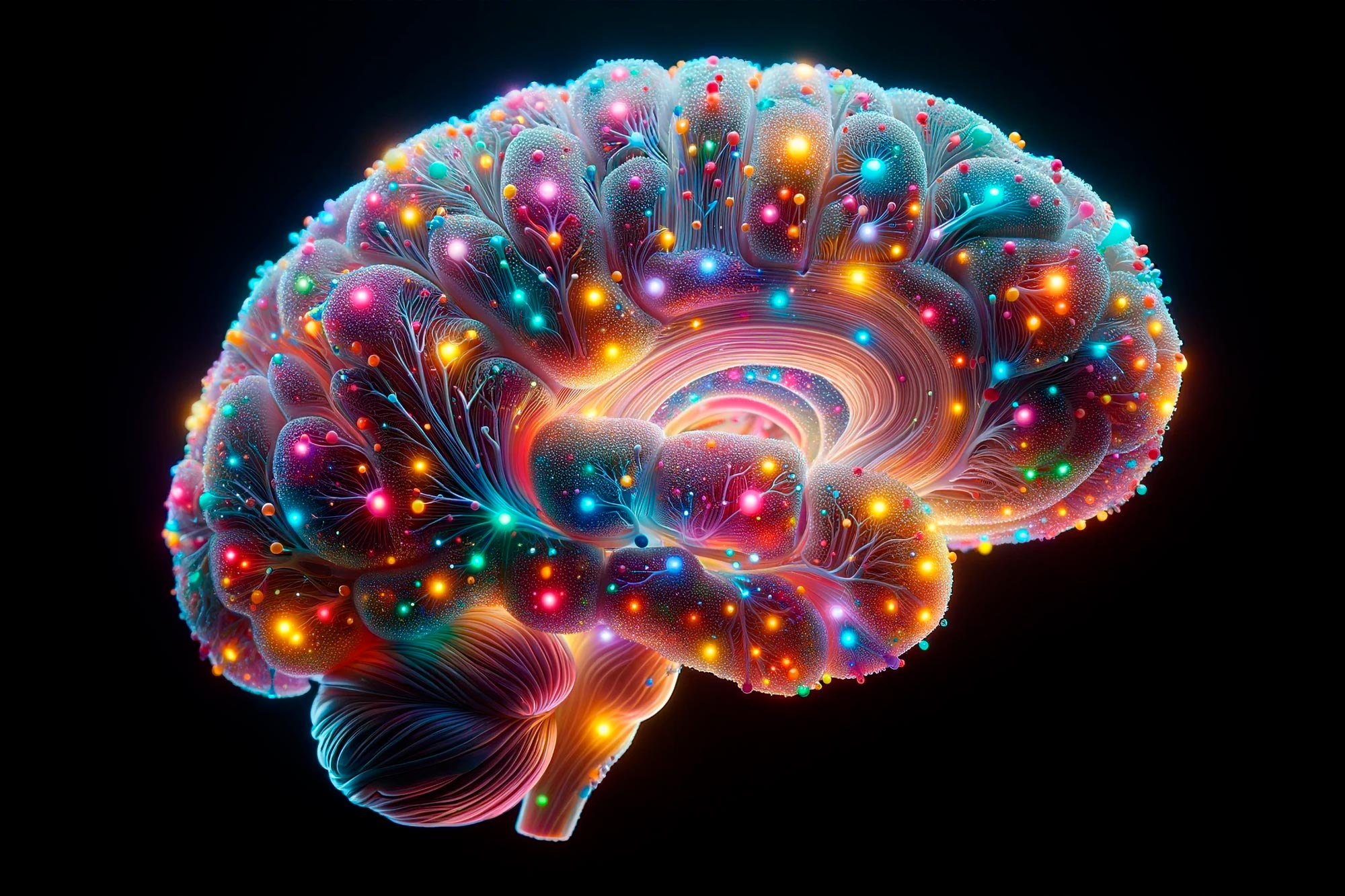
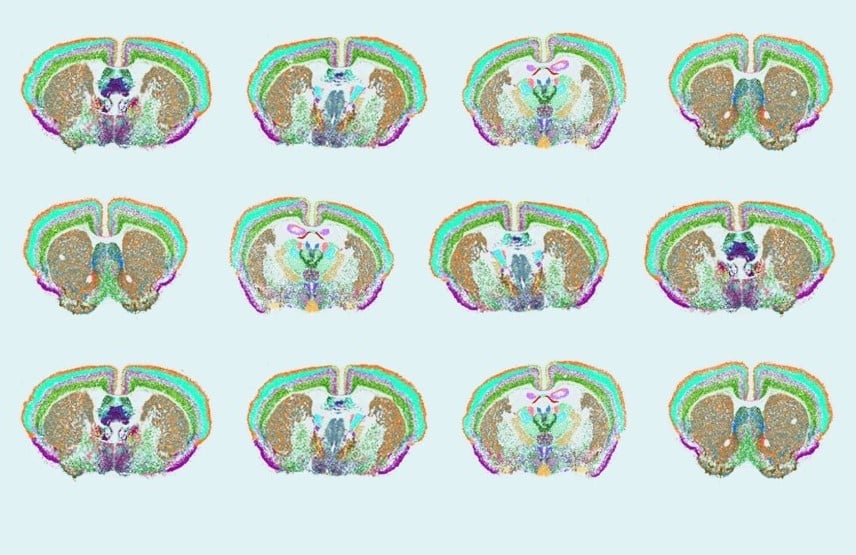
Researchers have created the first comprehensive cell atlas of a mammalian brain, mapping over 32 million cells in the mouse brain. This atlas, part of the NIH BRAIN Initiative, offers unprecedented insights into brain cell types and connections, advancing our understanding of the human brain and aiding in developing new treatments for brain disorders.
Researchers have created the first complete cell atlas of a mammalian brain, specifically a mouse, providing detailed information on over 32 million cells, their types, locations, molecular profiles, and connectivity. This breakthrough offers a foundational map for understanding human brain functions and developing precision therapies for mental and neurological disorders. The atlas encompasses structural, transcriptomic, and epigenetic data, providing a blueprint for brain circuit operations and functioning. The findings were funded by the NIH BRAIN Initiative® and published in 10 papers in Nature.
Scientists have created a complete cell atlas of a whole mammalian brain, specifically the mouse brain, providing detailed information on the type, location, and molecular characteristics of over 32 million cells. This atlas serves as a map for understanding the human brain and lays the foundation for the development of precision therapeutics for mental and neurological disorders. The atlas includes information on cell structure, transcriptome, and epigenome, as well as neurotransmitters and neuropeptides used by different cells. The findings were funded by the NIH's BRAIN Initiative and published in Nature. The next step is to complete cell maps of the human brain and nonhuman primate brain.
Scientists have created a complete cell atlas of a whole mammalian brain, specifically the mouse brain, providing detailed information on the type, location, and molecular characteristics of over 32 million cells. This atlas serves as a map for understanding the complex organization and connectivity of cells in the brain, paving the way for a better understanding of the human brain and the development of precision therapeutics for mental and neurological disorders. The findings were funded by the National Institutes of Health's BRAIN Initiative and published in Nature.
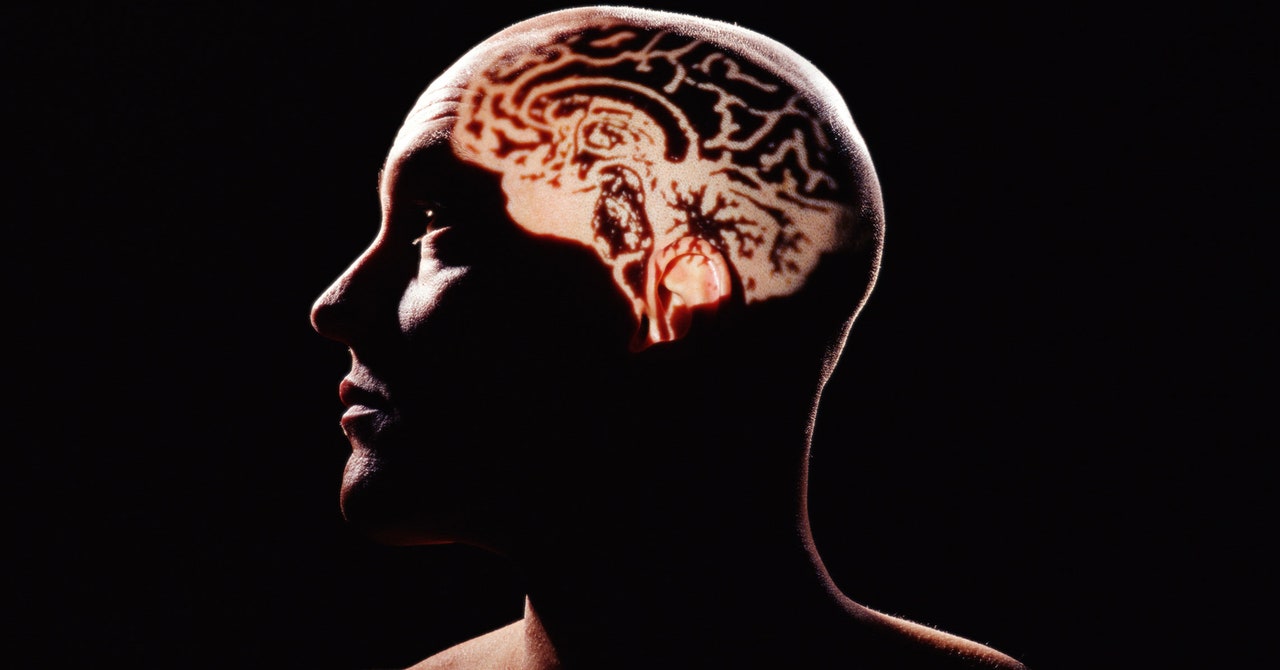
An international team of researchers has published a highly detailed atlas of human brain cells, providing unprecedented insight into the diversity of neurons and the complexity of the human brain. The atlas, part of the BRAIN Initiative's Cell Census Network, identifies over 100 distinct cell types across 42 brain regions, shedding light on the cellular complexity of the brain and its potential implications for understanding brain function and disorders. The findings pave the way for personalized treatments for brain disorders and offer new opportunities for drug discovery and clinical research.
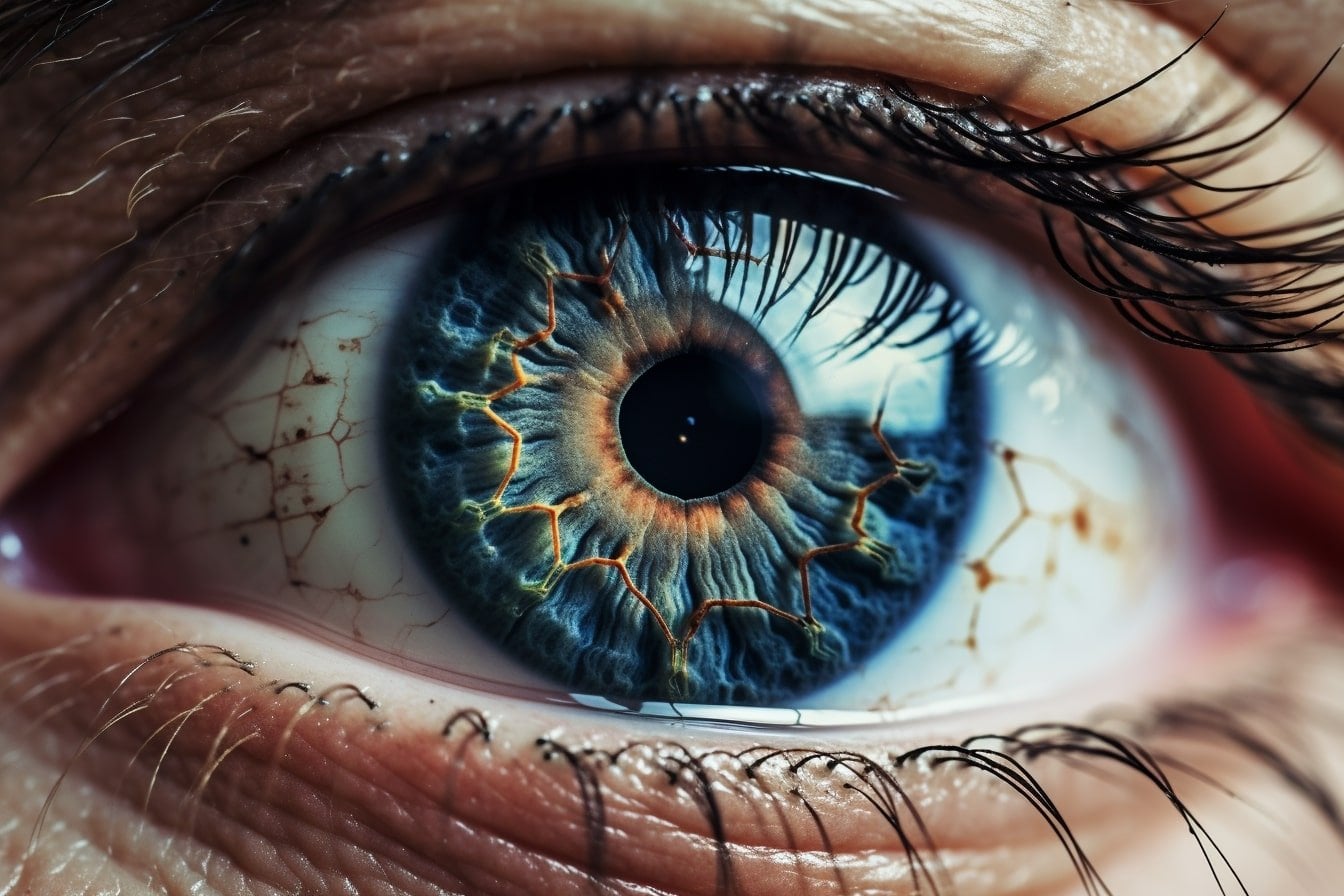
Researchers at Harvard have created a comprehensive "cell atlas" of the human eye, identifying nearly 160 unique cell types and the genes expressed by each cell type. This groundbreaking atlas could revolutionize treatments for blinding diseases like glaucoma and macular degeneration by enabling highly targeted gene therapies. The study also offers insights into the evolution of human vision. The researchers analyzed 151,000 single cells across different eye structures, mapping the expression of over 180 genes associated with glaucoma. The atlas provides a blueprint for understanding which cell types express disease-associated genes and where they are expressed, informing both therapies for blindness and our understanding of vision's evolution.
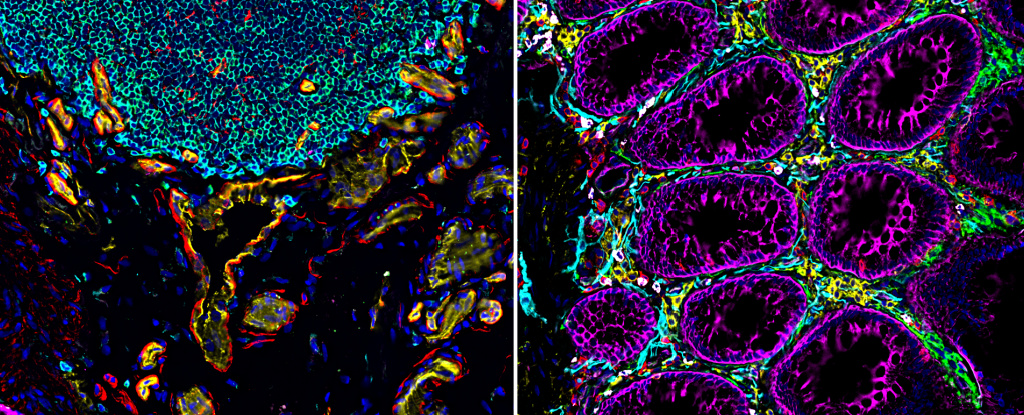
Scientists have created detailed cell atlases of the placenta, intestine, and kidney, providing new insights into human biology and disease. Using various imaging techniques, researchers mapped the interactions between placental cells and the mother's immune cells and arteries, revealing how they coexist during pregnancy. In the intestine, distinct neighborhoods of immune cells and new subtypes of epithelial cells were discovered, potentially shedding light on inflammatory bowel diseases and mood disorders. In the kidney, communication channels between cells were identified, offering potential targets for preventing or treating kidney diseases. These findings pave the way for further research and drug development.