
Meditation May Push the Brain Toward an Optimal Balance of Chaos and Order
TL;DR Summary
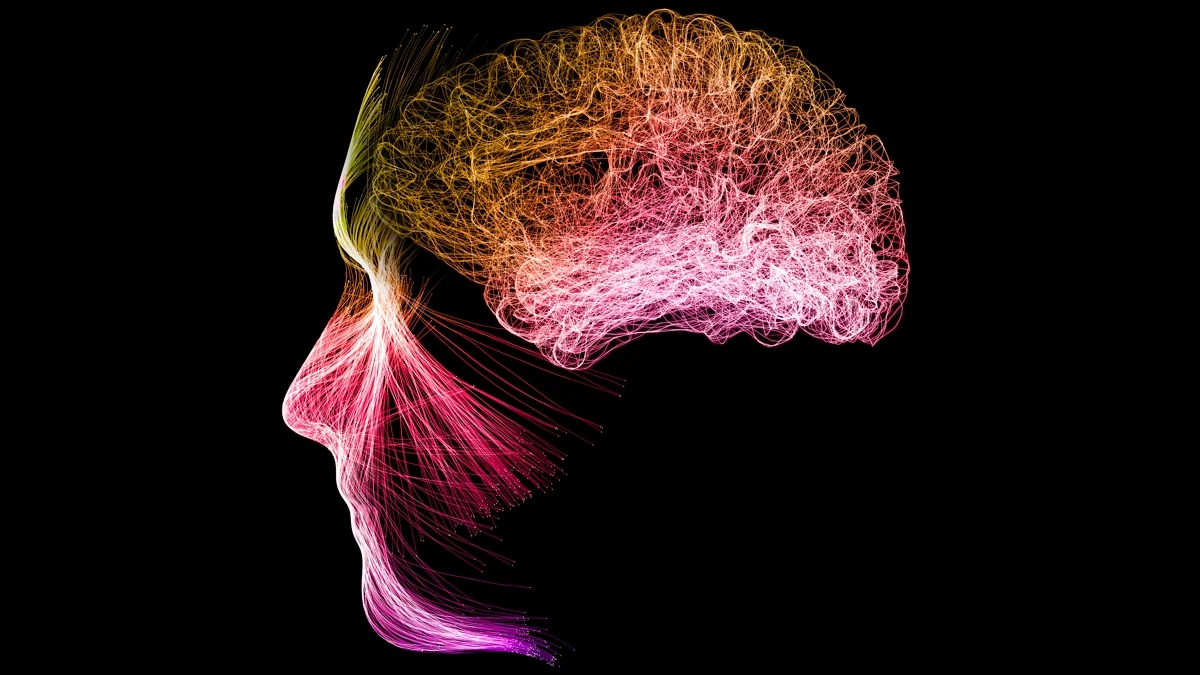
A small MEG study of 12 Theravada monk meditators finds two meditation methods shape brain activity differently: Samatha yields a stable, focused state, while Vipassana nudges the brain toward 'criticality'—an optimal balance between chaos and order that may enhance information processing and learning. Experienced meditators show brain activity closer to resting patterns, gamma oscillations can decrease (suggesting less external processing), and some practitioners report anxiety or other drawbacks. The findings contribute to understanding how meditation reshapes neural dynamics and were published in Neuroscience of Consciousness (2025).
Reading Insights
Total Reads
1
Unique Readers
3
Time Saved
4 min
vs 5 min read
Condensed
91%
967 → 86 words
Want the full story? Read the original article
Read on ScienceAlert