Tag

Body Fat

All articles tagged with #body fat

health7 days ago

Blood Caffeine Levels Linked to Body Fat and Diabetes Risk, Study Finds

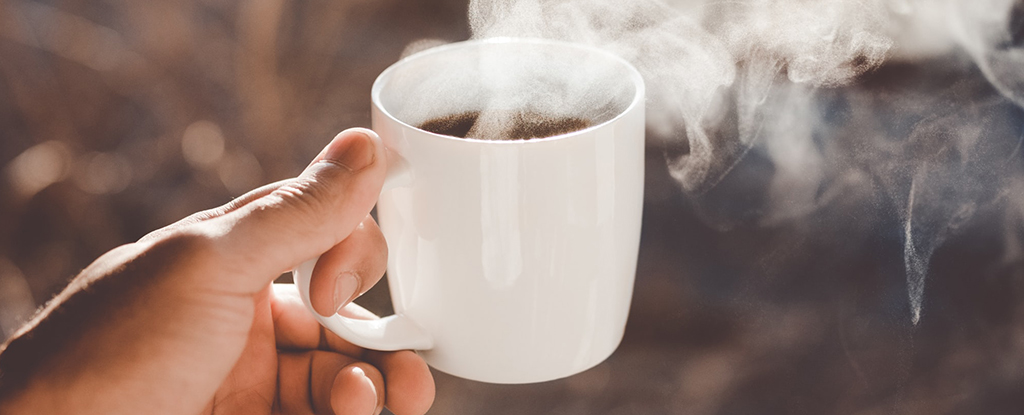
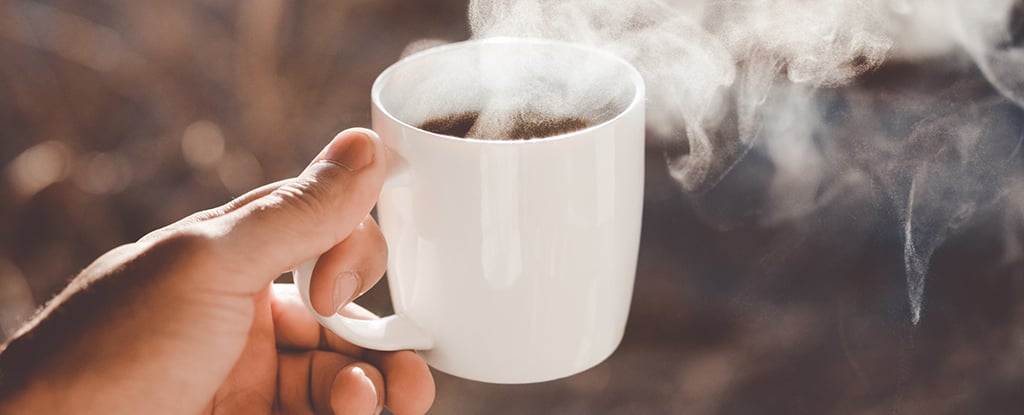
A 2023 study suggests that higher caffeine levels in the blood, influenced by genetic factors, are associated with lower body fat and a reduced risk of type 2 diabetes, though no link was found with cardiovascular diseases. The findings indicate potential benefits of caffeine in metabolism and weight management, but further research is needed to confirm causality and long-term effects.


health-and-fitness3 months ago

My Experience with an Hourglass-Shaping Workout

A personal trainer reviews Olivia Lawson's 30-minute 'Hourglass' workout, finding it to be a comprehensive full-body routine that effectively targets major muscle groups, though it may aggravate lower back issues and requires modifications for some exercises. The workout can help build strength and improve body composition but won't necessarily create an hourglass shape without proper genetics and low body fat.

health-and-fitness1 year ago

"Experts: Getting Abs Takes Longer Than 30 Days"

Getting visible abs takes time and dedication, involving a combination of healthy eating and stomach-strengthening exercises. It's not possible to achieve visible abs in just 30 days, as excess body fat must be reduced first. Men typically need a body fat percentage below 10-15% and women below 15-20% for abs to be visible. Depending on factors like body weight, genetics, and lifestyle, it may take 3 to 6 months or longer to start seeing noticeable changes in abdominal definition. Other lifestyle factors such as stress, sleep quality, and genetics also play a role in obtaining visible abs.

health-and-science1 year ago

Study Links Caffeine Levels in Blood to Body Fat and Diabetes Risk

A 2023 study found that caffeine levels in the blood are linked to body fat levels, which in turn affect the risk of developing type 2 diabetes and cardiovascular diseases. The research, using genetic markers, suggests that higher plasma caffeine concentrations are associated with lower BMI and reduced risk of type 2 diabetes. However, no direct link was found between caffeine levels and cardiovascular diseases. While previous studies have shown some positive effects of caffeine on weight and fat mass reduction, more research is needed to confirm cause and effect, and to understand the long-term effects of caffeine intake.

health-and-wellness1 year ago

"Overcoming Weight Loss Challenges: 5 Key Insights"

Losing weight and keeping it off is difficult due to our evolutionary programming to store fat for survival, leading to a mismatch with our modern sedentary lifestyle. Paleoanthropologist Daniel Lieberman emphasizes the importance of body fat for humans and the challenges of intentional weight loss. He advises understanding the necessity of fat, not blaming oneself for weight fluctuations, and recognizing the impact of dieting on the body's natural responses. Lieberman also highlights the significance of both exercise and diet for weight management and the need to adapt our environment to support healthier choices.

health2 years ago

"The Science Behind Feeling Colder as We Age"

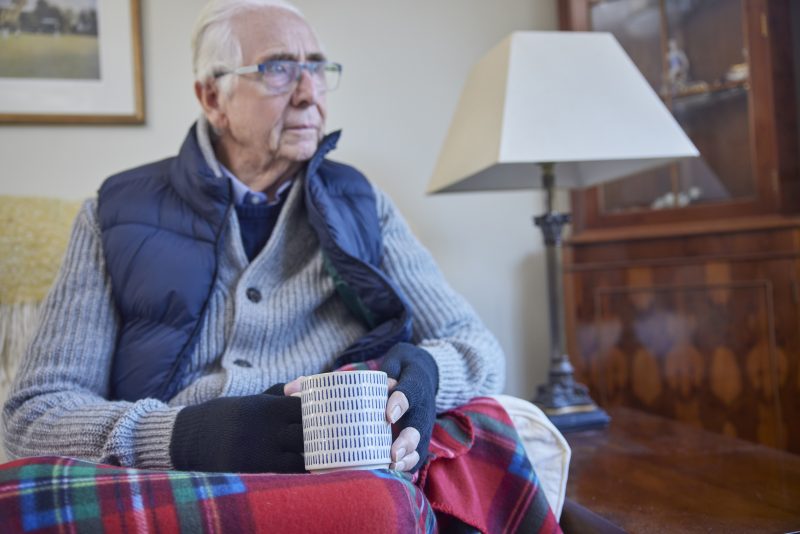
As we age, we tend to feel colder due to factors such as thinner skin, decreased body fat and muscle mass, and reduced circulation. Staying active, maintaining muscle mass, and staying hydrated can help counteract this effect. Dressing appropriately for the weather is also important, especially for older adults who are more prone to frostbite. Major temperature changes in the 70s and 80s may indicate underlying medical conditions, so it's important to consult a doctor if experiencing temperature intolerances.

health2 years ago

"Dietary Impact on Dementia: Unveiling the Brain-Belly Fat Connection"

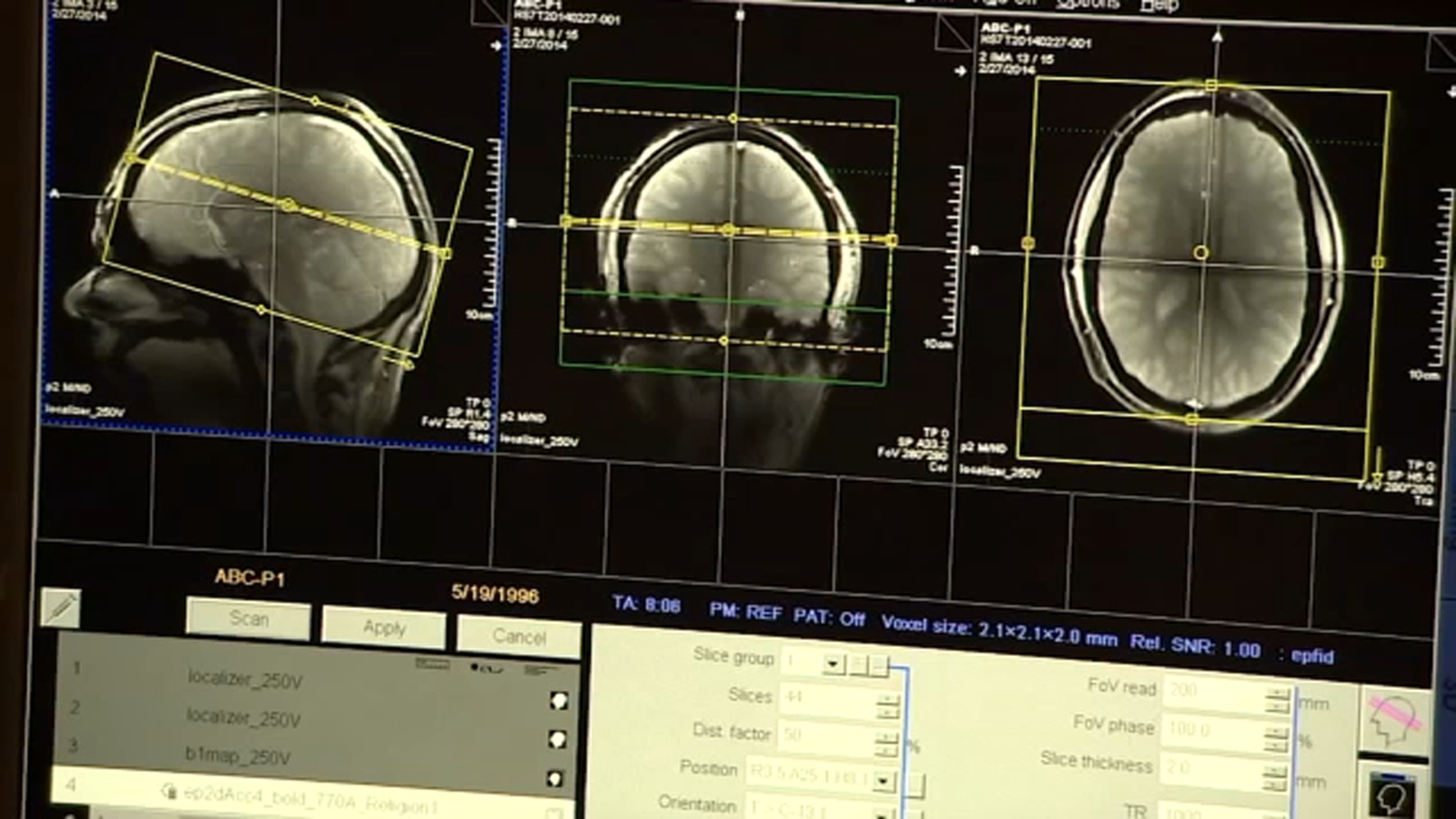
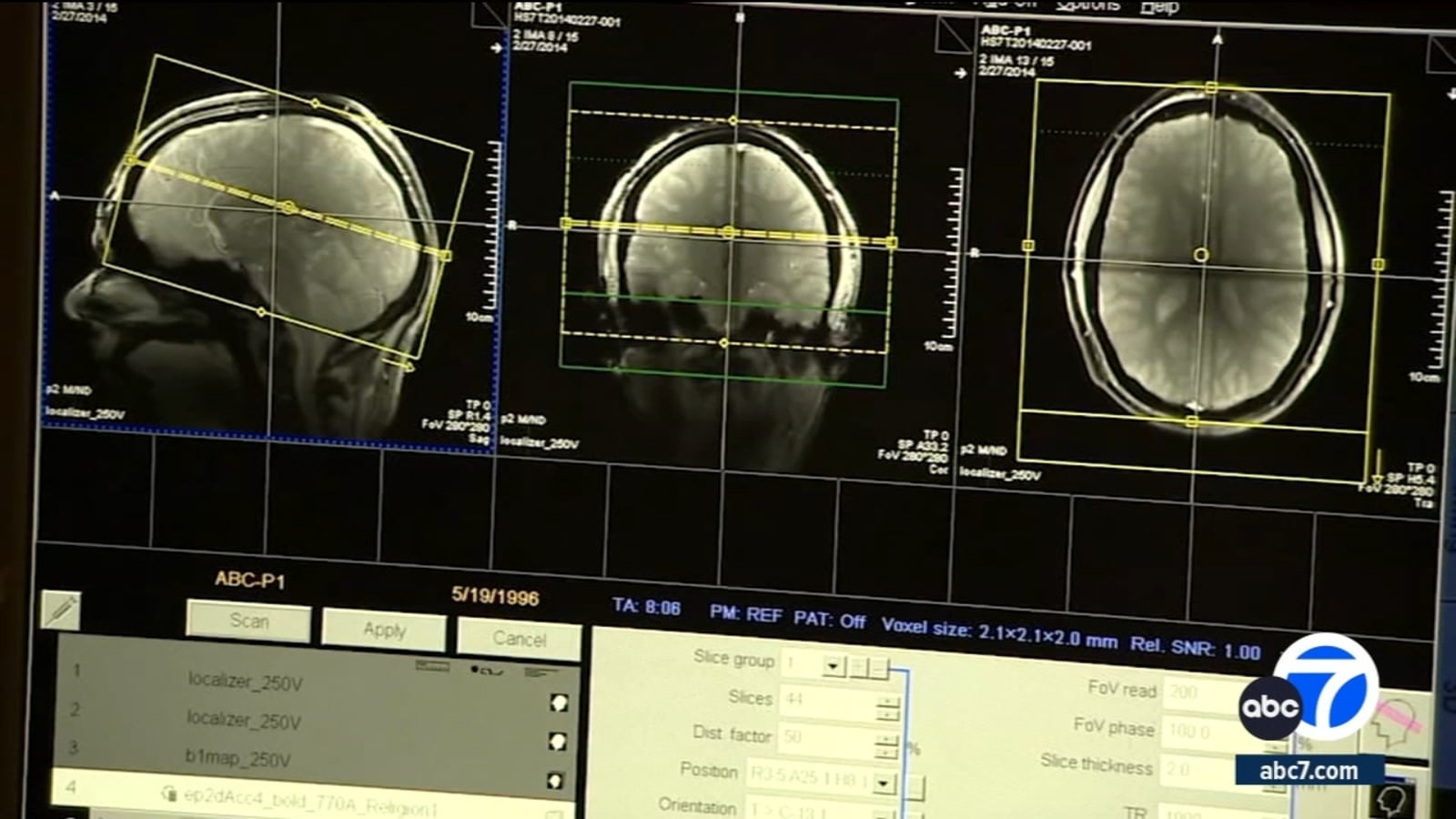
A new study confirms a link between body fat and reduced brain volume, increasing the risk of dementia later in life. The effect is most pronounced in individuals aged 20-39, and women experience a higher correlation between increased abdominal fat and lower brain volume compared to men. Lifestyle changes, including a nutritious diet and regular exercise, can help slow cognitive decline and potentially reverse brain shrinkage. Making conscious choices to nourish both the body and the brain may have a positive impact on brain health.

health2 years ago

Dietary Choices and Cognitive Health: Insights for Women's Brain Health

A new study confirms a link between body fat and reduced brain volume, increasing the risk of dementia later in life. The effect is most pronounced in individuals aged 20-39, and women experience a higher correlation between increased abdominal fat and lower brain volume compared to men. Lifestyle changes, including a nutritious diet and regular exercise, can help slow cognitive decline and potentially reverse brain shrinkage. Making conscious choices to nourish both the body and the brain may have a positive impact on brain health.

health-and-wellness2 years ago

"Study reveals Mediterranean diet and exercise as effective in reducing belly fat"

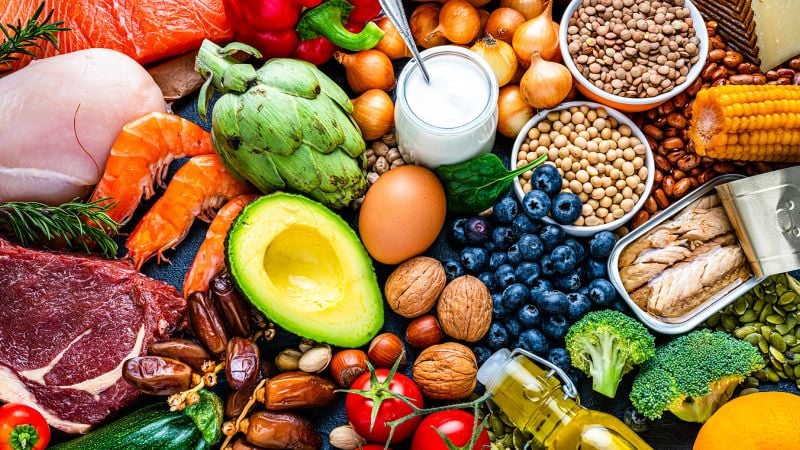
Older individuals who followed a lower-calorie Mediterranean diet and engaged in minimal exercise up to six days a week experienced a reduction in dangerous visceral belly fat, which is associated with diabetes, heart disease, and stroke. The study, part of an eight-year clinical trial, found that participants who followed the diet and exercise regimen gained muscle and lost significant body fat, with the benefits lasting for three years. The Mediterranean diet, characterized by plant-based cooking, fruits and vegetables, whole grains, and olive oil, has been linked to various health benefits, including reduced risk of chronic diseases.

health2 years ago

Study Reveals Link Between Caffeine Levels and Body Fat & Diabetes Risk

A study conducted by researchers from the Karolinska Institute, the University of Bristol, and Imperial College London has found that the levels of caffeine in the blood can impact body fat and the risk of developing type 2 diabetes and cardiovascular diseases. The study used genetic markers to establish a link between caffeine levels, BMI, and diabetes risk. The researchers suggest that calorie-free caffeinated drinks could potentially help reduce body fat levels. However, more research is needed to confirm cause and effect, as well as to understand the long-term effects of caffeine intake.

health2 years ago

Study reveals artificial sweeteners may contribute to higher body fat levels

A study conducted by researchers from the University of Minnesota Medical School and School of Public Health found that long-term consumption of aspartame, saccharin, and diet beverages, which contain artificial sweeteners, was associated with increased body fat stores in the abdomen and fat within muscle. However, there was no significant association found between the artificial sweetener sucralose and these measures of fat volume. The findings raise concerns about the recommendations to replace added sugars with artificial sweeteners and suggest the need for alternative approaches due to potential health consequences. Further research is needed to better understand the connection between artificial sweetener intake and increased body fat.

health-and-fitness2 years ago

"Effortless Fat Loss: 5 Steps to Achieve 10% Body Fat and Get Shredded"

Dr. Mike Diamonds, a retired medical doctor turned fitness coach and YouTuber, shares 5 simple steps to drop down to 10% body fat and get shredded. The steps include intermittent fasting, cardio routine, weight training, adequate sleep, and simple supplementation. While maintaining a low body fat percentage can have several health benefits, it's important to consult with a healthcare professional to determine a healthy body fat percentage for individual needs. Sustainable fat loss requires making long-term healthy lifestyle changes rather than relying on quick-fix solutions.

health2 years ago

AMA Recommends Additional Tests Instead of BMI for Doctors.

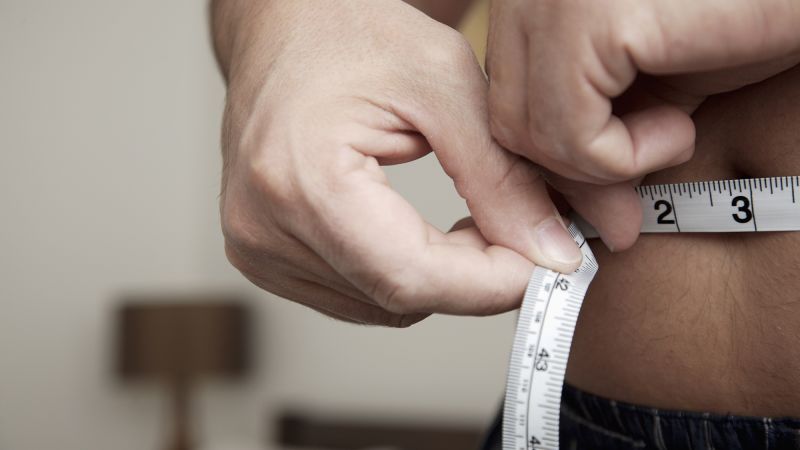
The American Medical Association (AMA) has acknowledged the limitations of using the body mass index (BMI) as a measure of health risk, citing its racial bias and other significant limitations. The AMA recommends that doctors use other tests, such as measurements of visceral fat, body composition, waist circumference, and genetic factors, in conjunction with BMI to determine the best care for their patients. The AMA also suggests that doctors use other tests to diagnose obesity and measure health risks instead, including measuring waist-to-hip ratio, using skinfold calipers, or, if the technology is available, underwater weighing.

fitness2 years ago

"Daily Strength Exercises for Men's Fitness"

Matthew Maddox, VP of sales and operations training for BODY20, recommends performing strength work a minimum of three to five times a week as you age to maintain a fit, muscular physique. Maddox shares five daily strength exercises for men to stay fit, which include working out for at least 45 to 60 minutes. Incorporating EMS training at BODY20 just once a week for 20 minutes can also help recruit up to 36,000 muscle contractions in minimal time.