Tag

Cannabinoids

All articles tagged with #cannabinoids

science5 days ago

Scientists Uncover Ancient Origins of THC, CBD, and CBC

Scientists have reconstructed ancient enzymes from early cannabis relatives, revealing how the plant evolved to produce cannabinoids like THC and CBD. These findings provide insights into cannabis evolution and offer new biotechnological tools for producing medicinal cannabinoids more efficiently, including a specific enzyme that could lead to cannabis varieties with higher CBC content for medical use.

health1 year ago

Study Confirms Cannabinoids Relieve MS Spasticity

A meta-analysis of 31 studies suggests that cannabinoids, particularly nabiximols, can effectively reduce spasticity in multiple sclerosis (MS) patients, though responses vary. While nabiximols is approved in Canada and Europe for MS spasticity, the safety and efficacy of cannabis-based treatments remain unclear, necessitating larger studies. The analysis found significant reductions in spasticity using the MS spasticity Numerical Rating Scale and the Ashworth Scale, but results differed due to varying study criteria and definitions.

health1 year ago

CBG: Emerging Cannabis Compound Shows Promise in Cancer and Pain Treatment

A new review highlights the therapeutic potential of cannabigerol (CBG), a lesser-known cannabinoid, in treating various conditions such as cancer, pain, and inflammatory disorders. The study, published in the journal Molecules, suggests CBG's unique molecular mechanisms and interactions with cannabinoid and other receptors could offer diverse therapeutic applications, including neuroprotection and antibacterial effects. While promising, further research, including human trials, is needed to fully understand CBG's potential and its synergy with other cannabinoids.

health-policy1 year ago

"Federal Health Officials Discuss Marijuana Rescheduling Amid DEA Absence"

Federal health officials discussed the implications of marijuana research and potential rescheduling of cannabis from Schedule I to Schedule III, highlighting the ongoing challenges and uncertainties for researchers. Despite the absence of a DEA official, the conference emphasized the need for clearer regulations to facilitate cannabis studies, with hopes that rescheduling will ease research barriers.

health2 years ago

"InMed's Groundbreaking Research Shows Promise in Alzheimer's Treatment with Rare Cannabinoid"

InMed Pharmaceuticals has launched a new drug development program called INM-901, which utilizes a rare cannabinoid analog to potentially treat Alzheimer's disease. Early research suggests that the analog can target biological pathways associated with Alzheimer's, providing neuroprotection to brain neurons and improving neuronal function. In vivo studies have shown that INM-901 improves cognitive function, memory, locomotor activity, and neuronal function. InMed is also exploring the use of rare cannabinoids in treating dermatology, ocular conditions, and other therapeutic applications. The potential of cannabinoids, including the one discovered by InMed, could offer a breakthrough in Alzheimer's treatment and provide relief to patients and their families.

health2 years ago

"Scientists Disprove Psychedelic Cannabinoid Claims, Warning People to Be Cautious"

A recent study conducted by researchers at the University at Buffalo debunks claims that THC-O-acetate, a cannabinoid derived from delta-8 THC, induces significant psychedelic experiences. The study warns of potential health concerns due to the acetate composition of THC-O-acetate, which can produce toxic gas when heated and may be contaminated in products. The researchers urge caution as THC-O-acetate gains popularity and emphasize the need for more research and regulation in the cannabis industry to ensure product safety.

health2 years ago

The Hidden Truth: Disappointing Results for Consumers of HHC-Infused Cannabis Products

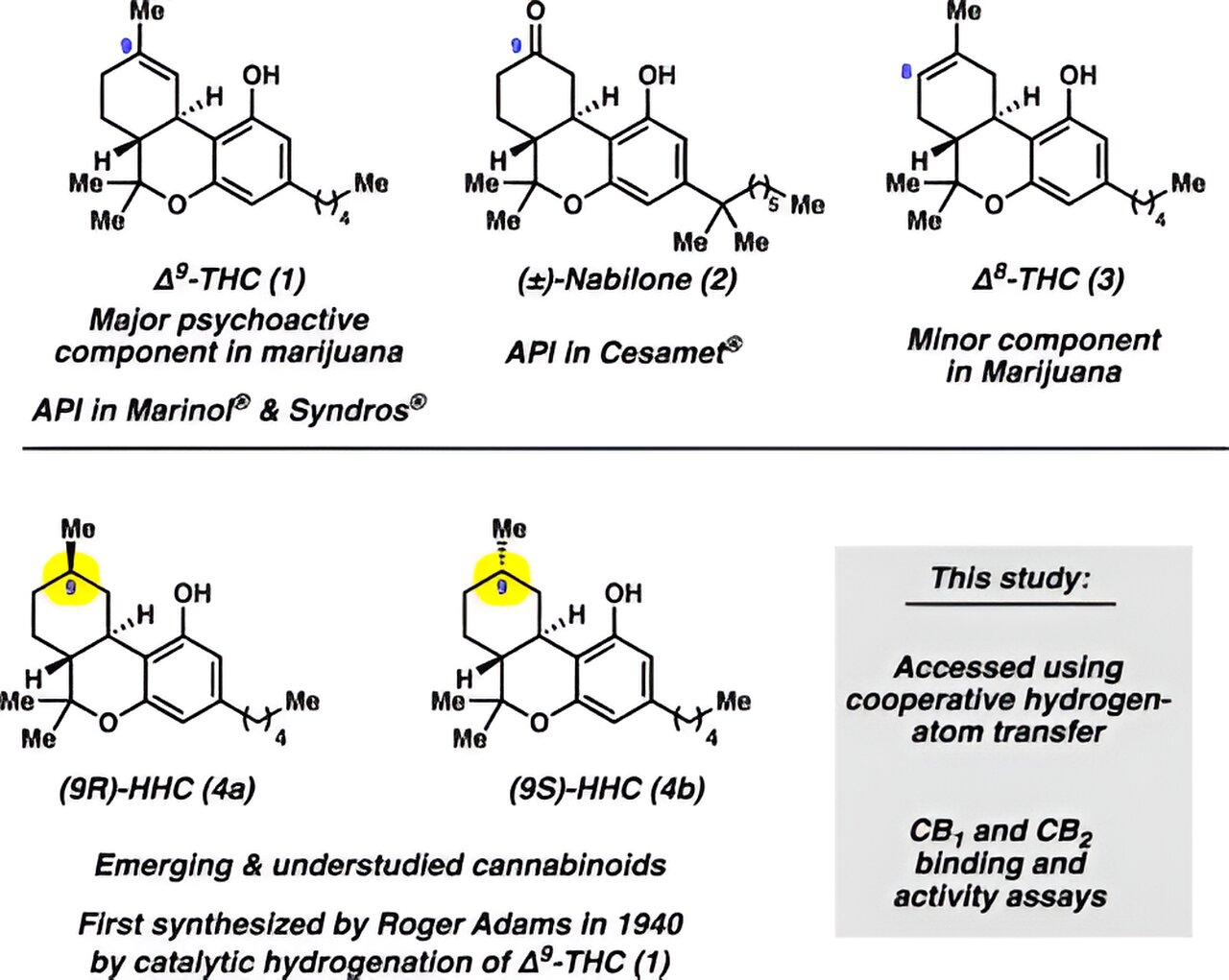
The increasing availability of cannabis products containing emerging cannabinoids called hexahydrocannabinols (HHCs) has raised concerns about their safety and efficacy. A study by UCLA chemist Neil Garg and colleagues examines the binding properties of HHCs to cannabinoid receptors in the human body. The research reveals that only one isomer of HHC binds as effectively as THC, suggesting it has comparable effects. However, commercially available HHC products often contain inconsistent ratios of the two isomers, resulting in varying levels of the biologically active compound. Garg and his team have developed a safer method for synthesizing HHCs that yields higher amounts of the desired isomer. The study highlights the need for further research on cannabinoids to ensure consumer safety and inform evidence-based regulations.

science2 years ago

"African Herb: The Next Frontier in Medical Cannabis?"

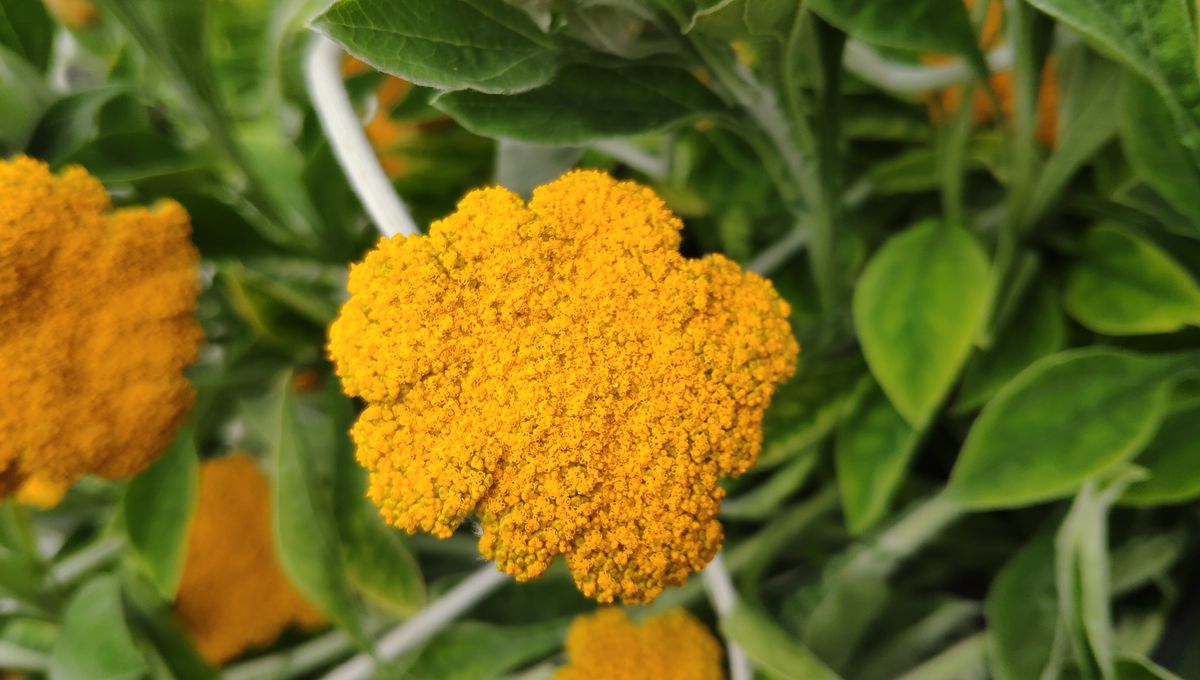
The woolly umbrella, a South African flowering plant that smells like curry, has been found to produce over 40 cannabinoids, including CBG, a cannabinoid that has shown promise as a treatment for neurological disorders, colon cancer, and various other medical conditions. Unlike cannabis, the woolly umbrella doesn't produce THC or CBD, making it a commercially viable plant source for bioactive cannabinoids. Researchers have developed tools for sustained production of these compounds, which could help explore their enormous therapeutic potential.

health2 years ago

Non-cannabis plant may hold key to pain relief and cannabinoid biosynthesis.

Researchers at the Weizmann Institute of Science in Israel have identified more than 40 cannabinoids in a South African plant called the woolly umbrella, which is unrelated to the cannabis plant. The plant produces cannabinoids that could have new medical uses, including pain relief, nausea, anxiety, and epileptic seizures. The researchers have developed tools for the sustained production of these cannabinoids, which could help explore their enormous therapeutic potential. The study's findings might even lead to engineering cannabinoids that don't exist in nature, designed to achieve specific therapeutic benefits.

science2 years ago

Cannabis Experiment Reveals Worms Get the Munchies Too

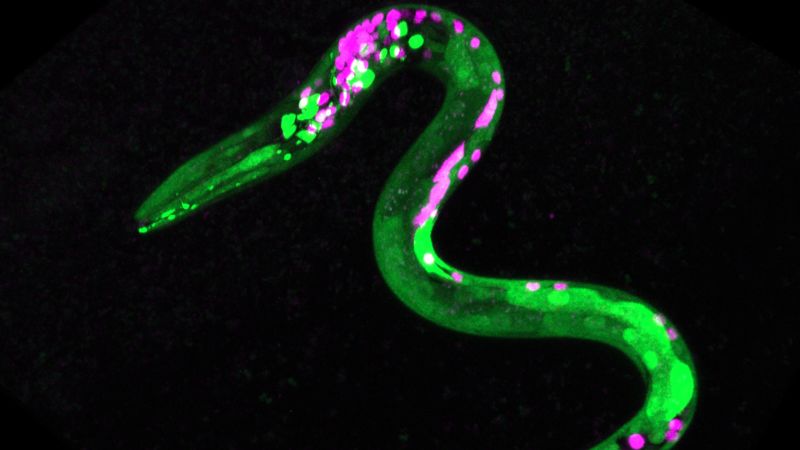
Researchers at the University of Oregon soaked tiny nematode worms in cannabinoids and found that the active substances in weed made them hungrier for their favored foods and less hungry for their non-favored food, revealing that the worms engage in hedonic feeding, a phenomenon more commonly known as the munchies. The worms fed on different types of bacteria, and the cannabinoids increased how much of a particular bacteria blend the worms ate, making them hungrier. The research had the potential to accelerate the discovery of new medications for metabolic disorders, including obesity.