Tag

Blood Type

All articles tagged with #blood type

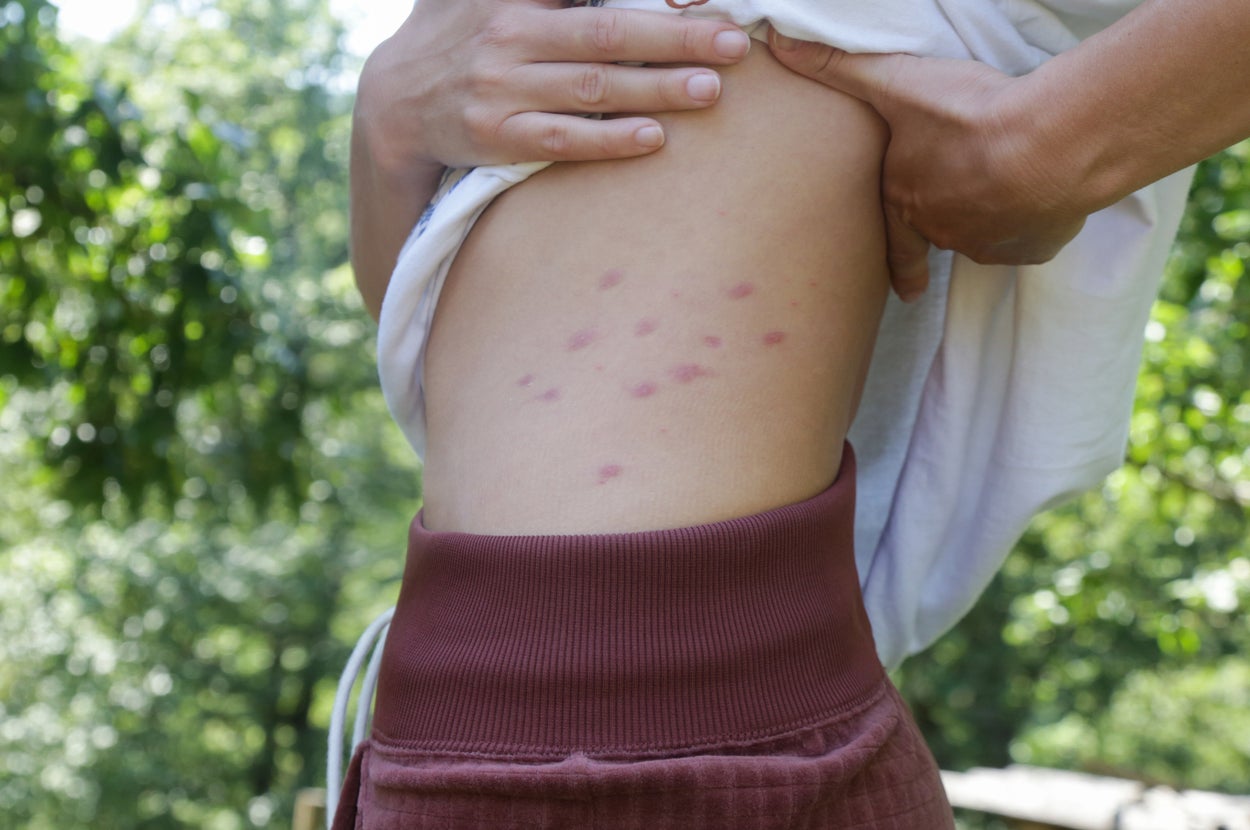
Scientists Identify Why Some People Get More Mosquito Bites

Originally Published 4 months ago β€” by LADbible

Featured image for Scientists Identify Why Some People Get More Mosquito Bites
Source: LADbible

Scientists have identified several factors that make some people more attractive to mosquitoes, including higher CO2 production, lactic acid, dark clothing, body heat, and blood type O, although the role of blood type remains controversial. These insights help explain why certain individuals are bitten more often and highlight the complexity of mosquito attraction.

Why Mosquitoes Prefer Certain People

Originally Published 4 months ago β€” by HuffPost

Featured image for Why Mosquitoes Prefer Certain People
Source: HuffPost

Mosquitoes tend to bite some people more than others due to factors like blood type, body heat, CO2 production, clothing color, and activity level. To prevent bites, avoid peak mosquito activity times, wear protective clothing, use DEET-based repellents, and keep breezy environments. If bitten, avoid scratching and use remedies like ice or anti-itch creams.

Why Mosquitoes Prefer Certain People

Originally Published 4 months ago β€” by Yahoo News New Zealand

Featured image for Why Mosquitoes Prefer Certain People
Source: Yahoo News New Zealand

Mosquitoes are more attracted to some people due to factors like blood type, body heat, CO2 emissions, and clothing color. To reduce bites, avoid peak activity times, wear protective clothing, and use effective repellents like DEET. Scratching bites can worsen irritation, but applying cold or anti-itch creams can help. Prevention is key to avoiding bites and potential disease transmission.

Unique Blood Type Discovered in Guadeloupe Woman

Originally Published 6 months ago β€” by Newser

Featured image for Unique Blood Type Discovered in Guadeloupe Woman
Source: Newser

A 68-year-old woman from Guadeloupe is the only known person with a newly discovered, extremely rare blood type called Gwada negative, which is only compatible with herself. Scientists are investigating whether others share this blood type, which was identified through genome sequencing after initial tests in 2011 failed to determine her blood type.

Unique Blood Type Discovered in Guadeloupe Woman, the Rarest on Earth

Originally Published 6 months ago β€” by Live Science

Featured image for Unique Blood Type Discovered in Guadeloupe Woman, the Rarest on Earth
Source: Live Science

Scientists discovered a new, unique blood type called 'Gwada negative' in a woman from Guadeloupe, which is genetically distinct and may help improve care for patients with rare blood types. The discovery was made using advanced gene sequencing, revealing a mutation in the PIGZ gene that makes her compatible only with herself. Researchers aim to find more individuals with this blood type, especially among local blood donors.

French Scientists Discover New Blood Type in Guadeloupe Woman

Originally Published 6 months ago β€” by CBS News

Featured image for French Scientists Discover New Blood Type in Guadeloupe Woman
Source: CBS News

French scientists discovered a new blood type called 'Gwada negative' in a woman from Guadeloupe, marking the 48th blood group system recognized worldwide. The woman is unique as she is the only known carrier, with her blood type inherited from her parents. The discovery, made possible by advanced DNA sequencing, could improve care for patients with rare blood types.

Why Some People Are More Prone to Mosquito Bites

Originally Published 7 months ago β€” by BuzzFeed

Featured image for Why Some People Are More Prone to Mosquito Bites
Source: BuzzFeed

Mosquitoes are selective insects that prefer certain people based on factors like blood type, body heat, and carbon dioxide emissions. To prevent bites, avoid peak activity times, wear protective clothing, and use effective repellents like DEET. If bitten, avoid scratching and use remedies like ice or anti-itch creams to alleviate discomfort.

Study Links COVID-19 to Increased Long-Term Heart Risks

Originally Published 1 year ago β€” by cleveland.com

Featured image for Study Links COVID-19 to Increased Long-Term Heart Risks
Source: cleveland.com

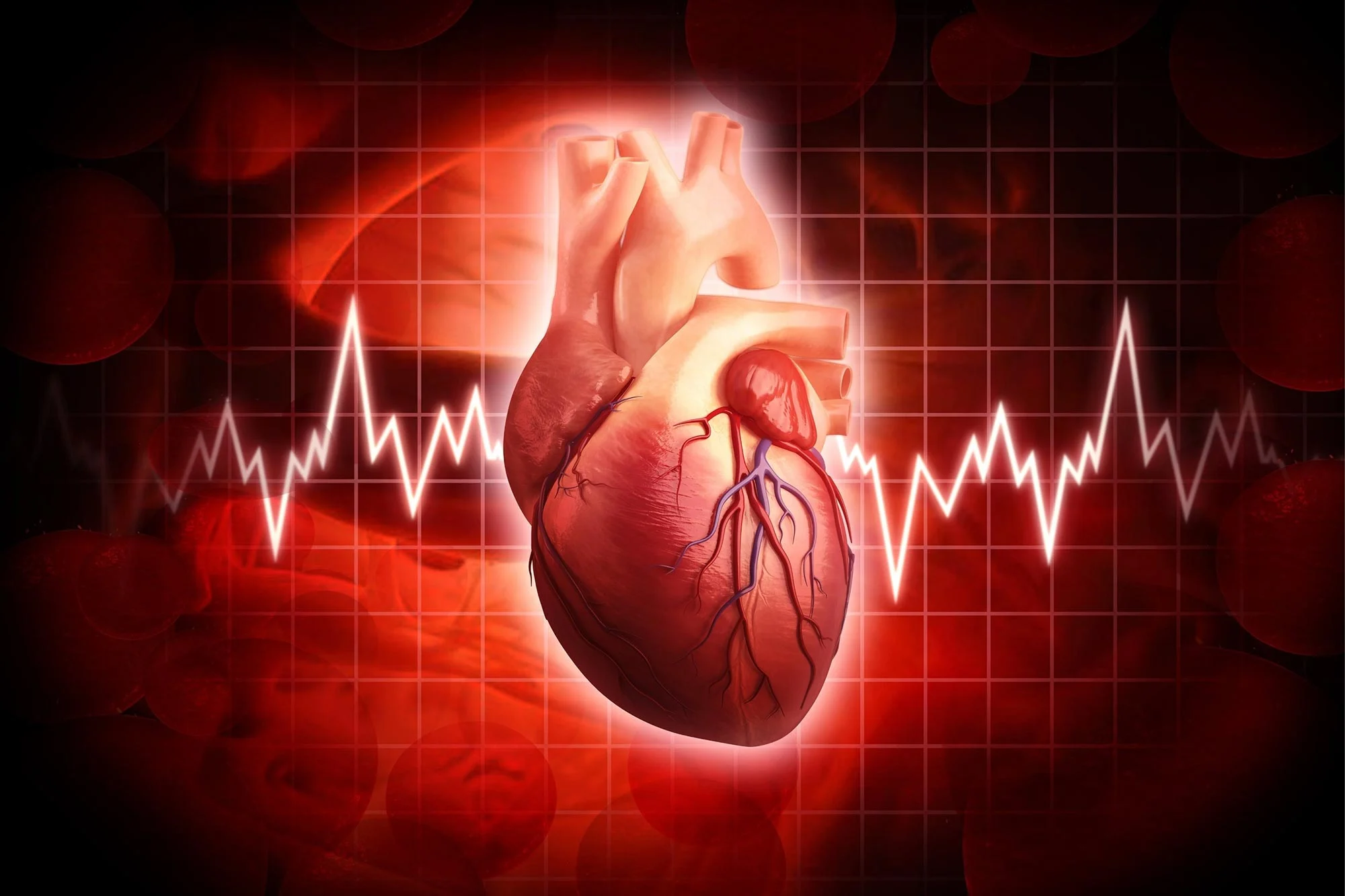
A study by the Cleveland Clinic and the University of Southern California indicates that COVID-19 survivors face double the risk of fatal heart attacks, strokes, or death for up to three years post-infection. The risk is notably higher for those hospitalized with COVID-19 and is influenced by blood type, with non-O blood types being more susceptible. The findings, published in Arteriosclerosis, Thrombosis, and Vascular Biology, highlight a significant public health concern and call for further research into the virus's long-term cardiovascular effects.

Unveiling Long COVID's Hidden Impact on Heart Health

Originally Published 1 year ago β€” by SciTechDaily

Featured image for Unveiling Long COVID's Hidden Impact on Heart Health
Source: SciTechDaily

A study funded by the NIH reveals that early COVID-19 infections significantly increase the risk of heart attack, stroke, and death for up to three years, with severe cases posing risks comparable to diabetes. The research highlights a genetic component linked to blood type, with types A, B, and AB facing higher risks than type O. The findings suggest severe COVID-19 should be considered a cardiovascular risk factor, though further studies on diverse populations and vaccinated individuals are needed.

"Debunking Mosquito Myths in South Carolina"

Originally Published 1 year ago β€” by WYFF4 Greenville

Featured image for "Debunking Mosquito Myths in South Carolina"
Source: WYFF4 Greenville

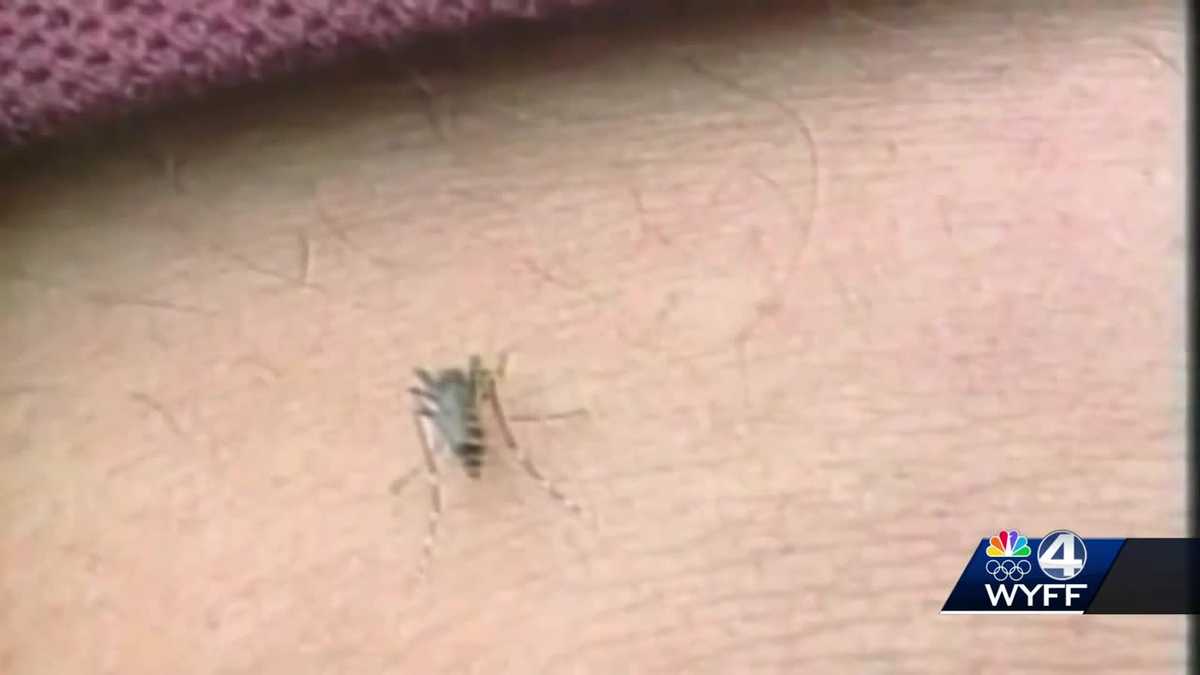
Eric Benson, an extension entomologist at Clemson University, discusses the prevalence of mosquitoes in South Carolina, noting that while there's no specific data indicating an increase this year, warm weather and rainfall support their numbers. The most common species in the area is the Asian Tiger Mosquito, which bites during the day and early morning/evening. Mosquitoes are attracted to certain blood types, body temperatures, odors, and darker colors like red and black.

"The Impact of Blood Type on Heart Health: What You Need to Know"

Originally Published 1 year ago β€” by CNET

Featured image for "The Impact of Blood Type on Heart Health: What You Need to Know"
Source: CNET

Research suggests that blood type may play a role in heart health, with type A, B, and AB blood types being more susceptible to heart disease and blood clotting, while type O blood type may offer some protection against these conditions. However, while blood type can influence health risks, factors such as diet, exercise, and environmental exposure also play significant roles in determining heart health. Current recommendations for maintaining heart health include a balanced, heart-healthy diet that lowers inflammation, regardless of blood type, but future research may offer more specific treatment approaches based on blood type.