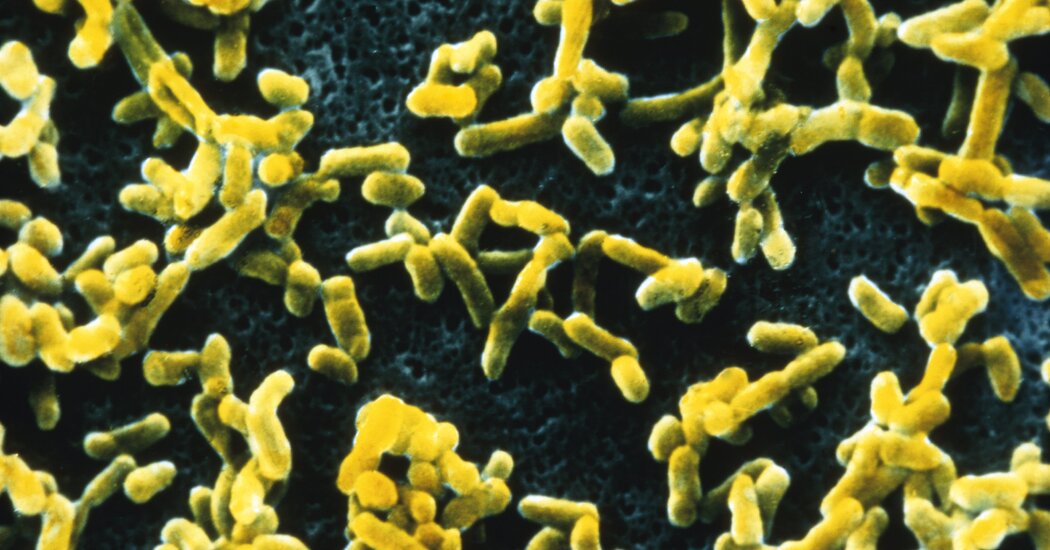
DNA analysis of soldiers' remains from Napoleon's 1812 retreat reveals that bacterial diseases like typhus and trench fever contributed to the army's demise, adding complexity to historical understanding of the event.
Scientists have created a 37,000-year genetic record of 214 human diseases across Europe and Asia, revealing insights into the history and evolution of ailments that have affected humans, including a surge in plague-causing microbes around 5,000 years ago, to better understand and prepare for future pandemics.
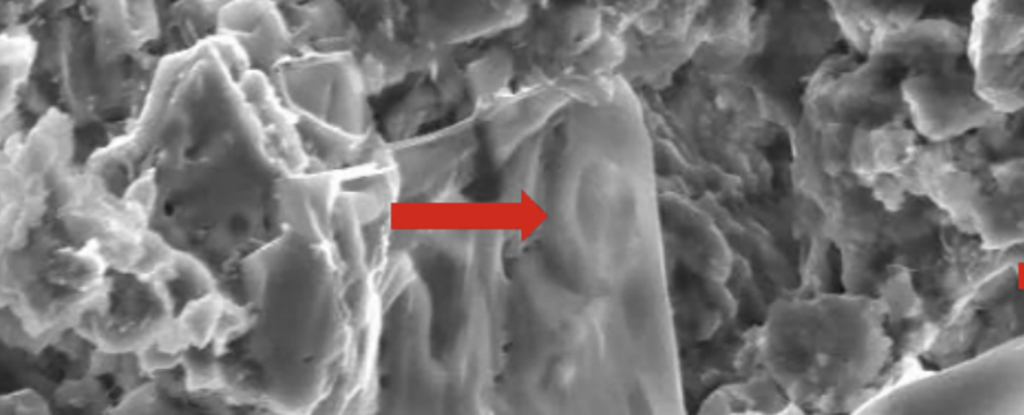
A study using advanced paleoproteomic techniques on dinosaur fossils, including soft tissue analysis, suggests that preserved proteins and cellular structures can provide insights into the evolution of diseases like cancer, emphasizing the importance of soft tissue preservation for future medical research.
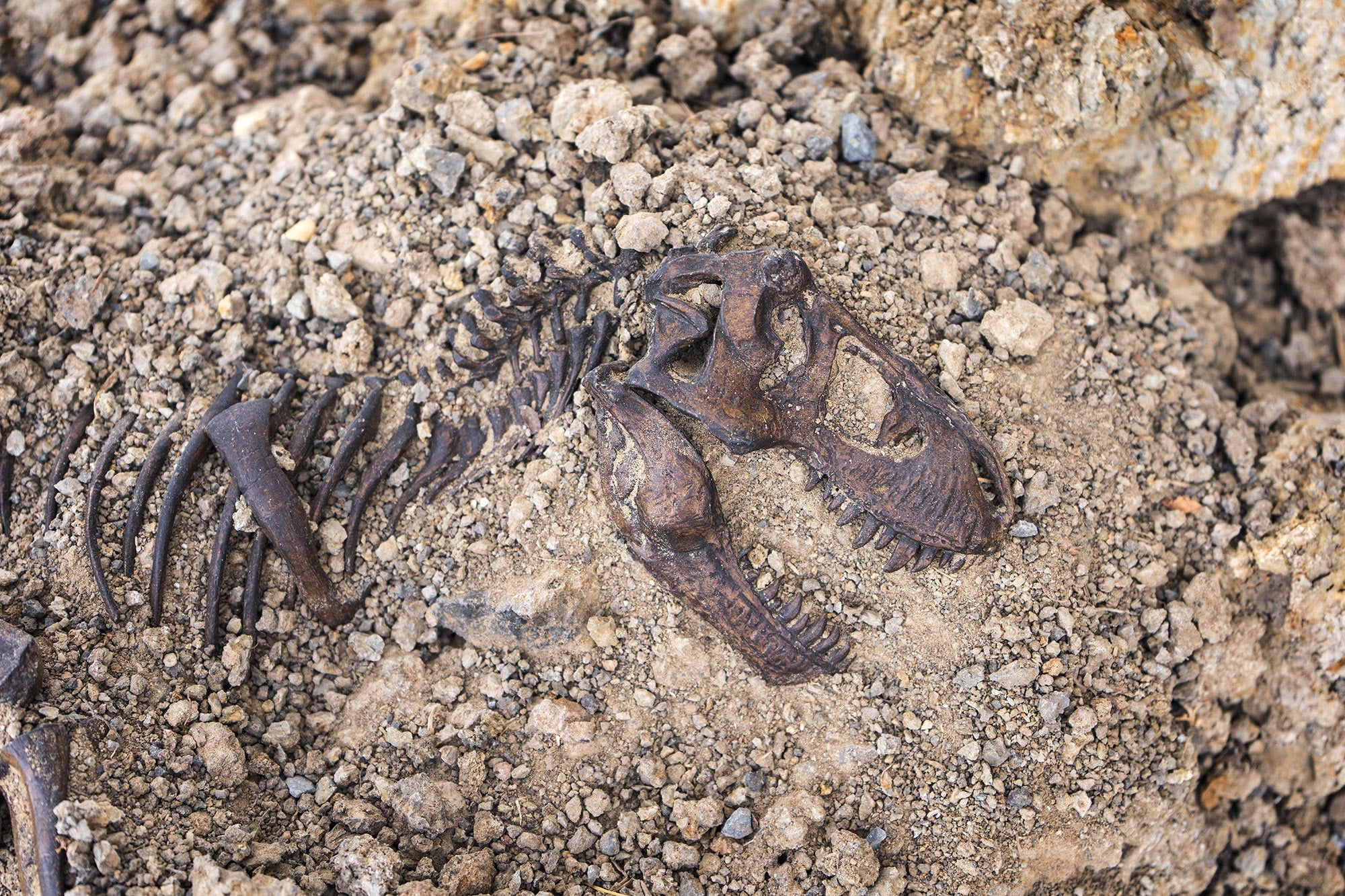
Scientists discovered evidence of cancer in a 66-70 million-year-old dinosaur fossil, suggesting that preserved soft tissues can provide insights into the evolution of cancer and potentially inform modern treatments. This finding highlights the importance of preserving fossils for future molecular research that could benefit human health.
A new study has found evidence of cancer in a 70-million-year-old dinosaur fossil, revealing that dinosaurs suffered from tumors similar to humans. Using advanced techniques to analyze preserved tissues, researchers discovered that soft tissues and proteins can survive millions of years, opening new avenues for understanding the evolution of diseases like cancer. This research could inform modern cancer treatments and highlights the importance of fossil preservation for future scientific breakthroughs.
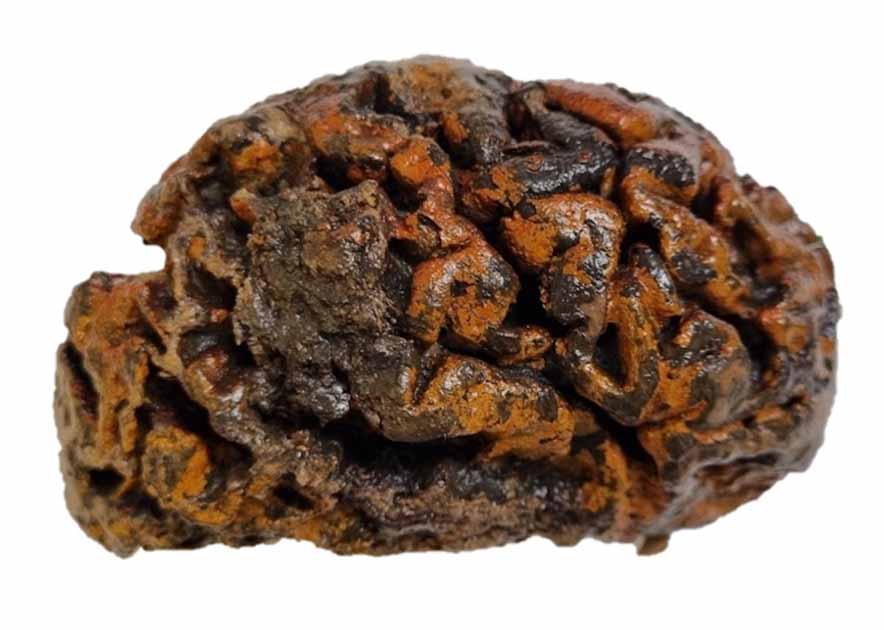
A recent study led by forensic anthropologist Alexandra Morton-Hayward and her team from the University of Oxford has revealed that human brains can survive for millennia, challenging previous assumptions about their rapid decay after death. The research uncovered over 4,400 preserved human brains dating back nearly 12,000 years, offering new insights into brain preservation and the potential for studying ancient diseases, cognition, and behavior. This groundbreaking discovery opens new paths for scientific exploration and could revolutionize our understanding of neurological development and disorders, providing a unique window into the health and lifestyle of our ancestors.
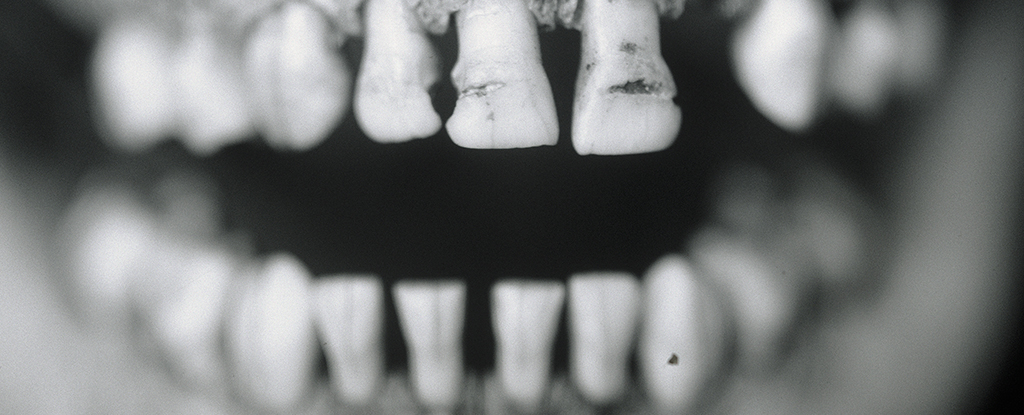
Researchers have successfully extracted intact and biologically active antibodies from 800-year-old teeth, providing a new method to identify pathogens that our ancestors encountered. This breakthrough in paleoproteomics could help understand the development of human antibodies throughout history and shed light on ancient diseases. The antibodies recovered from the teeth were able to recognize the Epstein-Barr virus, demonstrating their potential to study diseases from different time periods. This study sets a precedent for further research into the evolution of diseases and our immune system.
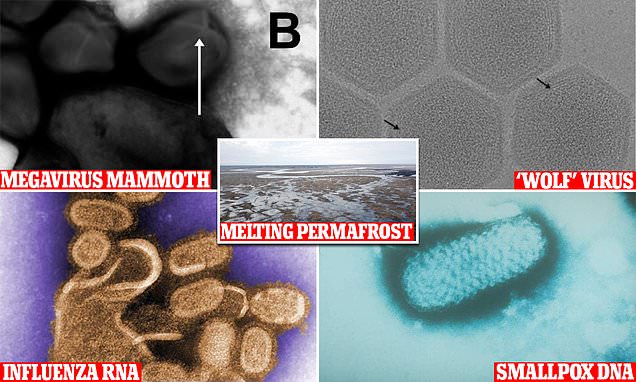
Climate change is causing permafrost to thaw, releasing ancient viruses that have been trapped in the ice since prehistoric times. Scientists have discovered six long-frozen microbes, including the 1918 Influenza virus, Pithovirus sibericum, Mollivirus sibericum, Pandoravirus mammoth, Megavirus mammoth, and Pacmanvirus lupus. While these viruses pose no immediate threat to humans or animals, the risk of ancient viral particles remaining infectious has been underestimated, and the risk is bound to increase in the context of global warming.