Researchers in Leiden have developed EVG7, a potent low-dose antibiotic that effectively targets C. difficile infections while preserving beneficial gut bacteria, reducing relapse risk and potentially limiting resistance, with human trials possible in a few years.
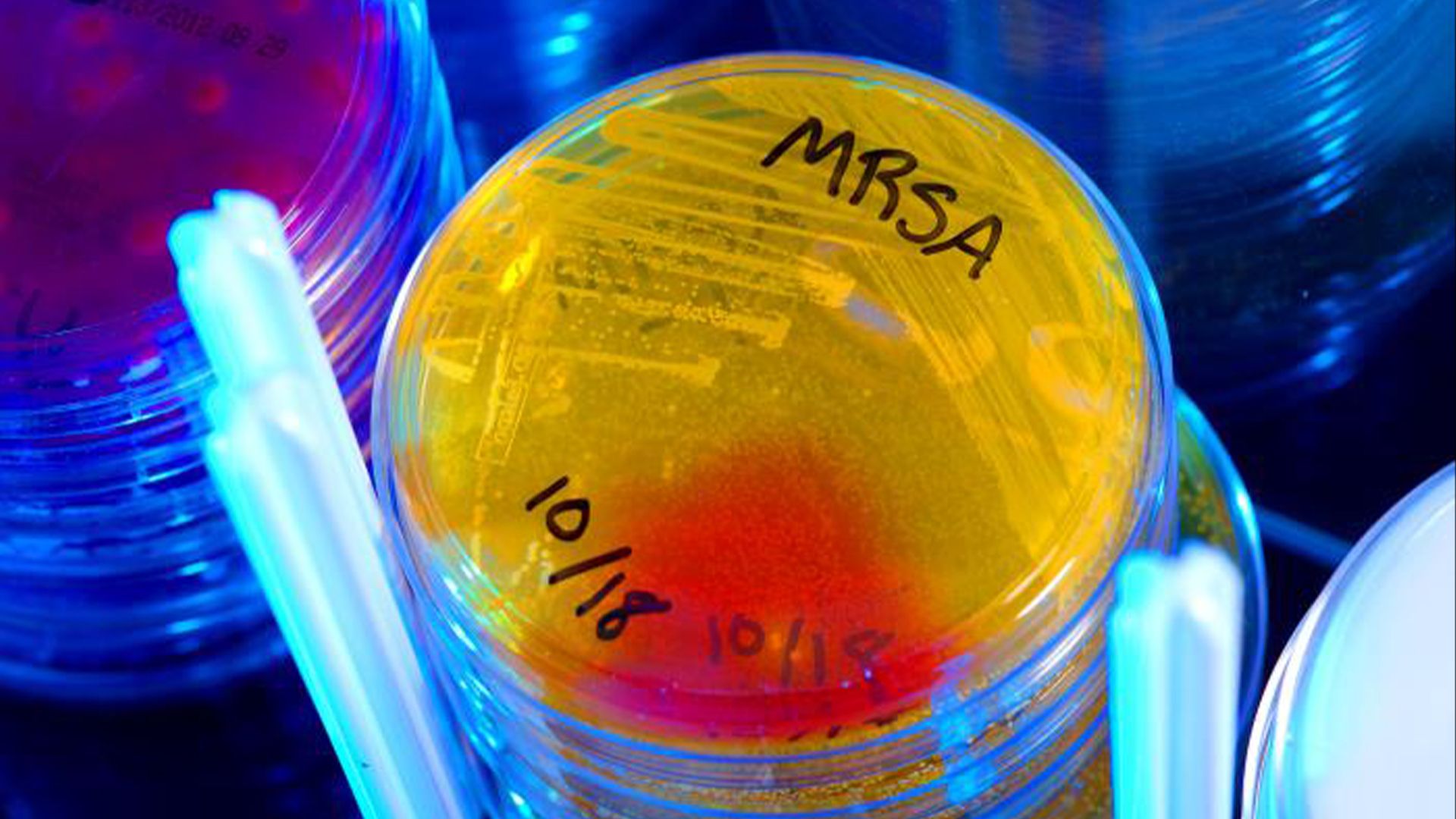
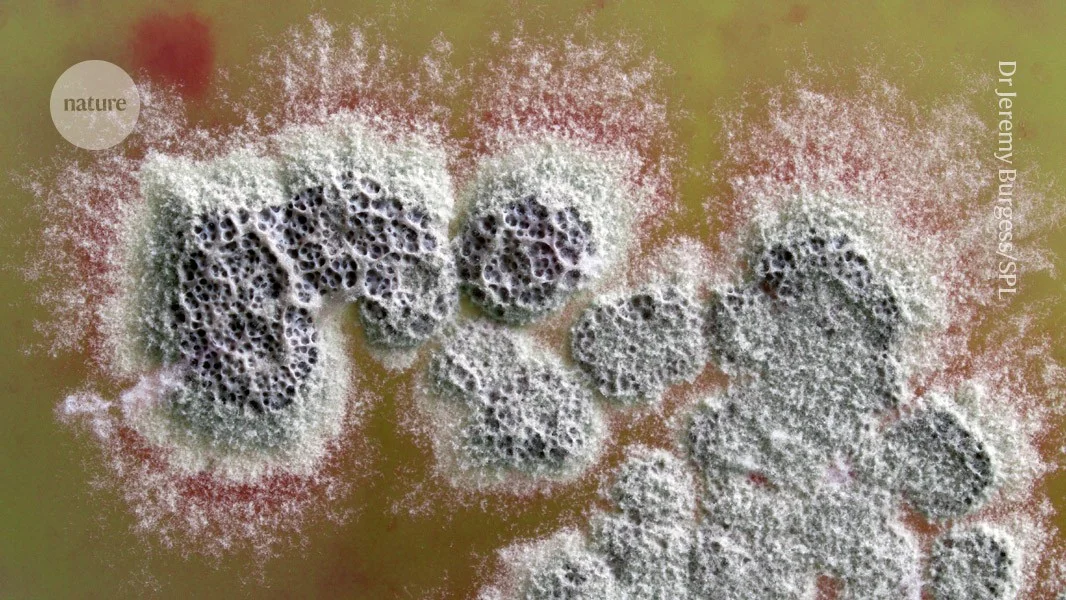
Scientists discovered a new antibiotic compound, pre-methylenomycin C lactone, from soil bacteria that shows strong activity against drug-resistant bacteria like MRSA and E. faecium, without inducing resistance, offering promising potential for future antibiotic development.
Scientists have discovered a new, highly potent antibiotic called pre-methylenomycin C lactone within a well-studied bacterium, which is over 100 times more effective against resistant bacteria like MRSA and VRE, and shows no resistance development, offering a promising new approach to combat antimicrobial resistance.
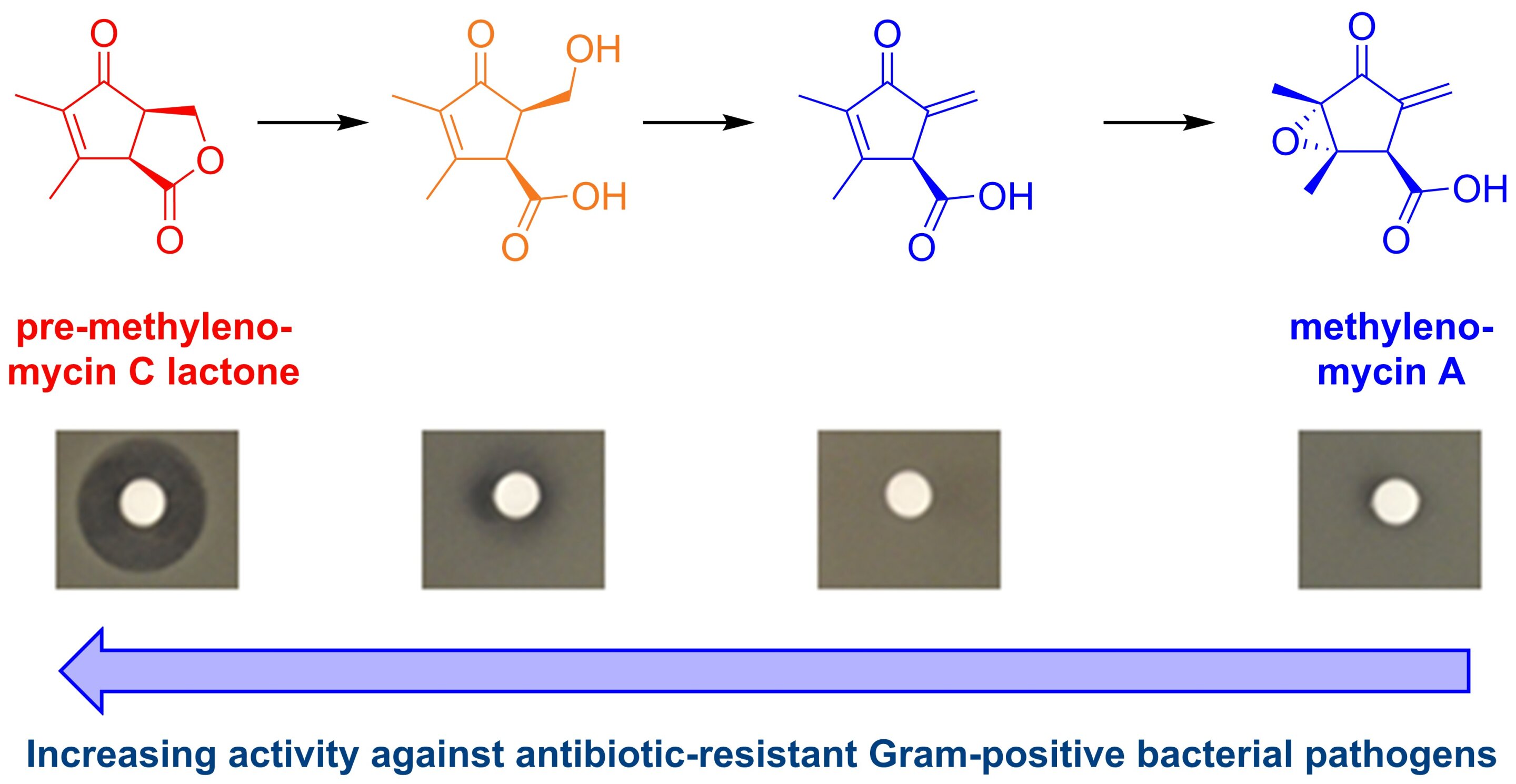
Scientists discovered a potent antibiotic compound, premethylenomycin C lactone, produced by soil bacteria that is 100 times more effective than the final product, offering a promising new approach to combat drug-resistant infections.
Researchers discovered a potent new antibiotic, pre-methylenomycin C lactone, in a bacteria species studied for decades, which shows promise against resistant bacteria like MRSA and VRE, and remains effective after prolonged exposure, highlighting a new approach to antibiotic discovery by exploring biosynthetic intermediates.
Researchers have discovered a powerful new antibiotic precursor, pre-methylenomycin C lactone, which shows over 100 times the effectiveness against certain bacteria and could be crucial in fighting antibiotic-resistant pathogens like MRSA and VRE. The molecule is a natural intermediate in the production of the well-known antibiotic methylenomycin A, and its stability and production potential make it a promising candidate for future drug development. This discovery also highlights a new approach to finding bioactive compounds by studying intermediate molecules in bacterial pathways.
Researchers discovered a new, potent antibiotic intermediate called pre-methylenomycin C lactone in the bacterium Streptomyces coelicolor, which is over 100 times more effective against resistant Gram-positive bacteria like MRSA and VRE, with no detected resistance development, offering promising potential in combating antimicrobial resistance.
Chemists from Warwick and Monash Universities discovered a new, potent antibiotic, pre-methylenomycin C lactone, hiding as an intermediate in the natural biosynthesis of methylenomycin A. This compound shows over 100 times greater activity against Gram-positive bacteria, including resistant strains like MRSA and VRE, and may offer a new approach to combat antimicrobial resistance. The next steps involve pre-clinical testing and further development.
Researchers at McMaster University and MIT discovered a new narrow-spectrum antibiotic called enterololin that targets bacteria involved in IBD, using AI to predict its mechanism of action, significantly speeding up the drug development process and offering hope for better treatments for conditions like Crohn's disease.
A NIH-funded clinical trial found that a single dose of benzathine penicillin G is as effective as the traditional three-dose regimen for treating early syphilis, potentially simplifying treatment and improving patient compliance.
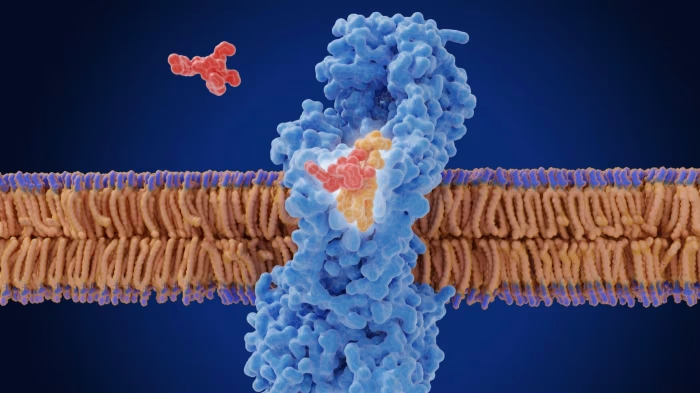
Researchers discovered that ciprofloxacin, a common antibiotic, can bind to an allosteric site on the ACE enzyme, offering a new mechanism to potentially develop safer and more targeted blood pressure medications, opening new avenues for treating hypertension with fewer side effects.
Roche is advancing its experimental antibiotic zosurabalpin into Phase 3 clinical trials to combat drug-resistant acinetobacter baumannii, a bacteria causing serious hospital infections, using a novel mode of action to which bacteria have not yet developed resistance.
Roche is advancing a new antibiotic, zosurabalpin, into late-stage clinical trials to combat resistant Gram-negative bacteria like acinetobacter, which cause severe infections and have become difficult to treat, marking a potential breakthrough after over 50 years.
The FDA has approved Zevtera (ceftobiprole medocaril sodium for injection) for the treatment of Staphylococcus aureus bloodstream infections, acute bacterial skin and skin structure infections, and community-acquired bacterial pneumonia in adults and pediatric patients. The antibiotic was found to be effective in clinical trials, with common side effects including nausea, diarrhea, and headache. However, patients with a history of severe hypersensitivity to ceftobiprole or cephalosporin antibacterial class should not use Zevtera. The approval was granted with Priority Review, Fast Track, and Qualified Infectious Disease Product designations for the specified indications.
New research suggests that antibiotics can effectively target gut bacteria that harbor the virus causing COVID-19, potentially reducing COVID-19-related symptoms and aiding in faster recovery. A study involving 211 participants found that early antibiotic treatment, specifically a combination of amoxicillin and rifaximin within the first 3 days of infection, led to quicker recovery and a lower incidence of long COVID. These findings may influence future vaccine strategies and the treatment of acute COVID-19 infections.