Tag

Ancient Civilizations

All articles tagged with #ancient civilizations

archaeology1 year ago

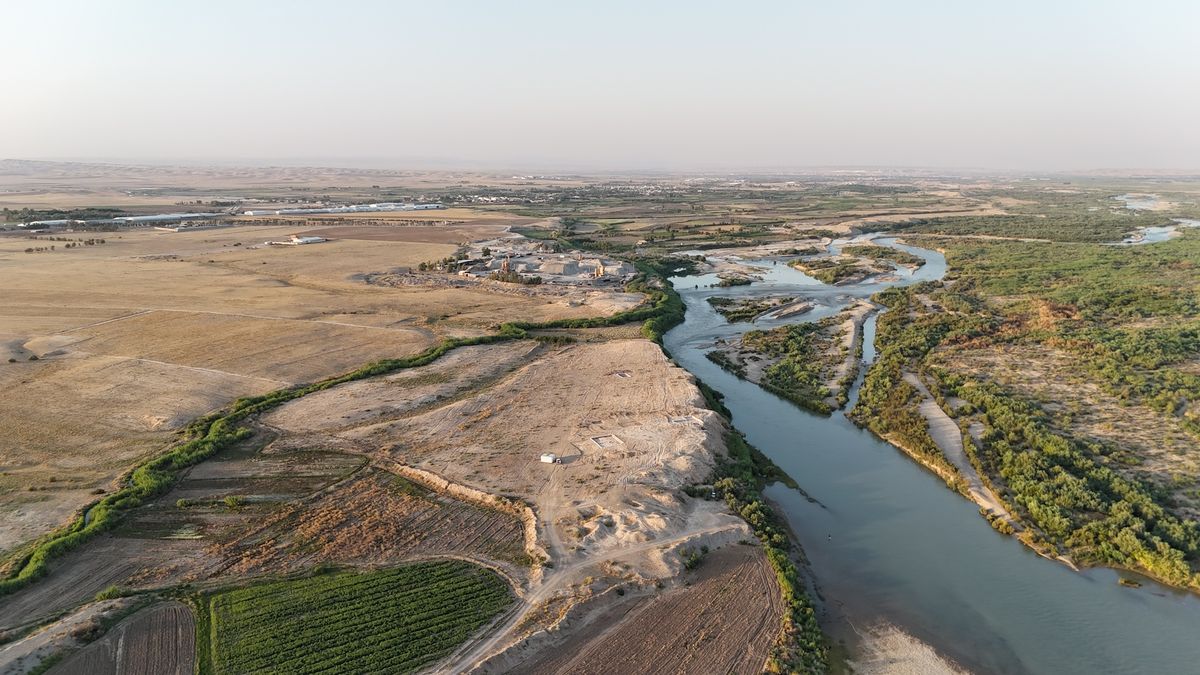
Ancient Iraqi Artifacts Reveal Collapse of Early Civilization

Excavations at the Shakhi Kora site in northeastern Iraq have uncovered artifacts from the fifth millennium B.C., suggesting the presence of one of the world's earliest government institutions. The discovery of numerous clay bowls, likely used to distribute food in exchange for labor, indicates a form of centralized authority in ancient Mesopotamia. However, the site was abandoned without signs of violence or environmental stress, possibly reflecting a rejection of centralized power. This finding challenges the notion that hierarchical governance was inevitable in early complex societies.


science1 year ago

Weakening Magnetic Field Over North America Poses Missile Accuracy Risk

Chinese military researchers have found that the magnetic field over North America is weakening rapidly, while it is strengthening over the eastern hemisphere, including China. This shift may be linked to the movement of geomagnetic poles. The magnetic field acts as a protective barrier against cosmic rays, crucial for environmental stability. Historical studies suggest that changes in magnetic field strength have been associated with the collapse of ancient civilizations, such as the Maya and those in Iran and Syria.

astronomy1 year ago

"Unraveling Ancient Solar Eclipse Predictions and Phenomena"

The ancient Maya were skilled astronomers who meticulously recorded celestial observations and developed a sophisticated calendar system. Solar eclipses were seen as a sign of heavenly battles, with the Sun god associated with prosperity and the morning star linked to war and discord. The Maya believed that eclipses signaled possible cataclysmic destruction and performed renewal rituals, including bloodletting sacrifices, to restore balance. The upcoming solar eclipse on April 8, 2024, will be visible from ancient Maya lands, continuing a tradition of sky-watching that has connected people across time and cultures.

archaeology1 year ago

"Uncovering an Early Stone Plaza in the Andes: Anthropological Insights"

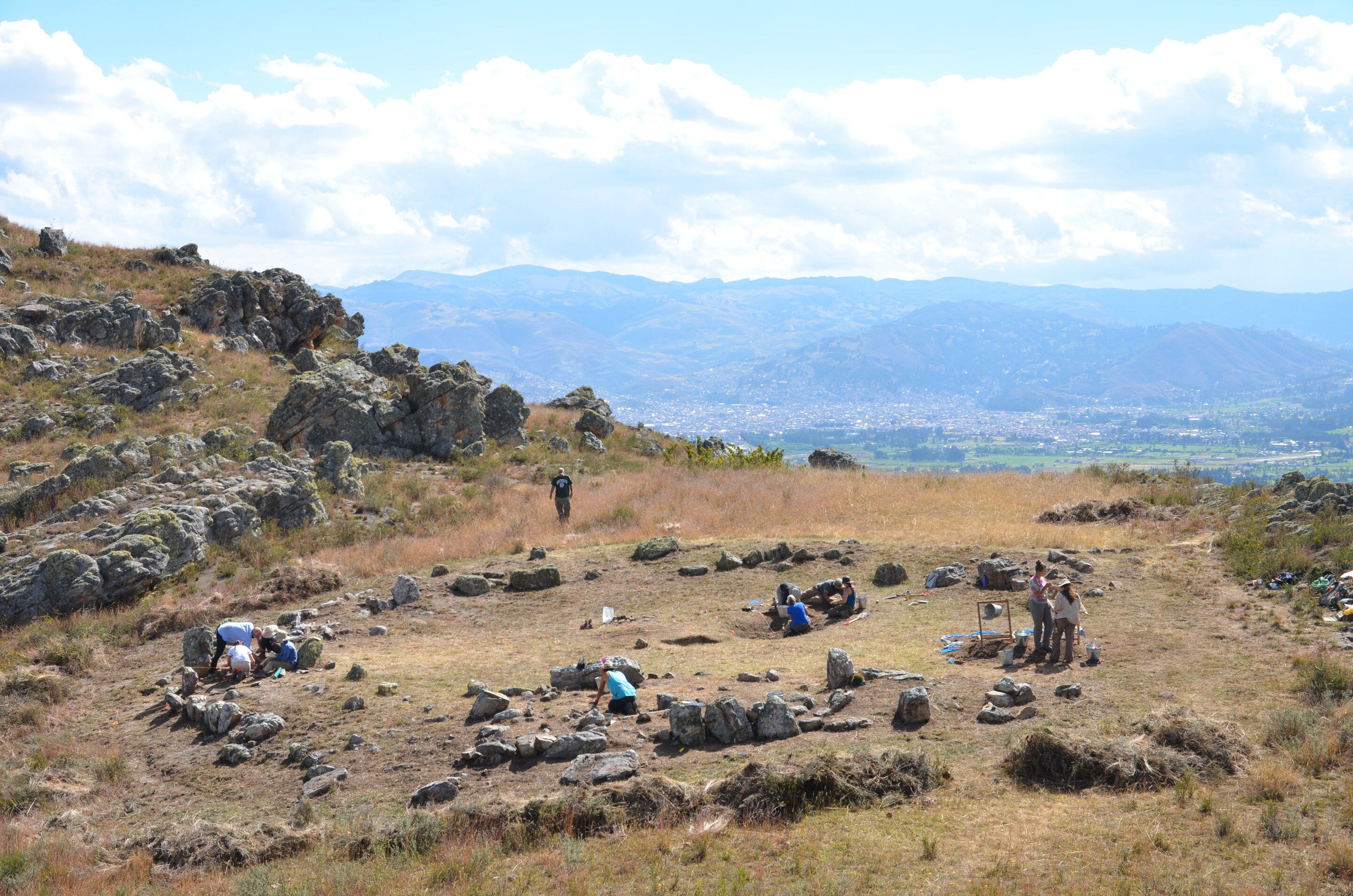
University of Wyoming anthropologists have discovered one of the earliest circular plazas in Andean South America, built around 4,750 years ago in the Cajamarca Basin of northern Peru. This monumental stone plaza, constructed with large, vertically placed megalithic stones, represents an early example of monumental and megalithic architecture in the region. The site, known as Callacpuma, is believed to have served as a gathering place and ceremonial location for some of the earliest people in the area, shedding light on ancient Peruvian civilizations. The research, published in Science Advances, provides valuable insights into the cultural heritage of the region and the lifestyles of its early inhabitants.

history-and-culture1 year ago

"Scientists Uncover Earliest Recorded Romantic Kiss from 4,500 Years Ago"

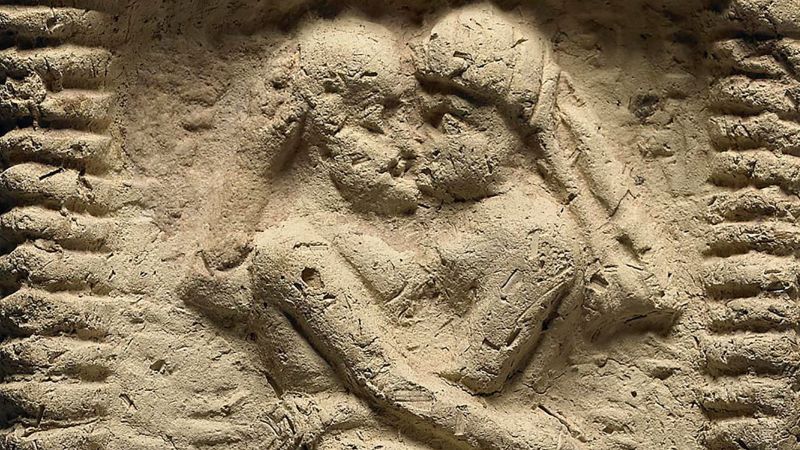
A recent study published in the journal Science revealed that kissing dates back at least 4,500 years, pushing back the history of the practice by about 1,000 years. The findings were based on references to kissing found on thousands of clay tablets from Mesopotamia. This discovery challenges the previous belief that romantic kissing originated in India, as it was widely known among Assyriologists that evidence of kissing existed in Mesopotamia even earlier than in India. The study also explores the cultural and evolutionary significance of kissing, shedding light on taboos and practices surrounding romantic intimacy in ancient Mesopotamia and other cultures.

archaeology1 year ago

"Uncovering Europe's Oldest Submerged Stone Age Megastructure in the Baltic Sea"

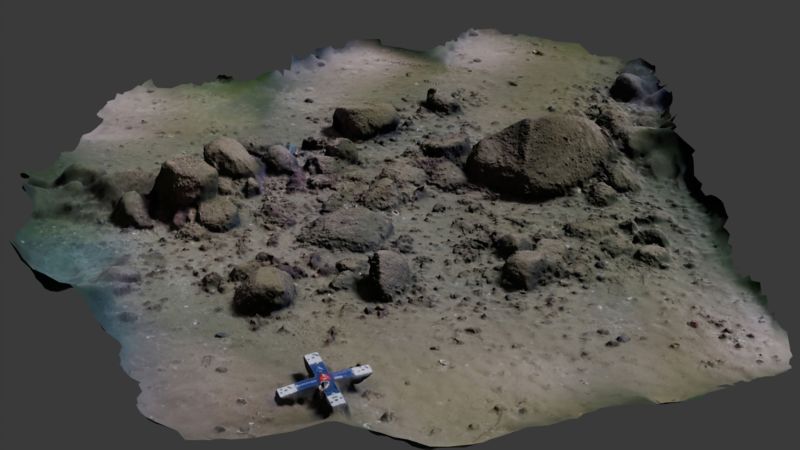
A Stone Age megastructure consisting of a wall made of 1,670 stones submerged in the Baltic Sea has been discovered by researchers from Kiel University in Germany, indicating it was likely built more than 10,000 years ago by hunter-gatherer communities to guide reindeer for hunting. The methodical arrangement of the stones suggests it was not formed by nature, and the discovery challenges previous assumptions about the mobility and territorial behavior of Stone Age groups. This marks the first Stone Age hunting structure found in the Baltic Sea region, and the researchers continue to investigate the area for more archaeological finds that could provide insights into ancient hunter-gatherer communities.

health1 year ago

"Uncovering the Historical Rarity of Dementia: Insights into Modern Day Prevalence"

A new study from the University of Southern California suggests that Alzheimer's disease and related dementias may be linked to modern environments and lifestyles, as severe memory loss was rarely mentioned in ancient Greek and Roman medical texts. The research indicates that sedentary behavior and exposure to air pollution could be contributing factors, and it also explores the potential impact of lead poisoning in ancient Rome. Comparisons with the preindustrial lifestyle of the Tsimane Amerindians in the Bolivian Amazon further highlight the influence of environment on dementia risk.

archaeology2 years ago

"Lost Amazonian Cities: Uncovering Ancient Urban Centers"

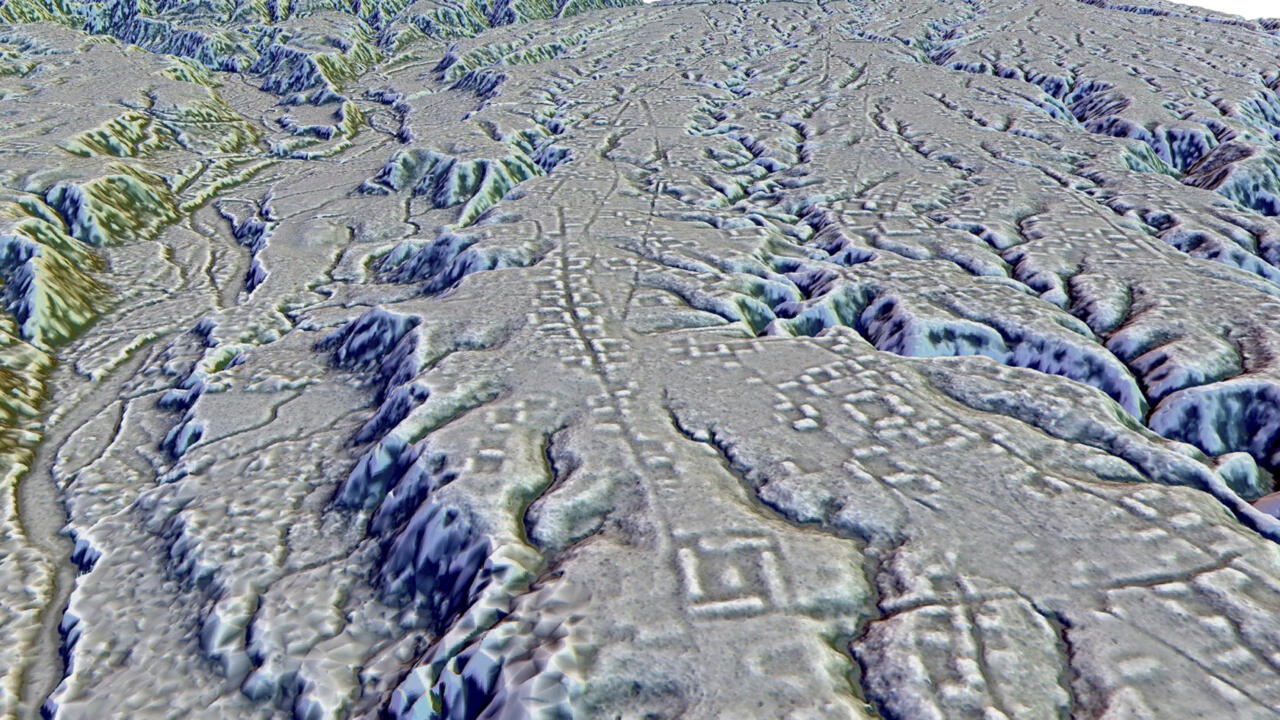
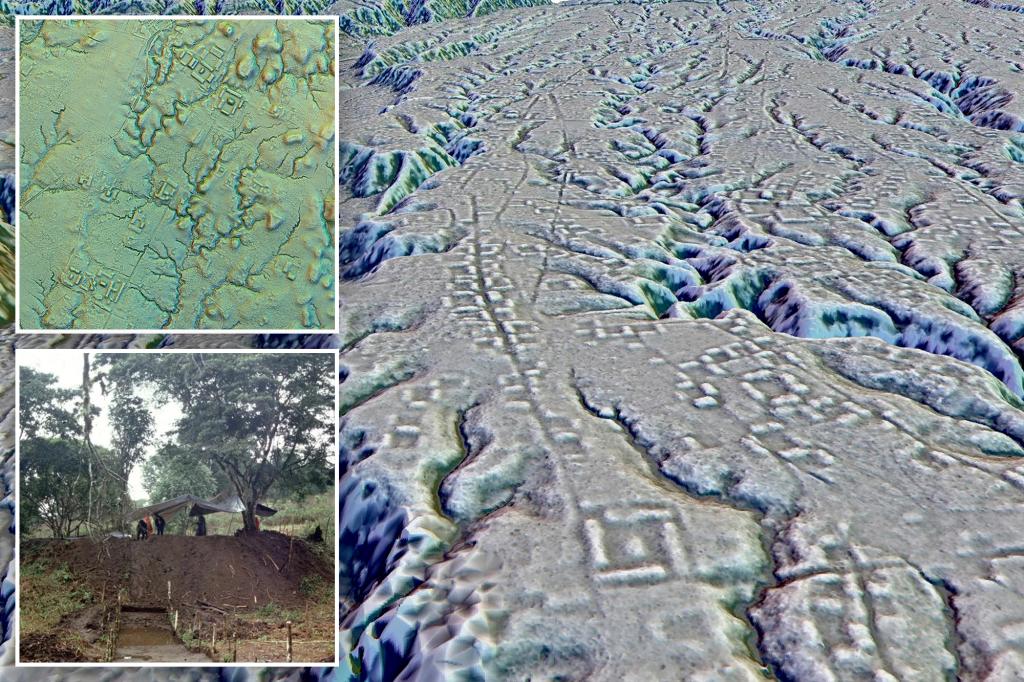
Archaeologists have uncovered a cluster of lost cities in the Amazon rainforest in Ecuador, revealing a dense network of settlements and connecting roadways that were home to at least 10,000 farmers around 2,000 years ago. The settlements, occupied by the Upano people, featured residential and ceremonial buildings on more than 6,000 earthen mounds surrounded by agricultural fields with drainage canals. The discovery challenges the perception of the Amazon as a pristine wilderness and sheds light on the complex and early societies that existed in the region.

archaeology2 years ago

"Lost Amazonian Cities: Uncovering Ancient Urban Centers"

Archaeologists have uncovered a cluster of lost cities in the Amazon rainforest in Ecuador, home to at least 10,000 farmers around 2,000 years ago. The settlements, occupied by the Upano people, lasted about 1,000 years and featured residential and ceremonial buildings on over 6,000 earthen mounds, surrounded by agricultural fields and drainage canals. The discovery, revealed through recent mapping using laser-sensor technology, sheds light on the complex and organized society that existed in the Amazon long before European contact, challenging the perception of the region as a pristine wilderness.

archaeology2 years ago

"Discovery of Ancient Amazonian City Reveals 2,000-Year-Old Civilization"

Archaeologists have discovered a network of lost cities in the Amazon rainforest in Ecuador, home to at least 10,000 farmers 2,000 years ago. The settlements, occupied by the Upano people, featured residential and ceremonial buildings on over 6,000 earthen mounds, connected by wide roads stretching for miles. This finding challenges the perception of the Amazon as a pristine wilderness and reveals the complexity of ancient societies in the region.

archaeology2 years ago

Ancient Archery in Andes Mountains Predates Prior Findings

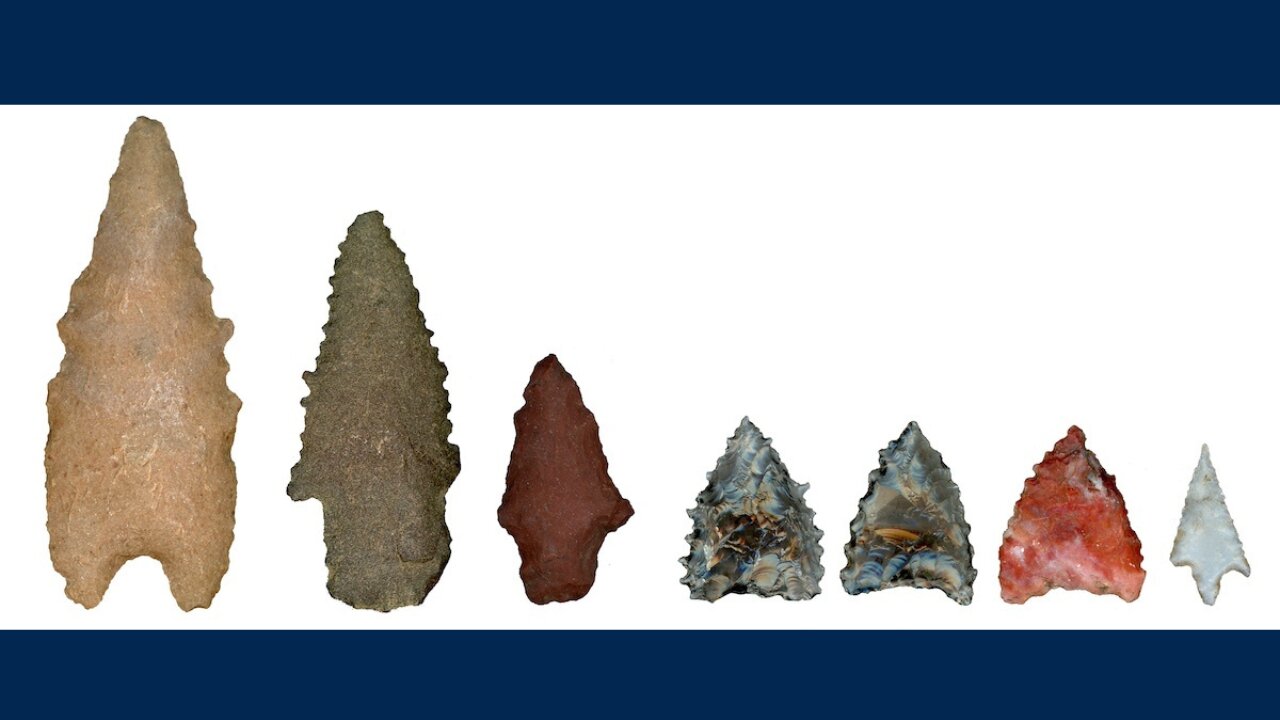
A study led by anthropologists from the University of California, Davis, has found that the rise of archery technology in the Andes Mountains dates back to around 5,000 years ago, earlier than previously believed. The research, based on the analysis of 1,179 projectile points from the Lake Titicaca Basin, suggests that the adoption of bow-and-arrow technology coincided with the expansion of exchange networks and the growth of village settlements. The study provides insights into the social complexity of ancient Andean societies and highlights the significance of quantitative analysis of stone tools in understanding societal changes.

archaeology2 years ago

Enigmatic Life-Size Camel Carvings Unearthed in Saudi Arabian Desert

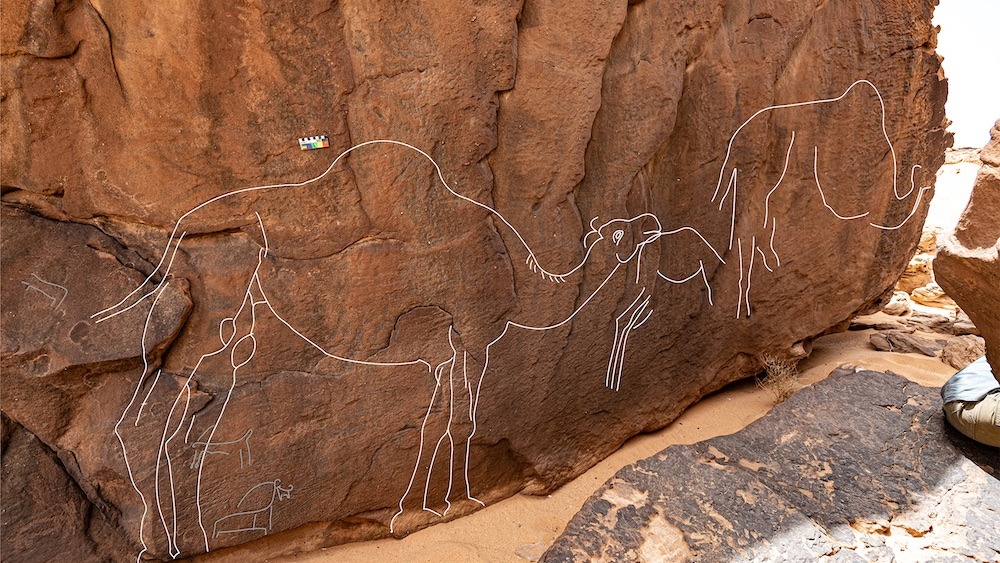
Archaeologists have uncovered a collection of beautifully carved, life-size camel carvings on a rock outcropping near Saudi Arabia's Nafud desert. The carvings depict a now-extinct species of wild camels that once roamed the region thousands of years ago. The site, named Sahout, contains a dense cluster of rock art from various periods, making it difficult to determine the exact culture and timeframe of the artwork. Radiocarbon dating suggests that the site was occupied between the Pleistocene and Middle Holocene eras. The carvings, predominantly male camels, may have been created during mating season, as indicated by the depiction of the camels' dulla. Further research is needed to understand the significance of the site and why it was an important location.

science-and-environment2 years ago

The Secrets of Ancient Amazonian Dark Earth Revealed

A study led by researchers at MIT, the University of Florida, and in Brazil has found evidence that ancient Amazonians intentionally created fertile "dark earth" to improve soil fertility and sustain large societies. The dark earth, rich in carbon, was created through intentional practices such as composting and spreading organic waste. The study suggests that modern sustainable agriculture and climate change mitigation efforts can draw inspiration from these ancient practices to sequester carbon in soil.

archaeology2 years ago

"The Enigma of Luzio's Sambaquis Builders: Unveiling a Lost Civilization"

Researchers have analyzed genomic data from 34 ancient skeletons in Brazil, uncovering the story of Luzio, a 10,000-year-old ancestor of modern Indigenous peoples. The study reveals that Luzio belonged to an ancestral population that arrived in the Americas at least 16,000 years ago. The investigation focused on the sambaquis, large mounds of shells and fish bones that served as dwellings, ceremonial centers, and burial grounds. The study suggests two distinct migrations, one into the hinterland and another along the coast, and reveals that ancient coastal populations exchanged genes with inland communities over thousands of years. The research sheds light on the prehistory of South America and the origins of Luzio's people.