history-and-culture3.675 min read
"Unearthing Cross-Cultural Treasures: Astrolabes and Scientific Exchange in Italian Museums"
2 years ago•Source: USA TODAY

The latest history and culture stories, summarized by AI
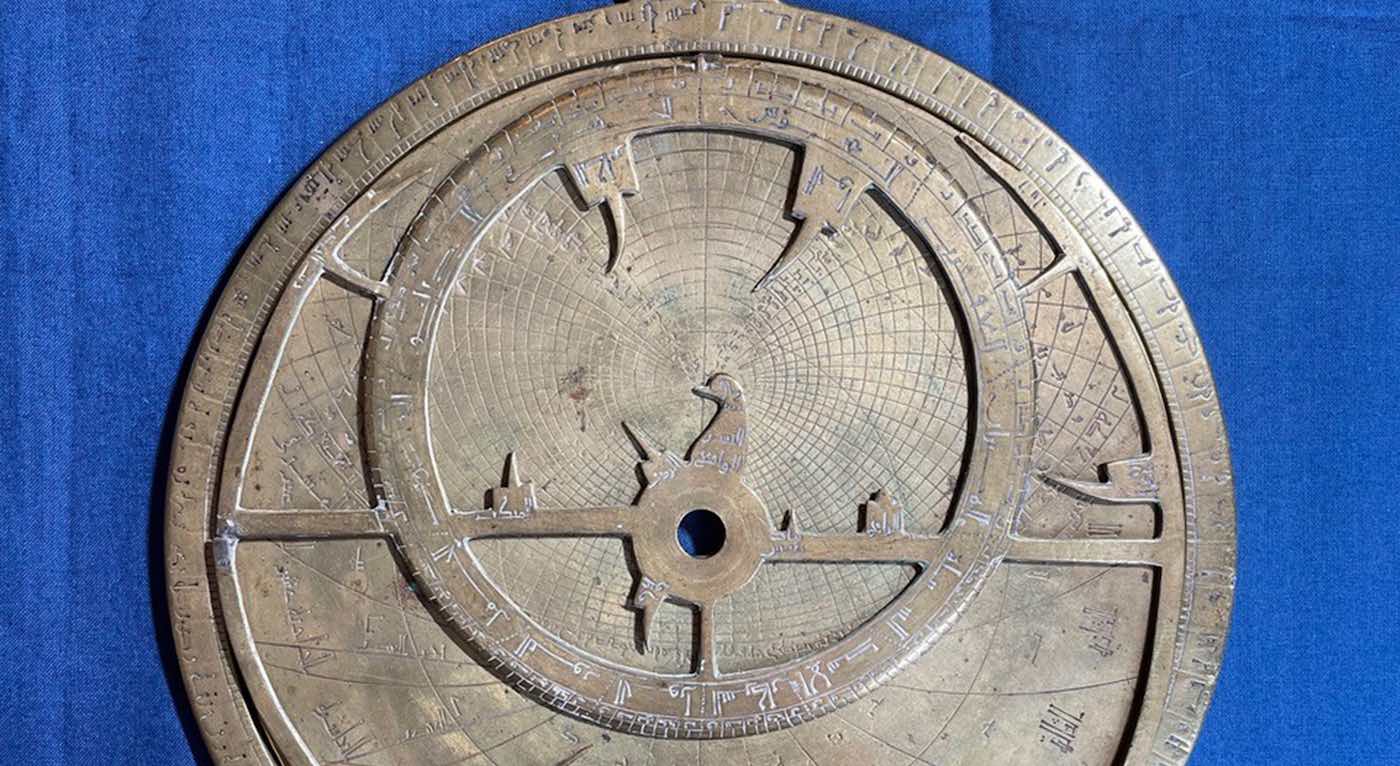
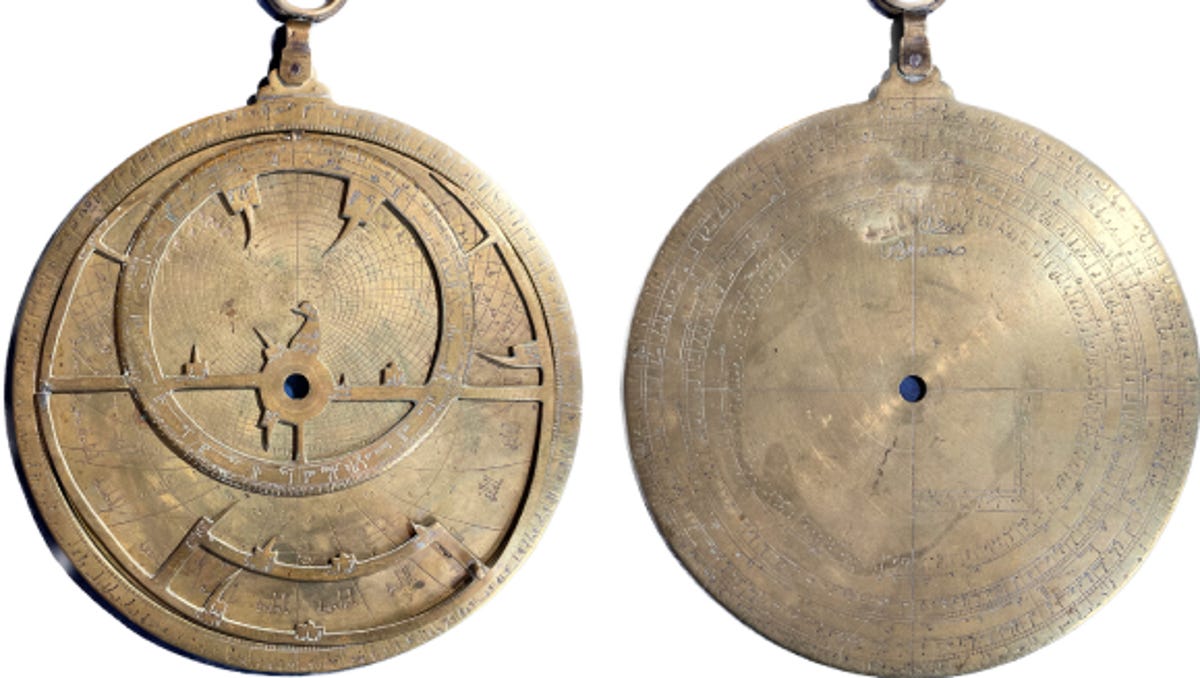
An 11th-century Islamic astrolabe with Arabic and Hebrew inscriptions, discovered in Verona, Italy, is one of the oldest of its kind and showcases centuries of adaptation and translation by Muslim, Jewish, and Christian users in Spain, North Africa, and Italy. The astrolabe, resembling a portable model of the universe, was used for various calculations and was modified by different users, reflecting a rich history of scientific exchange between Arabs, Jews, and Christians. The instrument's inscriptions suggest its circulation within Sephardi Jewish communities in Spain and Italy, and its corrections and translations in Hebrew and Western numerals indicate its use by diverse linguistic and cultural groups.
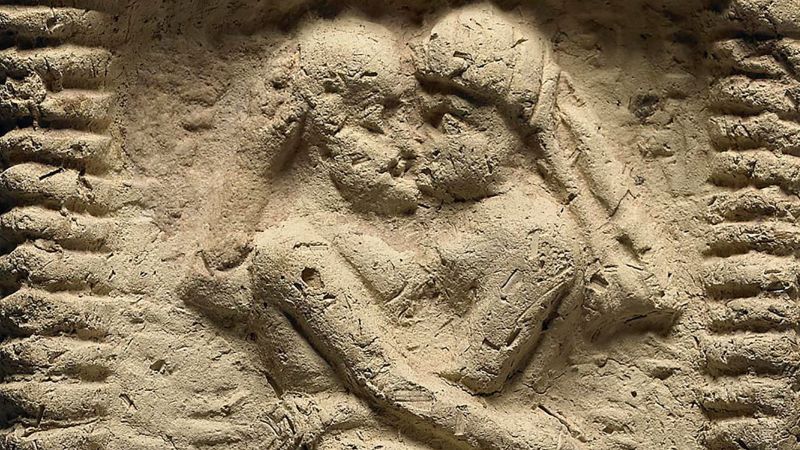
BBC.com•2 years ago
The Associated Press•2 years ago
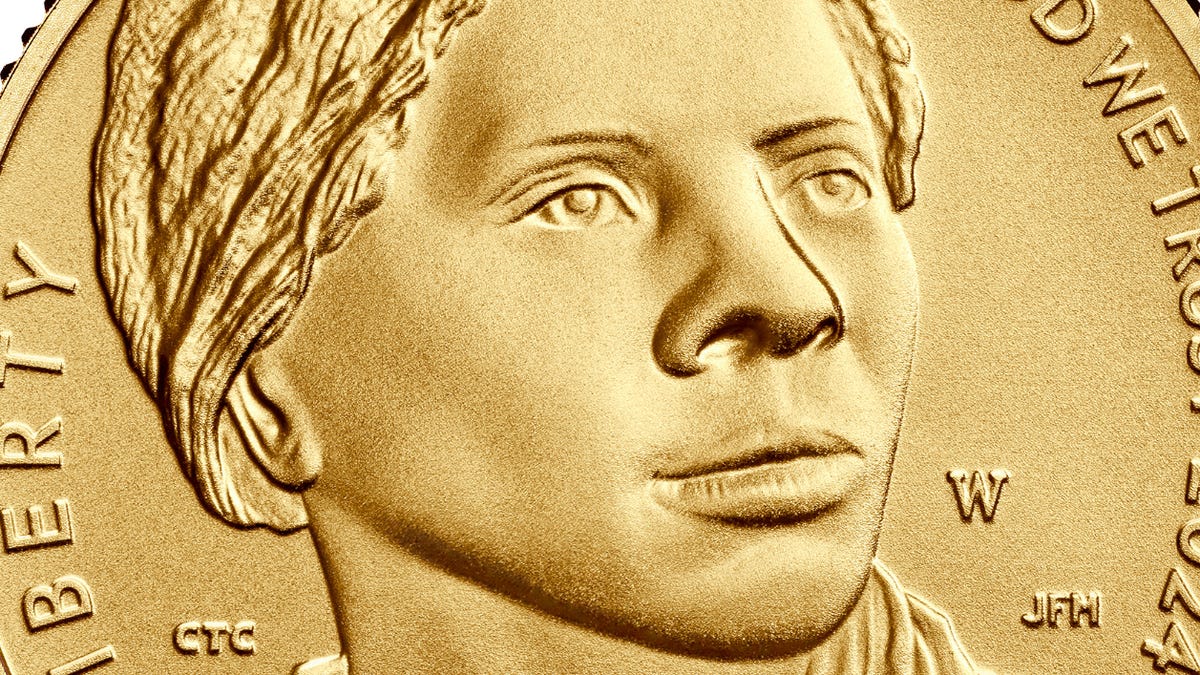
The U.S. Mint has released commemorative coins to honor abolitionist Harriet Tubman, including $5 gold coins, $1 silver coins, and half-dollar coins, with preorders starting Thursday and shipping in February. This initiative follows a proposal by former President Obama to feature Tubman on the $20 bill. The coins carry surcharges that will benefit the National Underground Railroad Freedom Center and The Harriet Tubman Home, Inc. Tubman is celebrated for her role in the Underground Railroad, her service in the Union Army during the Civil War, and her activism in the women's suffrage movement.
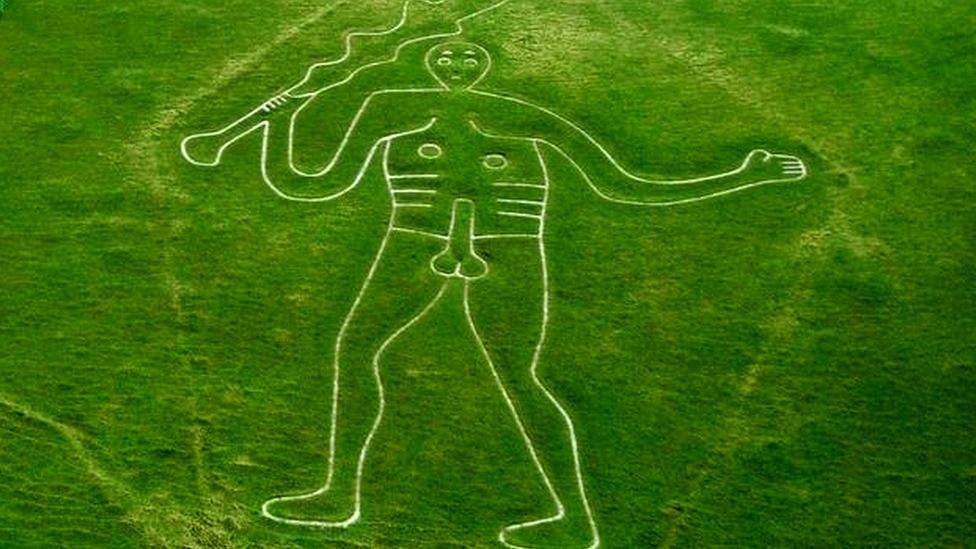
New research by Oxford University academics suggests that the Cerne Abbas Giant, a chalk hill figure in Dorset, was originally carved to represent Hercules and served as a muster station for West Saxon armies. Previously thought to be prehistoric or more recent, the figure was actually created in the Anglo-Saxon period. The giant was later reinterpreted by local monks in the 11th Century to associate it with Saint Eadwold, their patron saint, to align with Christian beliefs and claim the saint's relics. The findings provide a deeper understanding of the figure's historical significance and are set to be published in the journal Speculum.