Tag

Young Star

All articles tagged with #young star

science4 months ago

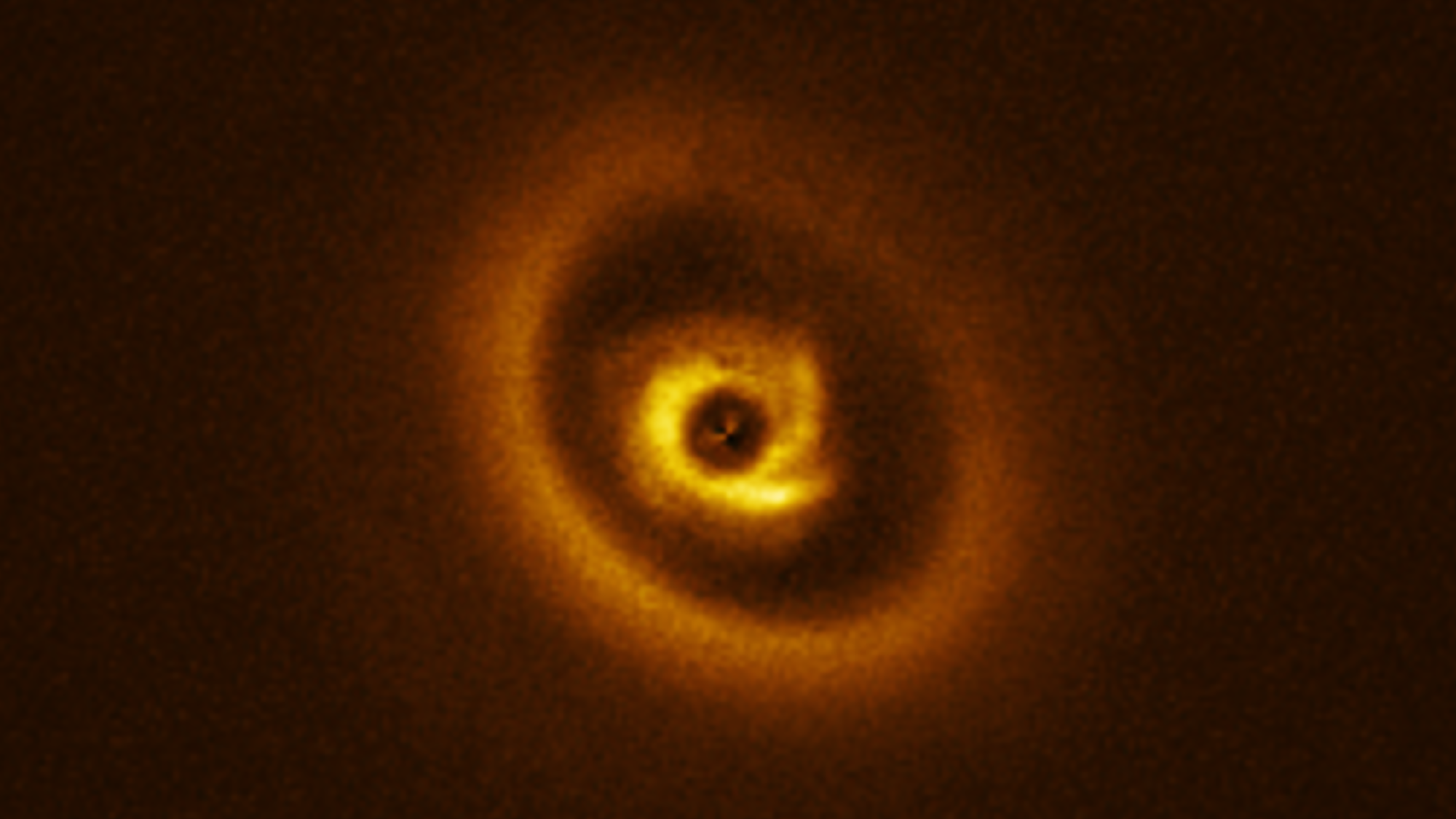
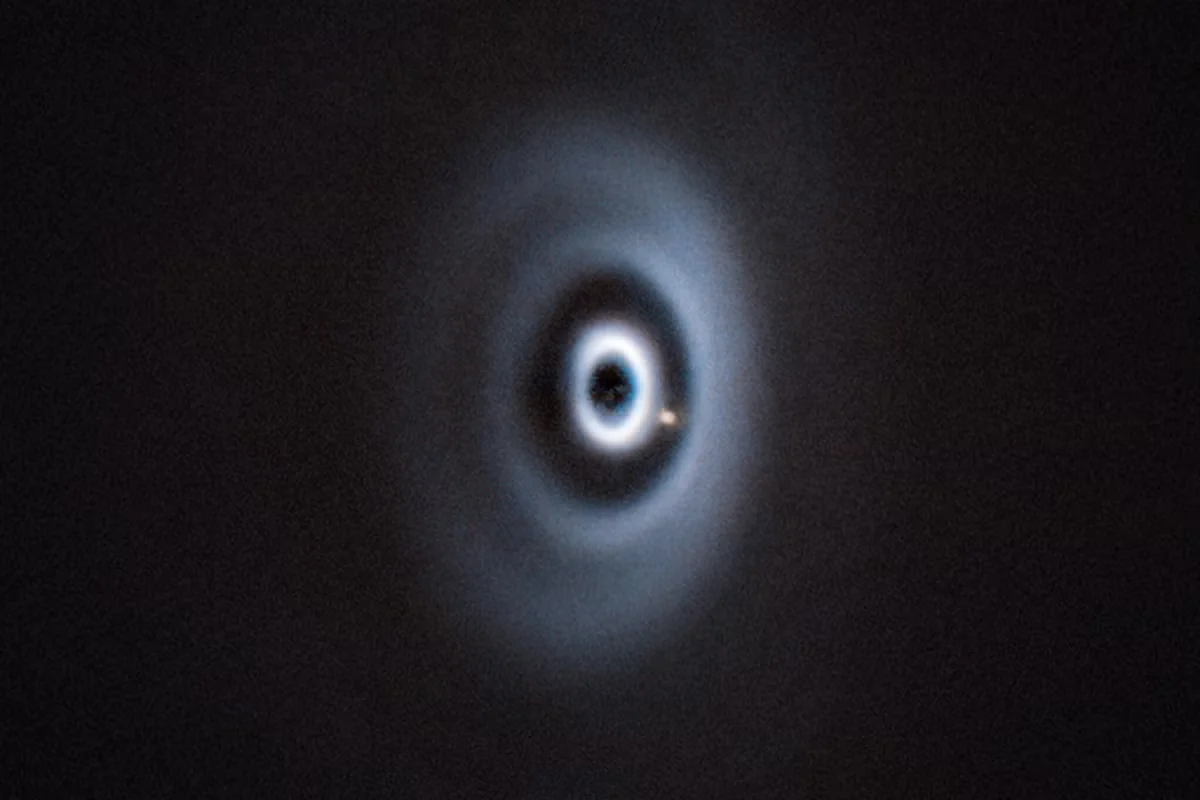
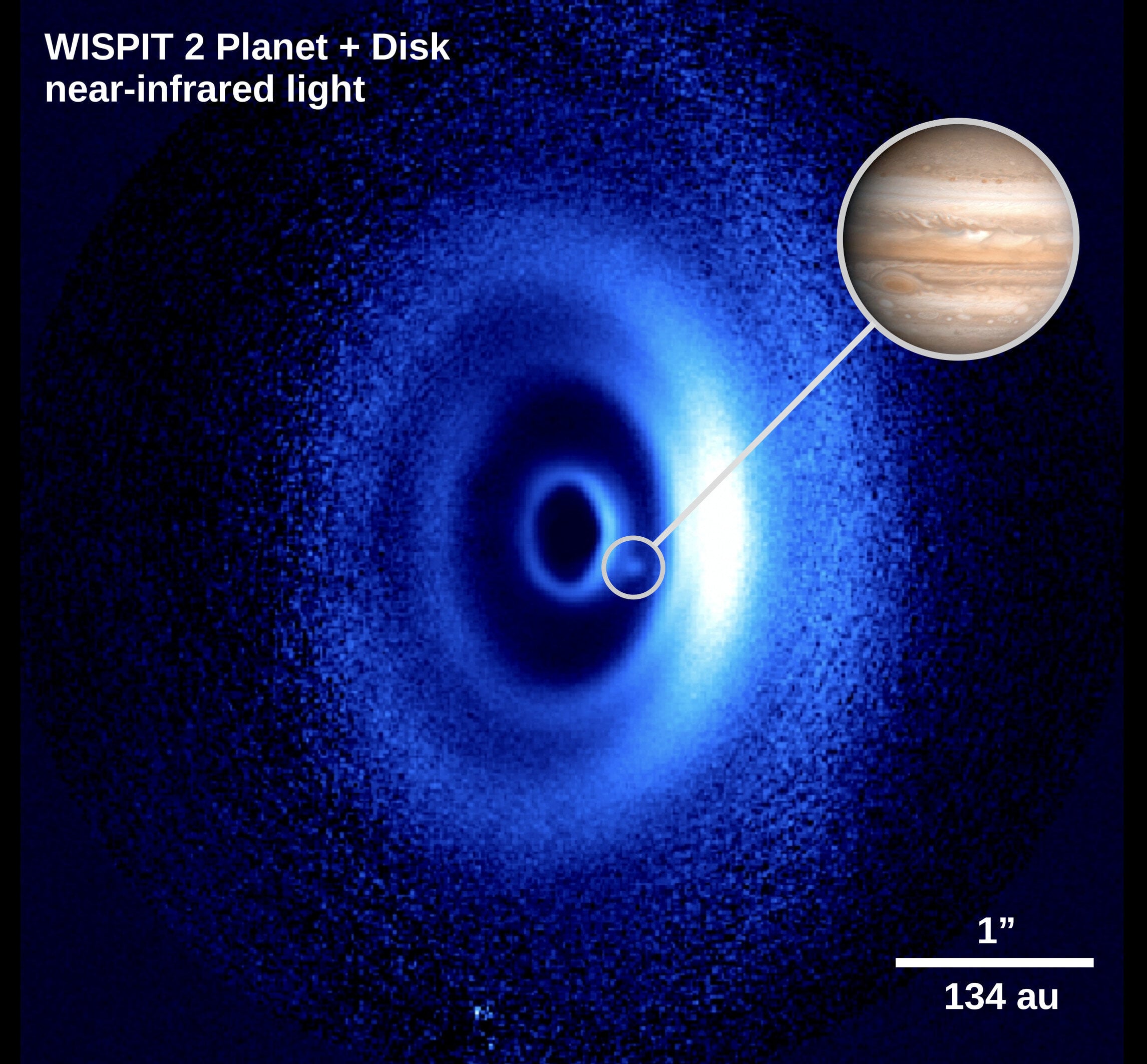
Irish Astronomers Discover a Stunning New Planet in Formation

Astronomers, including researchers from Galway, have discovered a new planet, WISPIT 2b, around a young star using ESO's VLT in Chile. This five-million-year-old gas giant, similar in size to Jupiter, was detected in infrared and visible light, providing insights into early planet formation. The discovery, made in a dust disk with multiple rings, is only the second of its kind around a star this young, offering valuable data for understanding planetary development.
astronomy1 year ago

"Violent Stellar Outburst Threatens Developing Planets"

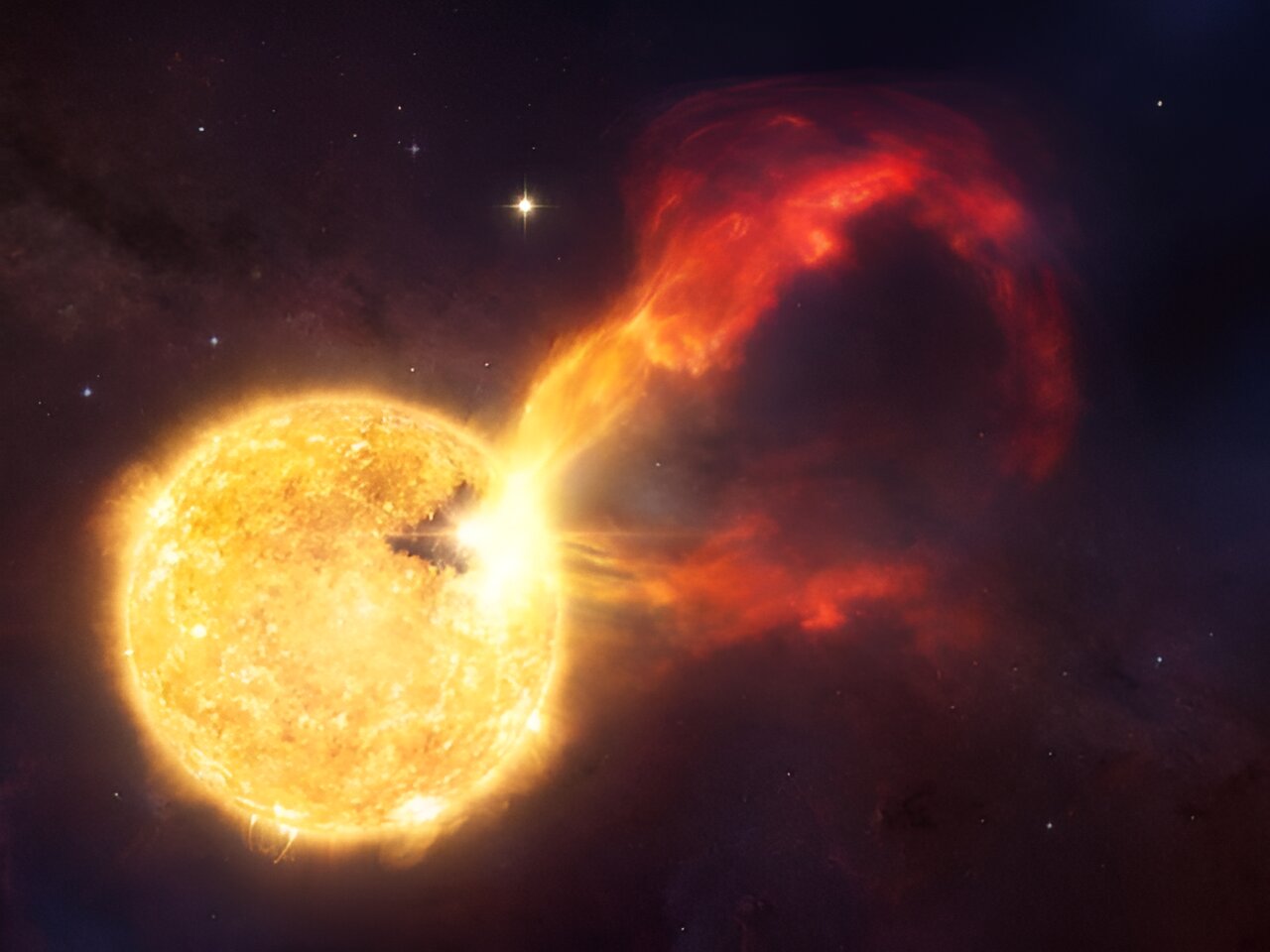
Scientists observed an extreme eruption from a young star, HD 283572, using the Submillimeter Array, indicating that developing exoplanets may face turbulent conditions. The eruption, one of the most powerful stellar flares ever seen, could have significant impacts on the formation of planets in its system. The team is continuing to monitor the star to understand the frequency and effects of such eruptions, and hopes to better understand the physics of these flares and their underlying processes.

astronomy1 year ago

"Violent Eruption on Young Sun-like Star Threatens Exoplanet Development"

Astronomers have observed an extreme eruption from a young star, HD 283572, which became over a hundred times brighter in just a few hours, shedding light on the behavior of young sun-like stars and their impact on developing planets. The eruption, detected using the Submillimeter Array, released an immense amount of energy and poses challenges for the development of exoplanets in its vicinity. Further observations are underway to understand the frequency of such flaring activity and its effects on planetary atmospheres.

astronomy1 year ago

"TESS Telescope Discovers 6 Exoplanets Orbiting Young 'Misbehaving' Star"

NASA's TESS telescope has discovered a rare system of six young exoplanets and a possible seventh orbiting a misbehaving infant star called TOI-1136, providing insight into planet formation and evolution. The system's similarity to our solar system offers a glimpse into our cosmic neighborhood's past. The planets, classified as "sub-Neptunes," are close to their star and may have atmospheres sculpted by intense radiation. Researchers hope to confirm the seventh planet and study the planets' compositions further, potentially with the James Webb Space Telescope.

astronomy2 years ago

"Metallic Planet: Half Lava, Half Ocean"

Scientists have discovered a newborn exoplanet, HD 63433 d, just 73 light-years away, offering insights into the early Earth. Orbiting a young star similar to the Sun, the Earth-sized planet is extremely close to its star, likely resulting in a surface of molten rock with temperatures reaching 1,570 Kelvin. This discovery provides a rare opportunity to study the formation and evolution of Earth-like planets and their potential for hosting life, shedding light on the ingredients necessary for life to emerge elsewhere in the Universe.

astronomy2 years ago

"JWST Uncovers Surprising Second Disk Around Young Star Beta Pictoris"

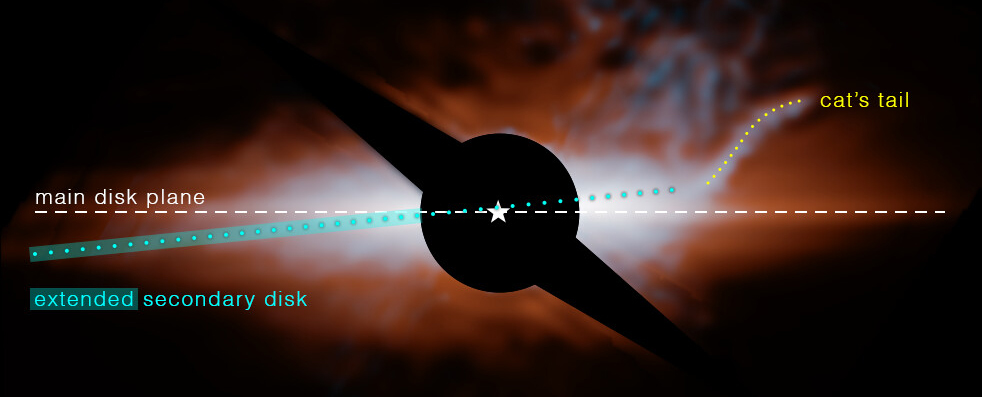
The James Webb Space Telescope has revealed a surprising second disk around the young star Beta Pictoris, which is different in temperature and composition from the previously known disk. The new structure, dubbed the "Cat's Tail," presents a mystery to scientists, who speculate that it may have been formed by a collision event within the disk. These findings highlight the potential for new discoveries even in well-studied celestial objects and call for further research to understand these unexpected features.

science-and-astronomy2 years ago

Unprecedented Discovery: Planet-Forming Disk Found Beyond Our Galaxy

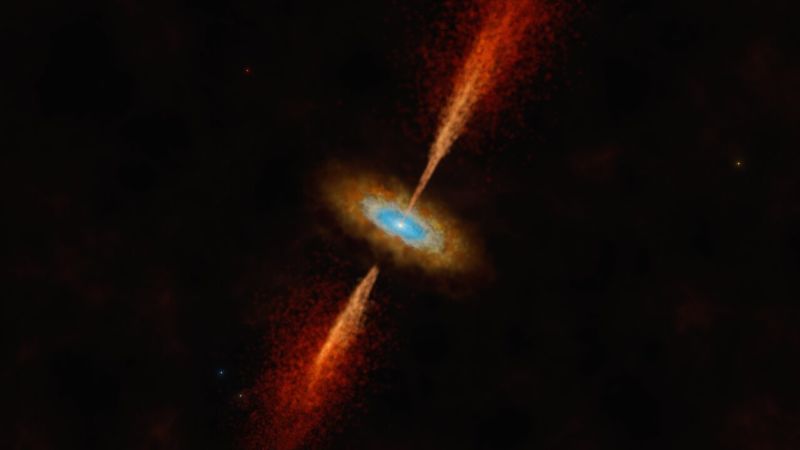
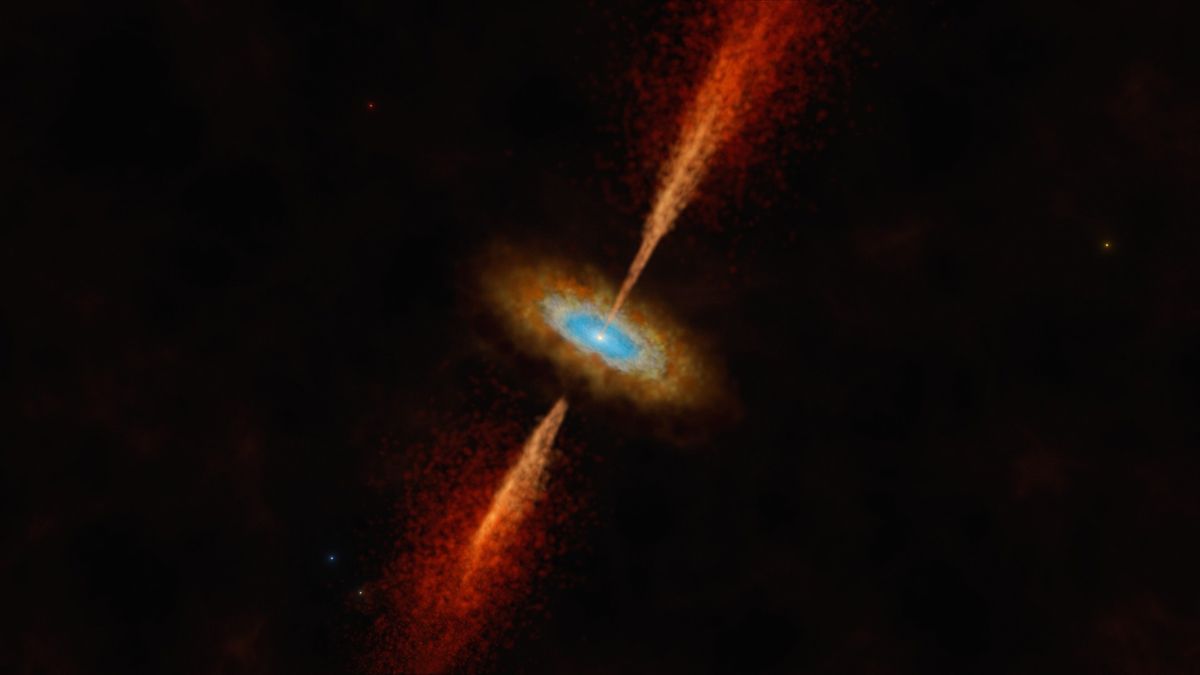
Astronomers have discovered the first extragalactic accretion disk, a swirling disk of material feeding a young star, located in the Large Magellanic Cloud, a neighboring galaxy to the Milky Way. The disk is similar to those found in the Milky Way and provides direct evidence that stars and planets form in other galaxies. The discovery was made using the Atacama Large Millimeter/submillimeter Array (ALMA), and the researchers believe that this finding could help shed light on the early stages of planet formation.

science-and-astronomy2 years ago

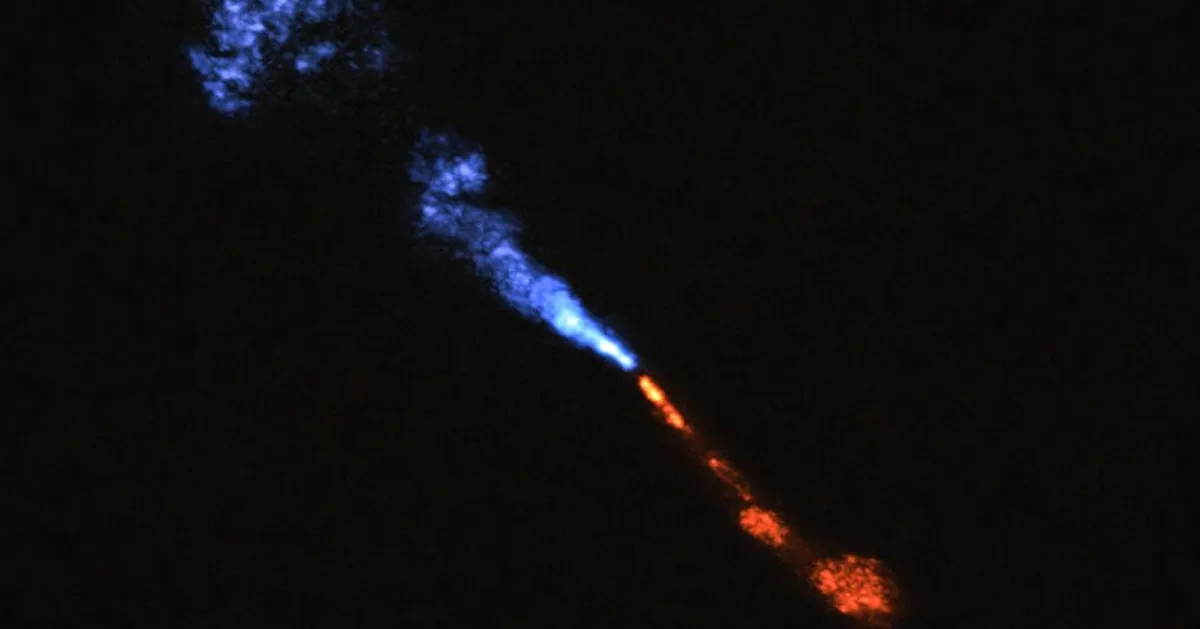
"Webb Telescope Captures Spectacular Supersonic Jets from Young Star"

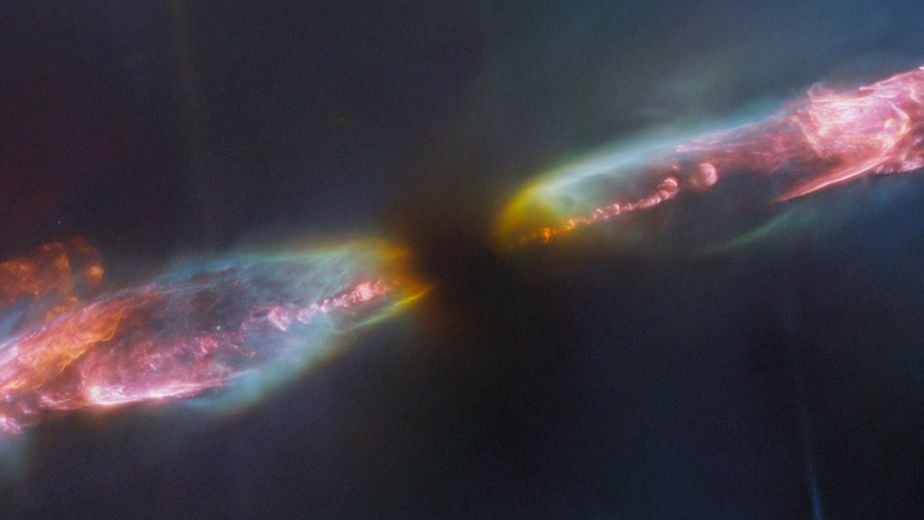
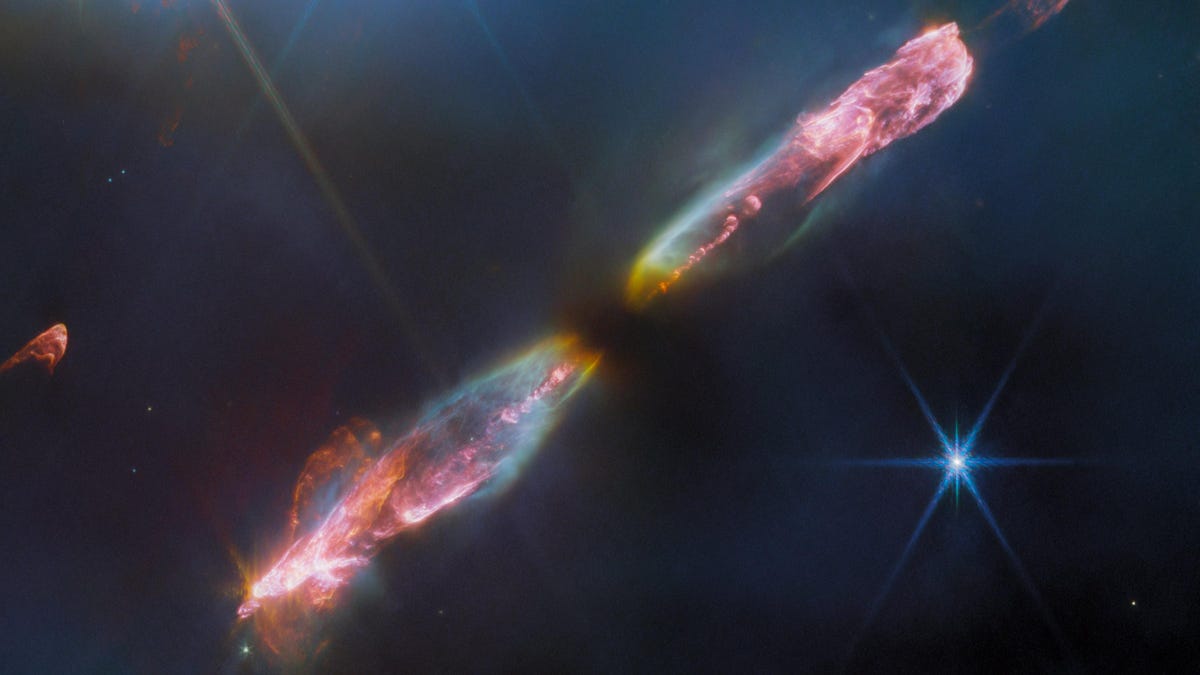
NASA's James Webb Space Telescope has captured a stunning image of Herbig-Haro 211, a young star located about 1,000 light-years away in the constellation Perseus. The image reveals jets of star matter blasting from the poles of the star at supersonic speeds. The telescope's infrared capabilities allow astronomers to study the chemical makeup and behavior of young stars, providing insights into their evolution. The jets from young stars are slower and richer in molecules compared to those from older stars, as the shock waves surrounding the young star are not yet strong enough to shred the jets' molecules into individual atoms.

space2 years ago

"Webb Telescope Captures Stunning Image of Star's Bipolar Jet"

The Webb Space Telescope has captured an image of bipolar jets known as Herbig-Haro 211, which shoot outwards in opposite directions from a young star located about 1,000 light-years away in the constellation Perseus. The jets, composed of excited emissions of molecules like carbon monoxide and silicon monoxide, were imaged using Webb's Near-Infrared Camera. The image reveals knotty and wiggling regions composed of silicon monoxide, with the outflow nearest to the protostar traveling at speeds between 48 to 60 miles per second. The resolution of Webb's infrared and near-infrared wavelengths allows for a clearer view of the jets through the surrounding gas and dust. The object still holds secrets, including the possibility that the unresolved protostar at its core may be a binary star.

astronomy2 years ago

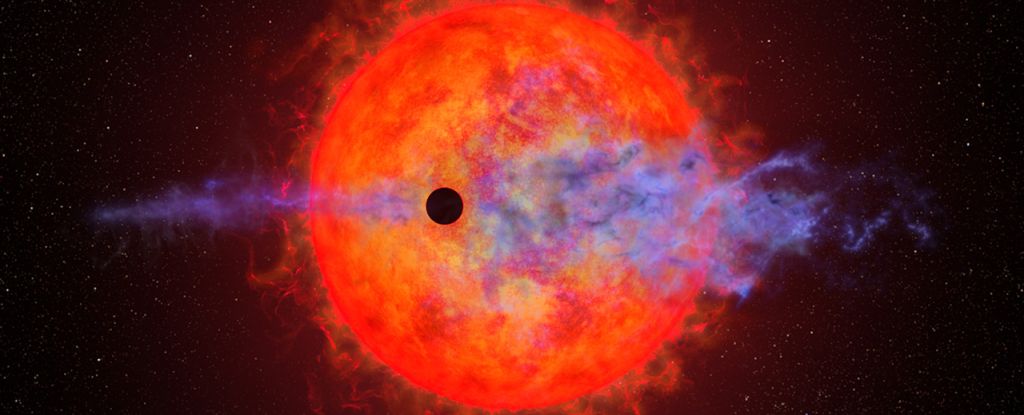
Violent Star Strips Planet's Atmosphere in Intense Encounter

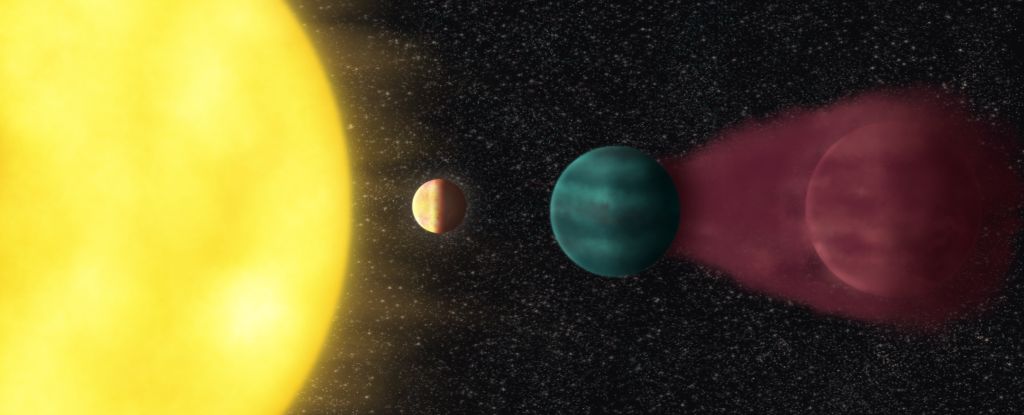
A young star, AU Microscopii, is causing its orbiting exoplanet, AU Mic b, to experience sporadic atmospheric escape. The Neptune-sized exoplanet, located just 32 light-years from Earth, is subjected to intense stellar winds, flares, and X-ray light from the active star. The unusual observation of the atmosphere rapidly switching on and off in a single orbit provides valuable insights into the interplay between the star and the planet during their early stages. The research aims to understand the mechanisms behind atmospheric stripping and the evolution of exoplanets, which is crucial for identifying habitable worlds and the potential for life beyond Earth.