Tag

Planet Discovery

All articles tagged with #planet discovery

science1 month ago

Astronomers Find Three Earth-Like Planets Orbiting Binary Stars

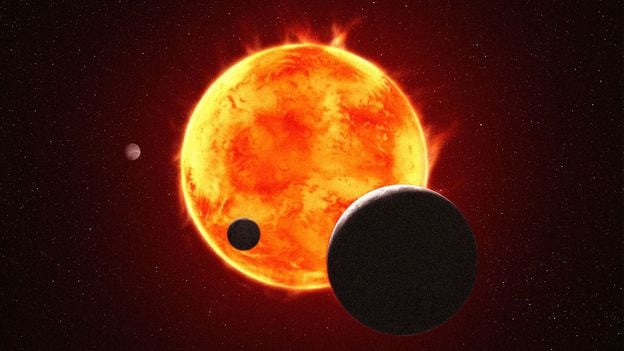
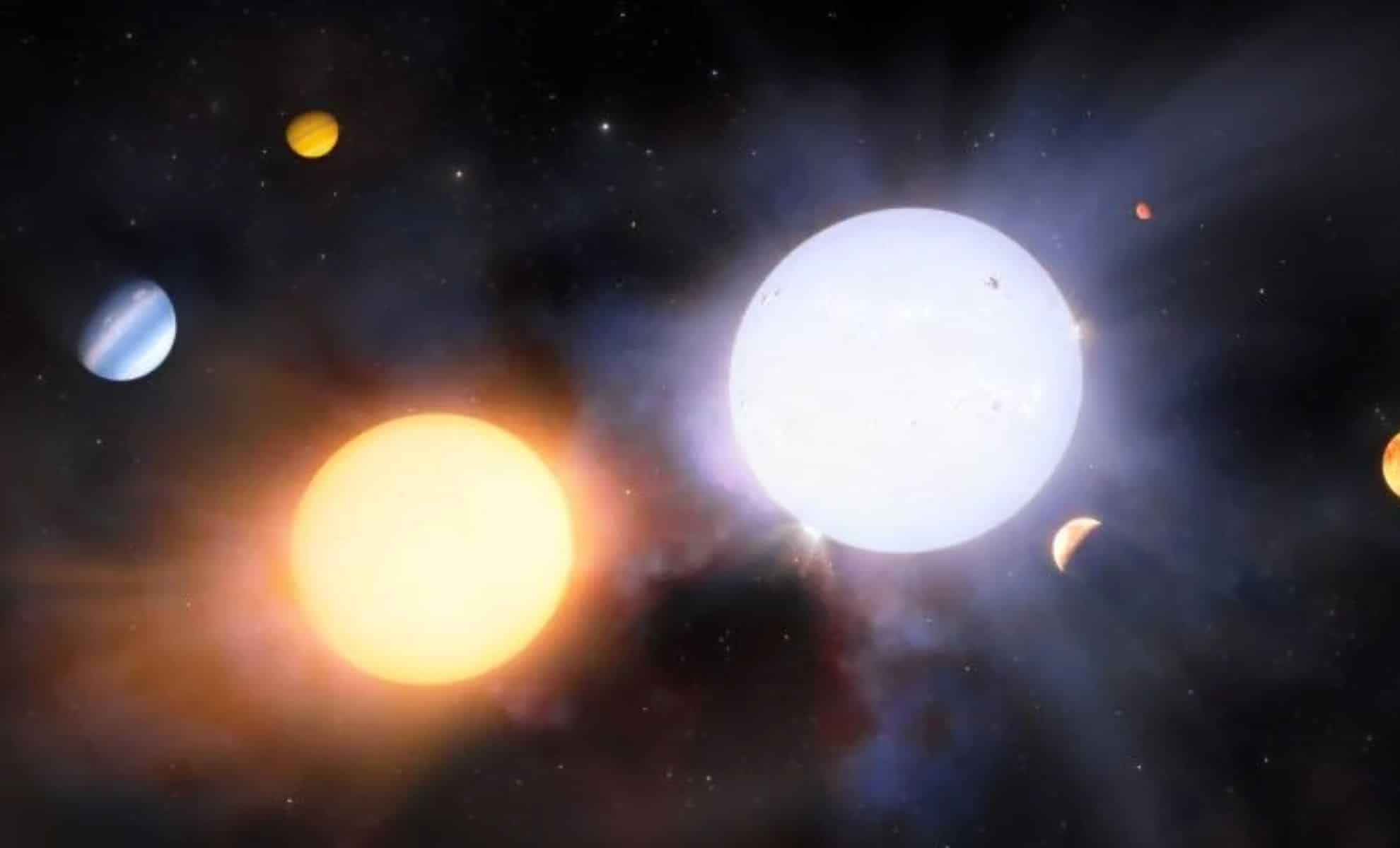
Astronomers have discovered three Earth-sized planets orbiting two stars in the TOI-2267 binary system, marking the first confirmed case of planets transiting both stars in such a system, challenging existing theories of planetary formation and demonstrating the potential for rocky worlds to exist in complex gravitational environments.
science3 months ago

30 Years of Discovering Earth-Like and Alien Worlds

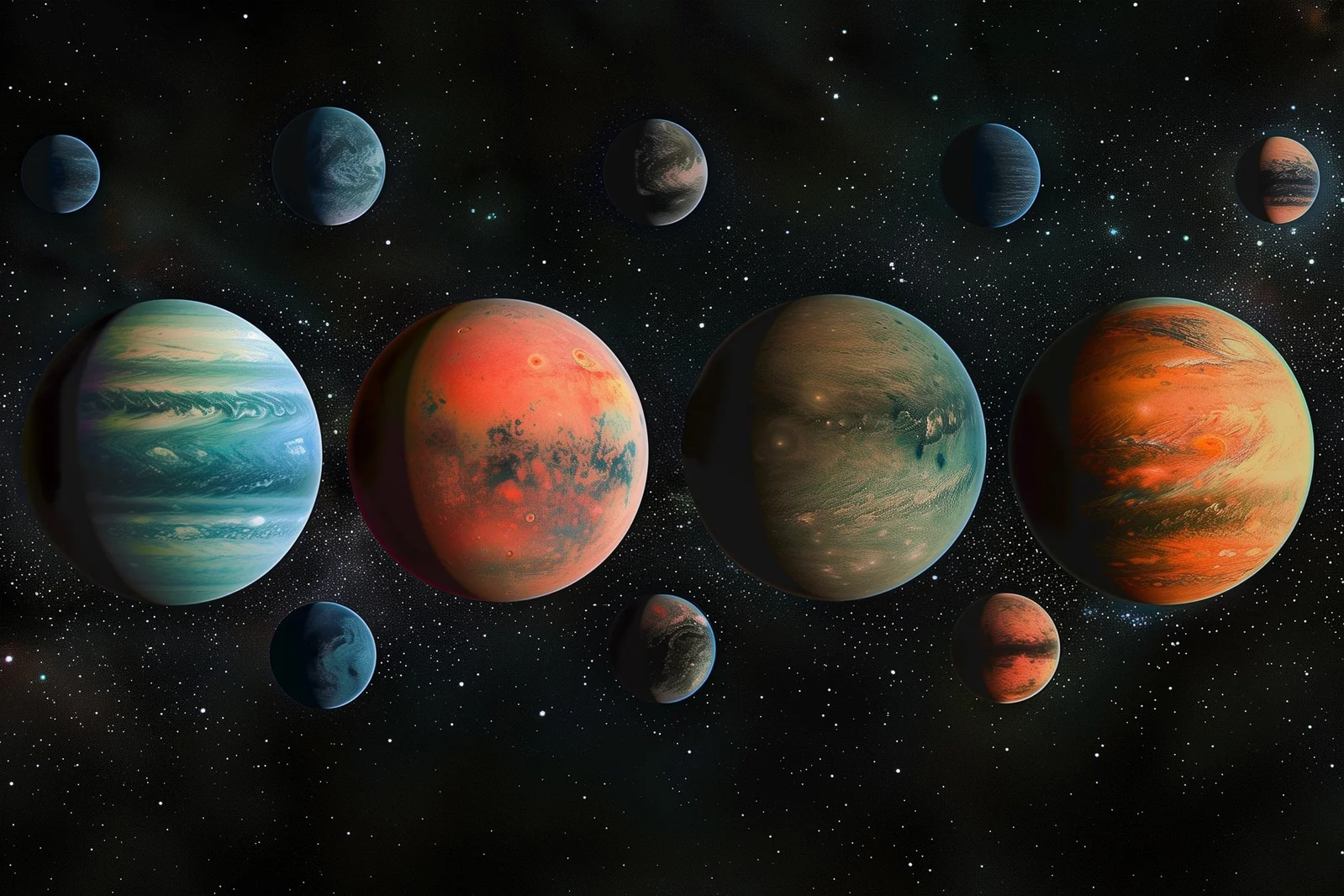
The article chronicles the history and ongoing efforts in the search for an Earth-like exoplanet, highlighting key discoveries such as the first exoplanet in 1995, the diversity of planets found since, and the current pursuit of a true Earth twin using advanced spectrographs and international collaborations, with the hope of discovering a planet similar in size, temperature, and orbit to Earth.

science3 months ago

Scientists Discover Evidence of Hidden Planet Y Beyond Neptune

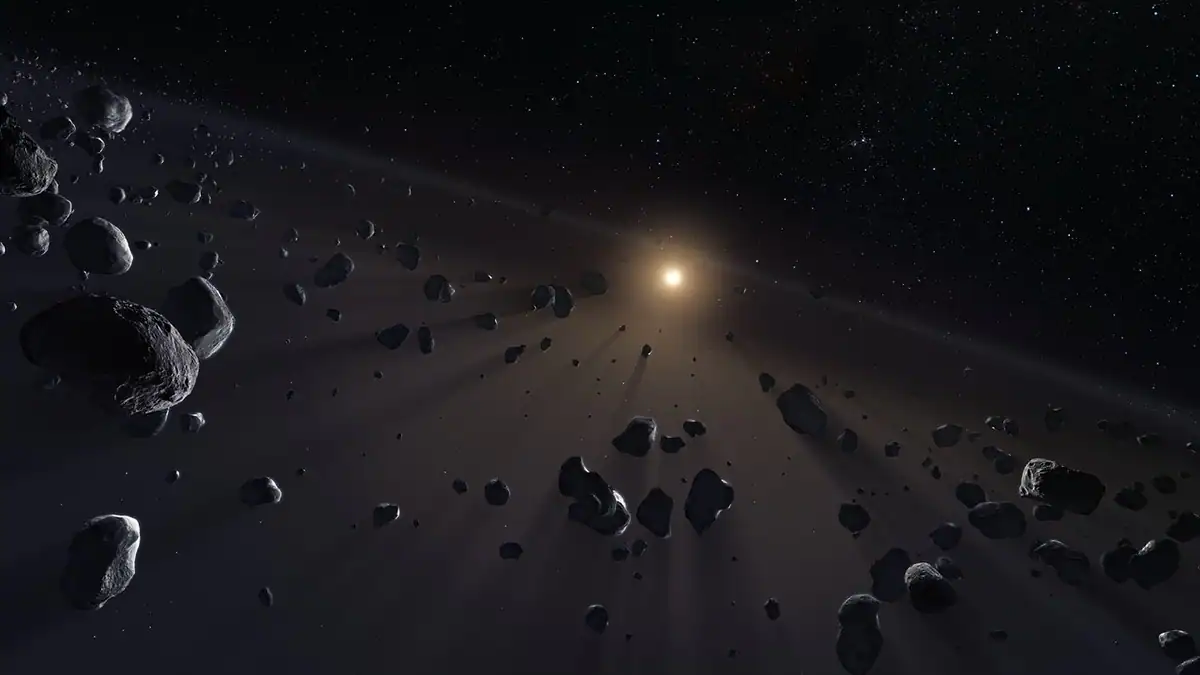
Scientists analyzing the orbits of Kuiper Belt objects have found evidence suggesting the existence of a hidden planet, called Planet Y, which could be at least 25 times more massive than Pluto and located 100-200 times Earth's distance from the Sun. This discovery is based on the warped orbital plane of distant Kuiper Belt objects, and upcoming surveys like the LSST may confirm its existence.

science4 months ago

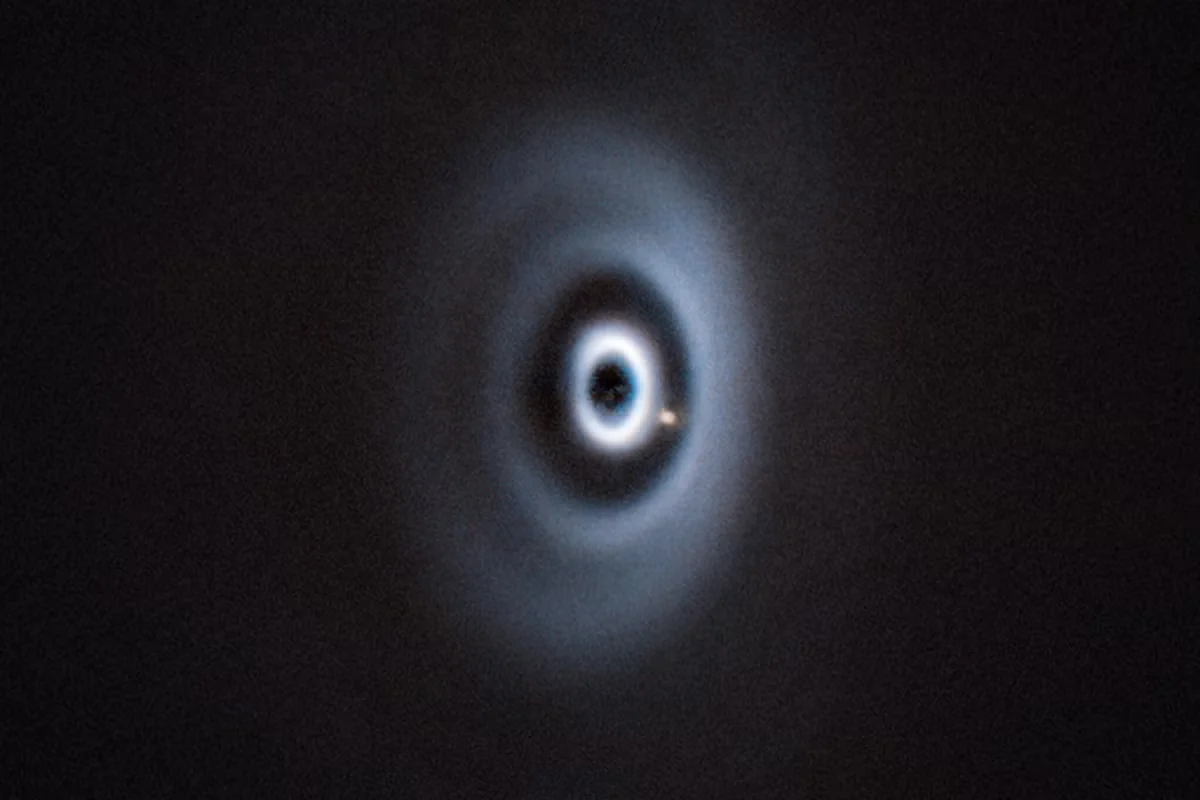
Irish Astronomers Discover a Stunning New Planet in Formation

Astronomers, including researchers from Galway, have discovered a new planet, WISPIT 2b, around a young star using ESO's VLT in Chile. This five-million-year-old gas giant, similar in size to Jupiter, was detected in infrared and visible light, providing insights into early planet formation. The discovery, made in a dust disk with multiple rings, is only the second of its kind around a star this young, offering valuable data for understanding planetary development.

science5 months ago

James Webb Telescope Detects Potential New Exoplanet Near Our Sun

NASA's JWST may have detected a Saturn-sized planet near Alpha Centauri A, the closest sun-like star, but the planet has only been observed once and remains unconfirmed. If confirmed, it would be the closest directly imaged exoplanet in the habitable zone, though its size suggests it may not support life. Follow-up observations are planned to verify the discovery.

science5 months ago

Scientists Discover Retrograde Orbiting Planet, Challenging Astronomy

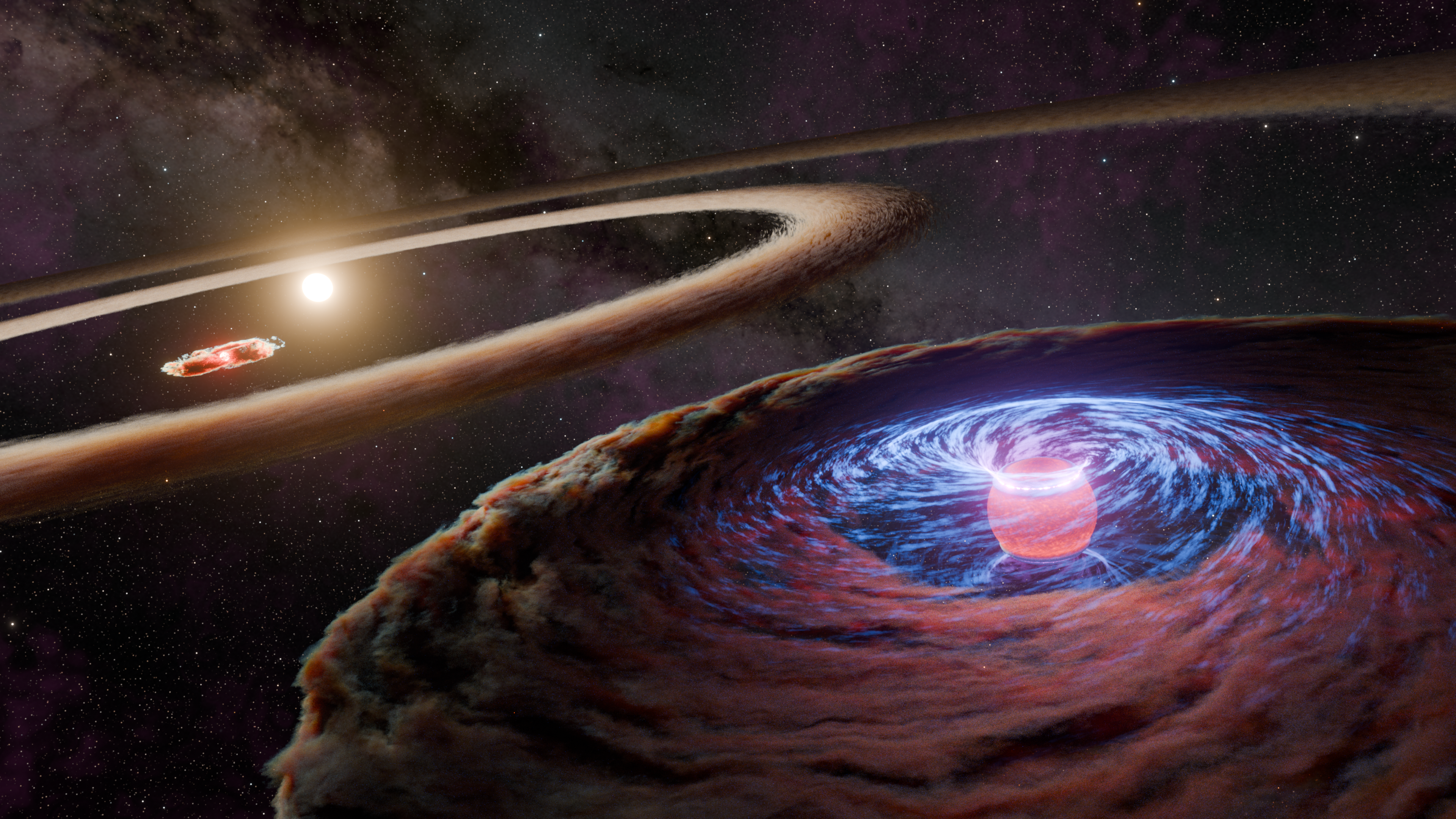
Astronomers have confirmed a planet in the nu Octantis binary star system orbiting in a retrograde direction, challenging existing theories of planetary formation and suggesting the possibility of second-generation planets formed from material expelled by a white dwarf star. This discovery, made using high-precision radial velocity data, opens new avenues for understanding planetary system evolution in complex environments.

astronomy2 years ago

Kepler Telescope's Final Planetary Discoveries Revealed.

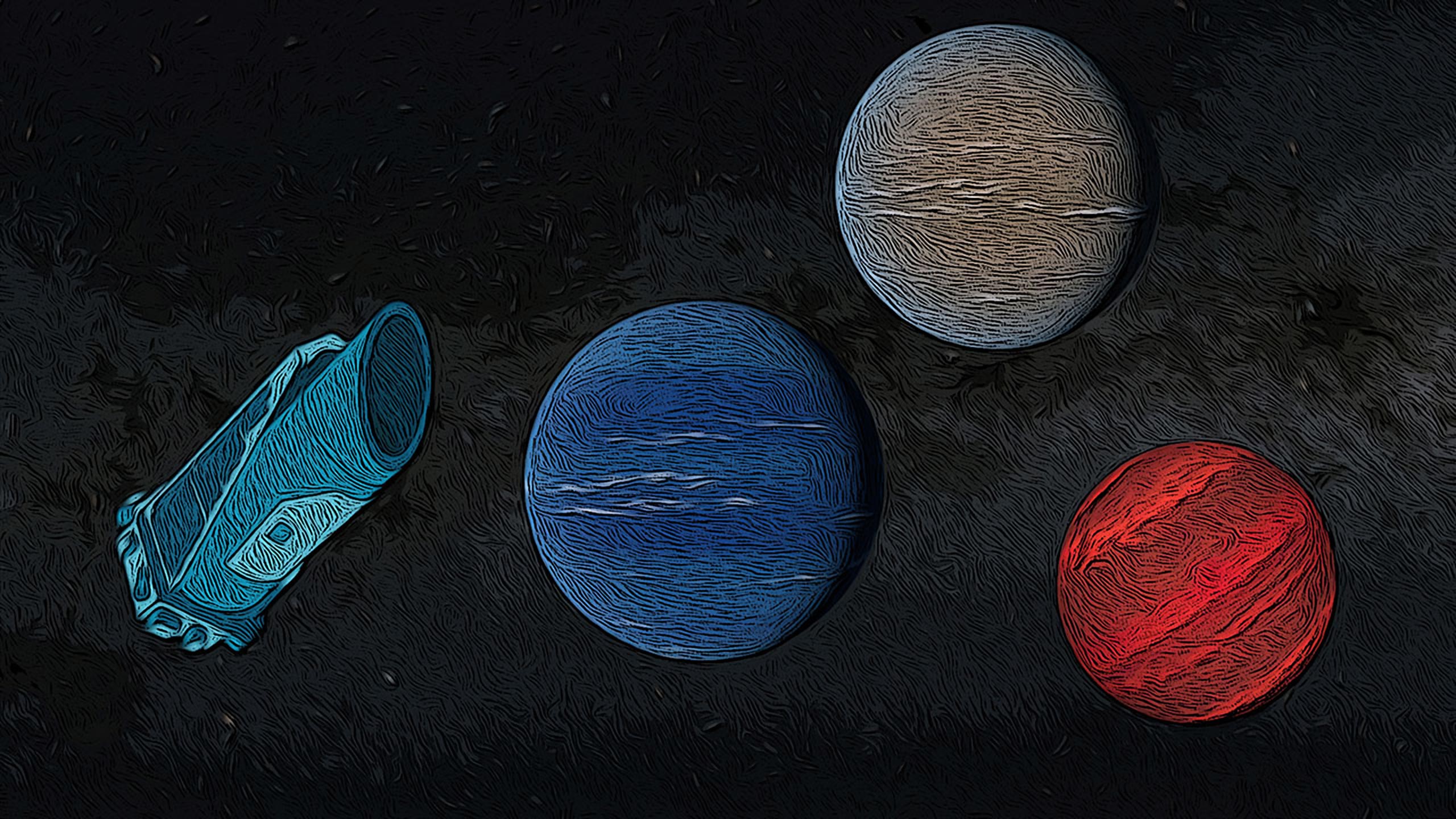
Astronomers, with the help of citizen scientists, have discovered what may be the last three planets that NASA's Kepler Space Telescope saw before it was retired. The two validated planets are K2-416 b and K2-417 b, both "hot mini-Neptunes" located about 400 light years from Earth. The third is a planet candidate, EPIC 246251988 b, which is almost four times the size of Earth and orbits its star in around 10 days, located 1,200 light years from Earth. Kepler discovered over 2,500 exoplanets during its nine and a half year mission, contributing to the confirmation of over 5,000 planets beyond our solar system.

science-and-technology2 years ago

University of Georgia Researchers Use AI to Discover New Planet

Researchers at the University of Georgia have discovered a new planet in another solar system using a machine-learning model that analyzed hundreds of images of protoplanetary planes taken by the ALMA Space Telescope in Chile. The model was developed by a PhD candidate in the Department of Physics and Astronomy and could replicate what humans had done for decades.