Mauricio Pochettino's switch to a 3-4-2-1 formation for the USMNT shows signs of tactical evolution and could influence their strategy for the 2026 World Cup, especially in midfield and wing play, though challenges remain in player selection and consistency.
Diamonds can come in various colors due to impurities like nitrogen and boron, structural deformities, or exposure to radiation, with their formation influenced by extreme pressure and temperature conditions deep within the Earth. Pink and red diamonds form under specific pressure conditions, allowing scientists to trace their geographic origins and understand Earth's geological history.
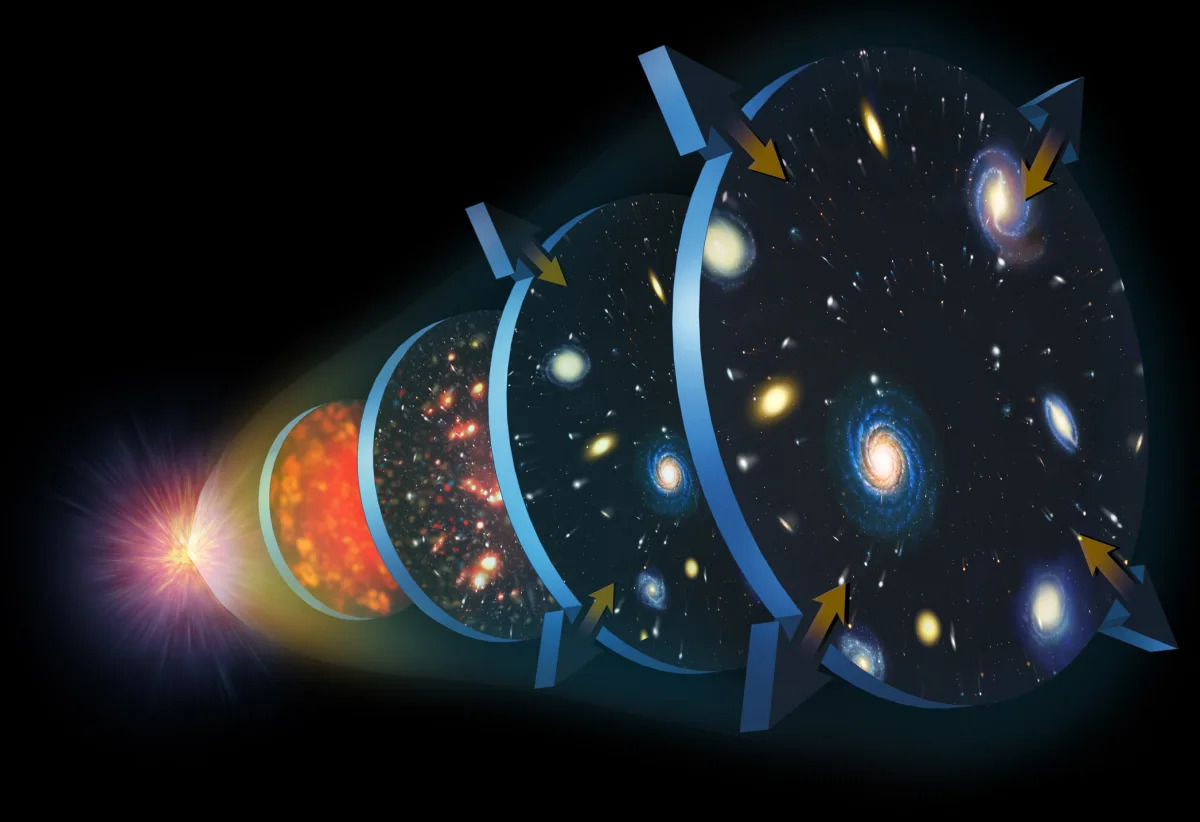
Dr. Ke-Jung Chen and a research team have used high-resolution simulations to reveal that the properties of the first galaxies are determined by the masses of the first stars. The injection of radiation, metals, and mass from these stars and their supernovae triggers a transformative process, evolving the simple early universe into a state of increasing complexity. The first galaxies exhibit irregular shapes without rotational support and have been enriched to about 0.01 solar metallicity. This finding provides valuable insights into the physics of the cosmic dawn and is significant for upcoming telescopes like the James Webb Space Telescope.
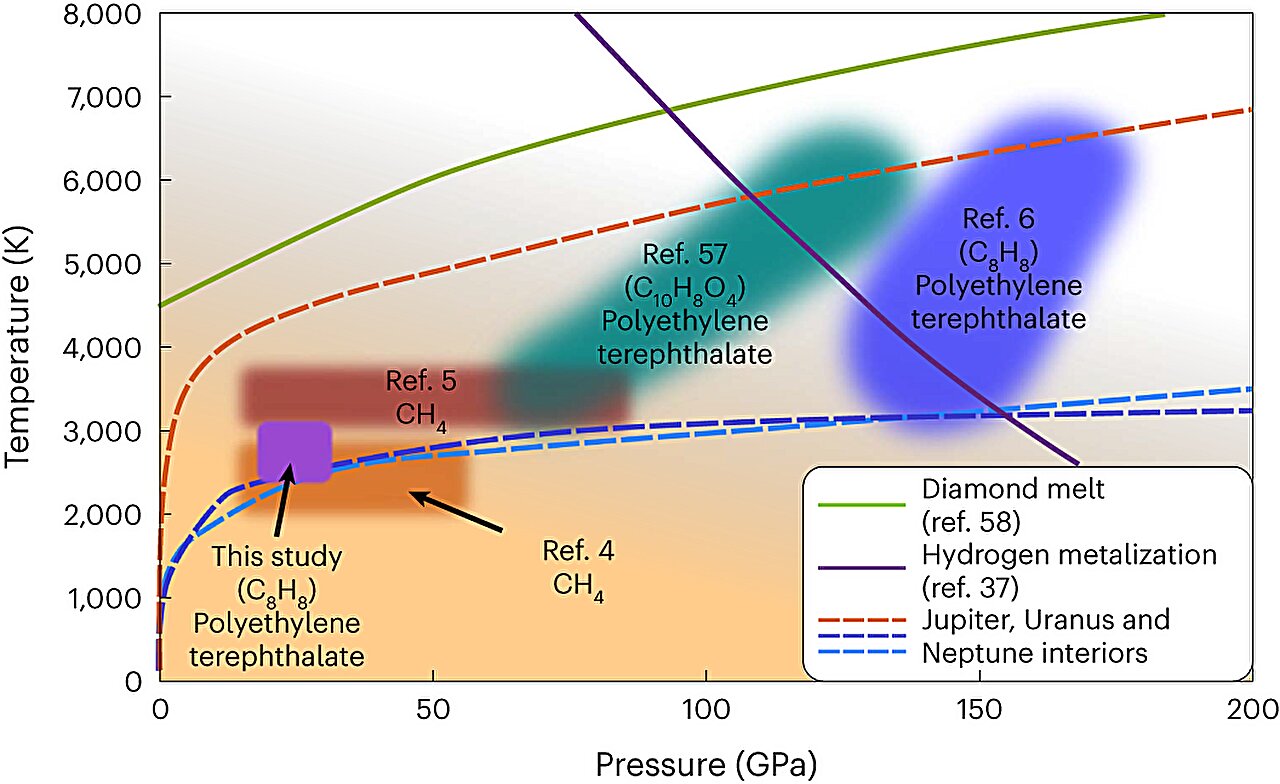
Researchers led by Dr. Mungo Frost have discovered that diamond formation on icy planets like Neptune and Uranus occurs at lower pressures and temperatures than previously thought, potentially influencing the formation of the planets' complex magnetic fields. The study, conducted at the European XFEL, used high pressure and temperature to replicate conditions inside icy gas giants, revealing insights into diamond precipitation dynamics. The findings suggest that diamond rain could also occur on smaller gas planets known as "mini-Neptunes," impacting their magnetic field formation.
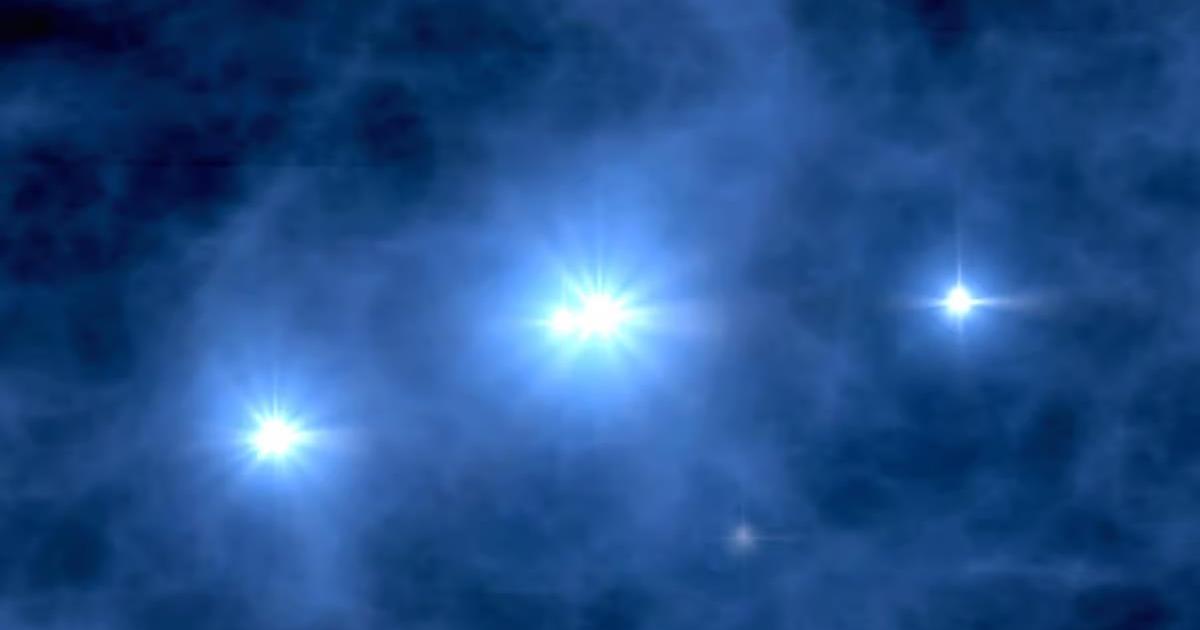
The formation of the first stars in the Universe took at least 50 million years and possibly up to 100 million years or more. Gravity slowly pulled matter together into clumps and clusters, eventually leading to the collapse of dense gas clouds and the ignition of nuclear fusion. These early stars were much larger and more massive than stars today, with an average mass about 10 times that of the Sun. The radiation emitted by these stars, dominated by ultraviolet light, ionized the surrounding neutral atoms and triggered a process known as reionization. However, the intense radiation pressure and lack of heavy elements prevented the formation of small, rocky planets. The first stars marked the beginning of a new chapter in the cosmic story, leading to the eventual formation of galaxies and the evolution of the Universe.
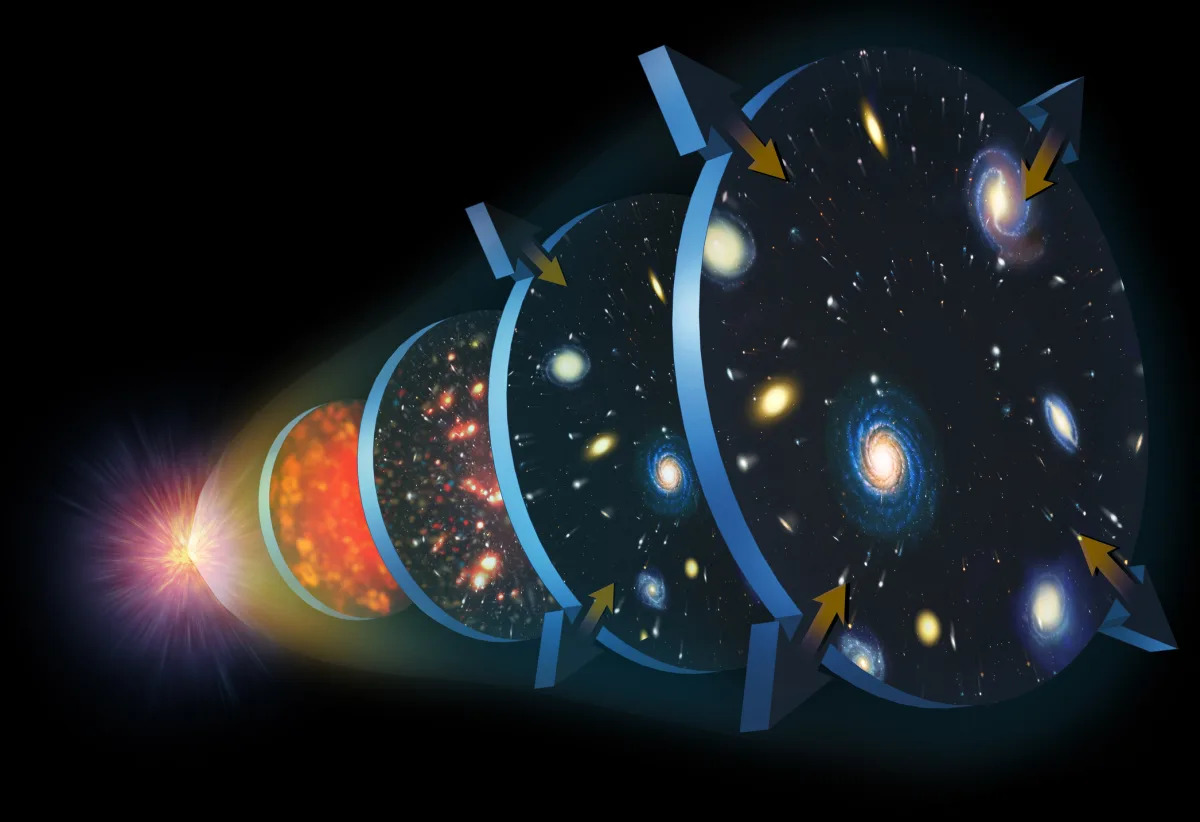
The formation of the first atoms in the universe was a gradual process that took hundreds of thousands of years after the Big Bang. Initially, there were no stable atoms due to the high energy levels and abundance of photons. However, as the universe expanded and cooled, the number of high-energy photons decreased, allowing neutral atoms to form. The dominant process for neutralization was a rare two-photon transition, where an electron drops to a lower energy state by emitting two lower-energy photons. This transition led to the formation of neutral atoms, paving the way for the cosmic structures and phenomena we observe today.
The largest recorded snowflakes, measuring 15 inches in width and nearly 8 inches in thickness, were spotted in Montana in 1887. However, these colossal flakes were actually clusters of ice crystals that had collided together. The typical size of a single snow crystal is much smaller, with the largest observed being about 10 millimeters in diameter. The main limit on snow crystal size is the fragility of larger crystals, which break apart easily in windy conditions. Snow crystals can take on a variety of shapes depending on temperature and humidity, ranging from simple prisms to intricate rosettes and dendrites.
Cardinal Blase Cupich, the archbishop of Chicago, reflects on the recently concluded Synod on Synodality in Rome, emphasizing the importance of the experience over the synthesis document. He highlights the inclusion of non-bishops in the synod, the need for women to have greater roles and decision-making positions in the church, the discussion on evaluating bishops' performance, and the church's response to the abuse crisis. Cupich also mentions the absence of explicit references to LGBTQ+ issues in the document, but expects it to be addressed in future discussions. He emphasizes the importance of sharing the synodal experience with the people and replicating it in the dioceses.
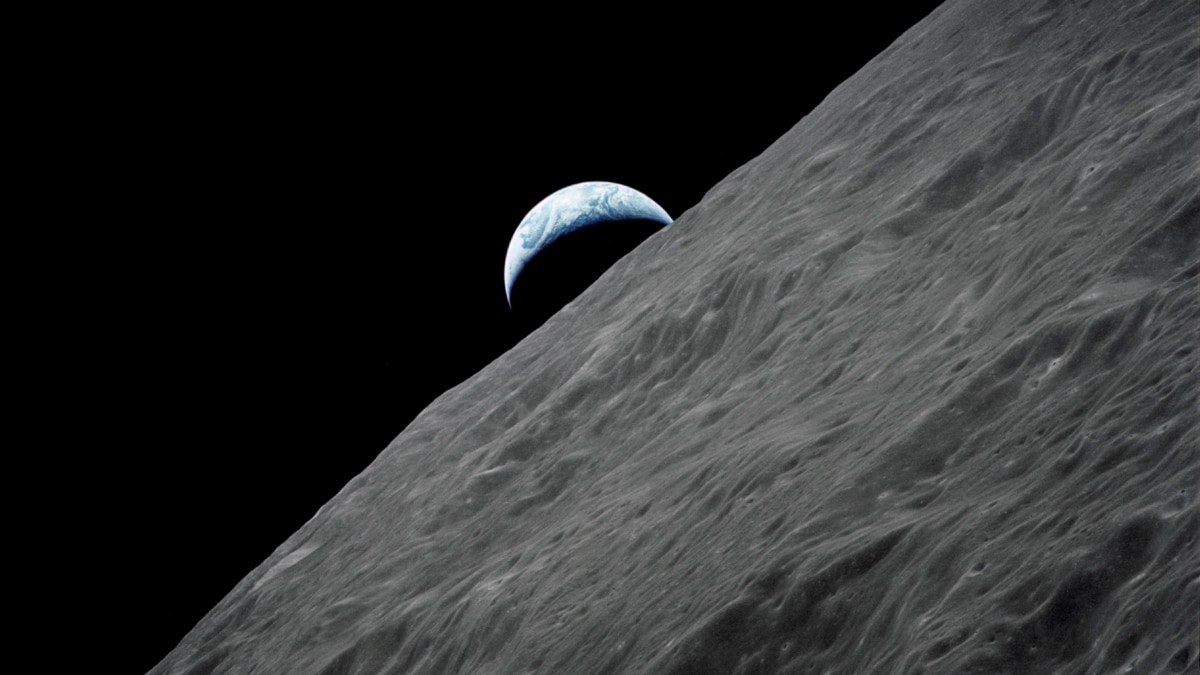
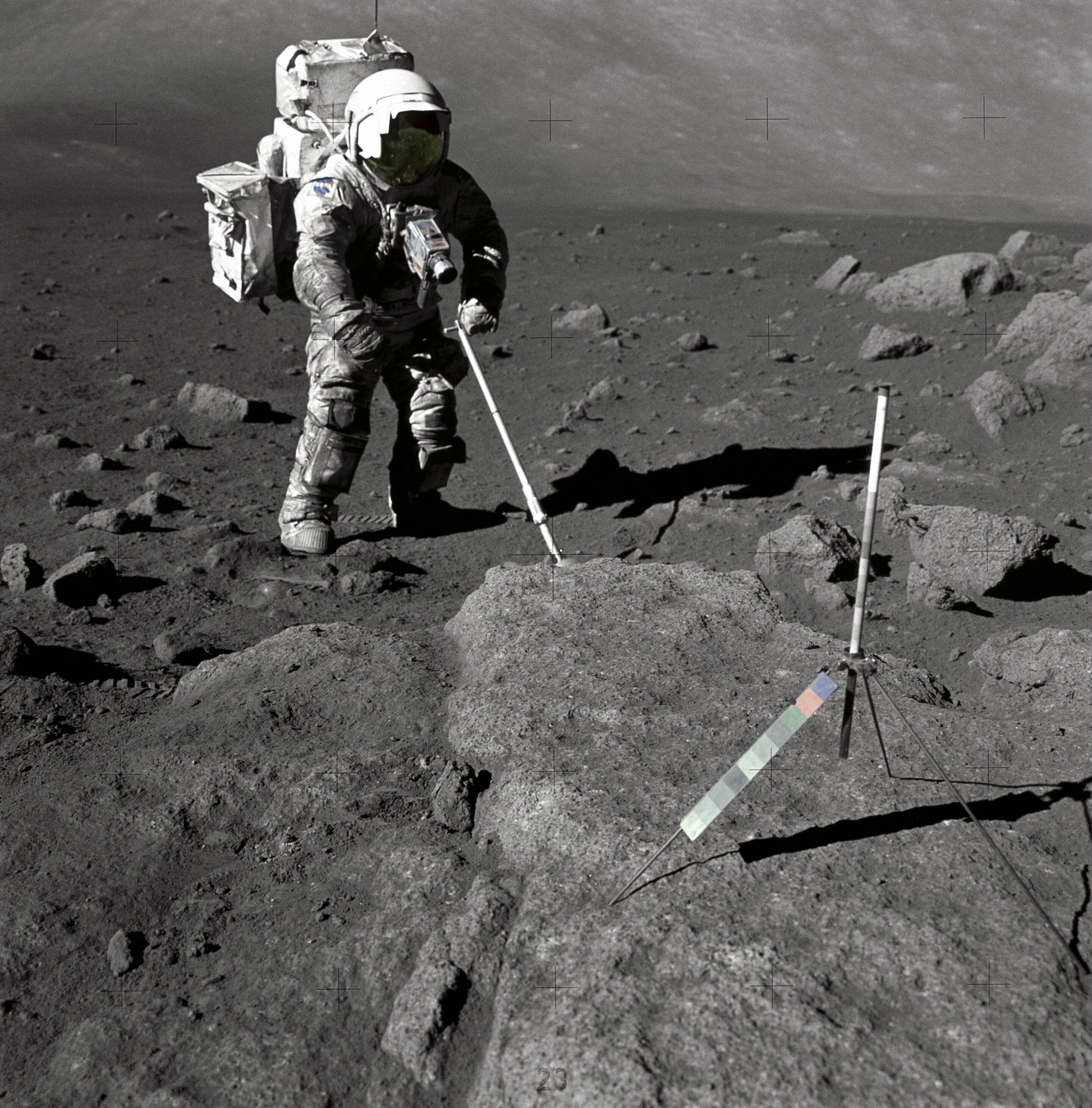
A new study based on lunar samples collected in 1972 suggests that the moon is approximately 40 million years older than previously believed, with an estimated formation date of about 4.46 billion years ago. Researchers from the Field Museum of Natural History in Chicago used atom probe tomography to examine small crystals containing the mineral zircon, which formed when the lunar surface cooled after a massive collision between Earth and a Mars-sized object. The findings provide valuable insights into the moon's formation and its impact on Earth's habitability.
A new study using lunar crystals brought back by Apollo astronauts in 1972 suggests that the moon is 40 million years older than previously thought, pushing its age to at least 4.46 billion years. The study used an analytical method called atom probe tomography to determine the age of the oldest known lunar crystal. The findings provide valuable insights into the moon's formation and its role in stabilizing Earth's rotational axis and tides.
The elements in the universe formed through a series of processes starting from the Big Bang. Initially, the universe was a hot plasma of quarks and gluons, which eventually cooled down and allowed the formation of protons and neutrons. The first atomic nuclei, primarily helium-4, were produced from the binding of protons and neutrons. The appearance of elements continued with the birth of stars, where hydrogen fused into helium, and heavier elements like carbon and oxygen were formed. More massive stars produced even heavier elements up to iron. Elements beyond iron were created through stellar deaths, such as supernovas and neutron star collisions. These energetic events also spread the elements into interstellar space, where they join new gas clouds and contribute to the formation of new stars, continuing the process of elemental recycling and enrichment of the universe.
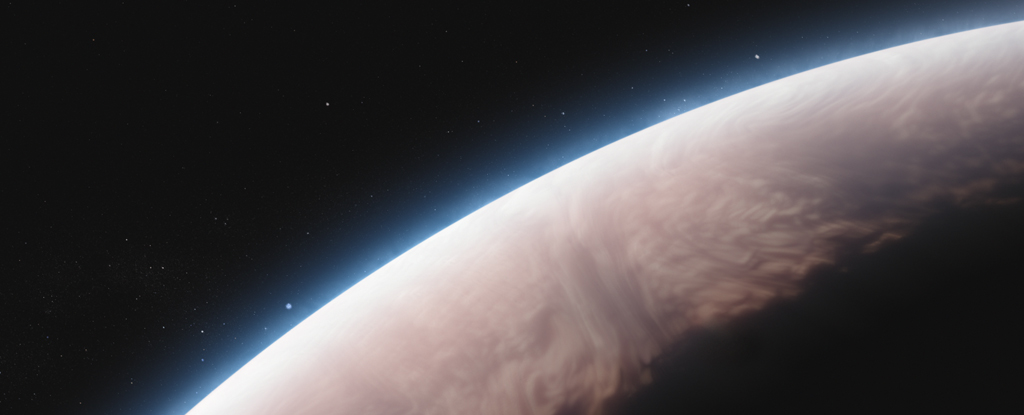
The James Webb Space Telescope's Mid-Infrared Instrument (MIRI) has detected quartz nanocrystals in the upper atmosphere of WASP-17 b, an exoplanet located 1,324 light-years away. This discovery is surprising as exoplanets have traditionally been found to possess magnesium-rich silicates. The presence of quartz could provide new insights into the formation and evolution of exoplanet clouds and their atmospheres. The quartz crystals are much smaller than those found on Earth, with a diameter of only 10 nanometers. The extreme heat and low pressure on WASP-17 b allow solid crystals to form directly from gas. Further research will focus on determining the amount of quartz in the atmosphere and the activity of the clouds.
Exoplanet GJ 367b, dubbed the "super Mercury," is an extreme planet that is almost twice as dense as Earth, suggesting it is made of solid iron. Scientists believe that GJ 367b was once the core of an ancient rocky planet, with the iron core now making up over 90% of the planet. Possible formation scenarios include collisions that stripped away its outer layers or intense radiation from orbiting close to its star. Further investigations into GJ 367b could provide insights into the formation and evolution of rocky planets and those with short orbital periods.