Tag

Milky Way Galaxy

All articles tagged with #milky way galaxy

"Get Ready to Witness a Once-in-a-Lifetime Exploding Star Event in Florida"

Originally Published 1 year ago — by WKMG News 6 & ClickOrlando

Featured image for "Get Ready to Witness a Once-in-a-Lifetime Exploding Star Event in Florida"
Source: WKMG News 6 & ClickOrlando

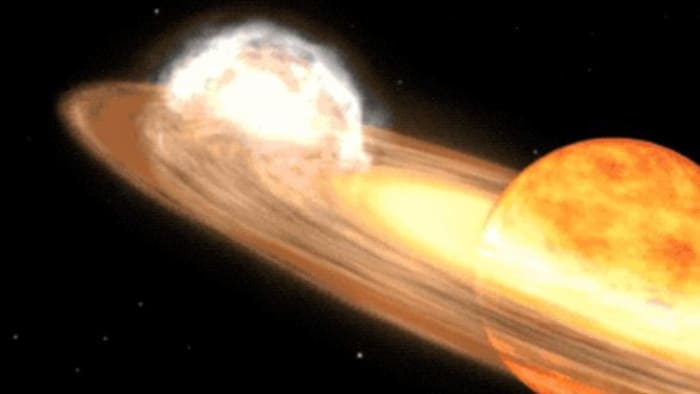
A nova outburst from the T Coronae Borealis star system is expected to be visible in the night sky over Florida sometime between now and September 2024, providing a rare opportunity for skywatchers. This recurring event, which occurs roughly every 80 years, is caused by a binary system consisting of a red giant and a white dwarf. While the exact timing is uncertain, the burst is expected to make the star system as bright as the North Star and remain visible to the naked eye for several days. Astronomers recommend looking for the "new" star within the Corona Borealis constellation and staying updated through NASA Universe for the event.
"Unveiling Shiva and Shakti: Ancient Star Streams that Shaped the Milky Way"

Originally Published 1 year ago — by CNN

Featured image for "Unveiling Shiva and Shakti: Ancient Star Streams that Shaped the Milky Way"
Source: CNN

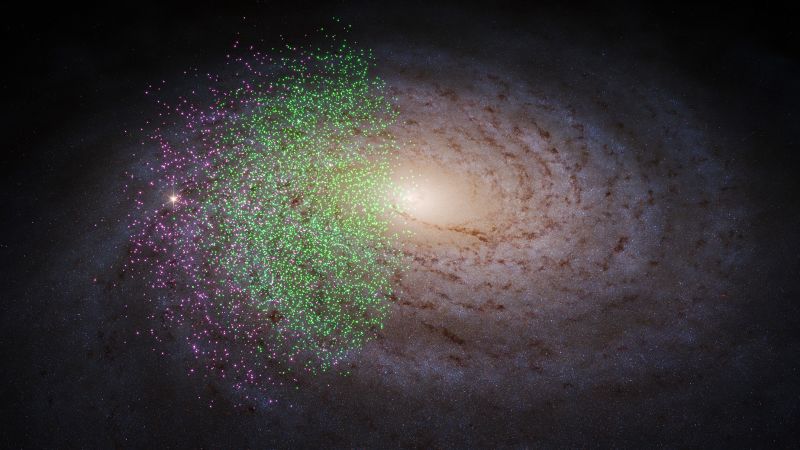
Astronomers using the Gaia space telescope have discovered two ancient streams of stars, named Shakti and Shiva, which are remnants of galaxies that merged with an early version of the Milky Way over 12 billion years ago. These streams provide insights into the galaxy's earliest days and its evolution, shedding light on how the Milky Way grew in size by merging with other galaxies. The unprecedented data from Gaia has enabled the detection of these ancient structures, contributing to a fuller understanding of the Milky Way's cosmic history.

"Imagining Our Solar System in the Andromeda Galaxy"

Originally Published 1 year ago — by Sky at Night Magazine

Featured image for "Imagining Our Solar System in the Andromeda Galaxy"
Source: Sky at Night Magazine

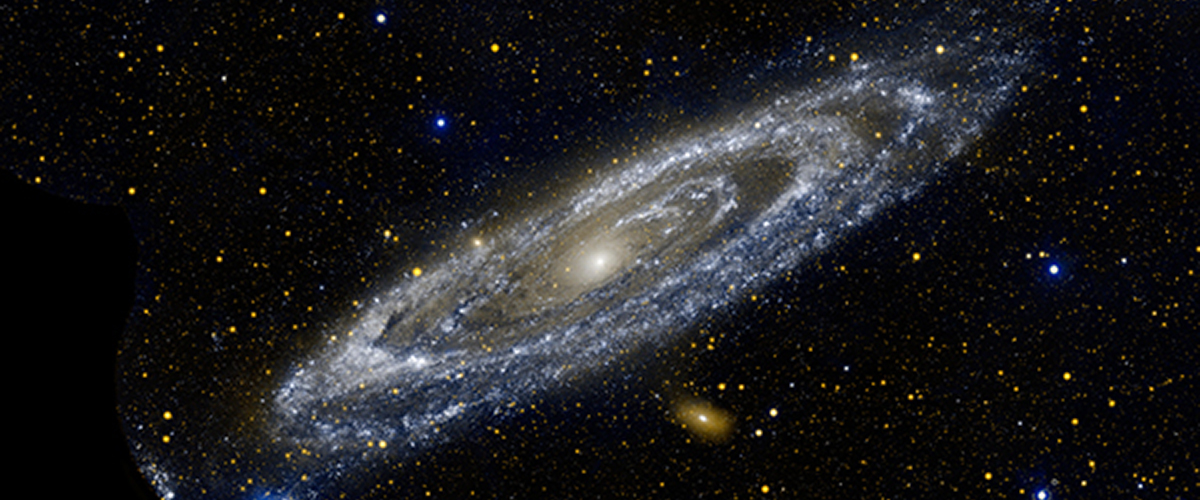
Predicting the current appearance of the Andromeda Galaxy is impossible due to its distance of 2.5 million light years away, meaning we can only see it as it was 2.5 million years ago. If we could observe it now, it would likely appear similar, with minimal changes over such a timescale. Looking back at our own Milky Way from Andromeda, our Solar System would be indiscernible among the billions of stars in one of its spiral arms, while the familiar constellations from Earth would become distorted and unrecognizable.

"Revealing the Weird and Wonderful Ways Planets Form in Galactic Nurseries"

Originally Published 1 year ago — by Daily Mail

Featured image for "Revealing the Weird and Wonderful Ways Planets Form in Galactic Nurseries"
Source: Daily Mail

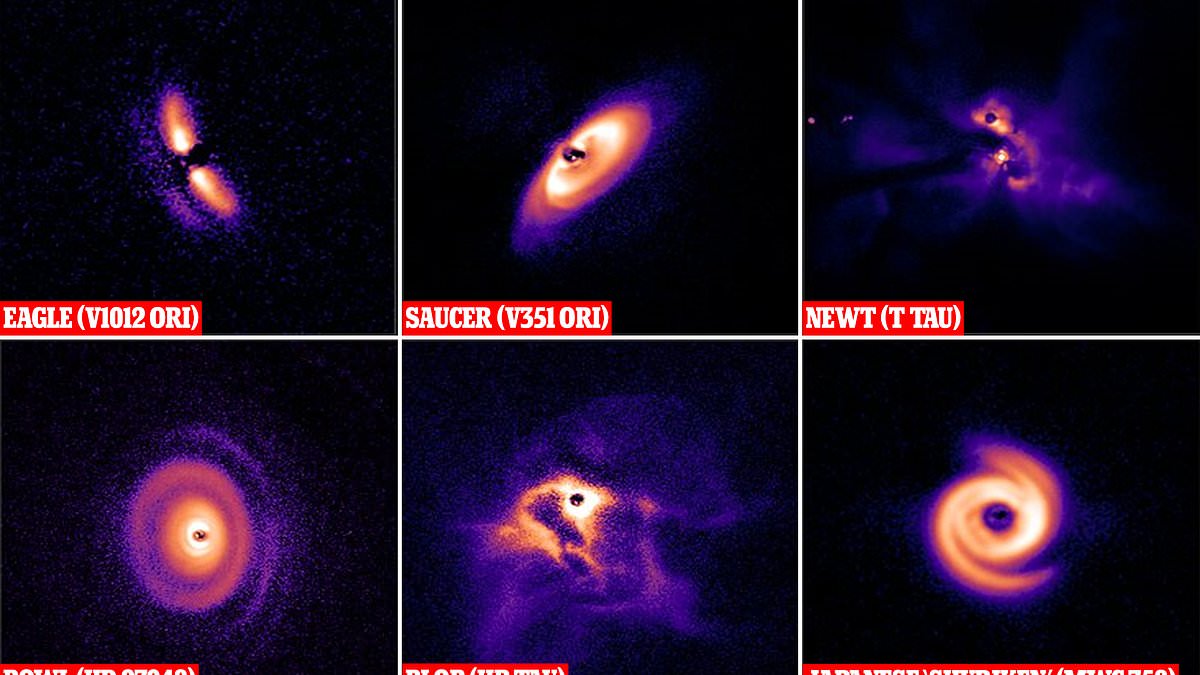
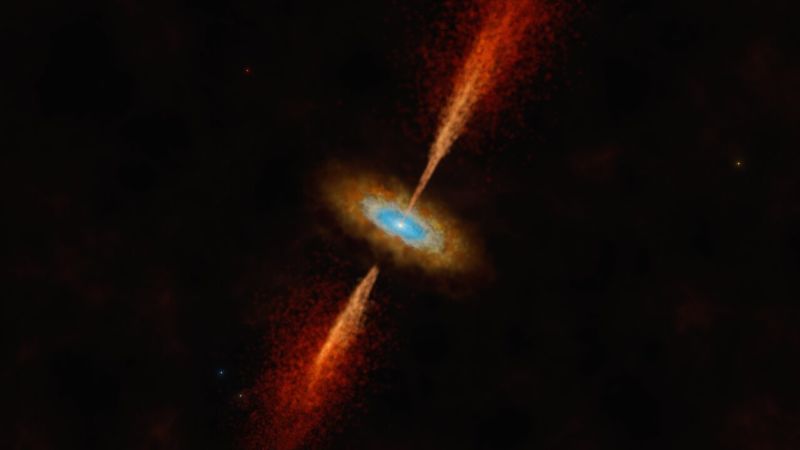
Stunning new images released by the European Southern Observatory's Very Large Telescope reveal the incredible variety of planet-forming discs surrounding young stars in the Milky Way, with swirling rings of gas and dust resembling bizarre objects like an eagle spreading its wings or a Japanese 'shuriken' throwing weapon. These planet-forming or 'protoplanetary' discs, located hundreds of light-years away, represent one of the largest surveys of their kind and show extraordinary diversity, with some appearing as perfect circles and others as asymmetrical blobs. The images, captured in infrared light, provide fascinating insights into star systems and suggest the possibility of massive planets embedded within the discs, potentially causing them to warp and become misaligned.

"Astronomers Uncover 'Old Smokers': Giant Ancient Stars Revealed in Milky Way"

Originally Published 1 year ago — by WAPT Jackson

Featured image for "Astronomers Uncover 'Old Smokers': Giant Ancient Stars Revealed in Milky Way"
Source: WAPT Jackson

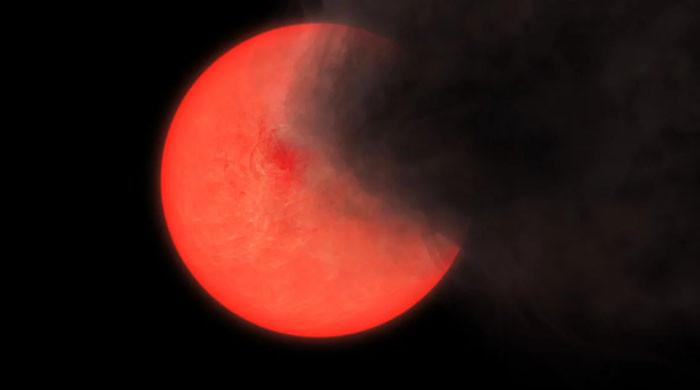
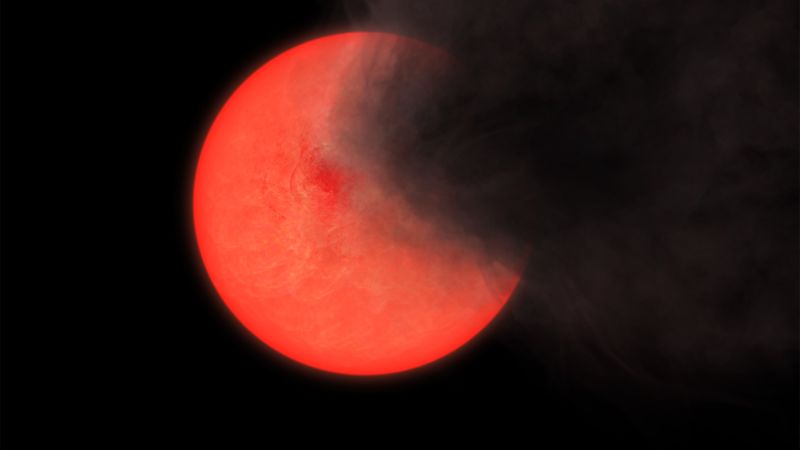
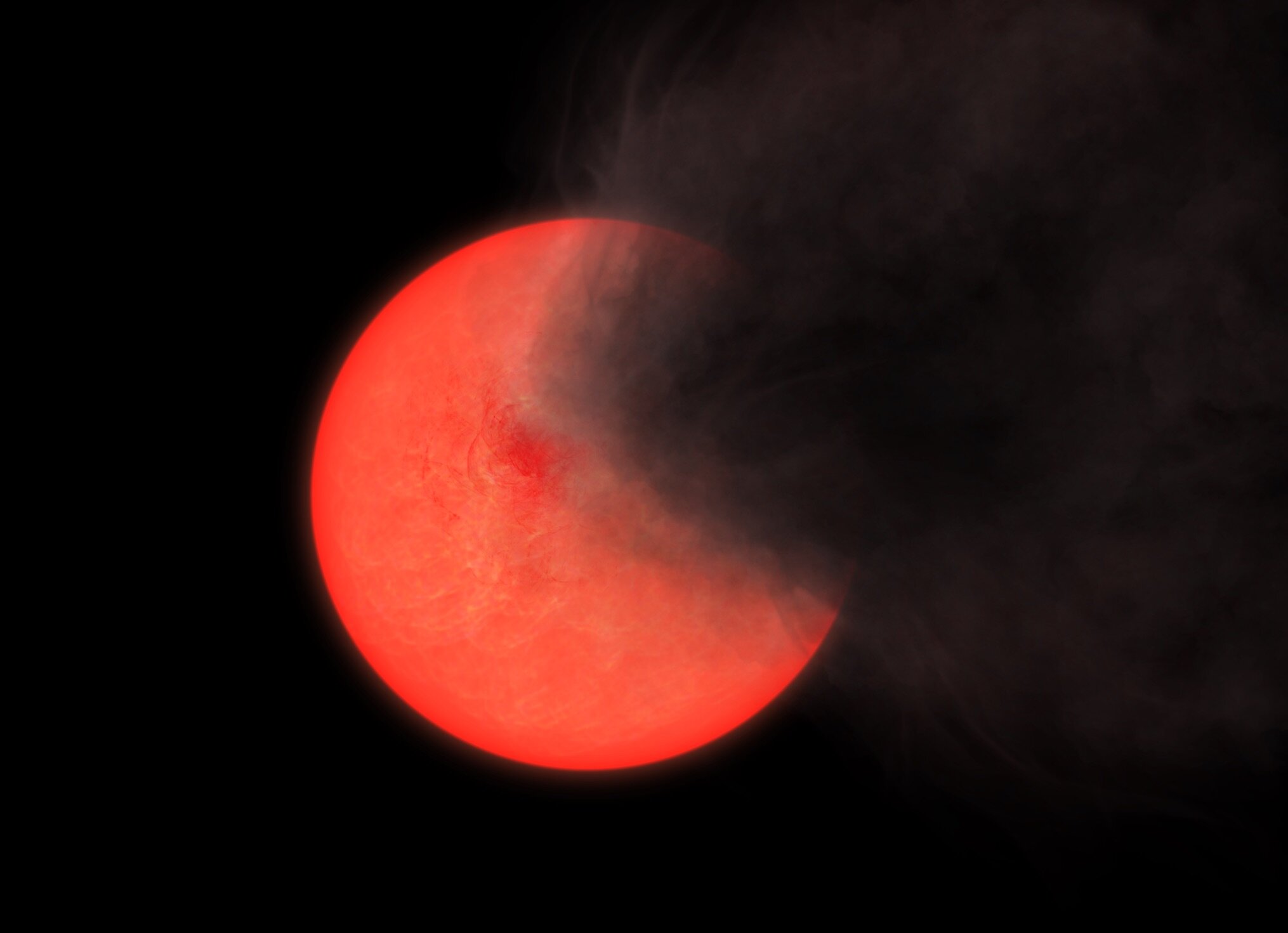
Astronomers have discovered a new type of star, dubbed "old smokers," near the center of the Milky Way galaxy. These aging, giant stars remain inactive for decades before emitting clouds of smoke and dust, potentially influencing the distribution of elements across the universe. The discovery was made during a decade-long survey involving the monitoring of nearly a billion stars in infrared light, leading to the identification of these previously hidden stellar objects. Further research is needed to understand the process behind the release of dense smoke and its impact on the spread of heavy elements in the galaxy.

"Astronomers Uncover 'Old Smokers': Giant Ancient Stars Revealed in Milky Way"

Originally Published 1 year ago — by WTAE Pittsburgh

Featured image for "Astronomers Uncover 'Old Smokers': Giant Ancient Stars Revealed in Milky Way"
Source: WTAE Pittsburgh

Astronomers have discovered a new type of star, dubbed "old smokers," near the center of the Milky Way galaxy. These aging, giant stars remain inactive for decades before emitting clouds of smoke and dust, potentially playing a role in distributing elements across the universe. The discovery was made during a decade-long survey involving monitoring nearly a billion stars in infrared light, revealing not only the old smokers but also newborn stars and unusual changes in luminosity among red giant stars. This unexpected finding could have wider significance for understanding the spread of heavy elements in the Milky Way's nuclear disc and other galaxies.

"Astronomers Uncover 'Old Smokers': Giant Ancient Stars Revealed in Milky Way"

Originally Published 1 year ago — by KCRA Sacramento

Featured image for "Astronomers Uncover 'Old Smokers': Giant Ancient Stars Revealed in Milky Way"
Source: KCRA Sacramento

Astronomers have discovered a new type of star, dubbed "old smokers," near the center of the Milky Way galaxy. These aging, giant stars remain inactive for decades before emitting clouds of smoke and dust, potentially playing a role in distributing elements across the universe. The discovery was made during a decade-long survey involving the monitoring of nearly a billion stars in infrared light, revealing not only the old smokers but also newborn stars undergoing outbursts. The old smokers, found in the innermost nuclear disc of the Milky Way, are shedding light on the process of element release from aging stars and its impact on the formation of new stars and planets.

"Astronomers Uncover 'Old Smokers': Giant Ancient Stars Revealed in Milky Way"

Originally Published 1 year ago — by WBAL TV Baltimore

Featured image for "Astronomers Uncover 'Old Smokers': Giant Ancient Stars Revealed in Milky Way"
Source: WBAL TV Baltimore

Astronomers have discovered a new type of star, dubbed "old smokers," near the center of the Milky Way galaxy. These aging, giant stars remain inactive for decades before emitting clouds of smoke and dust, potentially influencing the distribution of elements across the universe. The discovery was made during a decade-long survey involving the monitoring of nearly a billion stars in infrared light, leading to the identification of these previously hidden stellar objects. Further research is needed to understand the process behind the release of dense smoke and its impact on the spread of heavy elements in the galaxy.

"Discovery of Oldest and Strange New Stars in Milky Way Galaxy"

Originally Published 1 year ago — by Geo News

Featured image for "Discovery of Oldest and Strange New Stars in Milky Way Galaxy"
Source: Geo News

Astronomers have discovered a new type of star, known as "old smokers," near the center of the Milky Way galaxy after a 10-year study. These stars, which were once hidden, go dormant for decades before ejecting clouds of dust and smoke. Using infrared light, astronomers observed these stars for the first time, with 222 showing discernible variations in brightness, 32 of which were young stars. The discovery may provide insights into the distribution of elements throughout the cosmos.

"Astronomers Uncover Surprising 'Old Smoker' Stars in Milky Way"

Originally Published 1 year ago — by CNN

Featured image for "Astronomers Uncover Surprising 'Old Smoker' Stars in Milky Way"
Source: CNN

Astronomers have discovered a new type of aging, giant stars near the heart of the Milky Way galaxy, dubbed "old smoker" stars, which remain inactive for decades before emitting clouds of smoke and dust. These stars were identified during a decade-long survey involving the monitoring of nearly a billion stars in infrared light, revealing their unexpected behavior and potential role in distributing elements across the universe. The discovery could have wider implications for understanding the spread of heavy elements in the Milky Way's Nuclear Disc and metal-rich regions of other galaxies.

"Discovery of 'Old Smokers': Ancient Giant Stars Unveiled in the Milky Way"

Originally Published 1 year ago — by Phys.org

Featured image for "Discovery of 'Old Smokers': Ancient Giant Stars Unveiled in the Milky Way"
Source: Phys.org

Astronomers have discovered hidden stars, including a new type of elderly giant nicknamed "old smokers," at the heart of the Milky Way galaxy, using infrared light to see through the dust and gas that obscures them in visible light. The team also found rarely-seen newborn stars, known as protostars, undergoing extreme outbursts, shedding light on the formation of new solar systems. Additionally, they detected a new type of red giant star that remains dim and red for years before puffing out clouds of smoke, challenging previous understanding of stellar matter ejection and the distribution of heavy elements in the galaxy.

NASA's Webb Telescope Reveals Breathtaking Supernova Space 'Ornament'

Originally Published 2 years ago — by Deseret News

Featured image for NASA's Webb Telescope Reveals Breathtaking Supernova Space 'Ornament'
Source: Deseret News

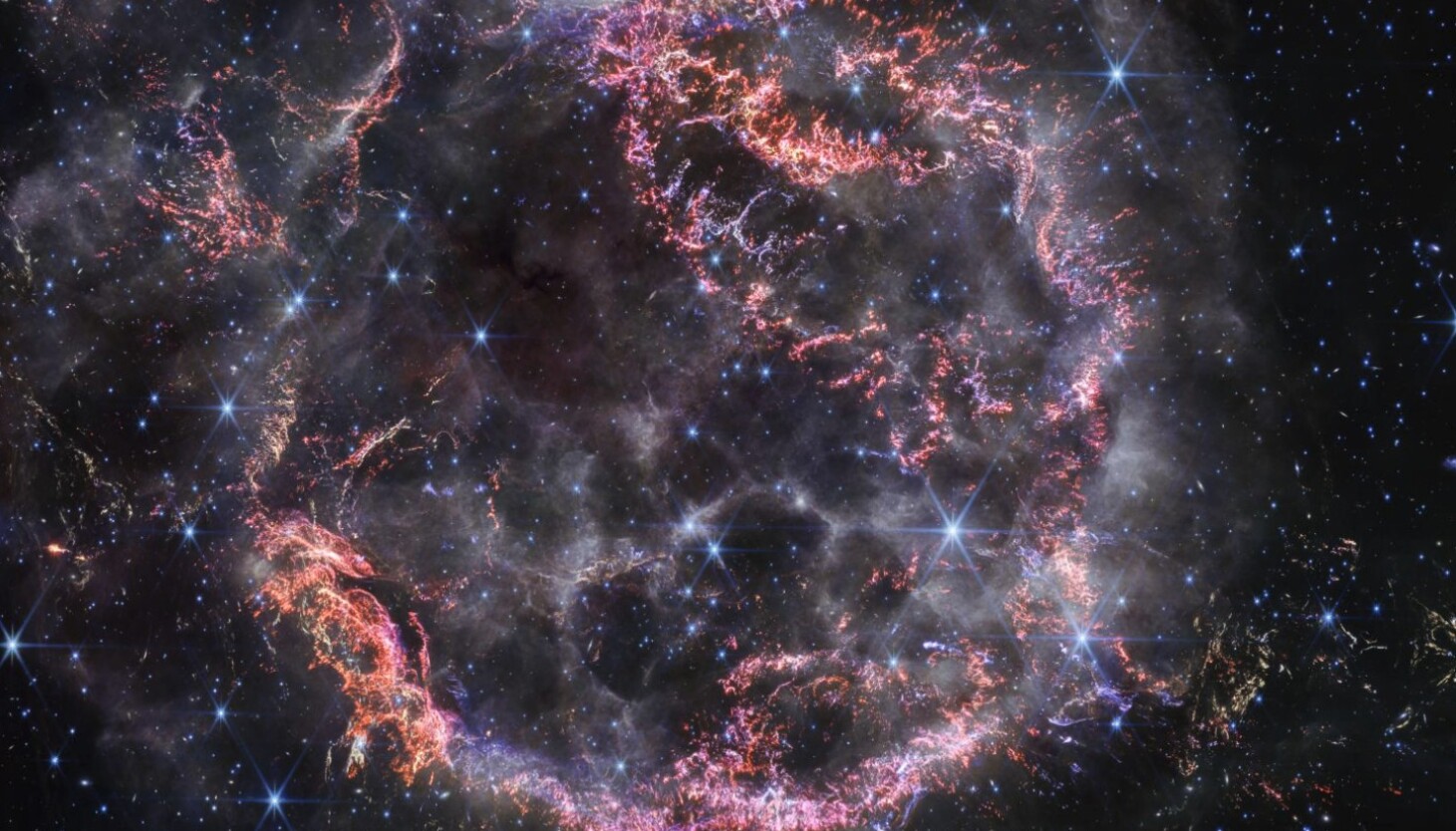
The James Webb Space Telescope has captured stunning and detailed images of Cassiopeia A, the youngest known supernova in the Milky Way Galaxy. The near-infrared images reveal intricate details of the expanding shell of material from the exploded star, resembling a shiny ornament. The Webb Telescope's infrared equipment can detect tiny knots of gas, providing transformational insight into how the star exploded. The image shows clumps of bright orange and light pink representing the inner shell of the supernova remnant, which contains dust and molecules that will eventually form new stars and planetary systems. The Webb telescope's larger mirror and optimized infrared capabilities allow it to peer farther back in time than the Hubble Space Telescope.

Alien Life Clue Found at Milky Way's Edge

Originally Published 2 years ago — by Interesting Engineering

Featured image for Alien Life Clue Found at Milky Way's Edge
Source: Interesting Engineering

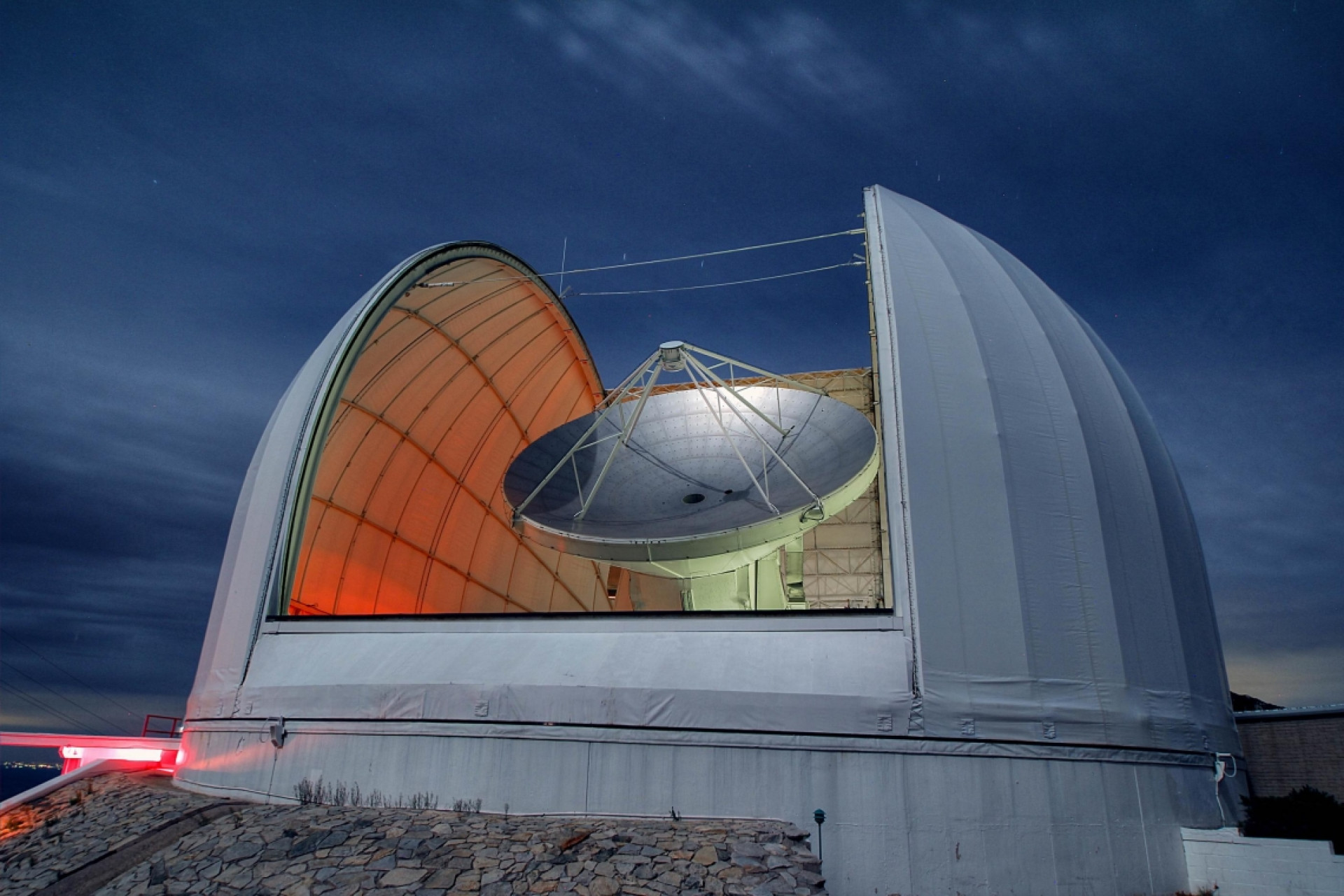
Scientists have discovered phosphorous, a key ingredient for life, on the fringes of the Milky Way Galaxy. The finding challenges current hypotheses about the formation of elements in the galaxy's outer regions. The discovery was made using two radio telescopes and has implications for our understanding of the origins of DNA and RNA in living organisms.

The Journey of Young Stars: Birth to Independence

Originally Published 2 years ago — by Space.com

Featured image for The Journey of Young Stars: Birth to Independence
Source: Space.com

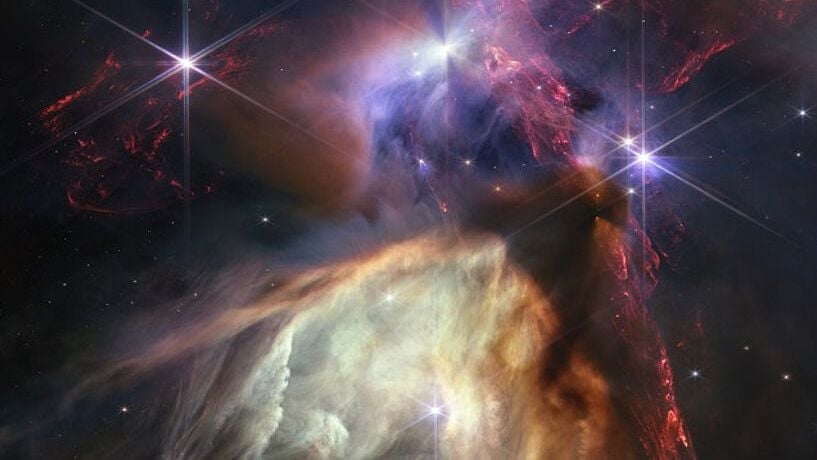
Scientists have developed a new method to determine the ages of stars by synchronizing two different cosmic clocks: isochronous measurement and dynamical tracking. By studying the lives of young stars from their births to when they leave their original clusters, researchers can gain insights into star formation, stellar evolution, and the chronology of star systems. This research provides a clearer picture of how stars and star clusters evolve, contributing to our understanding of the formation of the Milky Way and other galaxies. The study was made possible with data from the Gaia space mission and the APOGEE catalog.