Tag

Astronomical Research

All articles tagged with #astronomical research

science-and-technology6 months ago

Ultra-Black Paint to Protect Night Sky from Satellite Pollution

A new ultra-black coating called Vantablack 310 is set to be tested on a satellite in 2026 to reduce light pollution from satellites and protect astronomical observations, addressing concerns over the increasing number of satellites in low Earth orbit and their impact on space research and the night sky.

astronomy1 year ago

The Fate of Our Solar System: Pulverization by the Sun

In a few billion years, our Sun will transform into a red giant and then a white dwarf, likely consuming Mercury and Venus in the process. New research suggests that while inner planets may not survive, outer planets, moons, asteroids, and comets could endure the transition. Observations of white dwarfs show chaotic variability, indicating the presence of debris from torn-apart asteroids and moons. This suggests that the fate of planetary systems during the transition to white dwarfs is more complex than previously thought.

astronomy1 year ago

"White Dwarf Star: The Grim Fate of Our Solar System"

A study by scientists from the University of Warwick and other universities sheds light on the impact of white dwarf stars on planetary systems like our solar system. When asteroids, moons, and planets get close to a white dwarf, its gravity rips them into smaller pieces, eventually grinding them into dust. The study observed changes in brightness of three different white dwarfs over 17 years, revealing chaotic variability and catastrophic events. While Earth will likely be swallowed by the expanding sun before it becomes a white dwarf, other parts of our solar system, including asteroids and moons, may undergo the shredding process near a white dwarf.

astronomy1 year ago

"Alien 'Eyeball' Super-Earth: Unraveling Its Bizarre Day-Night Cycle"

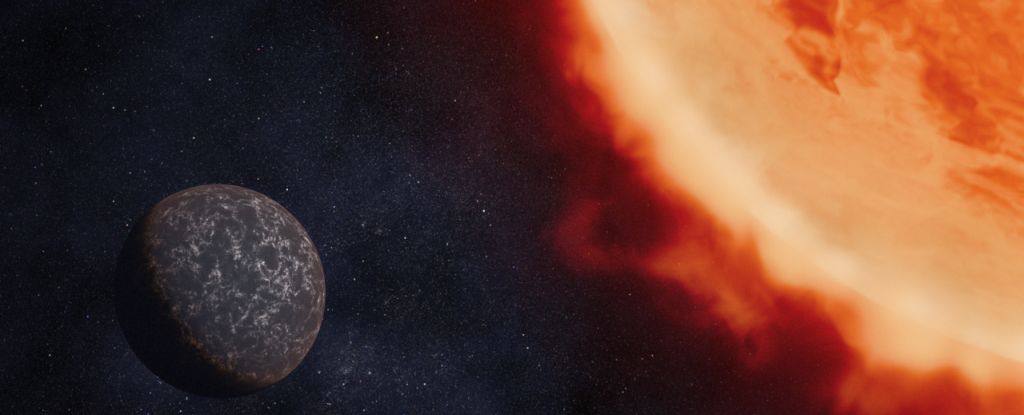
Astronomers have confirmed the existence of a "bizarre eyeball planet," LHS 3844b, which is tidally locked to its host star, with one side in perpetual darkness and the other in constant sunlight. This finding provides compelling evidence that tidally locked exoplanets are possible and potentially common in the Milky Way. The planet, located 48 light-years away, is too hot for life as we know it and likely has a rocky composition without an atmosphere. Researchers used infrared observations to determine the planet's rotation and confirmed that it is tidally locked, similar to the Moon's relationship with Earth. This study sheds light on the nature of exoplanets and provides valuable insights into their unique characteristics.

astronomy1 year ago

"The Mystery of Rogue Planets: Origins Unveiled"

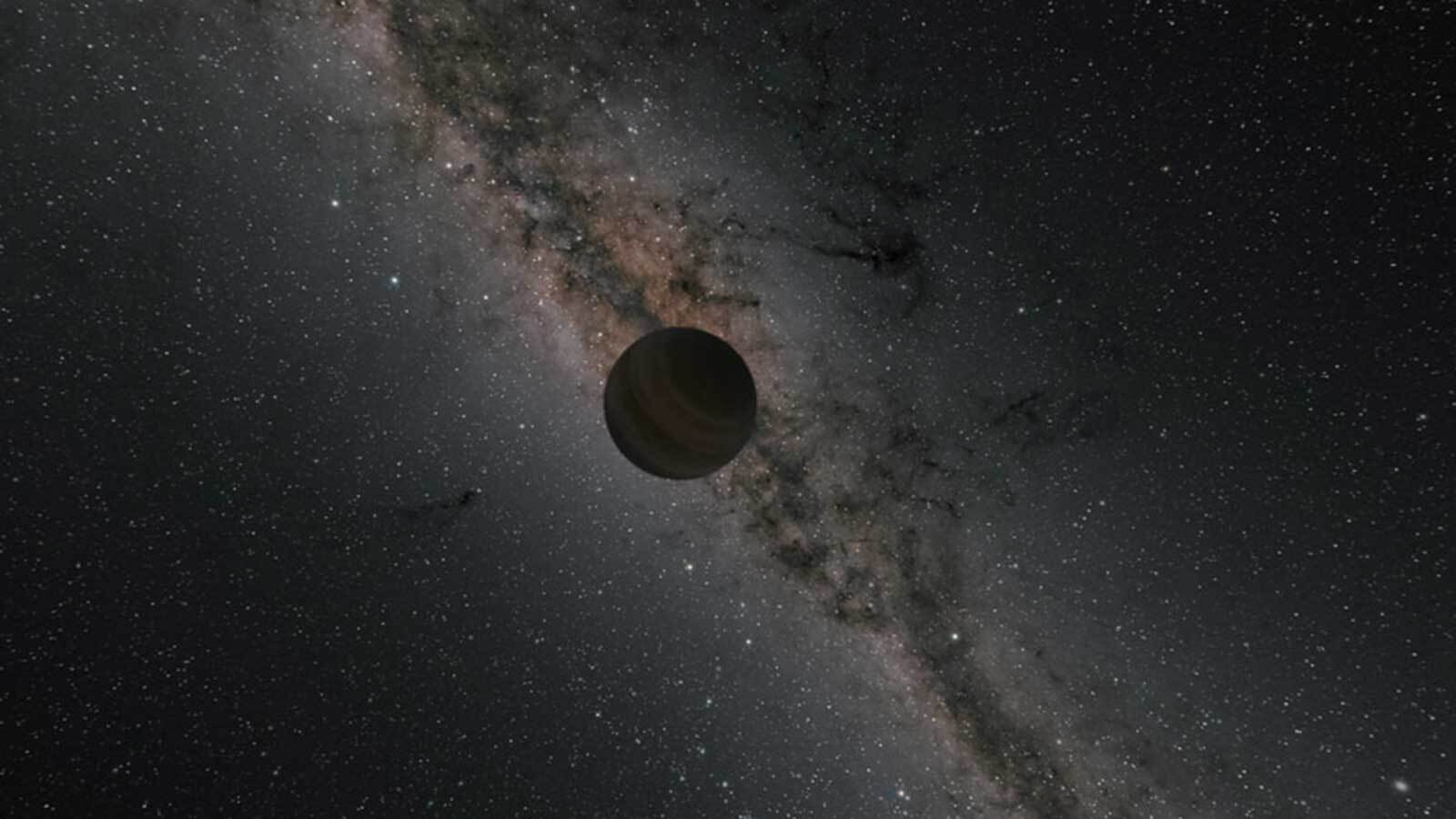
Astronomers are studying the origins of rogue planets, also known as free-floating planets (FFPs), which drift through space untethered to any stars. Researcher Gavin Coleman from Queen Mary University of London has simulated how FFPs are ejected from binary star systems, finding that circumbinary systems efficiently produce FFPs with distinct properties. His work suggests that differences in the distributions of FFP masses, frequencies, and excess velocities can indicate whether single stars or circumbinary systems are the fundamental birthplace of FFPs. While there is still much to learn about FFPs and their origins, this research provides a valuable step toward understanding these intriguing objects.

astronomy1 year ago

"Surprising Commonality: Planet-Eating Stars Among Billions"

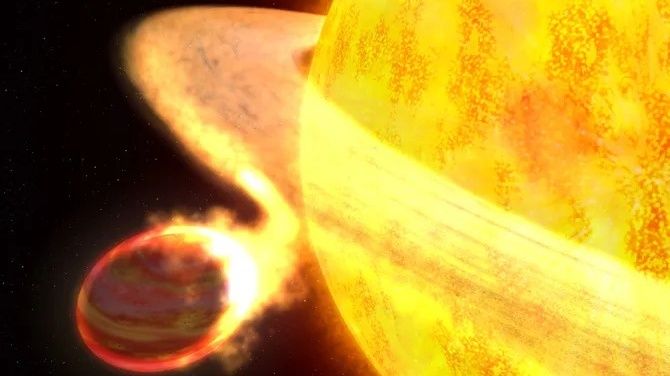
A new study suggests that about one in every 12 stars may have swallowed a planet, based on the analysis of 91 pairs of stars using the Gaia satellite and other telescopes. This finding challenges the assumption of stable planetary systems like our own solar system being the norm and raises questions about the stability of planetary systems. The research implies that planetary ingestion may occur during the normal lifetime of a star system, possibly due to rogue planets colliding with stars, and suggests that many planetary systems may be unstable.

astronomy1 year ago

"Egg-shaped Exoplanet Death-spirals into Star"

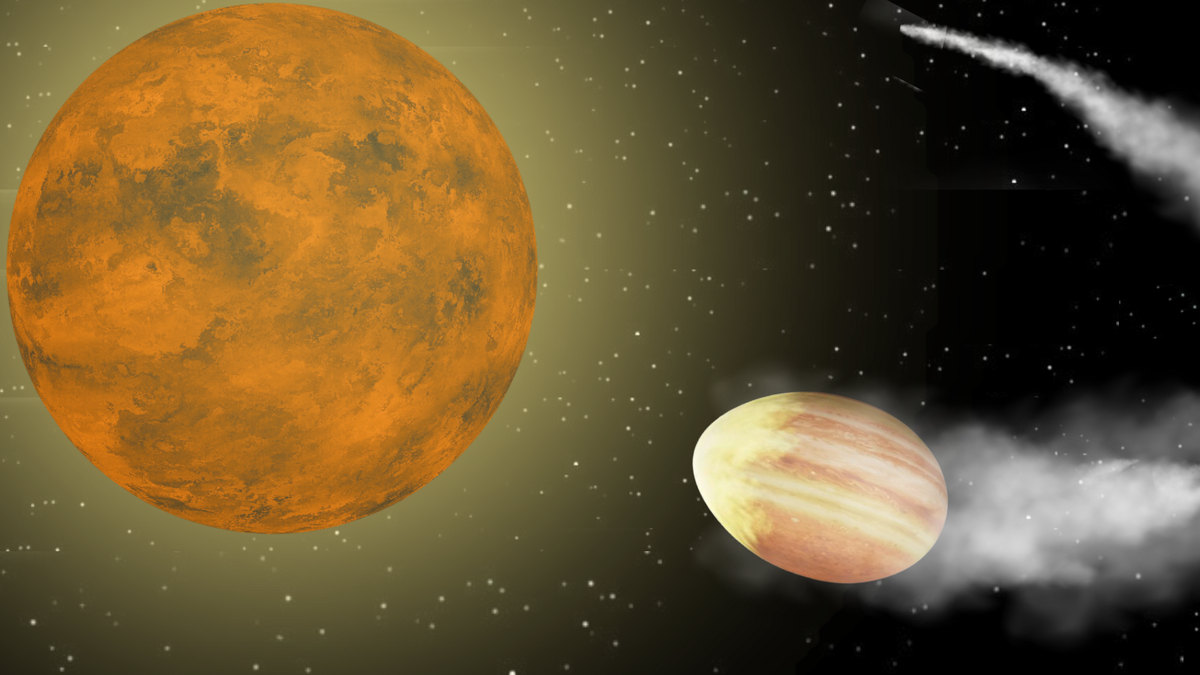
Astronomers have found that the egg-shaped exoplanet WASP-12b, twice the size of Jupiter, is hurtling towards its parent star and is expected to collide in just 3 million years, much sooner than previously estimated. The planet's extreme proximity to its star causes immense tidal forces, shaping it like an egg and stripping material that forms a disk around the star. The research also suggests that the star may have already entered its sub-giant phase, triggering rapid tidal dissipation. The findings could indicate that other ultra-hot Jupiters might also be on collision courses with their stars, prompting further research into orbital decay rates.

space-science1 year ago

"Unveiling Planet Birth: JWST's Groundbreaking Survey"

The James Webb Space Telescope is being used to study the dynamics of gas giant formation and the depletion of gas around host stars. Researchers have used the telescope to probe the "disk wind" around a young star called T Cha, finding evidence of neon and argon emissions that provide insights into the evolution of protoplanetary disks. This study represents a crucial step in understanding the formation of gas planets and opens the door to future research on the process of photoevaporation driving the disk-wind phenomenon.

space-science1 year ago

"Testing Earth as a Model for Alien Habitability Detection"

Scientists have simulated the performance of the proposed space telescope, LIFE, by focusing it on Earth as if it were a distant exoplanet to detect potential signs of life. The telescope, overseen by ETH Zürich, aims to study 30 to 50 Earth-sized exoplanets within 65 light years of our solar system for biosignatures in their atmospheres. The study's findings, published in The Astronomical Journal, suggest that the telescope's ambitions are viable, offering hope for answering the question of whether life exists beyond Earth.

space-science1 year ago

"Assessing Space Telescope's Ability to Detect Earthly Life"

Scientists have simulated the performance of the proposed space telescope, LIFE, by focusing it on Earth as if it were a distant exoplanet, confirming that it could detect potential signs of life such as specific chemicals in the atmosphere. The telescope, overseen by ETH Zürich, aims to study 30 to 50 Earth-sized exoplanets within 65 light years to determine if there is any indication of life. If deployed, this ambitious project could provide valuable insights into the existence of life beyond Earth.

astronomy1 year ago

"Zombie Star's Metallic Scar Reveals Cannibalistic Planet Consumption"

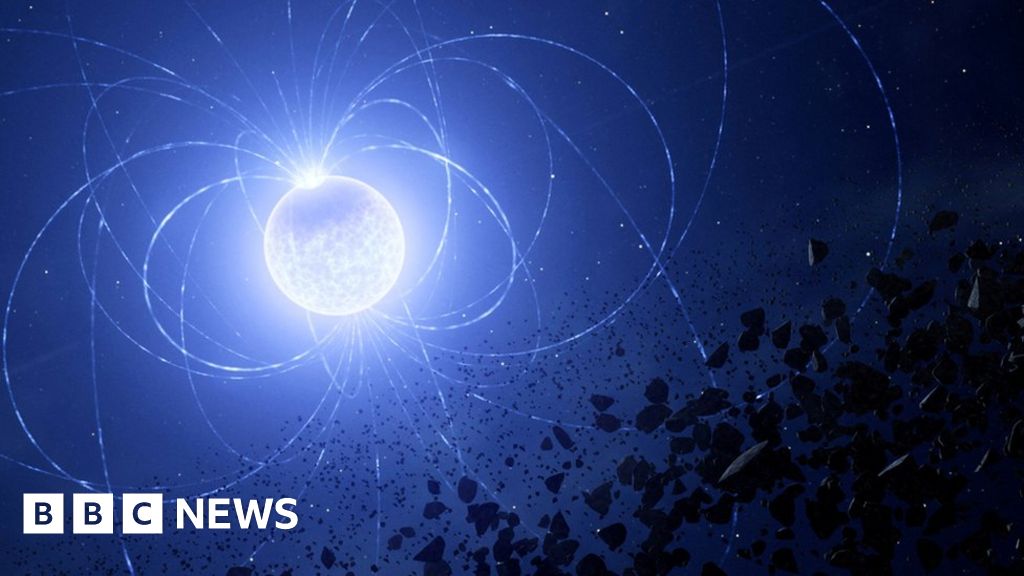
Astronomers at Armagh Observatory have discovered a 500km-long metal scar on the surface of a white dwarf star, suggesting that it "ate" nearby planets and asteroids from its solar system. This scar, named WD 0816-310, is a concentrated patch of planetary material held in place by the star's magnetic field. The discovery was made using the European Southern Observatory's Very Large Telescope, and it sheds light on the role of magnetic fields in the process of white dwarfs cannibalizing pieces of their planetary systems.

astronomy1 year ago

"NASA Discovers Super-Earth in Optimal Habitable Zone 137 Light-Years Away"

Scientists have discovered a super-Earth, TOI-715 b, within the "conservative" habitable zone of a nearby red dwarf star, igniting excitement in the astronomical community about potential habitable conditions. The planet's discovery, facilitated by advanced spaceborne instruments, offers the prospect of uncovering signs of life beyond our solar system. TOI-715 b's short orbital period and potential sibling planet further enhance its appeal for study, while the concept of habitable zones continues to play a crucial role in the search for extraterrestrial life.

astronomy1 year ago

"Revealing Unexpected Magnetic Field Structures in the Milky Way"

Astronomers have discovered surprising variations in the magnetic field structures within the Milky Way's Sagittarius arm, challenging previous galactic models and offering new insights into the role of magnetic fields in star formation. Leveraging advanced telescopes and the Gaia satellite, the study reveals that these magnetic fields are more complex and influential than previously thought, with significant implications for the evolution of galaxies. The findings suggest that further mapping of galactic magnetic fields could provide a better understanding of the nature and development of the Milky Way and other galaxies.

astronomy2 years ago

"Unprecedented Discovery: Vast Water Reservoir Discovered Surrounding Distant Black Hole"

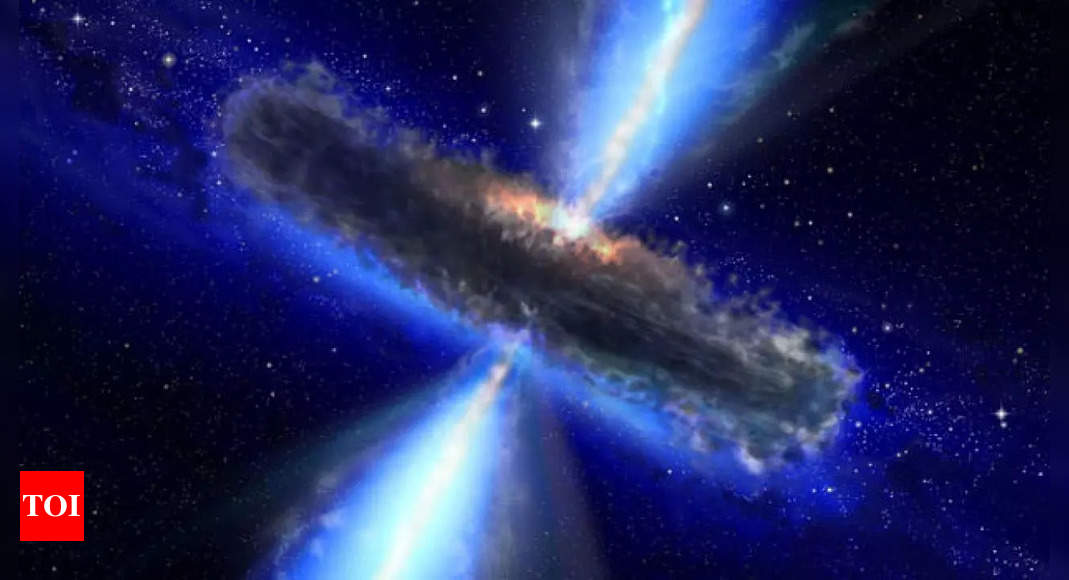
Astronomers have discovered the largest and most distant reservoir of water ever detected in the universe, located around a quasar 12 billion light-years away. This cosmic water source, surpassing the volume of all water on Earth by 140 trillion times, provides insights into the early stages of the universe. The discovery of water vapor in the early universe is a milestone in astronomical understanding. The construction of a 25-meter telescope in Chile, aimed at further unraveling the mysteries of the distant universe, has been temporarily halted due to insufficient funding.

science-and-astronomy2 years ago

"James Webb Space Telescope Unveils Cosmic Distances of 200 Galaxies"

The James Webb Space Telescope (JWST) has provided astronomers with the ability to determine the distances of nearly 200 galaxies and galaxy clusters, offering valuable insights into the evolution of galaxies and the clusters they inhabit. The telescope's powerful instruments, including the Canadian NIRISS, have allowed researchers to measure galactic distances by analyzing light signatures and redshift. The study has revealed new galaxies and overdensities within galaxy clusters, shedding light on the formation of star clusters after the Big Bang. This research marks an important milestone in understanding the changes that have occurred in the universe since its early days.