
Tag

Hd 63433 D

All articles tagged with #hd 63433 d

astronomy2 years ago

"Metallic Planet: Half Lava, Half Ocean"

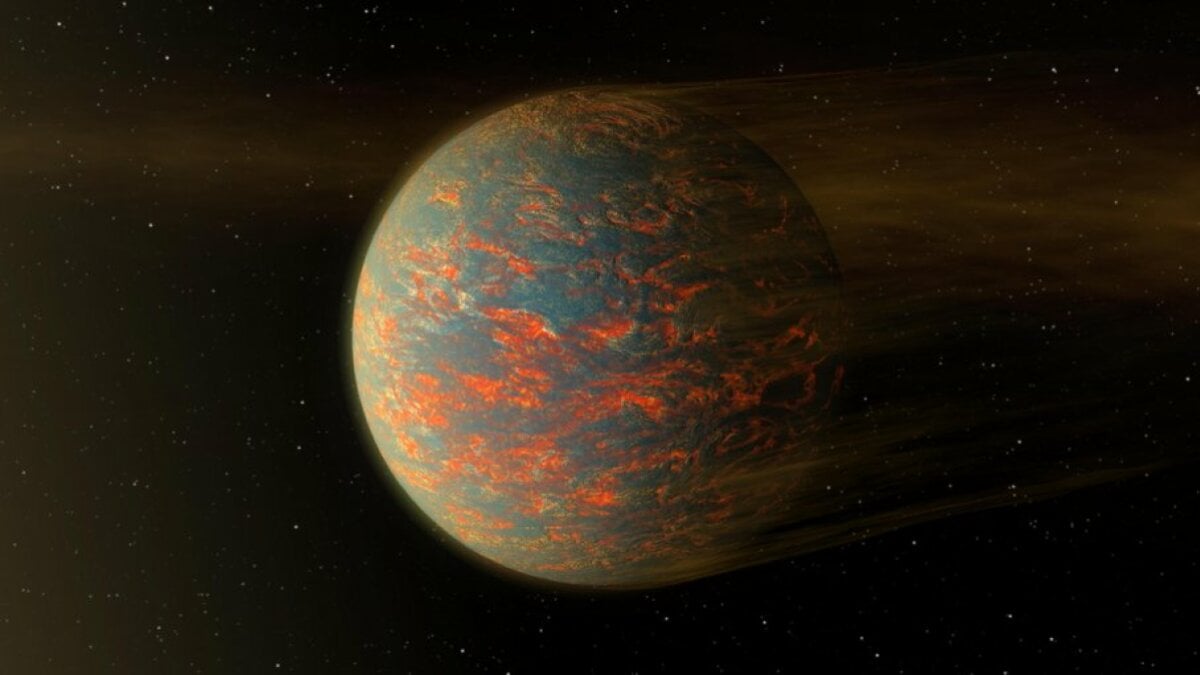
Scientists have discovered a newborn exoplanet, HD 63433 d, just 73 light-years away, offering insights into the early Earth. Orbiting a young star similar to the Sun, the Earth-sized planet is extremely close to its star, likely resulting in a surface of molten rock with temperatures reaching 1,570 Kelvin. This discovery provides a rare opportunity to study the formation and evolution of Earth-like planets and their potential for hosting life, shedding light on the ingredients necessary for life to emerge elsewhere in the Universe.
astronomy2 years ago

"NASA Telescope Discovers Earth-sized Exoplanet with Lava Atmosphere"

NASA's TESS probe has discovered a young exoplanet, HD 63433 d, just 73 light-years away, which is almost identical in size to Earth but much hotter and likely half-covered in molten lava seas. This scorched world is the smallest and closest known young exoplanet, and its orbit is so snug that its year is only four days long. Astronomers hope to learn more about this intriguing planet, especially the side that never receives starlight, using the James Webb Space Telescope.

astronomy2 years ago

"Scorching Discovery: Earth-sized Exoplanet with Lava Hemisphere Unveiled"

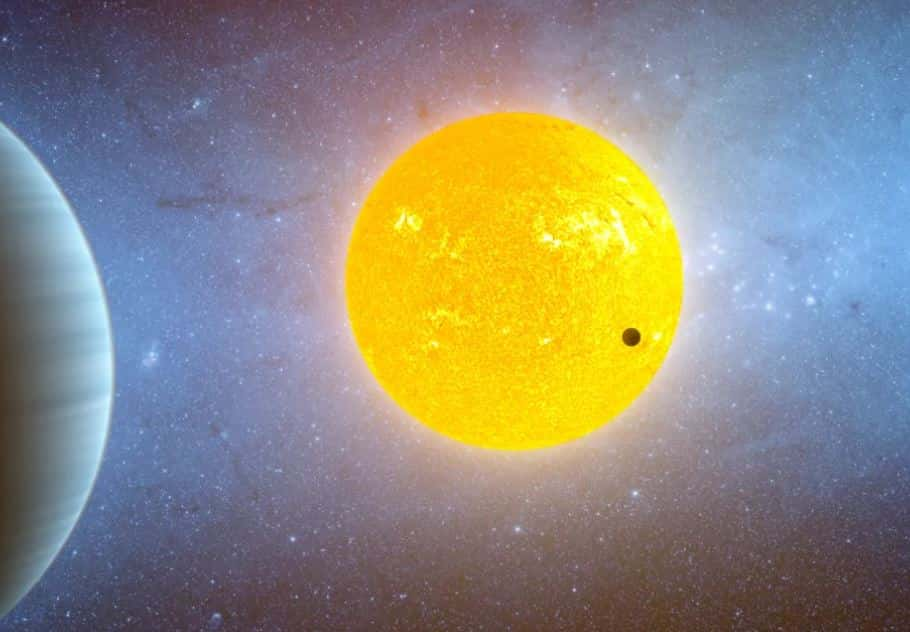
Scientists have discovered a new Earth-sized exoplanet, HD 63433 d, in a planetary system known for having two planets. The planet is extra hot, young, and tidally locked, with one side constantly facing its Sun-sized star. The planetary system is 500 million years old, making HD 63433 d the youngest Earth-sized planet known. The star in the system is a G-type star, similar to our Sun. The discovery was made using data from NASA's TESS, and the planet's dayside may resemble a "lava hemisphere" due to its scorching temperatures.

astronomy2 years ago

"Earth-sized Planet with Lava Hemisphere Discovered"

Astronomers using NASA's TESS have discovered a young, Earth-sized exoplanet, HD 63433 d, in a planetary system with two known planets. The planet is tidally locked, with scorching temperatures on its dayside, possibly making it a "lava hemisphere." It orbits a star similar to our Sun and is the closest confirmed Earth-sized planet of its age, at about 400 million years old. This discovery provides valuable insights into planetary formation and evolution and will be discussed at the 2024 American Astronomical Society Meeting.